

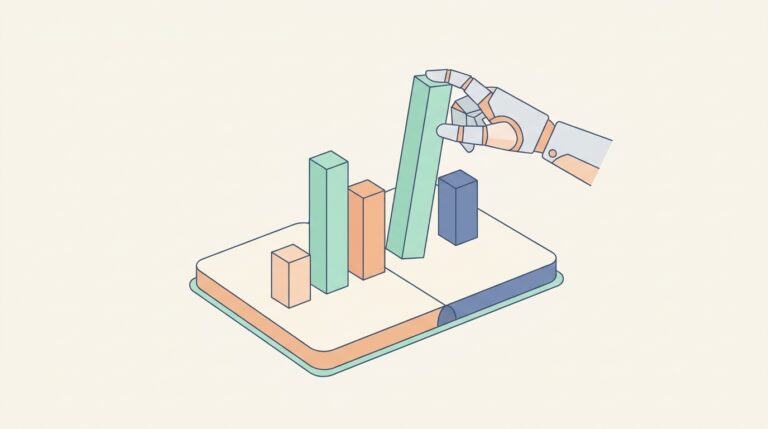
Unveiling the Dark Side of Bestsellers: Sajaegi (사재기) & Chart Manipulation
Phase 1: Empathy (스토리 몰입형 오프닝)
안녕하세요! 매일한글 (Daily Hangul) editor here, your trusted K-culture navigator! 👋
Picture this: You are browsing a trendy bookstore in Gwanghwamun, Seoul. You spot a dazzling new novel sitting proudly at #1 on the bestseller wall. Naturally, you buy it, expecting a masterpiece—only to find it incredibly underwhelming. Later, you turn on the news and see an anchor discussing ‘bestseller sajaegi’ (베스트셀러 사재기).
If you have ever felt confused by how certain books or songs suddenly skyrocket to the top of Korean charts despite having zero organic hype, you are not alone! Many advanced C2 learners of Korean struggle to discuss these complex ethical debates because standard dictionaries only define sajaegi as “bulk buying” or “hoarding.”
Today, we are going deep. By the end of this guide, you will be able to analyze Korean publishing controversies, talk about chart manipulation like an industry insider, and understand the cultural anxieties behind this phenomenon. Let’s dive in! 🚀
Phase 2: Deep-Dive into Top 3 Key Expressions
To discuss this topic at a C2 level, you need highly nuanced vocabulary. Let’s dissect the three most critical expressions.
1. 사재기 (Sajaegi)
- Pronunciation: [Sa-jae-gi] (Sounds like “sah-jae-ghee” with a flat, even pitch)
- Meaning: Bulk-buying / Hoarding / Chart manipulation through artificial purchasing.
- K-Culture Moment: Used in news exposés and legal drama scenes where investigators raid a dummy office filled with hundreds of smartphones streaming a single track, or warehouses packed with unboxed novels.
- Editor’s Insight: Historically, sajaegi referred to panic-buying food during crises. Today, in the cultural industry, it refers to publishers or music labels buying their own products in massive quantities to artificially manipulate bestseller lists or music charts.
- Situation Spectrum: Casual (✅) | Semi-formal (✅) | Formal (✅)
- 🤔 Think About It: In your country, how do regulatory bodies detect and punish artificial chart manipulation? Why do you think rank-obsessed societies are particularly vulnerable to this?
2. 순위 조작 (Sun-wi Jo-jak)
- Pronunciation: [Sun-wi Jo-jak] (Sounds like “soon-wee joh-jahk”)
- Meaning: Rank/Chart manipulation or rigging.
- K-Culture Moment: A hot topic discussed in investigative journalism shows like Unanswered Questions (그것이 알고 싶다) when looking into unfair competition.
- Editor’s Insight: Sun-wi means rank, and jojak means manipulation/fabrication. This term is vital for discussing ethics in publishing, entertainment, and sports.
- Situation Spectrum: Casual (✅) | Semi-formal (✅) | Formal (✅)
- 🤔 Think About It: How does “순위 조작” differ from aggressive marketing in your native culture?
3. 공정성 시비 (Gong-jeong-seong Si-bi)
- Pronunciation: [Gong-jeong-seong Si-bi] (Sounds like “gong-jung-sung she-bee”)
- Meaning: Dispute/Controversy over fairness.
- K-Culture Moment: Frequently appears in newspaper editorials discussing how sajaegi ruins the playing field for independent authors and indie publishers.
- Editor’s Insight: Gongjeongseong is “fairness” and sibi means “right or wrong (dispute).” Using this term immediately elevates your Korean to a highly intellectual, analytical level.
- Situation Spectrum: Casual (⚠️) | Semi-formal (✅) | Formal (✅)
- 🤔 Think About It: Why is “fairness” (공정) such an intensely debated value among young Koreans today?
Phase 3: Textbook Korean vs. Real-World Korean
Let’s compare how textbooks teach these concepts versus how Koreans actually talk about them in high-level debates.
Situation 1: Describing illegal buying to boost sales
- 📖 Textbook: 출판사가 책을 많이 사서 베스트셀러로 만들었습니다. (The publisher bought many books to make it a bestseller.)
- 🗣️ Real-World: 출판업계의 고질적인 사재기 관행이 다시 기승을 부리고 있네요. (The publishing industry’s chronic practice of sajaegi is running rampant again.)
- 💡 Why the difference? C2 speakers use advanced Sino-Korean nouns like 고질적인 관행 (chronic practice/custom) and 기승을 부리다 (to run rampant) to sound analytical and professional.
Situation 2: Expressing doubt about a book’s high rank
- 📖 Textbook: 이 책의 인기가 진짜인지 모르겠습니다. (I don’t know if this book’s popularity is real.)
- 🗣️ Real-World: 아무리 봐도 이 책의 순위는 거품인 것 같아요. 음원 사재기처럼 출판계도 조작 의혹이 짙네요. (No matter how I look at it, this book’s rank seems like a bubble. Just like music chart manipulation, the publishing world also faces deep suspicions of rigging.)
- 💡 Why the difference? Native speakers use 거품 (bubble) metaphorically to describe unearned popularity, and draw parallels with 음원 사재기 (music chart manipulation), which is highly familiar to the public.
Phase 4: K-Culture Deep-Dive & Non-Verbal Manners
4-1. Reading the Room: Non-Verbal Manners
When discussing sensitive social issues like sajaegi with Koreans, maintain a grave, analytical tone. Nod slowly (고개 끄덕이기) to show you understand the ethical weight of the issue. Avoid light laughing or shrugging, as this topic directly touches upon 공정 (Fairness), a deeply sensitive value in contemporary Korean society.
4-2. The Cultural Code: Why the Obsession with Rankings?
Korea is a highly fast-paced, trend-sensitive society. The “Bestseller” tag at major bookstores like Kyobo Book Centre acts as a powerful social proof. Because people are busy, they rely heavily on curated lists. This psychological shortcut is precisely what malicious entities exploit through sajaegi—they know that once a book enters the top 10 artificially, organic buyers will keep it there.
Phase 5: Real-Life Roleplay Scenario
Setting: A chic café in Mapo-gu, Seoul. You are discussing the latest publishing trends with Ji-woo, an independent publishing editor.
Characters:
- 지우 (Ji-woo): A passionate indie book editor who despises unfair market practices.
- You (C2 Korean Speaker): An analytical observer who wants to understand the current scandal.
Dialog:
- 지우: 🎭 (sighs deeply, stirring her coffee) 이번에 베스트셀러 1위 한 소설 봤어요? 아무리 봐도 수상해요. 독자들 사이에서 반응도 없었는데 말이죠.
(Ibeone best-seller il-wi han so-seol bwasseo-yo? A-mu-ri bwa-do su-sang-hae-yo. Dok-ja-deul sai-e-seo ban-eung-do eop-seon-neun-de mal-i-jyo.)
Translation: Did you see the novel that hit #1 on the bestseller list this time? No matter how I look at it, it’s suspicious. There was absolutely no buzz among readers. -
You: 🎭 (nodding thoughtfully) 아, 저도 뉴스에서 봤어요. 혹시 그게 말로만 듣던 사재기 의혹인가요?
(Ah, jeo-do nyu-seu-e-seo bwasseo-yo. Hok-si geu-ge mal-lo-man deut-deon sajaegi ui-hok-in-ga-yo?)
Translation: Oh, I saw that on the news too. Is that the infamous suspicion of sajaegi? -
지우: 🎭 (frowning, lowering her voice) 맞아요. 일부 마케팅 대행사가 사재기 수법으로 순위를 올렸다는 정황이 포착됐대요.
(Ma-ja-yo. Il-bu ma-ke-ting dae-haeng-sa-ga sajaegi su-beob-eu-ro sun-wi-reul ol-lyeot-da-neun jeong-hwang-i po-chak-dwaet-dae-yo.)
Translation: Exactly. Circumstances suggest that some marketing agencies raised the ranking using sajaegi tactics. -
You: 🎭 (adjusting your glasses) 정말 심각하네요. 이런 순위 조작은 출판 시장의 공정성 시비를 낳을 수밖에 없겠어요.
(Jeong-mal sim-gak-ha-ne-yo. I-reon sun-wi jo-jak-eun chul-pan si-jang-ui gong-jeong-seong si-bi-reul na-eul su-bak-e eop-get-seo-yo.)
Translation: That’s really serious. This kind of rank manipulation is bound to trigger controversies over the fairness of the publishing market. -
지우: 🎭 (clasping her hands) 그러니까요! 땀 흘려 책을 만드는 1인 출판사나 신인 작가들은 완전히 박탈감을 느끼죠.
(Geu-ri-kka-yo! Ttam heul-ryeo chaek-eul man-deu-neun il-in chul-pan-sa-na sin-in jak-ga-deul-eun wan-jeon-hi bak-tal-gam-eul neu-ki-jyo.)
Translation: Exactly! Indie publishers and rookie writers who pour their sweat into making books feel completely disenfranchised. -
You: 🎭 (sympathetically) 독자들의 신뢰를 저버리는 행위이기도 하고요. 책을 고르는 기준이 왜곡되니까요.
(Dok-ja-deul-ui sin-roe-reul jeo-beo-ri-neun haeng-wi-i-gi-do han-go-yo. Chaek-eul go-reu-neun gi-jun-i wae-gok-doe-ni-ka-yo.)
Translation: It’s also an act of betraying reader trust. Because the criteria for choosing books gets distorted. -
지우: 🎭 (pointing to her phone) 그래서 이번에 문체부에서도 대대적인 실태 조사를 하겠다고 나섰더라고요. 과연 뿌리 뽑힐지 모르겠지만요.
(Geu-rae-seo ibeone mun-che-bu-e-seo-do dae-dae-jeok-in sil-tae jo-sa-reul ha-get-da-go na-seot-deo-ra-go-yo. Gwa-yeon ppu-ri ppop-hil-ji mo-reu-get-ji-man-yo.)
Translation: That’s why the Ministry of Culture, Sports, and Tourism stepped forward to conduct a large-scale investigation. Though I don’t know if it will be completely eradicated. -
You: 🎭 (firmly) 이번 기회에 투명한 플랫폼 감시 시스템을 구축해서 공정 경쟁이 이뤄지길 바랍니다.
(I-beon gi-hoe-e tu-myeong-han peul-raet-pom gam-si si-seu-tem-eul gu-chuk-hae-seo gong-jeong gyeong-jaeng-i i-ru-eo-ji-gil ba-ram-ni-da.)
Translation: I hope they build a transparent platform monitoring system this time to ensure fair competition.
🔀 Interactive Choice Points
How will you respond to Ji-woo’s concern about whether the investigation will work?
- A. “법적 처벌이 약해서 그래요. 더 강한 처벌이 필요해요.” (It’s because legal punishments are weak. Stronger penalties are needed.)
- 💡 Feedback: Best! Showcases high-level logical reasoning and matches the analytical tone of a C2 debate.
- B. “어쩔 수 없죠, 세상은 원래 불공평하니까요.” (Well, what can you do? The world is naturally unfair.)
- 💡 Feedback: Bad. Too dismissive and shuts down the intellectual conversation. Lacks empathy for Ji-woo’s profession.
- C. “그냥 책 안 읽으면 되잖아요?” (Why not just stop reading books then?)
- 💡 Feedback: Risk. Highly offensive to an editor who works in the publishing industry. Avoid this!
Phase 6: 10-Second Emotional Shadowing Drill
To master natural phrasing, practice pausing (/) and channeling the correct emotional energy.
- Sentence 1: [😠 Indignant and Serious]
*
Frequently Asked Questions (FAQ)
Q: What does "사재기 (Sajaegi)" mean in Korean and how do you pronounce it?
A: In Korean, "사재기 (Sajaegi)" is pronounced [Sa-jae-gi] and means: Bulk-buying / Hoarding / Chart manipulation through artificial purchasing.
Q: What does "순위 조작 (Sun-wi Jo-jak)" mean in Korean and how do you pronounce it?
A: In Korean, "순위 조작 (Sun-wi Jo-jak)" is pronounced [Sun-wi Jo-jak] and means: Rank/Chart manipulation or rigging.
Q: What does "공정성 시비 (Gong-jeong-seong Si-bi)" mean in Korean and how do you pronounce it?
A: In Korean, "공정성 시비 (Gong-jeong-seong Si-bi)" is pronounced [Gong-jeong-seong Si-bi] and means: Dispute/Controversy over fairness.







