

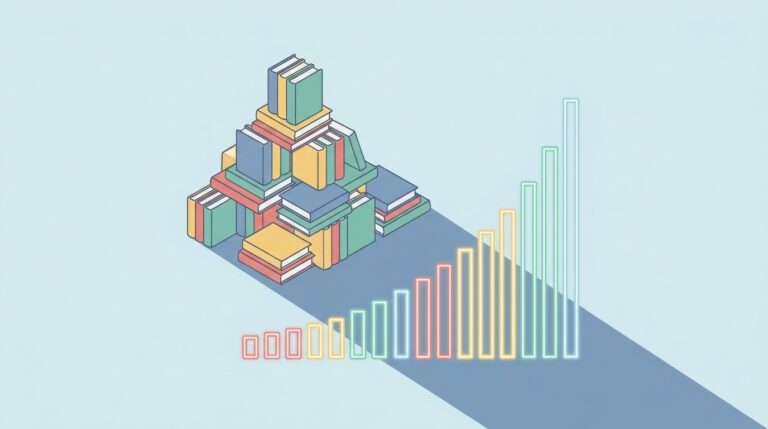
Whispers Behind the Bestseller Wall: Unpacking Korea’s ‘Sajaegi’ and Publishing Scandals
Phase 1: Empathy (공감 – A Deep Dive into Book Censorship and Market Trust)
안녕하세요! Welcome back, language lovers! It’s your Senior Editor and local cultural navigator from Daily Hangul. Have you ever walked into the majestic, high-ceilinged Kyobo Book Centre in Gwanghwamun, stood in front of the massive “Bestseller” wall, and wondered: “Are all these books truly here because of pure reader love?”
If you have a keen eye on Korean media, you might have heard whispers of a darker side of the publishing industry: 베스트셀러 순위 조작 (bestseller chart manipulation) and the controversial practice of 사재기 (sajaegi – bulk buying/hoarding). For C2-level learners like you, discussing intellectual integrity, market manipulation, and societal trust isn’t just about practicing vocabulary; it’s about participating in the profound ethical debates shaping contemporary Korean society.
Today, we aren’t just memorizing definitions. We are exploring the vocabulary of social critique, the psychology behind the Korean obsession with rankings, and the linguistic tools you need to engage in high-level intellectual discussions in Korean. Let’s dive deep into this fascinating controversy!
Phase 2: Key Expressions Deep Dive (핵심 표현 3선 심층 분석)
Here are three high-level expressions essential for dissecting any modern Korean controversy, especially in the realms of publishing, entertainment, and public trust.
1. 사재기 (Sajaegi)
- Pronunciation: [Sajaegi] (Sounds like sah-jae-gee)
- Meaning: Bulk buying / market manipulation hoarding (literally buying and stacking up).
- K-Culture Moment: While originally associated with emergency food hoarding, in modern Korea, it is overwhelmingly used to describe publishers or music labels secretly buying their own products in massive volumes to artificially boost chart rankings.
- Editor’s Insight: The root verb ‘사다’ (to buy) combines with ‘재기’ (accumulating/stacking). In formal legal contexts, you might hear ‘매점매석’ (cornering the market), but in cultural and media debates, ‘사재기’ is the definitive term that sparks fierce public outrage.
- Situation Spectrum: Casual (⚠️ – slightly heavy for light talk), Semi-formal (✅), Formal (✅)
- 🤔 Think About It: Does your culture have a specific word for manipulating algorithms or rankings by buying one’s own products, or is it simply viewed as aggressive marketing?
2. 여론을 호도하다 (Yeoroneul hodohada)
- Pronunciation: [Yeoroneul hodohada] (Sounds like yuh-ron-eul ho-do-ha-dah)
- Meaning: To mislead public opinion / to distort public consensus.
- K-Culture Moment: Frequently used by journalists, intellectuals, and in socio-political dramas (like Stranger / 비밀의 숲) when powerful institutions try to shift the blame or manufacture artificial consensus.
- Editor’s Insight: The hanja ‘호도 (糊塗)’ literally means “smearing with congee”—i.e., plastering over a mistake with a messy substance to temporarily hide it. Combining it with ‘여론’ (public opinion) paints a vivid picture of sloppy, deceitful cover-ups.
- Situation Spectrum: Casual (🚫 – too dramatic for daily chats), Semi-formal (⚠️), Formal (✅)
- 🤔 Think About It: How does the linguistic imagery of “plastering over with paste” capture the essence of modern misinformation compared to the English term “misleading”?
3. 공정성 시비 (Gongjeongseong sibi)
- Pronunciation: [Gongjeongseong sibi] (Sounds like gong-jung-sung she-bee)
- Meaning: Dispute over fairness / controversy surrounding equity.
- K-Culture Moment: This term pops up whenever a major competitive program (like audition shows or literary awards) is suspected of rigging its outcomes.
- Editor’s Insight: ‘공정’ (fairness) is one of the most sensitive ethical keywords in contemporary Korea. ‘시비 (是非)’ means determining right from wrong, but in colloquial speech, “시비를 걸다” means to pick a fight. Therefore, ‘공정성 시비’ refers to a bitter dispute where the foundational value of fairness has been compromised.
- Situation Spectrum: Casual (🚫), Semi-formal (✅), Formal (✅)
- 🤔 Think About It: Why has “fairness” (공정) become such a highly charged, non-negotiable value for the younger generation in competitive modern Korea?
Phase 3: Textbook Korean vs. Real Korean (교과서 한국어 vs 진짜 한국어)
At the C2 level, using overly formal or dry sentences can make you sound detached. Let’s look at how to transform textbook sentences into natural, living Korean idioms.
Situation 1: Discussing a book that rose unfairly in rankings
- 📖 Textbook: 이 책은 부정한 방법으로 순위에 올랐습니다.
(This book rose in rank through dishonest methods.) - 🗣️ 진짜 한국어: 이 책, 사재기 의혹 때문에 완전 도마 위에 올랐더라고요.
(This book is completely on the chopping board due to hoarding suspicions.) - 💡 Why the difference? While the textbook sentence is grammatically flawless, native speakers use the powerful idiom “도마 위에 오르다” (to be placed on the chopping board) to describe a topic or person undergoing severe public scrutiny and criticism.
Situation 2: Expressing deep skepticism about bestseller charts
- 📖 Textbook: 베스트셀러 순위를 믿지 마십시오.
(Do not trust the bestseller rankings.) - 🗣️ 진짜 한국어: 요즘 베스트셀러 차트는 거품이 너무 많이 껴서 믿고 거르는 편이에요.
(These days, the bestseller charts have too many bubbles, so I tend to “trust and skip” them.) - 💡 Why the difference? “거품이 끼다” (to have bubbles/to be inflated) and “믿고 거르다” (abbreviated as 믿걸 – to skip or filter out based on prior distrust) are the exact high-frequency expressions contemporary Koreans use to voice modern skepticism.
Phase 4: K-Culture Deep Dive & Non-verbal Manners (비언어적 매너)
4-1. Nunchi (눈치) & Gestures
When discussing sensitive topics like sajaegi or systemic corruption with Korean colleagues or friends, non-verbal cues carry significant weight:
* The Serious Gaze: Keep your gaze steady but lower your voice slightly. Speaking loudly about corruption in public places (like cozy independent bookstores) is considered bad form.
* The Head Tilt and Sigh: When expressing disappointment about publishing ethics, a slow tilt of the head accompanied by a quiet sigh (하…) or a slight click of the tongue (쯧) conveys deep empathy and shared concern for literary culture.
4-2. Cultural Code: The Republic of Rankings (순위 공화국)
To understand why sajaegi occurs, you must understand Korea’s complex relationship with rankings. Korea is often jokingly, yet painfully, dubbed “순위 공화국” (The Republic of Rankings). From birth, Koreans are ranked in school, university prestige, corporate sizes, and even charts.
In the publishing sector, this translates to a cognitive shortcut: readers, overwhelmed by busy lives, often choose books purely from the “Top 10” stand. Publishers know this, leading some to resort to the unethical shortcut of sajaegi to trigger a domino effect of genuine sales.
Phase 5: Real-World Roleplay Scenario (실전 롤플레이 시나리오)
Context & Characters
- 지수 (Ji-su): An independent bookstore owner in Yeonnam-dong who strictly curates high-quality books.
- 민우 (Min-woo): An investigative journalist who has been tracking a major publishing company’s manipulative marketing tactics.
민우: (심각한 표정으로 서류를 보며)
지수 씨, 이번에 베스트셀러 1위 한 그 에세이 있잖아요. 아무래도 냄새가 나요.
[Ji-su, you know that essay that hit No. 1 on the bestseller list? It smells fishy.]

지수: (조용히 찻잔을 내려놓으며)
안 그래도 독립출판 커뮤니티에서 사재기 바람이 다시 부는 게 아닌가 다들 걱정하고 있었어요.
[Actually, everyone in the independent publishing community has been worried that the wind of sajaegi is blowing once again.]

민우: (한숨을 내쉬며)
네, 모 대형 출판사가 마케팅 대행사를 끼고 대규모로 책을 사들였다는 정황을 포착했습니다.
[Yes, we've gathered evidence that a major publisher used a marketing agency to buy up books in massive quantities.]

지수: (미간을 찌푸리며)
결국 또 공정성 시비가 터진 거네요. 이건 순수하게 창작하는 작가들의 기회를 박탈하는 짓이에요.
[So another dispute over fairness has erupted. This is literally robbing opportunities from writers who create with pure intentions.]

민우: (분노를 누르며 고개를 끄덕인다)
맞아요. 독자들의 눈과 귀를 가리고 여론을 호도하는 행위나 다름없죠.
[Exactly. It is no different from blinding the readers and misleading public opinion.]

지수: (씁쓸하게 웃으며)
요즘 똑똑한 독자들은 벌써 '믿고 거르는 차트'라면서 싸늘한 반응을 보이더라고요.
[Smart readers these days are already reacting coldly, calling it the "trust-and-skip chart."]

민우: (취재수첩을 닫으며)
이번 기사로 이 고질적인 병폐를 완전히 수면 위로 끌어올려야겠습니다.
[With this article, I must drag this chronic disease completely to the surface.]

지수: (민우의 손을 가볍게 쥐며 격려한다)
네, 꼭 끝까지 파헤쳐 주세요. 공정한 경쟁만이 우리 출판 생태계를 살리는 길이니까요.
[Yes, please investigate it thoroughly to the end. Fair competition is the only way to save our publishing ecosystem.]
🔀 Your Turn: Interactive Choice!
How would you respond if Min-woo asked you: “Do you think the government should legally regulate these bestseller charts?”
- Option A: “네, 법적으로 강력하게 규제해서 싹을 잘라야 해요.” (Yes, we must regulate it heavily by law and nip it in the bud.)
- Feedback: Best! Demonstrates great use of the idiom “싹을 자르다” (to nip in the bud), showing a highly sophisticated command of argumentative Korean.
- Option B: “아마도 그냥 놔두면 시장이 해결할 것입니다.” (Maybe if left alone, the market will solve it.)
- Feedback: Bad. Grammatically correct but sounds a bit too dry and robotic for a C2 conversation. Lacks idiomatic flavor.
- Option C: “법적 규제는 필요하지만, 자칫하면 출판의 자유를 침해할 여지가 있어 조심스럽네요.” (Legal regulation is necessary, but it’s tricky because it might infringe on publishing freedom.)
- Feedback: Risk. Highly advanced and structurally sound, but make sure to follow up with evidence so you don’t sound too indecisive.
Phase 6: 10-Second Shadowing Drill (10초 감정 섀도잉 드릴)
Let’s practice speaking with the natural cadence, pauses, and emotional depth of a native intellectual.
Sentence 1: Criticizing market manipulation
- Script: “아무리 / 마케팅이라지만, / 사재기로 / 독자를 / 기만하는 건 / 선을 넘었죠.”
- Pronunciation: [Amury / marketing-irajiman, / sajaegiro / dokjareul / gimanhaneun geon / seoneul neomeotjyo.]
- Translation: “No matter how much they call it marketing, deceiving readers through bulk buying definitely crosses the line.”
- Expression Landmark:
[😡 Firm and slightly resentful tone, pausing briefly at the slashes to emphasize the injustice]
Sentence 2: Warning of the consequences
- Script: “공정성 시비가 / 계속되면, / 결국 / 출판 업계 전체가 / 공멸하고 말 거예요.”
- Pronunciation: [Gongjeongseong sibiga / gyesokdoemyon, / gyeolguk / chulpan eopgye jeonchega / gongmyeolhago mal geoyeyo.]
- Translation: “If disputes over fairness continue, the entire publishing industry will end up mutually destroying itself.”
- Expression Landmark:
[🥺 Deeply concerned, heavy tone; drop your pitch slightly towards the end on '공멸하고말 거예요']
Phase 7: K-Culture Mini-Dictionary (K-Culture 미니 사전)
- 차트 역주행 (Chateu Yeok-juhaeng) | Chart Climb-back / Reverse Run
- Originally used for old songs climbing back up the music charts due to viral videos, this is now used in publishing when an old, overlooked book suddenly goes viral on social media and dominates the charts naturally.
- 공정 (Gongjeong) | Fairness / Justice
- A fundamental cultural keyword in modern South Korea, especially among the 20s and 30s generation (MZ세대). It implies a level playing field without background manipulation.
- 입소문 (Ipsomun) | Word of Mouth
- Literally “mouth wind.” Organic recommendation. This is contrasted heavily with paid, manipulated reviews.
- 바이럴 마케팅 (Baireol Maketing) | Viral Marketing
- Often used neutrally, but when combined with “침투형” (infiltration-type), it refers to agents pretending to be normal netizen-readers writing fake reviews on online book forums.
Phase 8: Traveler’s Survival Kit (여행자를 위한 생존 키트)
If you are visiting Seoul and want to explore its book culture beyond the tourist paths, keep these three phrases and survival tips close!
Survival Phrases
- “이 책 요즘 SNS에서 핫한 책인가요?”
- [I chaek yojeum SNS-eseo hathan chaegingayo?]
- “Is this book popular on social media these days?” (Perfect to ask independent bookstore owners to gauge organic trendiness).
- “독립서점만의 추천 도서가 있을까요?”
- [Dongnipseojeommanui chucheon doseoga isseulkkayo?]
- “Do you have any recommendations exclusive to this independent bookstore?”
- “사재기 논란 없는 진짜 베스트셀러를 읽고 싶어요.”
- [Sajaegi nollan eomneun jinja bestsellereul ilgo sipeoyo.]
- “I want to read a real bestseller that is free of hoarding controversies.” (A cheeky, advanced joke to share with local booksellers!)
🗺️ Editor’s Travel Note
When navigating Seoul, skip the massive automated malls for a day. Download the 네이버 지도 (Naver Map App) and search for “독립서점 (independent bookstore)” in neighborhoods like Yeonnam-dong (연남동) or Mangwon-dong (망원동). These quaint spaces are curated by passionate bibliophiles who hate sajaegi and offer beautifully bound, hyper-curated local indie literature. Note: Operating hours of indie bookstores are subject to change, so always double-check on their Instagram accounts before visiting.
Phase 9: “한 발 더 깊이” (One Step Deeper – Humanistic Essay)
The outrage surrounding sajaegi in Korea is not simply about books or music charts; it is a window into the collective consciousness of a nation built on intensive competition. Korea’s rapid economic development (the Miracle on the Han River) was fueled by intense academic and professional testing. Under this meritocratic system, the only thing that makes the grueling competition bearable is the absolute belief that the game is 공정 (fair).
When a publisher uses money to hoard books and leapfrog to the top of the bestseller list, it triggers a painful psychological response in Korean readers. It mirrors the societal inequalities where the wealthy bypass standard meritocratic routes. Thus, the fight against sajaegi is actually a defense mechanism to preserve the sacred ideal of fair play in everyday life.
💬 Your Turn: How does your home country manage the balance between aggressive commercial marketing and ethical fairness? Let’s talk about it in the comments below!
Phase 10: FAQ & Common Mistakes (FAQ 및 오해 방지)
Q: Is all bulk-buying by a publisher considered ‘사재기’?
A: No. If a publisher buys books for legitimate corporate giveaways, promotions, or author events, it is considered normal marketing. ‘사재기’ specifically refers to deceptive bulk-buying designed to trick the automated ranking algorithms of major bookstores, pretending those purchases came from individual, organic readers.
Q: Can K-pop ‘sajaegi’ (음원 사재기) and book ‘sajaegi’ (도서 사재기) be prosecuted under Korean law?
A: Yes! Under Article 22 of the Publishing Industry Promotion Act (출판문화산업 진흥법), any act of manipulating sales figures through unfair self-purchasing is illegal and punishable by law. Similarly, music hoarding is heavily prosecuted under music industry laws.
Q: Does ‘사재기’ only happen in physical bookstores?
A: Actually, it is far more common in online bookstores (like Yes24, Aladin, and Kyobo Online) because their ranking algorithms react instantly to sudden spikes in hourly sales volume, making them highly vulnerable to coordinated digital purchasing campaigns.
🚨 The “Common Mistakes” Warning Board
- Mistake 1: Confusing 사재기 (Sajaegi) with 대량 구매 (Daryang gumae).
- Correct Action: If you buy 100 copies of your friend’s book to support them, that’s “대량 구매” (bulk purchase). If a publisher secretly hires agents to buy 10,000 copies to fake a chart position, that’s “사재기”.
- Mistake 2: Using 사재기 to describe normal food hoarding during emergencies in formal essays.
- Correct Action: While technically understood, in modern formal contexts, use 사재기 primarily for market manipulation. For panic-buying during a crisis (like toilet paper during a pandemic), 사재기 is fine, but 사재기 열풍 (hoarding craze) is more accurate.
Phase 11: Action Mission & Engagement (액션 미션)
To lock this sophisticated C2 vocabulary into your brain, complete these three levels of the Daily Hangul Challenge!
- 🥉 Bronze Mission: Write a single sentence in the comments using 도마 위에 오르다 to describe a current event in your country.
- 🥈 Silver Mission: Share a post on Instagram/Twitter of your current favorite Korean book and use the hashtag
#사재기없는_진짜최애책(My real favorite book without sajaegi). - 🥇 Gold Mission: Next time you visit a local Korean bookstore or talk to your language partner, discuss: “요즘 베스트셀러 순위 조작 논란에 대해 어떻게 생각하세요?” and use the phrase 공정성 시비!
Phase 12: Interactive Quiz Challenge (인터랙티브 퀴즈)
Test your mastery of advanced Korean publishing terminology!
1. Situation Analysis
Which of the following scenarios is the best example of 여론을 호도하다?
* A) A publisher translates a foreign masterpiece beautifully.
* B) A news channel deliberately highlights a minor issue to distract citizens from a major corruption scandal.
* C) A book cafe owner recommends their favorite poetry book.
🔍 Click to reveal the Answer & Explanation
Correct Answer: B
Explanation: “여론을 호도하다” means to actively mislead public opinion or cover up the truth. Option B is a textbook example of this concept!
2. Fill in the Blanks
“이번 대선 후보들의 TV 토론회 이후, 편파 판정이라는 이유로 거센 _________가 일어났다.”
(After the presidential candidates’ TV debate, a fierce dispute over fairness erupted due to alleged bias.)
🔍 Click to reveal the Answer & Explanation
Correct Answer: 공정성 시비 (Gongjeongseong Sibi)
Explanation: Since the context mentions bias (편파 판정) and disputes, “공정성 시비” (dispute over fairness) is the perfect academic and journalistic term to complete this sentence.
3. True or False
True or False: The word 사재기 can only be used when referring to books and literature.
🔍 Click to reveal the Answer & Explanation
Correct Answer: False
Explanation: Although we focused on publishing today, “사재기” is widely used in the music industry (음원 사재기), stock markets, and general consumer behavior (emergency hoarding).






