

Navigating Justice: The Yoon Chang-ho Act and Korea’s Unyielding Stance on DUI
Phase 1: Empathy (스토리 몰입형 오프닝)
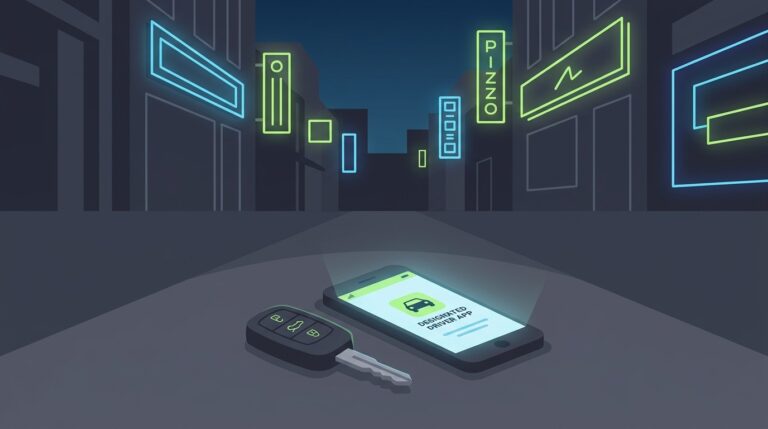
안녕하세요! I’m your lead editor at Daily Hangul. Imagine a scene from a gripping legal K-Drama like Stranger (비밀의 숲) or Itaewon Class (이태원 클라쓰). The rain is pouring over the neon-lit streets of Seoul. A high-flying executive or a beloved celebrity hesitates for a split second outside a premium K-BBQ joint. They’ve only had ‘a few sips’ of Soju. They reach for their car keys, thinking, “It’s just a short drive.”
In the past, this might have been brushed off as a minor mistake. Today? That single decision is a fast track to absolute social, professional, and legal ruin.
If you’ve been following Korean media, you’ve likely noticed that public patience for 음주운전 (eumju-unjeon – drunk driving) is at an absolute zero. The turning point was the tragic passing of Yoon Chang-ho, which birthed the historic 윤창호법 (Yoon Chang-ho Act). Today, we are diving deep into the linguistic, legal, and cultural intricacies of Korea’s fight against DUI. As a C2 learner, understanding this topic will elevate your ability to engage in high-level societal debates with native speakers and grasp the intense emotional undercurrents of Korean news.
This guide is curated from real-world discussions with advanced expats who wanted to understand why Korean society reacts so vehemently to this issue. Let’s unpack the language of justice together.
Phase 2: Core Expressions (핵심 표현 3선 심층 분석)
1. 윤창호법 (Yoon Chang-ho-beop)
- Pronunciation: [yoon-chahng-ho-bup] / Revised Romanization: Yunchangho-beop
- Meaning: The Yoon Chang-ho Act (A landmark legislation passed to drastically tighten the punishment for driving under the influence).
- K-Culture Moment: You will hear this term debated passionately in political talk shows and referenced in legal thrillers whenever a wealthy antagonist tries to pull strings to escape a DUI charge.
- Editor’s Insight: This law is named after a young soldier on leave who was tragically killed by a drunk driver. It represents a massive paradigm shift in Korean law, moving away from treating intoxication as a mitigating factor (주취감경) to treating it as an aggravating one.
- Situation Spectrum:
- Casual: ⚠️ (Can sound quite heavy for a light casual chat, but highly relevant in serious discussions)
- Semi-formal: ✅
- Formal: ✅
- 🤔 Think About It: In many Western legal systems, intoxication can sometimes be debated to argue a lack of premeditated intent. Why do you think Korean society pushed so hard to make intoxication a reason for stricter punishment instead?
2. 음주운전 (Eumju-unjeon)
- Pronunciation: [oom-joo-oon-jun] / Revised Romanization: Eumju-unjeon
- Meaning: Drunk driving / Driving under the influence (Literally: ‘Drinking-driving’).
- K-Culture Moment: This word dominates the entertainment headlines. In Korea, when a celebrity is caught committing 음주운전, it often results in immediate digital exile, with broadcasting stations placing a permanent ban on their appearances.
- Editor’s Insight: To Koreans, 음주운전 is not just a traffic violation; it is widely viewed as an act of pre-empted violence. If you discuss this, do not trivialize it as ‘운전 실수’ (driving mistake).
- Situation Spectrum:
- Casual: ✅
- Semi-formal: ✅
- Formal: ✅
- 🤔 Think About It: How does the linguistic structure of ‘음주’ (drinking alcohol) combined with ‘운전’ (driving) sound more clinical and severe than the casual ‘술 먹고 운전’?
3. 대리운전 (Daeri-unjeon)
- Pronunciation: [deh-ree-oon-jun] / Revised Romanization: Daeri-unjeon
- Meaning: Designated driver service (Literally: ‘Substitute driving’).
- K-Culture Moment: Late at night in business districts like Gangnam or Yeouido, you will see flash mobs of ‘daeri’ drivers sprinting toward cars. It’s an entire ecosystem integrated into apps like Kakao T.
- Editor’s Insight: Calling a 대리운전 is the ultimate sign of adult responsibility in Korea. If you drink even a single sip of alcohol, your peers will expect you to tap that app and hire a driver.
- Situation Spectrum:
- Casual: ✅
- Semi-formal: ✅
- Formal: ✅
- 🤔 Think About It: How does the extreme efficiency and affordability of Korea’s ‘daeri’ infrastructure leave zero excuses for anyone to drive under the influence?
Phase 3: Textbook Korean vs. Real Korean
Let’s contrast the sterile language of textbooks with the visceral, high-impact language used by native speakers in real life.
Situation 1: Firmly warning a colleague who thinks they are ‘okay’ to drive.
- 📖 Textbook Korean: 술을 마셨으니 대리운전을 부르는 것이 좋습니다. (You have consumed alcohol, so it is advisable to call a substitute driver.)
- 🗣️ Real Korean: 야, 한 잔이라도 입에 댔으면 무조건 대리 불러. 너 인생 훅 가고 싶어? (Hey, if even a single drop touched your lips, you call a daeri, no questions asked. Do you want your life to vanish in an instant?)
- 💡 Why the difference? The phrase ‘인생 훅 간다’ (to have one’s life instantly ruined/vanished) reflects the terrifyingly swift social and legal ruin that follows a DUI in modern Korea. Native speakers use this high-stakes idiom to shake people into reality.
Situation 2: Discussing the societal consensus on DUI offenses.
- 📖 Textbook Korean: 음주운전은 법적으로 무거운 처벌을 받습니다. (Drunk driving receives heavy punishment by law.)
- 🗣️ Real Korean: 요새 음주운전은 그냥 예비 살인이나 다름없다는 게 중론이야. (These days, the overwhelming public consensus is that drunk driving is basically equivalent to attempted murder.)
- 💡 Why the difference? ‘중론’ (the prevailing public opinion) and ‘예비 살인’ (premeditated/attempted murder) are sophisticated, high-level vocabulary terms that demonstrate C2 proficiency, perfectly capturing the severe moral condemnation of the Korean public.
Phase 4: K-Culture Deep Dive & Non-verbal Manners
4-1. Nunchi and the Art of Refusal
In Korea’s collectivist drinking culture (술자리), peer pressure can sometimes feel intense. However, with the reinforcement of the Yoon Chang-ho Act, protecting oneself and others has become the ultimate priority.
* The Non-verbal Cue: If you are driving, the moment you sit down, place your car keys clearly on the table and declare, “저 오늘 차 가져왔습니다” (I brought my car today). This is a powerful social shield.
* Physical Etiquette: If someone offers you a drink out of courtesy (권주), politely refuse by placing your hand over your glass with a slight bow. No one will force you to drink once they know you are driving; doing so is now seen as socially negligent.
4-2. The Cultural Clash: Hoesik vs. The Law
Historically, the Korean workplace dinner (회식) was a high-pressure environment where refusing alcohol was taboo. The implementation of the Yoon Chang-ho Act, combined with the 52-hour workweek, completely revolutionized this. Today, companies are legally and socially vulnerable if an employee commits DUI after a company-sponsored event. Thus, managers are often the most aggressive in ensuring everyone gets home safely via 대리운전 or public transit. It is a fascinating evolution where legal liability has reshaped corporate etiquette.
Phase 5: The High-Stakes Decision (실전 롤플레이 시나리오)
Setting: A sleek, smoky Hanwoo (Korean beef) restaurant in Mapo. The clock strikes 11:30 PM. Empty bottles of premium Makgeolli clutter the table. Outside, a heavy drizzle slicks the asphalt.
Cast:
* You: An expatriate Senior Legal Consultant at a firm.
* Director Min (민 부장님): A charismatic but old-school team leader who prides himself on his high alcohol tolerance.
- Director Min: (🎭 Slurring slightly, picking up his car keys) “에이, 오늘 얼마 안 마셨어. 비도 오는데 대리 부르면 한참 걸려. 그냥 골목길로 살살 운전해서 가면 돼.”
(Ei, oneul eolma an masyeosseo. Bi-do oneunde daeri bureumyeon hancham geollyeo. Geunyang golmokgil-lo salsal unjeonhaeseo gamyeon dwae.)
(Oh, I barely drank tonight. It’ll take forever for a daeri to arrive in this rain. I’ll just drive slowly through the back alleys.) -
You: (🎭 Looking alarmed, gently putting your hand over his keys) “부장님, 아무리 비가 와도 그건 정말 위험합니다. 요즘 법이 얼마나 무서운데요.”
(Bujangnim, amuri bi-ga wado geugeon jeongmal wiheomhamnida. Yojeum beop-i eolmana museoundeyo.)
(Director, no matter how hard it rains, that is truly dangerous. The laws these days are incredibly strict.) -
Director Min: (🎭 Waving his hand dismissively) “에이, 윤창호법이다 뭐다 해도 안 걸리면 그만이야. 나 이 길 평생 다녔어.”
(Ei, Yunchangho-beop-ida mwooda haedo an geollyeomyeon geuman-iya. Na i gil pyeongsaeng danyasseo.)
(Oh, Yoon Chang-ho Act or whatever, it doesn’t matter as long as you don’t get caught. I’ve driven this road my whole life.) -
You: (🎭 Maintaining a firm, serious gaze) “요즘은 단속도 무작위고, 블랙박스 제보도 많아서 절대 그냥 못 넘어갑니다. 회사 이름이라도 나오면 어떡합니까?”
(Yojeumeun dansok-do mujakwi-go, beullaekbakseu jebo-do manhaseo jeoldae geunyang mot neomeogamnida. Hoesa ireum-irado naomyeon eotteokhamnikka?)
(These days, police checkpoints are randomized, and dashboard camera reports are everywhere, so you can’t get away with it. What if our company name gets dragged into this?) -
Director Min: (🎭 Pausing, looking slightly defensive but hesitant) “그래도 내일 아침 일찍 출근해야 하는데, 내 차 두고 가면 골치 아파서 그래.”
(Geuraedo naeil achim iljjik chulgeunhaeya haneunde, nae cha dugo gamyeon golchi apaseo geurae.)
(But I have to get to work early tomorrow morning. Leaving my car behind is just a massive headache.)
🔀 Decision Point: How do you handle Director Min?
- Choice A: (Passive) “그럼 조심히 가세요. 사고 나지 않게 천천히 운전하십시오.” (Then get home safely. Drive slowly so you don’t get into an accident.)
- Choice B: (Assertive & Solution-Oriented) “제가 지금 스마트폰 앱으로 바로 대리 기사님 호출하겠습니다. 차 안에서 에어컨 켜고 잠깐 쉬고 계세요.” (I will call a daeri driver right now via my app. Please wait in the car with the AC on.)
- Choice C: (Aggressive Legal Confrontation) “부장님, 음주운전 하시면 바로 징역형이나 면허 취소입니다. 당장 키 내려놓으십시오.” (Director, if you drunk-drive, you will immediately face imprisonment or license revocation. Put the keys down right now.)
💡 The Verdict:
- Best Choice: Choice B! In Korean corporate culture, saving face (체면) is vital. Choice B solves the physical problem immediately, shows proactive respect, and leaves no room for Director Min to argue, all without bruising his ego.
- Risky Choice: Choice C. While legally correct, aggressive confrontation in front of junior colleagues might trigger his defensive pride, causing him to make a reckless decision.
- Dangerous Choice: Choice A. This is social and ethical negligence. Under Korean law, passengers who abet drunk driving can actually be prosecuted as accomplices (음주운전 방조죄).
Phase 6: 10-Second Emotional Shadowing Drill (감정 밀착 섀도잉)
Speak with the intensity of a true Korean legal expert who values life and justice.
- Scenario: Warning a close friend who is about to make a terrible mistake.
- Line: “술 한 잔이라도 마셨으면 / 운전대 잡을 생각은 / 애초에 하지 마.”
- Pronunciation: [Sul han-jan-i-rado ma-syeot-seu-myeon / un-jeon-dae ja-beul saeng-gak-eun / ae-cho-e ha-ji ma.]
- Emotion Milestone: [😤 Firm, unwavering, and dead serious]
- Flow Guide: Pause briefly at the slashes (
/). Put a heavy, serious emphasis on “애초에” (from the very beginning) to show absolute zero tolerance.
Phase 7: K-Culture Mini Dictionary
- 숙취해소제 (Sukchwi-haeso-je) – Hangover Cure Drink
- These small bottled drinks (like Condition or Dawn 808) are a multi-million dollar industry in Korea. Drinking one before a 술자리 shows you are a seasoned professional.
- 음주단속 (Eumju-dansok) – DUI Checkpoint
- Random police checkpoints where drivers must blow into a breathalyzer. Korean police frequently use “spot checks” in unexpected alleyways.
- 방조죄 (Bangjo-jwoi) – Crime of Abetting/Assisting
- The legal concept of being an accomplice by not preventing a crime. If you let your friend drive drunk, you too can face heavy fines.
- 국민정서 (Gungmin-jeongseo) – Public Sentiment
- The collective emotional and moral consensus of the Korean public. In high-profile legal cases, 국민정서 often demands harsher punishments than existing statutory limits.
Phase 8: Traveler’s Survival Kit
Emergency Phrases for Night Owls
| Korean | Romanization | English | Pro Tip |
|---|---|---|---|
| 여기 대리운전 좀 불러주세요. | Yeogi daeri-unjeon jom bulleo-juseyo. | Please call a designated driver for me here. | Ask the restaurant staff if your app is acting up. |
| 술 마셔서 운전하면 안 돼요. | Sul masyeoseo unjeonhamyeon an dwaeyo. | I drank, so I cannot drive. | Use this to firmly decline any attempts to make you drive. |
| 지하철 끊기기 전에 가야 해요. | Jihacheol kkeunkigi jeone gaya haeyo. | I need to leave before the subway closes. | A polite excuse to escape a heavy drinking party early. |
📌 Editor’s Travel Note: When navigating Seoul’s vibrant nightlife, ensure you have the Kakao T App installed for seamless Daeri and taxi calling. Remember, public transportation in Seoul is incredibly safe and efficient, making DUI completely obsolete.
Phase 9: Deep Reflection — “One Step Deeper”
Why does the debate around the Yoon Chang-ho Act remain so active? Critics argue that despite stricter statutory punishments, the actual sentencing guidelines used by courts remain too lenient due to judicial precedents. This creates a painful gap between 국민정서 (public sentiment) and the reality of the judiciary. It invites us to think deeply about the purpose of law: Is it purely retributive, or must it heal a society’s collective trauma?
💬 Your Turn: How does your home country balance public demand for harsh punishments with the judicial system’s focus on rehabilitation? Let’s discuss in the comments below!
Phase 10: FAQ & Common Mistakes (FAQ Schema Optimized)
Q: Does the Yoon Chang-ho Act apply to electric scooters (전동 킥보드) too?
A: Yes! Driving an electric scooter under the influence is legally considered DUI in Korea. It can lead to heavy fines and the revocation of your actual driver’s license.
Q: Can foreigners be deported for a DUI in Korea?
A: Yes, absolutely. Under Korean immigration policy, any criminal fine exceeding a certain threshold (usually 3 million KRW) or any prison sentence (even suspended) can trigger a deportation review. DUI is treated with extreme severity.
Q: Is there a legal limit where ‘one beer’ is okay?
A: No. The legal blood alcohol concentration (BAC) limit is 0.03%, which can be reached with just a single small drink. The general social rule in Korea is: If you drink even one sip, your driving day is over.
🚨 Common Mistakes Warning Board
- Mistake 1: Thinking you can just sleep it off in the car with the engine running. If the car moves even an inch while you are asleep, it can be prosecuted as DUI.
- Mistake 2: Using the excuse “My boss made me drink.” Korean courts no longer accept corporate hierarchical pressure as a valid defense for DUI.
Phase 11: Action Missions
- 🥉 Bronze (The Mirror Challenge): Record yourself saying the Phase 6 shadowing drill three times with maximum emotional gravity. Focus on the explosive delivery of “애초에!”
- 🥈 Silver (The Digital Dialogue): Share a post on social media explaining the cultural importance of 대리운전 in Korean work culture using at least three vocabulary words learned today.
- 🥇 Gold (The Guardian Challenge): The next time you are in a Korean restaurant or pub, observe the late-night departure dynamics. Note how many groups actively discuss calling a 대리운전.
Phase 12: Interactive Quiz Challenge
1. Culture Match
What is the most socially responsible action to take immediately after consuming a single glass of beer at a Korean business dinner?
* A) Drive slowly through back streets to avoid check-points.
* B) Call a 대리운전 via a mobile app.
* C) Wait in the car for 30 minutes and then drive.
Click here for the Answer
Correct Answer: B
Explanation: Even a single glass of beer can put you over the strict 0.03% legal limit. Calling a 대리운전 is the only safe and socially respected option.
2. Fill in the Blank
“음주운전은 단순한 실수가 아니라 예비 ( )이나 다름없습니다.”
* Hint: It means ‘murder’ or ‘homicide’ in legal contexts.
Click here for the Answer
Correct Answer: 살인 (Sal-in)
Explanation: The full sentence translates to: “Drunk driving is not a simple mistake, but is practically equivalent to attempted murder.”
3. True or False
True or False: Under the Yoon Chang-ho Act, a passenger who willingly rides in a car driven by an intoxicated driver cannot be legally punished.
Click here for the Answer
Correct Answer: False
Explanation: Passengers can be prosecuted for 음주운전 방조죄 (abetting/assisting drunk driving) if they knew the driver was intoxicated and did not stop them.
“, 200:







