

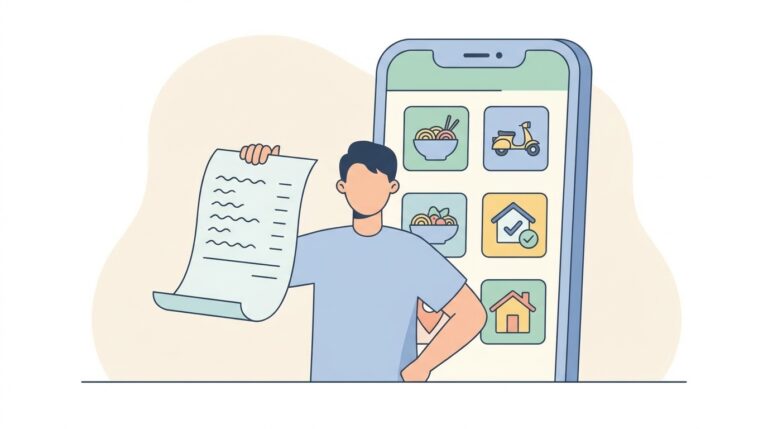
Phase 1: Welcome to the Insider’s View of Korea
Hello! I am the Lead Editor of Daily Hangul.
Imagine this: You are watching a K-Drama. The main character, usually a hardworking underdog, finds out that a massive corporation is selling defective products. Or perhaps you are a K-Pop fan, and you realize that concert ticket prices have skyrocketed overnight, or merchandise is being sold with a strict “Absolutely No Refunds” policy. You might think, “Wait, is that even legal?”
Welcome to the real world of Korean consumer rights. Today, we are not just learning language; we are diving deep into the Fair Trade Commission (공정거래위원회) and the vocabulary that empowers Korean consumers. At the C1 (Upper-Intermediate to Advanced) level, you need more than just “How much is this?” You need to know how to express dissatisfaction, identify unfair practices, and stand your ground against “갑질” (power trips).
This guide is based on real questions from expats who have lived, shopped, and fought for their rights in Korea. Let’s make sure you never get scammed!
Phase 2: Core Expressions Deep Dive
At the C1 level, your vocabulary needs to be sharp and precise. Here are the top 3 expressions you need when dealing with consumer rights.
1. 환불 불가 규정 (No-Refund Policy)
- Pronunciation: [hwanbul bulga gyujeong] Sounds like: hwan-bull bull-gah gyoo-jeong
- Meaning: Literal: Refund impossible regulation. Real nuance: The strict (and often illegal) “All Sales Are Final” clauses you see on Instagram shops or underground mall signs.
- K-Culture Moment: You buy a beautiful coat from an online shopping mall. When it arrives, the zipper is broken. You check the website, and it says in tiny letters: “흰 옷은 환불 불가” (White clothes are non-refundable). This is the exact moment Koreans take a screenshot and threaten to report the shop.
- Editor’s Insight: This phrase isn’t just a noun; it’s a trigger for consumer rage. When you say this, you usually pair it with “위법” (illegal) or “부당하다” (unfair).
- Situation Spectrum:
- Casual with friends (Complaining): ✅
- Speaking to Customer Service: ✅
- Speaking to your boss: ⚠️ (Unless you work in retail!)
- 🤔 Think About It: Why do so many small Korean online shops try to enforce “no-refund” policies despite them being illegal? How does the speed of Korean trend-cycles (Fast Fashion) affect seller behavior?
2. 허위 과대 광고 (False and Exaggerated Advertising)
- Pronunciation: [heowi gwadae gwanggo] Sounds like: huh-wee gwah-dae gwang-go
- Meaning: Literal: False excessive advertisement. Real nuance: Clickbait products, fake reviews, or products that promise to make you lose 10kg in 3 days.
- K-Culture Moment: You are scrolling through YouTube, and an influencer is promoting a diet jelly. Two months later, the news reveals the influencer secretly owned the company and the jelly is just sugar. The internet explodes with accusations of “허위 과대 광고.”
- Editor’s Insight: You can shorten this in casual speech to “과대 광고” (exaggerated ad). It carries a heavy, almost legal weight, making you sound highly educated when you use it.
- Situation Spectrum:
- Casual with friends: ✅
- Online comments/reviews: ✅
- Formal complaints: ✅
- 🤔 Think About It: Korea has some of the strictest advertising laws, especially for food and cosmetics. Does your country have a specific government body that monitors influencer sponsorships?
3. 담합 (Price-Fixing / Collusion)
- Pronunciation: [damhap] Sounds like: dahm-hahp (The ‘p’ is unreleased, close your lips sharply)
- Meaning: Literal: Agreement/Collusion. Real nuance: When companies secretly agree to keep prices high.
- K-Culture Moment: It’s a rainy Friday night. You want to order fried chicken. You open three different delivery apps, and suddenly, the delivery fee across all apps has jumped to 5,000 KRW. Koreans instantly suspect “담합” between the platforms.
- Editor’s Insight: This is a fantastic C1 vocabulary word. Using “담합” shows you understand Korean economics and news.
- Situation Spectrum:
- Discussing news with friends: ✅
- Professional business meetings: ✅
- Talking to the delivery driver: 🚫 (It’s not their fault!)
- 🤔 Think About It: In a highly tech-driven society where 3 major delivery apps control the market, how does “담합” affect the everyday citizen?
Phase 3: Textbook vs. Real Korean
Let’s upgrade your textbook Korean to native-level fluency.
[Situation 1: Discovering a fake review or scam ad]
* 📖 Textbook: 이 상품의 광고는 진실이 아닙니다. (This product’s advertisement is not the truth.)
* 🗣️ Real Korean: 이거 완전 낚시성 광고잖아요. 😡 (This is a total clickbait ad.)
* 💡 Why the difference?: “낚시” (fishing) is widely used as slang for bait-and-switch or clickbait. It reflects Korea’s hyper-connected internet culture where capturing attention is everything.
[Situation 2: Confronting an unfair “No Refund” rule]
* 📖 Textbook: 환불을 안 해주는 것은 법에 어긋납니다. (Not giving a refund is against the law.)
* 🗣️ Real Korean: 소비자 보호법상 환불 가능한데요? 공정위에 신고할게요. 📱 (Under the Consumer Protection Act, it’s refundable. I’ll report this to the FTC.)
* 💡 Why the difference?: Koreans are incredibly legally literate regarding consumer rights. Dropping the terms “소비자 보호법” (Consumer Protection Act) and “공정위” (FTC) immediately changes the seller’s attitude.
Phase 4: Cultural Context — K-Culture Deep Dive
4-1. Non-Verbal Nuance: The “Evidence Collector” Nunchi
When making a consumer complaint in Korea, raising your voice is amateurish. The ultimate power move? Calmly taking screenshots or recording the conversation. Saying “제가 알아본 바로는…” (From what I’ve looked into…) while looking directly at your phone shows you have done your research. Your Nunchi here is about asserting quiet, legal dominance rather than emotional anger.
4-2. The K-Pop Connection: The End of “Slave Contracts”
If you’ve been a K-Pop fan for over a decade, you might remember the infamous “노예계약” (slave contracts) where idols were bound to their agencies for 13+ years under terrible conditions. Who stepped in to fix this? The Fair Trade Commission (공정거래위원회).
The FTC created the “표준계약서” (Standard Contract), limiting idol contracts to a maximum of 7 years. So, when you hear about the “7-year curse” in K-Pop (when groups disband), you are actually witnessing Korean consumer and labor rights in action!
Phase 5: Real-Life Roleplay
Setting: Saturday afternoon, a trendy cafe in Yeonnam-dong. You are having coffee with your Korean coworker, Min-ji. She looks furious, aggressively tapping her phone screen.
Characters:
– YOU: An expat working in Seoul, fluent enough to navigate daily life and read the news.
– Min-ji (28): Your coworker. Loves online shopping but just got scammed.
Dialogue:
Min-ji: 아, 진짜 짜증 나! 이 쇼핑몰 완전 사기 아니야? 😤
(a, jinjja jjajeung na! i syopingmol wanjeon sagi aniya?)
[Ugh, so annoying! Isn’t this shopping mall a total scam?]
(🎭 Stage Direction: Min-ji shoves her phone in your face, showing a ripped sweater)
YOU: 헐, 옷이 왜 이래요? 환불해 달라고 했어요?
(heol, osi wae iraeyo? hwanbulhae dallago haesseoyo?)
[OMG, what’s wrong with the clothes? Did you ask for a refund?]
Min-ji: 당연히 했지! 근데 ‘세일 상품은 환불 불가’라고 약관에 써놨다면서 안 해준대.
(dangyeonhi haetji! geunde ‘seil sampumeun hwanbul bulga’rago yakgwane sseonatdamyeonseo an haejundae.)
[Of course I did! But they said ‘Sale items are non-refundable’ is in their terms, so they won’t do it.]
🔀 Your Turn! How do you respond?
– A) “아이고… 다음부터는 조심하세요.” (Oh well… be careful next time.)
– B) “야, 그거 불법이야. 공정거래위원회에 신고한다고 해!”
– C) “저한테 파세요. 제가 입을게요.”✅ Best Choice: B — “Hey, that’s illegal. Tell them you’ll report them to the Fair Trade Commission!” This is the exact C1-level advice a true Korean local would give.
⚠️ Choice A Analysis: A bit too passive. Koreans love to fight for their consumer rights together.
YOU: 야, 그거 불법이야. 공정거래위원회에 신고한다고 해!
(ya, geugeo bulbeopiya. gongjeonggeoraewiwonhoee singohandago hae!)
[Hey, that’s illegal. Tell them you’ll report them to the Fair Trade Commission!]
Min-ji: 그치? 내 말이! 진짜 별점 테러 하고 싶다니까.
(geuchi? nae mari! jinjja byeoljeom tereo hago sipdanikka.)
[Right? That’s what I’m saying! I seriously want to review-bomb them.]
YOU: 일단 소비자원에 구제 신청부터 해요. 캡처 다 해놨죠?
(ildan sobijaone guje sincheongbuteo haeyo. kaepcheo da haenwatjyo?)
[First, file a relief claim with the Consumer Agency. You took screenshots of everything, right?]
Min-ji: 당근이지. 내가 호갱인 줄 아나 봐.
(danggeuniji. naega hogaengin jul ana bwa.)
[Of course. They must think I’m a total sucker.]
Phase 6: 10-Second Shadowing Drill
Practice this sentence to sound like a legally-savvy Korean consumer! Pay attention to the pauses (/) and the tone.
😤 저기요, / 세일 상품이라고 / 환불 안 해주는 거, / 공정위 약관 위반이거든요?
(jeogiyo, / seil sampumirago / hwanbul an haejuneun geo, / gongjeongwi yakgwan wibanigeodeunyo?)
[Excuse me, / not giving a refund / just because it’s a sale item, / is a violation of FTC terms, you know?]
Phase 7: K-Culture Mini Dictionary
Here are 4 advanced cultural keywords related to today’s topic:
1. 공정위 (gongjeongwi)
* English: FTC (Fair Trade Commission)
* Context: The abbreviation for 공정거래위원회. The ultimate boss that protects consumers and penalizes monopolies in Korea.
2. 호갱 (hogaeng)
* English: Sucker / Gullible Customer
* Context: A portmanteau of 호구 (pushover) and 고객 (customer). Companies love them; consumers fear becoming one. “호갱 당했다” means you got ripped off.
3. 별점 테러 (byeoljeom tereo)
* English: Review Bombing
* Context: Literally “star-rating terror.” When consumers coordinate to give 1-star reviews to a business due to poor service or ethical issues (갑질).
4. 약관 (yakgwan)
* English: Terms and Conditions
* Context: The fine print you blindly agree to when signing up for Korean delivery or shopping apps.
Phase 8: Traveler’s Survival Kit
Even if you aren’t living in Korea long-term, tourist traps exist! Here is your survival kit for shopping in Dongdaemun, Myeongdong, or underground malls.
🆘 Survival Phrases for Shopping
– 🇰🇷 “영수증 꼭 챙겨주세요.” (yeongsujeung kkok chaenggyeojuseyo.) – Please make sure to give me the receipt. (Crucial for any refund).
– 🇰🇷 “이거 뜯으면 교환 안 되나요?” (igeo tteudeumyeon gyohwan an doenayo?) – If I open this, can I not exchange it?
– 🇰🇷 “정찰제인가요?” (jeongchalje-ingayo?) – Is this a fixed price? (Useful in markets to avoid getting overcharged).📌 Editor’s Travel Note
– Cash vs. Card: Korea is a cashless society. However, in underground clothing markets, sellers often offer a “cash discount” (현금할인).
– The “Tag” Rule: Never rip the tag off (택 제거) if you are even 1% unsure about keeping an item. Ripping the tag instantly voids your right to a refund in almost every store.
Phase 9: Critical Thinking — “One Step Deeper”
Language & Power: The Culture of 갑 (Gap) and 을 (Eul)
In Korean contract law, the party offering the contract/money is labeled “갑” (Alpha/A), and the party providing the service/labor is “을” (Beta/B). Historically, this created a massive power imbalance, leading to the infamous term “갑질” (Gapjil – Abuse of power by the superior party).
The Fair Trade Commission exists largely to protect the “을”—whether it’s an idol dealing with a massive agency, a small restaurant using a monopoly delivery app, or you, the consumer, fighting against a large corporation. The fact that “갑질” became a globally recognized term shows how deeply hierarchy is embedded into Korean socio-economics, but also how fiercely Koreans are fighting to dismantle it.
💬 Your Turn:
Does your language have a specific word for when a company or a boss abuses their systemic power over a customer or employee? Share it in the comments below!
Phase 10: FAQ & Avoiding Mistakes
Q: Can I use words like “사기” (scam) or “불법” (illegal) directly to a store clerk?
A: MAYBE, but use caution. While it’s effective online or with customer service, saying it directly to a part-time clerk (알바생) who has no power will just cause unnecessary conflict. Ask to speak to the manager first.
Q: I bought cosmetics, opened them, used them once, and broke out in a rash. Can I get a refund?
A: YES! Under Korean law, if you have a doctor’s note proving the cosmetic caused the reaction, the company must refund you, even if the product is opened.
❌ Common Mistake #1: Believing signs that say “교환/환불 절대 불가” (Absolutely no exchange/refunds).
✅ Do This Instead: By law, online purchases can generally be cancelled within 7 days for a simple change of mind (단순 변심), regardless of what the seller’s custom graphic says.
Phase 11: Summary & Action Items
One-Liner Summary: Empower yourself against unfair policies by knowing legal terms like 공정위 (FTC), 환불 규정 (Refund policies), and refusing to be a 호갱 (pushover)!
Action Mission:
– 🥉 Bronze: Say the Shadowing Drill sentence (Phase 6) 3 times out loud, channeling your inner K-Drama lawyer.
– 🥈 Silver: Next time you open a Korean app (like Kakao or Baemin), try to find the word “약관” (Terms) in the settings menu.
– 🥇 Gold: Use the term “과대 광고” when talking to a Korean friend about a viral product that didn’t work!
K-Culture Mission:
Look up a recent news article using the keyword “공정거래위원회 아이돌” (FTC Idol). You’ll be amazed at how often the government steps in to regulate K-Pop merchandise pricing and agency contracts!
Phase 12: Interactive Challenge Quiz
1. Situational Judgment: You ordered a jacket online. The zipper is broken, but the shop says “All white clothes are non-refundable.” What should you do?
– A) Throw the jacket away.
– B) Say: “소비자원 규정 위반 아닌가요? 신고하겠습니다.”
– C) Apologize for buying a white jacket.
2. Fill in the Blank:
어제 산 화장품, 완전 _______ 광고였어. 바르자마자 피부가 다 뒤집어졌어!
(The makeup I bought yesterday was a total ______ ad. My skin broke out immediately!)
– A) 담합
– B) 과대
– C) 공정위
3. True or False – K-Culture Edition:
If a Korean online store puts “No Refunds” in their terms and conditions, the FTC cannot help you because you agreed to the terms. (True / False)
(Answers: 1. B, 2. B, 3. False – The FTC invalidates unfair terms even if you agreed to them!)
Loved this lesson? Drop a comment below with your worst “호갱” experience, and let’s discuss how you could have used today’s expressions!
Frequently Asked Questions (FAQ)
Q: What does "환불 불가 규정 (No-Refund Policy)" mean in Korean and how do you pronounce it?
A: In Korean, "환불 불가 규정 (No-Refund Policy)" is pronounced [hwanbul bulga gyujeong] and means: Literal: Refund impossible regulation. Real nuance: The strict (and often illegal) "All Sales Are Final" clauses you see on Instagram shops or underground mall signs.
Q: What does "허위 과대 광고 (False and Exaggerated Advertising)" mean in Korean and how do you pronounce it?
A: In Korean, "허위 과대 광고 (False and Exaggerated Advertising)" is pronounced [heowi gwadae gwanggo] and means: Literal: False excessive advertisement. Real nuance: Clickbait products, fake reviews, or products that promise to make you lose 10kg in 3 days.
Q: What does "담합 (Price-Fixing / Collusion)" mean in Korean and how do you pronounce it?
A: In Korean, "담합 (Price-Fixing / Collusion)" is pronounced [damhap] and means: Literal: Agreement/Collusion. Real nuance: When companies secretly agree to keep prices high.







