

Phase 1: Empathy (The K-Culture Cold Open)
Hello! This is the Lead Editor of Daily Hangul.
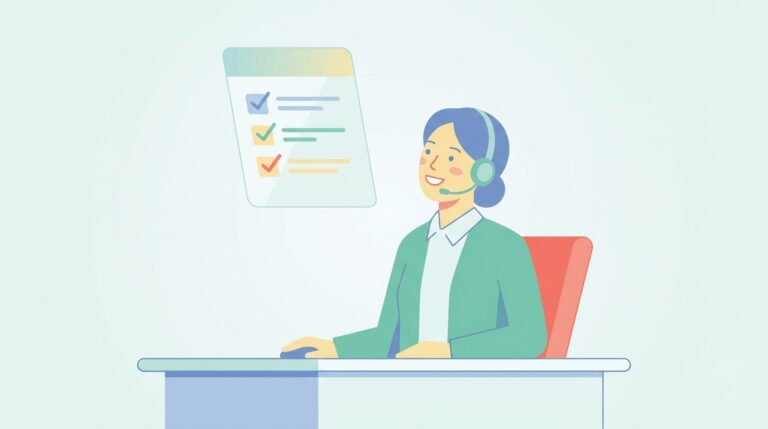
Picture this: You are watching a K-Drama (Fight for My Way or My Mister, perhaps?). The protagonist is wearing a headset, staring blankly at a cubicle wall. Through the earpiece, a customer is screaming so loudly you can hear it through the screen. Yet, our protagonist’s voice remains unnervingly calm, melodic, and hyper-polite.
Have you ever wondered why they sound completely different from when they talk to their friends in the next scene?
Welcome to the world of Korean Customer Service (CS) and Quality Assurance (QA). If you are a C1 learner aiming to work in Korea, manage a Korean team, or simply want to understand the extreme end of the Korean honorific system, you must understand ‘CS Korean.’ It’s not just a language; it’s a highly structured, heavily evaluated emotional armor. Call center agents are graded on their scripts, their empathy, and even the pitch of their voice.
Today, we aren’t just learning how to say ‘hello.’ We are going to decode the exact phrases QA managers look for, the societal weight behind them, and how you can navigate this complex linguistic landscape like a true insider. Let’s plug in.
Phase 2: Core Expressions Deep Dive
To pass a Korean Call Center QA evaluation, an agent must master the delicate balance of extreme politeness and emotional de-escalation.
1. 불편을 드려 대단히 죄송합니다.
- Pronunciation: [bulpyeoneul deuryeo daedanhi joesonghamnida] + [bool-pyeon-eul deu-ryeo dae-dan-hee jway-song-ham-nee-da]
- Meaning: I sincerely apologize for the inconvenience. (Literal: I am terribly sorry for giving you discomfort.)
- K-Culture Moment: This is the ultimate CS shield. In Korea, apologizing first in customer service is less about admitting legal liability and more about acknowledging the customer’s emotional distress. It’s the mandatory opening line for any complaint call.
- Editor’s Insight: The key here is 대단히 (sincerely/greatly). A simple ‘죄송합니다’ sounds dismissive to an angry Korean customer. You must elevate the apology to match their level of frustration.
- Situation Spectrum:
[🚫 Casual] ———— [⚠️ Semi-formal] ———— [✅ Formal/CS]
- Friends (Casual): 🚫 (You will sound like a robot.)
- Coworkers (Semi-formal): ⚠️ (Only if you made a massive, project-ruining mistake.)
- Customers/Clients (Formal): ✅
- 🤔 Think About It: In some Western cultures, corporate lawyers advise against saying ‘I’m sorry’ to avoid liability. Why do you think Korean corporate scripts mandate it as the very first step?
2. 번거로우시겠지만, ~해 주시겠습니까?
- Pronunciation: [beongeorousigetjiman, ~hae jusigetseumnikka] + [beon-geo-ro-oo-shee-get-jee-man, ~hae joo-shee-get-seum-nee-kka]
- Meaning: I know it’s a hassle, but could you please…
- K-Culture Moment: When an agent needs the customer to do something (like reboot a router or find a receipt number), they can’t just say ‘Please do X.’ They must preemptively validate the customer’s annoyance.
- Editor’s Insight: This phrase is pure magic. It softens any command into a humble request. QA managers love this because it prevents the customer from snapping back with, ‘Why do I have to do that?’
- Situation Spectrum:
[🚫 Casual] ———— [✅ Semi-formal] ———— [✅ Formal/CS]- 🤔 Think About It: Notice the ‘-시-‘ (honorific suffix) in ‘번거로우시겠지만’. The agent is elevating the customer’s feeling of annoyance. Is there a way to hyper-elevate someone’s feelings in your native language?
3. 아, 그러셨군요. 많이 속상하셨겠습니다.
- Pronunciation: [A, geureosyeotgunyo. Mani soksanghasyeotgetseumnida.] + [Ah, geu-reo-shyeot-goon-yo. Mah-nee sok-sang-ha-shyeot-get-seum-nee-da.]
- Meaning: Ah, I see. You must have been very upset.
- K-Culture Moment: This is the ‘Empathy Marker’ (공감어). In QA rubrics, agents literally lose points if they don’t use empathy markers before offering a solution.
- Editor’s Insight: It requires acting. You need to drag out the ‘아~’ slightly to sound genuine. If spoken too fast, it sounds like sarcastic mimicry.
- Situation Spectrum:
[🚫 Casual] ———— [✅ Semi-formal] ———— [✅ Formal/CS]
Phase 3: Textbook vs. Real Korean
Let’s see how textbook Korean transforms under the strict gaze of a CS QA Manager.
| Situation | 📖 Textbook Korean | 🗣️ Real CS Korean | 💡 Why is it different? |
|---|---|---|---|
| Asking to repeat | 안 들려요. 다시 말해 주세요. (I can’t hear you. Say it again.) | 고객님, 죄송하지만 다시 한번 말씀해 주시겠습니까? | Direct commands are considered rude; you must ask for permission to receive information. |
| Putting on hold | 잠시만 기다리세요. (Please wait a moment.) | 확인을 위해 잠시 대기해 주시겠습니까? | Explaining why they must wait prevents the customer from feeling abandoned. |
| Item is out of stock | 그 상품은 품절입니다. (That item is sold out.) | 죄송합니다만, 해당 상품은 현재 품절 상태입니다. | Softening the blunt reality with ‘죄송합니다만’ (I am sorry, but…) and using formal vocabulary (해당 상품). |
Bottom Note for C1 Learners: In CS, you never use ‘이거/저거’ (this/that). Always use ‘해당’ (the relevant) or ‘본’ (this) to refer to items, issues, or services.
Phase 4: Cultural Context — K-Culture Deep Dive
4-1. The Non-Verbal Secret: The ‘Sol’ (솔) Tone
Language isn’t just about words; it’s about pitch. In Korean call centers, agents are traditionally trained to speak in the ‘Sol’ tone (the G note on a musical scale). ‘Do-Re-Mi-Fa-Sol.’ Try it!
Why ‘Sol’? In Korean culture, a higher pitch conveys friendliness, youthfulness, and submission, whereas a lower pitch can sound authoritative or bored. If you ever call a Korean telecom company, notice how the agent’s voice suddenly jumps an octave when they answer the phone. QA managers actively monitor tone to ensure agents sound ‘smiling over the phone’ (전화 응대 미소).
4-2. The Shadow of ‘Gapjil’ (갑질) and Emotional Labor
In recent years, K-Dramas and news outlets have heavily spotlighted the dark side of CS: Gapjil (abuse of power by the customer). Because the language of CS is so submissive, some bad actors (블랙 컨슈머 – Black Consumers) exploit it to verbally abuse agents.
This led to a massive societal shift regarding Emotional Labor (감정노동). Today, when you call a Korean customer service center, before the phone even rings, you will hear an automated K-Pop star or a soothing voice say: ‘The person you are about to speak with is someone’s precious family member. Please treat them with respect.’ By law, agents are now permitted to hang up on abusive callers.
Phase 5: Interactive Roleplay Scenario
Setting: You are a QA (Quality Assurance) Manager at a major Korean e-commerce company. It’s Tuesday afternoon. You are sitting in a meeting room with Ji-eun, a junior call center agent, reviewing her call recordings.
Characters:
– YOU: The QA Manager. Fair, observant, C1-level Korean speaker.
– Ji-eun (24): A hardworking but stressed junior agent.
Dialogue:
Ji-eun: 매니저님, 방금 그 진상 고객님 콜, 제가 너무 당황해서 실수를 좀 한 것 같아요. ㅠㅠ
(Maenijeonim, banggeum geu jinsang gogaengnim kol, jaega neomu dangwanghaeseo silsureul jom han geot gatayo.)
[Manager, that difficult customer call just now… I panicked and think I made some mistakes.]
YOU: 괜찮아요, 지은 씨. 같이 녹취록 한 번 들어볼까요? 고객이 배송 지연 때문에 많이 화가 났었네요.
(Gwaenchanayo, Jieun ssi. Gachi nokchwirok han beon deureobolkkayo? Gogaegi baesong jiyeon ttaemune mani hwaga nasseonneyo.)
[It’s okay, Ji-eun. Shall we listen to the recording together? The customer was very angry about the delivery delay.]
(🎭 Stage Direction: You play the audio. The customer is yelling. Ji-eun responds on tape: “고객님, 주문하신 상품이 품절이십니다.”)
Ji-eun: 아… 저기서 제가 또 사물 존칭을 썼네요.
(Ah… jeogiseo jaega tto samul jonchingeul sseonneyo.)
[Ah… I used object honorifics there again.]
🔀 YOUR TURN! How do you give QA feedback as a manager?
– A) “맞아요. 물건한테 존댓말을 하면 안 되죠. 다음부터 주의하세요.”
– B) “네, 맞아요. 당황하면 그럴 수 있어요. ‘상품이 품절되었습니다’로 수정하는 게 좋겠어요.”
– C) “지은 씨, 기초적인 문법을 틀리면 어떡해요?”✅ Best Choice: B — Reason: It’s constructive and models the correct behavior. Option A is a bit blunt for modern Korean office dynamics. Option C is Gapjil (abusive leadership)!
YOU: 네, 맞아요. 당황하면 그럴 수 있어요. ‘상품이 품절되었습니다’로 수정하는 게 좋겠어요. 그래도 공감어는 아주 잘 썼어요.
(Ne, majayo. Dangwanghamyeon geureol su isseoyo. ‘Sangpumi pumjeoldoeeotseumnida’ro sujeonghaneun ge jokesseoyo. Geuraedo gonggameoneun aju jal sseosseoyo.)
[Yes, that’s right. It happens when you panic. It would be better to correct it to ‘The product is sold out’. Still, you used empathetic words very well.]
Ji-eun: 감사합니다! 다음번엔 ‘번거로우시겠지만’ 쿠션어도 꼭 넣어서 응대해 볼게요!
(Gamsahamnida! Daeumbeneun ‘beongeorousigetjiman’ kusyeoneodo kkok neoeoseo eungdaehae bolgeyo!)
[Thank you! Next time, I’ll be sure to use the cushion word ‘Although it’s a hassle’ when I respond!]
Phase 6: 10-Second Shadowing Drill
Let’s practice speaking like a top-tier agent. Pay attention to the pauses (/) and keep your tone high and polite!
😊 고객님, / 많이 불편하셨겠습니다. / 제가 / 신속히 / 확인해 드리겠습니다.
(gogaengnim, / mani bulpyeonhasyeotgetseumnida. / jaega / sinsokhi / hwagine deurigetseumnida.)
[Customer, you must have been very inconvenienced. I will check on this swiftly for you.]
Phase 7: K-Culture Mini Dictionary
| Korean | Romanization | English | Context |
|---|---|---|---|
| 진상 (고객) | jinsang | Unreasonable/difficult customer | Slang for a highly demanding, often abusive customer. |
| 쿠션어 | kusyeoneo | Cushion words | Softening phrases like ‘죄송하지만’ (I’m sorry but) used to lessen the blow of a request or bad news. |
| 사물 존칭 | samul jonching | Object honorifics | A common grammatical error in CS where agents apply honorifics to objects instead of people (e.g., “Your coffee has come out-sir”). |
| 감정노동 | gamjeongnodong | Emotional labor | The psychological toll of managing one’s emotions to fulfill the requirements of a job, a massive topic in Korean CS. |
Phase 8: Traveler Survival Kit (CS Call Edition)
Even as a traveler, you might need to call a hotel, airline, or the 1330 Korea Travel Helpline. If the Korean agent’s CS vocabulary is too advanced, use these lifesavers:
🆘 Survival Phrases for Calling CS in Korea
– 🇰🇷 “외국인 상담원 연결 부탁드립니다.” (oegugin sangdamwon yeongyeol butakdeurimnida)
– 🗣️ Pronunciation: [Weh-gook-in sang-dam-won yeon-gyeol boo-tak-deu-rim-nee-da]
– 📍 Meaning: Please connect me to a foreign language-speaking agent.
– 🇰🇷 “예약 번호 불러드릴까요?” (yeyak beonho bulleodeurilkkayo?)
– 📍 Meaning: Shall I read you my reservation number?📌 Editor’s Travel Note
– When dealing with text-based customer service (like KakaoTalk chatbots for airlines or delivery apps), the language is slightly less hyper-polite but highly structured. Always have your order/reservation number ready before chatting!
Phase 9: Critical Thinking Corner — “One Step Deeper”
Language & Power (언어와 권력)
🧠 Think Deeper:
The language of Korean Call Centers perfectly illustrates the concept of linguistic asymmetry. The agent uses the absolute highest level of honorifics (하십시오체) combined with extreme humbling vocabulary (저, 저희, 모시겠습니다). Conversely, angry customers often drop down to casual speech (반말) to assert dominance. However, modern Korean society is actively pushing back against the “Customer is King” (손님은 왕이다) mentality. New laws mandate recording calls to protect agents, and companies are tweaking their scripts to sound professional rather than subservient. The language is slowly shifting from a master-servant dynamic to a B2B consulting dynamic.💬 Your Turn: Does customer service language in your culture sound different from everyday language? Do agents use a “customer service voice”? Share your thoughts in the comments!
Phase 10: FAQ & Common Mistakes
Q: Can I use these CS phrases to show extreme respect to my boss?
No! This is a classic C1 mistake. If you tell your boss, “불편을 드려 대단히 죄송합니다,” it sounds incredibly robotic, sarcastic, or like you are resigning from the company. Stick to “죄송합니다. 다음부터 주의하겠습니다.”
Q: What is the deal with ‘Object Honorifics’ (사물 존칭)?
This is a hyper-correction phenomenon. Because agents are terrified of not being polite enough, they mistakenly apply honorifics to items.
❌ Common Mistake: “고객님, 사이즈가 없으십니다.” (Customer, the size is not existing-sir.)
✅ Correct Way: “고객님, 사이즈가 없습니다.” (The size does not exist.)
Phase 11: Summary & Action Items
One-Liner Summary: Mastering Korean CS language means understanding the delicate balance between structural extreme politeness (cushion words) and emotional protection (empathy markers).
Action Mission:
– 🥉 Bronze: Say the shadowing drill sentence aloud 3 times, focusing on keeping a friendly ‘Sol’ tone.
– 🥈 Silver: Search YouTube for “콜센터 진상” (Call center difficult customers) to hear the stark contrast between the customer’s and the agent’s Korean.
– 🥇 Gold: Call a Korean service hotline (like a telecom or airline) just to listen to the automated intro message about protecting workers from emotional labor.
Phase 12: Interactive Quiz
1. Situational Judgment: An agent is reviewing their QA score. Which of the following sentences would cause them to LOSE points for improper grammar (사물 존칭)?
– A) 고객님, 환불 처리가 완료되었습니다.
– B) 고객님, 주문하신 커피 나오셨습니다.
– C) 고객님, 많이 번거로우시겠지만 확인 부탁드립니다.
2. True or False – K-Culture Edition:
In modern Korea, call center agents are legally required to endure verbal abuse from customers until the customer hangs up.
(Answers: 1. B – You cannot use ‘나오셨습니다’ for coffee, as coffee is an object. 2. False – Laws have been enacted allowing agents to terminate abusive calls to protect them from emotional labor.)
Frequently Asked Questions (FAQ)
Q: What does "불편을 드려 대단히 죄송합니다." mean in Korean and how do you pronounce it?
A: In Korean, "불편을 드려 대단히 죄송합니다." is pronounced [bulpyeoneul deuryeo daedanhi joesonghamnida] and means: I sincerely apologize for the inconvenience. (Literal: I am terribly sorry for giving you discomfort.)
Q: What does "번거로우시겠지만, ~해 주시겠습니까?" mean in Korean and how do you pronounce it?
A: In Korean, "번거로우시겠지만, ~해 주시겠습니까?" is pronounced [beongeorousigetjiman, ~hae jusigetseumnikka] and means: I know it’s a hassle, but could you please...
Q: What does "아, 그러셨군요. 많이 속상하셨겠습니다." mean in Korean and how do you pronounce it?
A: In Korean, "아, 그러셨군요. 많이 속상하셨겠습니다." is pronounced [A, geureosyeotgunyo. Mani soksanghasyeotgetseumnida.] and means: Ah, I see. You must have been very upset.







