

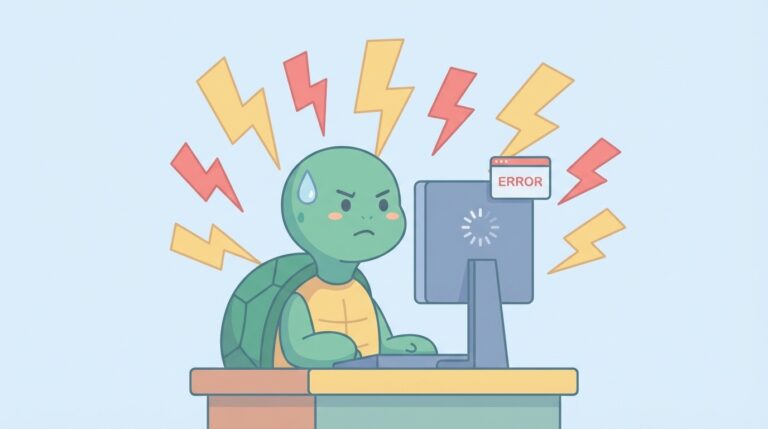
Phase 1: Immersive Hook
Hello! Daily Hangul Editor here. 👋
Imagine this: You are at a PC Bang (gaming cafe) in Seoul. You are about to book tickets for your favorite K-Pop idol’s concert. The clock hits 8:00 PM. You click “Reserve.”
And then… the spinning wheel of death appears. 🔄
Your heart races. Your palms sweat. 3 seconds pass. To a Korean, these 3 seconds feel like 3 years. Suddenly, someone next to you slams their mouse and sighs deeply, “Ah, dapdaphae!”
Welcome to the world of “Palli-palli” (Hurry-hurry) culture. In Korea, speed isn’t just a convenience; it’s a virtue. And a slow internet connection? That’s not just an inconvenience—it’s an emergency. Today, we’re going to learn how to express that specific frustration like a true local.
Phase 2: Deep Dive into Key Expressions
1. 답답해 (Dapdaphae)
- Pronunciation: [dap-dap-hae] (Think of ‘Top’ but with a D, and ‘hae’ like ‘hair’ without the r)
- Meaning:
- Literal: Stuffy / Suffocating
- Real Nuance: Frustrating / “I feel like my chest is blocked”
- K-Culture Moment: In K-Dramas, when the main character is misunderstood or things aren’t moving forward, they might thump their chest with a fist. That physical feeling is dapdaphae.
- Editor’s Insight: This isn’t just for slow internet. You can use it when a room is unventilated, or when a friend is being indecisive about a lunch menu. It’s about a lack of “flow.”
- Situation Spectrum:
[🚫 Formal Boss] ———— [⚠️ Colleagues] ———— [✅ Friends]
(Use “Dapdap-hamnida” for formal situations, but complaining about speed to a boss is risky!) - 🤔 Think About It: Why do Koreans connect emotional frustration with the physical sensation of being “stuffy” or “suffocating”? Does your language have a word that mixes physical and emotional feelings?
2. 렉 걸렸어 (Lek geollyeosseo)
- Pronunciation: [lek gol-lyeo-sseo]
- Meaning: It’s lagging / It’s glitching
- Origin: “Lek” comes from the English word “Lag” + “Geollida” (to catch/get).
- K-Culture Moment: Watch any Korean gaming streamer on Twitch or YouTube. If their screen freezes even for a millisecond, they will shout this. It is the enemy of every gamer.
- Editor’s Insight: This is pure Konglish excellence. It’s mostly used for electronics (phones, PCs), not for slow people.
- Situation Spectrum:
[🚫 Formal Meeting] ———— [✅ Colleagues] ———— [✅ Friends]
3. 속 터져 (Sok teojyeo)
- Pronunciation: [sok tuh-jyeo]
- Meaning:
- Literal: My insides are exploding.
- Real Nuance: I am extremely frustrated (more intense than dapdaphae).
- Editor’s Insight: Use this when the Wi-Fi cuts off right before the climax of a movie. It implies you are holding back anger and it’s about to burst inside you.
- Situation Spectrum:
[🚫 Elders/Boss] ———— [⚠️ Close Colleagues] ———— [✅ Friends]
Phase 3: Textbook vs. Real Life
| Situation | 📖 Textbook Korean | 🗣️ Real Korean | 💡 Why the difference? |
|---|---|---|---|
| Internet is slow | 인터넷 속도가 느려요. (Internet speed is slow.) |
아, 왜 이렇게 느려? (Ah, why is it so slow?) |
Koreans react emotionally to speed. It’s a complaint, not just a statement. |
| The video stopped | 영상이 멈췄어요. (The video stopped.) |
헐, 렉 걸림. (Heol, it’s lagging.) |
Shortened slang (Geollim instead of Geollyeosseo) fits the fast internet culture. |
| Page won’t load | 페이지가 안 열려요. (The page isn’t opening.) |
아… 안 뜨네. (Ah… it’s not popping up.) |
‘뜨다’ (to float/pop up) is the visual verb used for screens loading. |
Phase 4: Cultural Deep Dive
4-1. Non-verbal Communication: The “Refresh” Ritual
When a page is slow, a Korean doesn’t just wait. Watch their hand. They will likely be hitting the F5 key or dragging their mobile screen down to refresh repeatedly. If you see a Korean staring at a phone, sighing, and rapidly tapping the screen, do not disturb them. They are fighting an invisible battle.
4-2. K-Culture Connection: “Piket-ting” (피켓팅)
This word combines “Blood” (Pi) and “Ticketing.” It refers to the bloody war of buying concert tickets (BTS, Blackpink, IU) online. In this context, internet speed determines your destiny. If your internet is slow during Piket-ting, you don’t just lose a ticket; you lose the chance to see your bias. The phrase “Sok teojyeo” was practically invented for this moment.
Phase 5: Immersive Roleplay Scenario
Setting: A trendy cafe in Hongdae on a Sunday afternoon. It’s packed. You are trying to upload a video to Instagram, but the loading bar is stuck at 99%.
Characters:
* YOU: A study-abroad student trying to share your life.
* Minji: Your Korean friend (24), very impatient but helpful.
(Dialogue)
You: (Staring at phone) Ah… it’s not working again.
Minji: 왜? 와이파이 안 돼? 📶
(Wae? Waipai an dwae?)
[Why? Is the Wi-Fi not working?]
You: Yeah, look at this. It’s stuck at 99%.
Minji: 아, 진짜 답답해! 😤 새로고침 해봐.
(Ah, jinjja dapdaphae! Saerogochim haebwa.)
[Ah, seriously frustrating! Try refreshing it.]
You: I did! It’s still spinning.
Minji: 여기 사람 너무 많아서 그래. 렉 걸린 거야.
(Yeogi saram neomu manaseo geurae. Lek geollin geoya.)
[It’s because there are too many people here. It’s lagging.]
🔀 Your Turn! How do you react?
- A) “Ah, sok teojyeo! I give up.”
- B) “Internet speed is very slow.”
- C) “Sajangnim (Owner)! Fix the internet!”
✅ Best Choice: A) This shows you truly understand the emotion of the situation. Minji will instantly empathize with you.
⚠️ Analysis of C: In a busy cafe, shouting at the owner for Wi-Fi speed is considered rude unless you ask politely.
Phase 6: 10-Second Shadowing Drill
Read this aloud with the emotion tag!
- 😤 (Frustrated): 아 / 왜 이렇게 / 느려?
(Ah / wae ireoke / neuryeo?) - 🥺 (Whining): 와이파이 / 진짜 / 안 터져요…
(Waipai / jinjja / an teojyeoyo…) -> Note: ‘An teojida’ means the signal isn’t ‘bursting’ (working). - 😵 (Give up): 아 / 렉 걸려서 / 아무것도 / 못 해.
(Ah / lek geollyeoseo / amugeotdo / mot hae.)
Phase 7: K-Culture Glossary
| Word | Romanization | Meaning | Context |
|---|---|---|---|
| 피켓팅 | Piket-ting | Blood Ticketing | Intense competition for concert tickets online. |
| 광클 | Gwang-keul | Crazy Clicking | Clicking the mouse incredibly fast to secure a spot. |
| 새로고침 | Saerogochim | Refresh (F5) | The act of reloading a page to update information. |
| 5G | O-ji | 5G Network | Korea was the first to commercialize 5G. Speed is pride. |
Phase 8: Traveler’s Survival Kit
Situation: You are at a cafe/hotel and the Wi-Fi is acting up.
🆘 Survival Phrases
1. “Waipai bibin-beonho mwoyeyo?” (What is the Wi-Fi password?)
* Tip: Usually written on the receipt or a small stand on the counter.
2. “Waipai-ga an dwaeyo.” (The Wi-Fi isn’t working.)
3. “Deiteo-ga neuryeoyo.” (The data is slow.)📌 Editor’s Travel Note
Korea has some of the world’s fastest public Wi-Fi. If it’s slow, usually it means you are connected to a generic open network (like ‘Public WiFi Free’) instead of the specific store’s secure network. Always look for the lock icon 🔒 network!
Phase 9: Think Deeper — “Why so fast?”
Topic: Infrastructure & Impatience
Korea’s “Palli-palli” culture and internet speed are deeply connected. Korea developed rapidly from poverty to an economic powerhouse in just a few decades. This created a social atmosphere where speed equals survival and success. The internet infrastructure was built to support this efficiency.
🧠 Think Deeper:
Does a faster internet connection make life happier, or just more stressful because we expect immediate results? How does the speed of technology affect your patience in daily life?
Phase 10: FAQ & Troubleshooting
- Q: Can I say “Sok teojyeo” to my teacher if the class video is lagging?
- No! That is too emotional and slangy. Say “Yeongsang-i kkeunkyeoyo” (The video is cutting out/buffering) instead. It’s polite and objective.
- Q: What if I don’t have a Korean phone number for verification?
- Many Korean websites require phone identity verification. This is the ultimate dapdaphae moment for foreigners. Look for “Email Verification” options or use global versions of apps (like Global Interpark).
- ❌ Common Mistake: Pronouncing “Wi-Fi” as [Wai-Fai].
- ✅ Correction: Koreans pronounce it closer to [Wai-Pai]. The ‘F’ sound is often softer, sounding like a ‘P’.
Phase 11: Wrap-up & Action Mission
One-Liner: When the internet lags, don’t just wait—sigh dramatically and say “Dapdaphae!”
Your Mission:
* 🥉 Bronze: Say “Ah, dapdaphae” next time a YouTube video buffers.
* 🥈 Silver: Find a K-Drama scene where a character is frustrated with technology and post the timestamp in the comments.
* 🥇 Gold: Go to a Korean PC Bang (if possible) or a cafe, and if the net is slow, mutter “Wae ireoke neuryeo?” softly. See if anyone nods in agreement!
Phase 12: Quiz — Interactive Challenge
1. Situation: You are playing a game with a Korean friend and your character freezes.
* A) “Ah, internet is slow.” (Too formal)
* B) “Ah! Lek geollyeosseo!” (Perfect!)
* C) “Sugo-hasyeosseumnida.” (Means ‘Good job’ – wrong context)
2. True or False?
* “It is polite to ask the cafe owner to reset the router immediately during lunch rush.”
* Answer: False. Use your Nunchi! If they are busy, wait or use your data.
💬 Did you enjoy this lesson? Tell us about your country’s internet speed in the comments! Is it ‘Palli-palli’ or ‘Cheoncheonhi’ (slowly)?
Frequently Asked Questions (FAQ)
Q: What does "답답해 (Dapdaphae)" mean in Korean and how do you pronounce it?
A: In Korean, "답답해 (Dapdaphae)" is pronounced [dap-dap-hae] and means: Literal: Stuffy / Suffocating
Q: What does "렉 걸렸어 (Lek geollyeosseo)" mean in Korean and how do you pronounce it?
A: In Korean, "렉 걸렸어 (Lek geollyeosseo)" is pronounced [lek gol-lyeo-sseo] and means: It's lagging / It's glitching
Q: What does "속 터져 (Sok teojyeo)" mean in Korean and how do you pronounce it?
A: In Korean, "속 터져 (Sok teojyeo)" is pronounced [sok tuh-jyeo] and means: Literal: My insides are exploding.







