

Surviving the Korean Boardroom: Mastering K-REACH & Deregulation Slang
### Phase 1: Immersive Hook
Hello! I’m your Daily Hangul Editor.
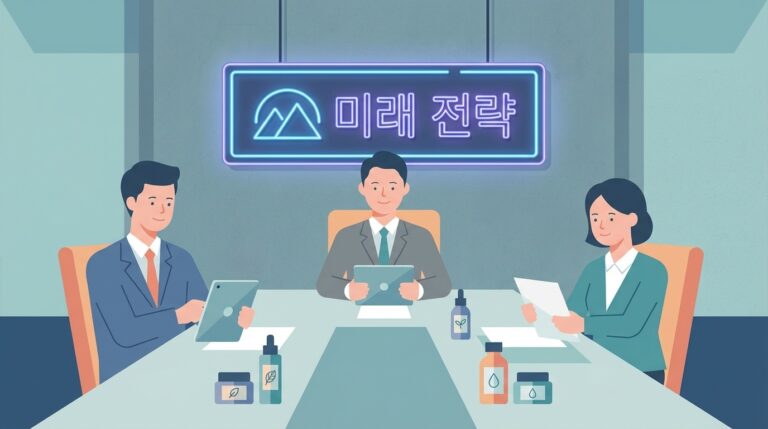
Picture this: You’re watching a tense K-Drama about a chaebol family running a massive K-Beauty empire (think Itaewon Class meets Queen of Tears). The CEO slams his fist on the mahogany table. “Why is the new lip tint line delayed again?!” he roars. The nervous compliance officer adjusts his glasses and stammers, “D-due to the environmental regulations, sir… The chemical registration process takes months.”
Suddenly, the news breaks: The government is relaxing the regulations. The gloomy office instantly transforms into a scene of chaotic celebration.
If you’re working in Korea, doing business with Korean companies, or just want to understand the high-stakes dialogue in corporate K-Dramas, understanding environmental regulations—specifically 화평법 (K-REACH) and 규제 완화 (deregulation)—is your ultimate C2-level flex. Knowing these terms elevates you from a standard language learner to an insider who truly understands the pulse of Korean industry. Let’s dive into the boardroom!
—
### Phase 2: Deep Dive (Key Expressions)
> ### 1. 화평법 (K-REACH)
>
> – Pronunciation: [hwapyeong-beop] (Sounds like: hwa-pyung-bop)
> – Meaning: Literal: Act on the Registration and Evaluation, etc. of Chemicals. / Real nuance: The dreaded, complex chemical regulation law (K-REACH).
> – K-Culture Moment: In corporate settings, especially in K-Beauty or manufacturing, this word is usually preceded by a deep, heavy sigh. It’s the ultimate bureaucratic hurdle.
> – Editor’s Insight: Koreans love abbreviating long, complex laws. The full name is 화학물질의 등록 및 평가 등에 관한 법률. By taking the first few syllables, it becomes Hwapyeong-beop. Knowing these abbreviations shows you have native-level social awareness.
> – Situation Spectrum:
> [🚫 절대 금지] ———— [⚠️ 주의] ———— [✅ 자유롭게]
> – Casual (Friends): ⚠️ (They might not know what it is unless they work in the industry)
> – Semi-formal (Coworkers): ✅
> – Formal (Boss/Clients): ✅
> – 🤔 Think About It: Why does Korean corporate culture rely so heavily on abbreviations (줄임말)? Does saving three syllables really save that much time, or is it a way to create an “in-group” of experts?
> ### 2. 규제 완화
>
> – Pronunciation: [gyuje wanhwa] (Sounds like: gyoo-jeh wahn-hwa)
> – Meaning: Literal: Regulation relaxation. / Real nuance: Deregulation; the green light to move fast.
> – K-Culture Moment: You’ll see this plastered across Korean news tickers (자막) on YTN or KBS News when the government wants to boost the economy.
> – Editor’s Insight: Gyuje (규제) means regulation, and Wanhwa (완화) means to soften or alleviate. It’s a formal Sino-Korean (Hanja) word, but it’s thrown around constantly in daily office conversations.
> – Situation Spectrum:
> [🚫 절대 금지] ———— [⚠️ 주의] ———— [✅ 자유롭게]
> – Casual: ✅
> – Semi-formal: ✅
> – Formal: ✅
> – 🤔 Think About It: In many Western countries, “deregulation” can be a controversial political topic. In Korea’s export-driven economy, it’s often universally praised in the business sector as a heroic act. How is the concept of “business regulation” viewed in your culture?
> ### 3. 탁상행정
>
> – Pronunciation: [taksang-haengjeong] (Sounds like: tak-sang-hang-jung)
> – Meaning: Literal: Desk administration. / Real nuance: Unrealistic, out-of-touch bureaucracy (armchair administration).
> – K-Culture Moment: When coworkers go out for drinks (회식) and start complaining about government rules that look good on paper but ruin actual business operations.
> – Editor’s Insight: This is a fantastic C2-level idiom. It criticizes politicians or officials who make rules while sitting at their desks (탁상), without knowing how things work in the real world.
> – Situation Spectrum:
> [🚫 절대 금지] ———— [⚠️ 주의] ———— [✅ 자유롭게]
> – Casual/Coworkers: ✅ (Great for bonding over shared frustration)
> – Formal/Clients: ⚠️ (Be careful not to sound too cynical or criticize their connections)
> ### 4. 숨통이 트이다
>
> – Pronunciation: [sumtong-i teuida] (Sounds like: soom-tong-ee too-ee-dah)
> – Meaning: Literal: The windpipe opens. / Real nuance: To finally have room to breathe; a massive relief from pressure.
> – K-Culture Moment: The protagonist in a drama finally pays off their massive debt, looks up at the sky, and exhales deeply.
> – Editor’s Insight: Use this when a huge project is over, or when a strict regulation like Hwapyeong-beop is relaxed. It perfectly captures the physical sensation of stress leaving your body.
—
### Phase 3: Textbook vs Real Life
| Situation | 📖 Textbook Korean | 🗣️ Real Korean (Business Casual) | 💡 Why the Difference? |
|—|—|—|—|
| Hearing about deregulation | 정부가 화학물질 규제를 완화했습니다. (The government relaxed chemical regulations.) | 아, 드디어 화평법 규제 풀렸네요! (Ah, the K-REACH regulation is finally lifted!) | “풀리다” (to be untied/lifted) is the natural, conversational way to say a law was relaxed. |
| Complaining about paperwork | 이 절차는 너무 비효율적입니다. (This process is too inefficient.) | 이거 완전 탁상행정 아니에요? (Isn’t this total armchair administration?) | Using idioms like 탁상행정 builds emotional solidarity and shows advanced cultural fluency. |
| Expressing relief | 이제 문제를 해결할 수 있습니다. (Now we can solve the problem.) | 와, 이제야 좀 숨통이 트이네요. (Wow, now we can finally breathe.) | Koreans emphasize physical/emotional sensations (windpipe opening) to express situational relief. |
—
### Phase 4: Cultural Deep Dive
#### 4-1. Non-verbal Communication: The Corporate “Sigh”
When discussing environmental regulations like K-REACH, words aren’t enough. You must master the “Corporate Sigh.” Before saying “화평법 때문에…” (Because of K-REACH…), look down at your documents, take a slow, slightly audible breath in, and let out a heavy sigh. This signals Nunchi (눈치)—showing your boss that you understand the gravity of the bureaucratic pain they are feeling.
#### 4-2. K-Culture Connection: Fast Cosmetics vs. Fatal History
Why is K-REACH (화평법) such a big deal? It ties directly into the K-Beauty industry and a tragic piece of modern Korean history.
Korean cosmetics are famous for their “Pali-Pali” (빨리빨리 – hurry up) culture. Brands release new lip tints, serums, and sunscreens every few weeks to catch micro-trends. However, in 2011, Korea suffered a horrific “Humidifier Disinfectant Tragedy” where unregulated toxic chemicals caused severe casualties. In response, the government created Hwapyeong-beop (K-REACH), one of the strictest chemical registration laws in the world.
Today, the industry is caught in a tug-of-war. The public demands absolute safety, while K-Beauty and tech firms beg for 규제 완화 (deregulation) to stay globally competitive. When you mention 화평법 to a Korean colleague, you aren’t just talking about paperwork; you are tapping into a profound national narrative balancing safety and speed.
—
### Phase 5: Immersive Roleplay
#### Scenario A: The Gangnam Boardroom BBQ
Setting: Friday, 7 PM. A premium Korean BBQ restaurant near Gangnam Station. The air is thick with the smell of roasting pork belly (삼겹살) and the clinking of Soju glasses. You are a foreign compliance manager at a major K-Beauty firm. You are sitting with your team leader, Kim.
Characters:
– YOU: Expat compliance manager. You know your stuff.
– Team Leader Kim (45, M): Stressed, overworked, but currently in a great mood because of today’s news.
Dialogue:
Team Leader Kim: 자자, 한 잔씩 받으세요! 오늘 진짜 기분 좋은 날입니다. 🍻
(Jaja, han janssik badeuseyo! oneul jinjja gibun joeun narimnida.)
(Come on, let me pour you all a drink! Today is a truly great day.)
(🎭 Stage Direction: Kim pours Soju into your glass with a massive grin)
YOU: 팀장님, 오늘 뉴스 보셨군요?
(Timjangnim, oneul nyuseu bosyeotgunyo?)
(Team Leader, you saw the news today, didn’t you?)
Team Leader Kim: 그럼요! 드디어 환경부에서 화평법 규제 완화한다고 발표했잖아요.
(Geureomyo! Deudieo hwangyeongbueseo hwapyeongbeop gyuje wanhwahandago balpyohaetjanayo.)
(Of course! The Ministry of Environment finally announced the relaxation of K-REACH regulations.)
Team Leader Kim: 아휴, 그동안 그놈의 탁상행정 때문에 신제품 출시 밀리고… 진짜 피 말랐는데.
(Ahyu, geudongan geunomui taksang-haengjeong ttaemune sinjepum chulsi milligo… jinjja pi mallanneunde.)
(Sigh, all this time new product launches were delayed because of that damn armchair administration… My blood was literally drying up.)
> 🔀 Your Turn! How do you respond to Team Leader Kim?
>
> – A) “네, 규제가 완화되어 우리 회사의 수익이 증가할 것입니다.” (Yes, the deregulation will increase our company’s profits.)
> – B) “그러게요! 이제야 좀 숨통이 트이네요. 오늘 고기는 제가 굽겠습니다!” (I know, right! Now we can finally breathe a little. I’ll grill the meat today!)
> – C) “탁상행정 진짜 개짜증나요! 환경부 망해라!” (Armchair administration is so freaking annoying! Screw the Ministry of Environment!)
> ✅ Best Choice: B — It uses the perfect empathetic idiom (숨통이 트이다) and demonstrates excellent Korean workplace etiquette by offering to grill the meat (a sign of respect and teamwork).
> ⚠️ Choice A Analysis: Grammatically flawless, but sounds like a robot reading a textbook. Not suitable for a BBQ joint.
> 🚫 Choice C Analysis: Way too aggressive and uses slang (개짜증나요) that is highly inappropriate in front of a boss.
—
### Phase 6: 10-Second Shadowing Drill
Let’s practice the contrasting tones of a stressed corporate worker vs. a relieved one. Pay attention to the pauses (/) and emotions!
😤 Stressed: 아휴… / 그놈의 탁상행정 때문에 / 미치겠어요.
(Ahyu… / geunomui taksang-haengjeong ttaemune / michigesseoyo.)
(Sigh… I’m going crazy because of that damn armchair administration.)
😊 Relieved: 와! / 규제가 풀려서 / 이제야 좀 / 숨통이 트이네요!
(Wa! / gyujega pullyeoseo / ijeya jom / sumtong-i teuineyo!)
(Wow! The regulations are lifted, so I can finally breathe now!)
—
### Phase 7: K-Culture Glossary
| Korean | Romanization | English | Context |
|—|—|—|—|
| 눈치 | nunchi | Social sense / tact | The ability to read the room. Crucial when discussing sensitive corporate issues. |
| 회식 | hoesik | Company dinner | Where the real business decisions and bonding happen after hours. |
| 식약처 | sigyakcheo | MFDS (Ministry of Food and Drug Safety) | The FDA of Korea. A very common acronym in K-Beauty and K-Food. |
| 빨리빨리 | ppalli-ppalli | Hurry, hurry! | The driving philosophy behind Korea’s hyper-fast corporate culture. |
| 진입 장벽 | jinip jangbyeok | Barrier to entry | High regulations create a high jinip jangbyeok for foreign companies. |
—
### Phase 8: Traveler’s Survival Kit (Expat/Business Edition)
Even if you aren’t a CEO, if you are traveling to Korea for a conference, exhibition, or business meeting regarding K-Beauty or tech, you need these.
> 🆘 Survival Expressions for Business Travelers
> – 🇰🇷 “이 제품은 한국 규제를 통과했나요?” (I jepumeun hanguk gyujereul tonggwahaennayo?)
> – 🗣️ English meaning: Has this product passed Korean regulations?
> – 📍 Where to use: Trade shows (COEX, KINTEX), factory tours.
>
> – 🇰🇷 “관련 서류를 이메일로 보내주시겠어요?” (Guallyeon seoryureul imeillo bonaejusigesseoyo?)
> – 🗣️ English meaning: Could you email me the related documents?
> – 📍 Where to use: Wrapping up a meeting.
> 📌 Editor’s Business Travel Note
> – Business Cards: Always give and receive business cards (명함) with two hands. Take a moment to read it before putting it away.
> – Titles Matter: Never call a Korean partner just by their first name unless explicitly told to. Always use their title (e.g., 김 팀장님 – Team Leader Kim).
—
### Phase 9: Think Deeper — Language & Power
🧠 Think Deeper: The Gatekeeping of Hanja Acronyms
In Korean society, laws, medical terms, and corporate jargon are heavily based on complex Hanja (Sino-Korean characters). Terms like Hwapyeong-beop (화평법) or Gyuje Wanhwa (규제 완화) aren’t just vocabulary; they act as a linguistic “barrier to entry” (진입 장벽). By using highly condensed, formal language, bureaucrats and corporate executives create an exclusive club of experts. If you can fluently navigate this jargon, you aren’t just speaking Korean—you are breaking through a glass ceiling and proving you belong in the room where decisions are made.
💬 Your Turn: Does your native language have a specific “corporate jargon” or legal language that excludes everyday people? How do you feel about it? Let me know in the comments!
—
### Phase 10: FAQ & Troubleshooting
Q: Can I use “탁상행정” (armchair administration) to a government official?
A: Absolutely NO. 🚫 This is a highly critical term. It is used behind the backs of the rule-makers, among colleagues who share your pain. Saying it to an official is a direct insult to their competence.
Q: Is it okay to complain about regulations during my first meeting with a Korean partner?
A: Maybe, but tread lightly. ⚠️ Korean business culture values harmony initially. Wait until the relationship is established (perhaps during the second round of drinks at a hoesik) before diving into industry complaints.
> ❌ Common Mistake #1: Saying “법이 쉬워졌어요” (The law became easy) to mean deregulation.
> ✅ Do This Instead: Use “규제가 완화됐어요” (Regulations were relaxed) or “규제가 풀렸어요” (Regulations were lifted). Laws don’t become “easy” in Korean; they become relaxed or untied.
—
### Phase 11: Wrap-up & Action Items
✨ One-Liner Summary: To survive the Korean boardroom, trade your textbook phrases for industry slang like Hwapyeong-beop and Gyuje Wanhwa, and learn to exhale your stress like a true native!
🚀 Action Mission 3-Steps:
– 🥉 Bronze (Solo): Stand in front of a mirror, do the “corporate sigh,” and say, “아휴… 이제 숨통이 좀 트이네요.”
– 🥈 Silver (Online): Go to a Korean news site (like Naver News) and search for “규제 완화”. Read the headline of the first article you see.
– 🥇 Gold (Real World): The next time you finish a massive, stressful task at work or school, turn to your Korean friend/colleague and declare that your “windpipe has opened” (숨통이 트이다).
—
### Phase 12: Interactive Quiz 🏆
Q1. Situational Judgment: Your K-Beauty startup finally got approval to sell a new cosmetic product after months of dealing with K-REACH. What is the most natural thing to say to your co-founder?
A) 환경부 탁상행정 감사합니다. (Thank you for the Ministry’s armchair administration.)
B) 와, 이제야 좀 숨통이 트이네! (Wow, now we can finally breathe!)
C) 화평법이 정말 재미있네요. (K-REACH is really fun.)
Q2. Fill in the Blank:
정부가 경제를 살리기 위해 ______(deregulation)를 발표했습니다.
Q3. True or False — K-Culture Edition:
In Korean corporate culture, complaining about strict industry regulations during a team dinner (회식) is considered highly inappropriate and will get you fired. (T/F)
(Scroll down for answers!)
.
.
.
Answers:
1. B (A is sarcastic and unnatural, C is just weird!)
2. 규제 완화 (Gyuje wanhwa)
3. False (F). Complaining about external hurdles like regulations or “탁상행정” during a hoesik is actually a common way to bond with your team and build solidarity!
***
Did you enjoy today’s deep dive into Korean corporate culture? Drop a comment below with your thoughts on deregulation in your country, or tell us which K-Drama boardroom scene is your favorite! See you tomorrow on Daily Hangul! 👋
Frequently Asked Questions (FAQ)
Q: What does "규제 완화" mean in Korean and how do you pronounce it?
A: In Korean, "규제 완화" is pronounced [deregulation] and means: —is your ultimate C2-level flex. Knowing these terms elevates you from a standard language learner to an insider who truly understands the pulse of Korean industry. Let’s dive into the boardroom!
Q: What does "규제 완화" mean in Korean and how do you pronounce it?
A: In Korean, "규제 완화" is pronounced [deregulation] and means: to stay globally competitive. When you mention 화평법 to a Korean colleague, you aren't just talking about paperwork; you are tapping into a profound national narrative balancing safety and speed.






