

Phase 1: Introduction
Greeting: 안녕하세요! This is your Lead Editor at Daily Hangul.
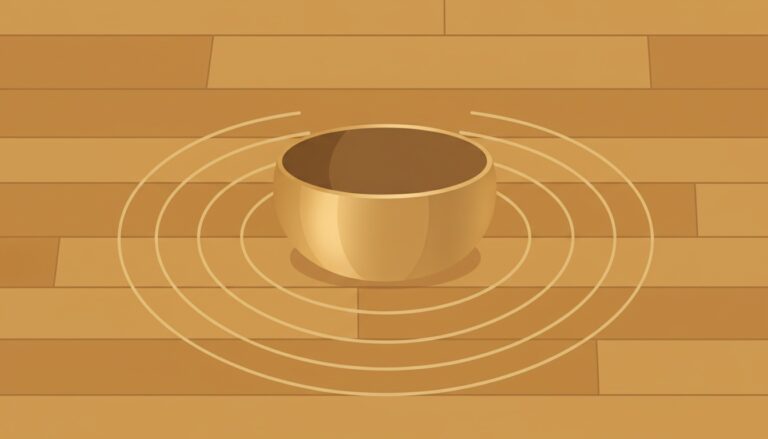
Imagine this: You are at a premium wellness center in Seoul or perhaps a quiet Temple Stay program in the mountains. The instructor strikes a brass bowl—a Singing Bowl. A deep, resonant sound fills the room.
At this C1 level, simply saying “좋아요 (It’s good)” or “편안해요 (It’s comfortable)” doesn’t quite cut it anymore, does it? You want to express how that sound vibrates through your bones or how it clears the mental clutter accumulated from city life.
Today, we are going deep. We will learn how to articulate the subtle, sensory experiences of Singing Bowl Meditation (싱잉볼 명상) and Healing (힐링). These expressions will make you sound less like a tourist and more like a local seeking deep inner peace.
(Transparency Note: These phrases are curated from real feedback sessions with our advanced learners who struggled to express abstract feelings in Korean.)
Phase 2: Deep Dive into Core Expressions
Here are the top 3 expressions to describe the sensation of sound and healing.
1. 온몸으로 파동이 느껴져요
- Pronunciation: [On-mo-meu-ro pa-dong-i neu-kkyeo-jyeo-yo]
- Sound-alike: “On” like on-off + “mom” (body) + “Pa-dong” (sounds like ‘Pa’ in Papa + ‘dong’ like a bell).
- Meaning:
- Literal: I feel the waves with my whole body.
- Real Nuance: “The vibrations are resonating through my entire being.”
- Editor’s Insight: This is the hallmark of C1 Korean. You aren’t just hearing sound (소리); you are feeling the wave/vibration (파동). Use this when the sound is physical, not just auditory.
- Situation Check: Perfect for talking to the instructor or a friend after the session. (Polite/Formal)
2. 마음이 정화되는 기분이에요
- Pronunciation: [Ma-eu-mi jeong-hwa-doe-neun gi-bun-i-e-yo]
- Sound-alike: “Jeong-hwa” (sounds like ‘Jung’ in Jungle + ‘hwa’ like hwa-t?).
- Meaning:
- Literal: It feels like my mind is being purified.
- Real Nuance: “I feel mentally cleansed/detoxed.”
- Editor’s Insight: 정화 (Purification/Catharsis) is a powerful word. Koreans love the concept of emotional “detox.” It implies washing away stress, bad memories, or anger.
- Situation Check: Suitable for deep conversations or feedback forms. (Polite)
3. 잡생각이 싹 사라졌어요
- Pronunciation: [Jap-saeng-ga-gi ssak sa-ra-jyeo-sseo-yo]
- Sound-alike: “Jap” (like Job) + “Saeng-gak” (thought) + “Ssak” (sharp sound like a broom sweeping).
- Meaning:
- Literal: Miscellaneous thoughts completely disappeared.
- Real Nuance: “All the clutter in my head just vanished.”
- Editor’s Insight: 잡생각 (Japsaenggak) refers to those trivial, annoying, distracting thoughts. The adverb 싹 (ssak) adds emphasis, implying a clean sweep. This is a very natural, high-level native expression.
- Situation Check: Very common in both casual and polite speech.
Phase 3: Textbook vs. Real Life
At the C1 level, we move from “correct” to “sophisticated.”
| Textbook Korean (Correct but stiff) | Real Korean (Natural & Evocative) |
|---|---|
| 소리가 아주 맑아요. (The sound is very clear.) | 소리가 영혼을 울리는 것 같아요. (It feels like the sound resonates with my soul.) |
| 스트레스가 풀렸어요. (Stress was relieved.) | 묵은 체증이 내려가는 느낌이에요. (It feels like old indigestion is clearing up – idiomatic for deep relief.) |
| 명상에 집중했어요. (I focused on meditation.) | 완전히 몰입할 수 있었어요. (I was able to become completely immersed.) |
Bottom Note: usage of “묵은 체증” is a high-level idiom. Use it, and Koreans will ask if you’ve lived there for 10 years!
Phase 4: Cultural Context & Manners
The Culture of “Healing” (힐링)
In Korea, “Healing” isn’t just a medical term; it’s a lifestyle trend. It refers to emotional restoration. When you attend a singing bowl session, silence is golden.
Noonchi (눈치) Tip: The Post-Meditation Silence
After the session ends, don’t speak immediately. Koreans often sit in silence for another minute to absorb the energy (기운). Breaking this silence too abruptly with “That was great!” shows a lack of Noonchi. Instead, bow slightly with your hands together (hapjang – 합장) to the instructor before speaking softly.
Phase 5: Real-Life Scenario (Roleplay)
Setting: Inside a dimly lit meditation studio in Gangnam, just after a session finishes.
Characters: Alex (C1 Learner), Instructor (Korean meditation expert).
Instructor: (Softly) 오늘 세션 어떠셨나요? 불편한 곳은 없으셨나요?
(How was today’s session? Did you feel uncomfortable anywhere?)
Alex: (Speaking slowly) 아니요, 정말 좋았습니다. 싱잉볼 소리가 온몸을 감싸는 듯한 느낌이었어요.
(No, it was really good. It felt like the sound of the singing bowl was wrapping around my whole body.)
Instructor: 소리의 파동을 잘 느끼셨군요. 표정이 한결 편안해 보이세요.
(You felt the vibrations of the sound well. Your expression looks much more relaxed.)
Alex: 네, 요즘 머리가 복잡했는데, 잡생각이 싹 사라지고 마음이 정화된 기분이에요.
(Yes, my head was complicated [full of thoughts] lately, but the clutter is gone, and I feel purified.)
Instructor: 그게 바로 이 명상의 핵심입니다. 자주 오세요.
(That is the core of this meditation. Please come often.)
Phase 6: 10-Second Shadowing Drill
Read this aloud to practice your emotional delivery and pausing.
“눈을 감고 소리에 집중하니까 / 복잡했던 머릿속이 / 고요해지는 걸 느꼈어요.”
- Intonation Guide:
- 눈을 감고 소리에 집중하니까 (Rising intonation -> anticipation)
- / (Pause for effect)
- 복잡했던 머릿속이 (Slight stress on ‘복잡’)
- / (Short pause)
- 고요해지는 걸 느꼈어요. (Falling intonation -> calm release)
Phase 7: FAQ & Troubleshooting
Q: Can I use the word ‘정화 (Purification)’ in a casual setting?
A: Yes, but it’s dramatic. If you eat a really fresh salad after days of greasy food, you can jokingly say “몸이 정화되는 기분이야!” (I feel like my body is being purified!). In meditation, it’s literal and serious.
Q: Is it rude to fall asleep during the Singing Bowl session?
A: Generally, no. Instructors often say sleep is a form of healing. You can say: “너무 편안해서 저도 모르게 잠들 뻔했어요.” (It was so comfortable I almost fell asleep without realizing it.)
Phase 8: Wrap-up
One-Liner Summary:
Don’t just say “good”; use words like 파동 (vibration), 정화 (purification), and 잡생각 (clutter thoughts) to describe deep healing.
Action Mission:
Next time you listen to calm music or visit a quiet cafe, try writing a one-line diary entry in Korean: “이 음악을 들으니 마음이 정화되는 기분이다.” (Listening to this music, I feel my mind is being purified.)
Tell me in the comments:
What is your favorite way to get “Healing” (힐링) in Korea? A cafe, a massage, or meditation?
Phase 9: Pop Quiz
1. Which word best describes “random, distracting thoughts” that you want to get rid of?
A) 생각 (Saeng-gak)
B) 아이디어 (Idea)
C) 잡생각 (Jap-saeng-gak)
2. How do you say “I feel the vibration”?
A) 소리가 들려요 (I hear the sound)
B) 파동이 느껴져요 (I feel the wave/vibration)
C) 진동이 울려요 (The vibration rings – technically okay, but B is more poetic for meditation)
3. True or False:
After a meditation session, it is considered polite to immediately clap your hands loudly to show appreciation.
(Answers: 1. C | 2. B | 3. False – Silence and a small bow are preferred.)
Frequently Asked Questions (FAQ)
Q: What does "온몸으로 파동이 느껴져요" mean in Korean and how do you pronounce it?
A: In Korean, "온몸으로 파동이 느껴져요" is pronounced [On-mo-meu-ro pa-dong-i neu-kkyeo-jyeo-yo] and means: a key conversational Korean expression covered in this lesson.
Q: What does "마음이 정화되는 기분이에요" mean in Korean and how do you pronounce it?
A: In Korean, "마음이 정화되는 기분이에요" is pronounced [Ma-eu-mi jeong-hwa-doe-neun gi-bun-i-e-yo] and means: a key conversational Korean expression covered in this lesson.
Q: What does "잡생각이 싹 사라졌어요" mean in Korean and how do you pronounce it?
A: In Korean, "잡생각이 싹 사라졌어요" is pronounced [Jap-saeng-ga-gi ssak sa-ra-jyeo-sseo-yo] and means: a key conversational Korean expression covered in this lesson.






