

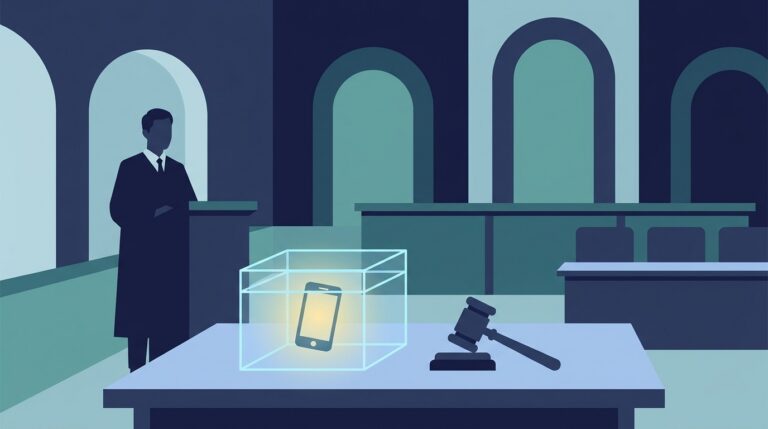
Phase 1: Why One Missing Invitation Can Wreck a High-Stakes Prosecution
안녕하세요! 매일한글 에디터입니다. (Annyeonghaseyo! Maeil Hangeul editeo-imnida. — Hello! I’m the Daily Hangul editor.) Have you ever binged a tense K-legal thriller like Stranger and cheered when a prosecutor snatched a villain’s phone, only to freeze when the defense lawyer suddenly yells about “참여권 (chamyeogwon)” and gets the whole chat log thrown out? Even TOPIK Level 6 learners tell us Korean forensic procedure feels like an alien language! As someone who once misheard “위수증 (wisujeung)” as a medical certificate, I get it. Based on real advanced learner feedback, today’s guide unlocks Korea’s exclusionary rule and right to attend forensic imaging so you’ll never miss a legal plot twist again.
Phase 2: Top 3 Core Expressions Deep Dive
1. 참여권을 실질적으로 보장하다 (Chamyeogwoneul siljiljeogeuro bojanghada)
- Pronunciation: cham-yeo-gwon-eul sil-jil-jeog-eu-ro bo-jang-ha-da — Picture “chahm-yuh-gwun” rolling into “seal-jeal-juhk-eu-ro,” where “sil-jil” sounds crisp like saying “seal-jeal” fast, and “bo-jang” lands like “bow-jahng.”
- Meaning: Literally “to substantively guarantee the right of participation.” In real legal practice, it means investigators cannot just send a half-hearted text five minutes before cloning a phone—they must give the suspect or counsel genuine notice, time, and physical/procedural access to watch the entire forensic process.
- K-Culture Moment: Think of that iconic courtroom showdown in Extraordinary Attorney Woo or Stranger (비밀의 숲) where the defense team exposes a prosecution investigator who cloned a suspect’s cloud backup at 2 a.m. without notifying counsel, shattering the prosecution’s star evidence on the spot.
- Editor’s Insight: Notice the adverb 실질적으로 (siljiljeogeuro — substantively) rather than 형식적으로 (hyeongsikjeogeuro — formally). Korean Supreme Court precedents hate empty box-ticking; if the investigator asks you to sign a waiver (
포기서 / pogiseo) under pressure without explaining what is being imaged, that participation right was not substantively guaranteed.- Situation Spectrum: Casual 🚫 / Semi-formal ⚠️ / Formal ✅
- 🤔 Think About It: In Anglo-American common law, physical search warrants often focus on the moment of seizure at the door. Why do you think South Korea’s courts treat a digital device’s later forensic lab imaging as an ongoing extension of the search itself?
2. 위법수집증거 배제법칙과 그 예외 (Wibeopsujipjeunggeo baejebeopchikgwa geu yeoe)
- Pronunciation: wi-beop-su-jip-jeung-geo bae-je-beop-chik-gwa geu ye-oe — “Wee-bup-soo-jeep” flows tightly into “jung-guh,” while “bae-je” sounds like “bay-jeh” and “ye-oe” glides like “yeh-weh.”
- Meaning: Literally “the exclusionary rule for illegally collected evidence and its exceptions.” It refers to Article 308-2 of Korea’s Criminal Procedure Act, which bars unlawfully gathered data, alongside the narrow Supreme Court exceptions when minor procedural flaws do not violate core due process.
- K-Culture Moment: In legal dramas like Law School or Juvenile Justice, sharp law professors love grilling students on whether a minor warrant typo ruins an entire murder case—testing whether the court should prioritize due process (
적법절차 / jeokbeopjeolcha) or substantive truth (실체적 진실 / silchejeok jinsil).- Editor’s Insight: At Level 6, you’ll hear lawyers debate the 비례의 원칙 (biryeui wonchik — principle of proportionality). Even if evidence looks crooked, Korean judges ask: Was this a deliberate rights violation, or an unavoidable tiny slip in an urgent investigation? However, skipping forensic attendance rights almost never gets an exception pass!
- Situation Spectrum: Casual 🚫 / Semi-formal ⚠️ / Formal ✅
- 🤔 Think About It: Compare this to the US “good-faith exception” or “inevitable discovery.” Does your native legal culture lean toward protecting strict procedural rules at all costs, or letting truthful evidence survive minor technicalities?
3. 포렌식 이미징 복제 및 선별 압수 (Porensik imijing bokje mit seonbyeol apsu)
- Pronunciation: po-ren-sik i-mi-jing bok-je mit seon-byeol ap-su — “Po-ren-seek” sounds like English “forensic” with a punchy “p,” followed by “bohk-jeh” (like “boke-jeh”) and “sun-byul ahp-soo.”
- Meaning: Literally “forensic imaging duplication and selective seizure.” Because a smartphone holds your entire life, Korean investigators usually image the whole drive into a bit-stream copy first, then must filter and seize only files relevant to the warrant (
관련성 있는 정보 / gwallyeonseong inneun jeongbo).- K-Culture Moment: Picture a tense scene in Hyena or The Veil where investigators sit next to a defense attorney at the Digital Forensics Center, typing search keywords into an encrypted drive while the lawyer yells whenever they click a personal folder outside the warrant’s date range.
- Editor’s Insight: Watch the magic word 선별 (seonbyeol — selective). If an investigator grabs your entire 256GB phone dump and reads unrelated messages to hunt for a new crime (
별건 수사 / byeolgeon susa), the Supreme Court slams the door shut and voids admissibility.- Situation Spectrum: Casual 🚫 / Semi-formal ⚠️ / Formal ✅
- 🤔 Think About It: Because Koreans live on all-in-one apps like KakaoTalk that mix business, banking, and family gossip in one chat list, how difficult is it in practice to separate “relevant” from “private” data?
Phase 3: Textbook Korean vs. Real Korean
Even advanced learners sound like translated legal statutes if they rely purely on textbook phrasing. Here is how Korean attorneys, prosecutors, and legal commentators actually talk behind the scenes.
Situation 1: Challenging a flawed forensic extraction during a case strategy meeting
- 📖 Textbook Korean: 피압수자의 참여권이 실질적으로 보장되지 않았으므로 해당 디지털 증거는 증거능력이 없습니다. (Piapsujaui chamyeogwoni siljiljeogeuro bojangdoeji anasseumeuro haedang dijiteol jeunggeoneun jeunggeoneungnyeogi eopseumnida. — Because the searchee’s right to attend was not substantively guaranteed, the relevant digital evidence lacks admissibility.)
- 🗣️ Real Korean: 이거 참여권 패싱하고 통째로 뜬 거라, 공판 가면 위수증으로 바로 날아갈 사안이에요. (Igeo chamyeogwon paesinghago tongjjaero tteun geora, gongpan gamyeon wisujeungeuro baro naragal saanieyo. — Since they skipped attendance rights and cloned the whole thing, this is getting tossed out right away as illegally obtained evidence once we hit trial.)
- 💡 Why the difference? Real Korean legal pros love brisk shorthand and vivid verbs! 위수증 (wisujeung) abbreviates 위법수집증거, 패싱하다 (paesinghada) borrows “passing/skipping,” and 통째로 뜨다 (tongjjaero tteuda) vividly means “to copy/dump the whole drive wholesale,” while 날아가다 (naragada — fly away) means getting thrown out of court.
Situation 2: Evaluating whether the prosecution can salvage evidence under an exception
- 📖 Textbook Korean: 수사기관의 절차적 위법이 경미하여 적법절차의 본질적 내용을 침해하지 않았다면 예외적으로 증거능력이 인정될 수 있습니다. (Susagigwanui jeolchajeok wibeobi gyeongmihayeo jeokbeopjeolchaui bonjiljeok naeyongeul chimhaehaji anatdamyeon yeoejeogeuro jeunggeoneungnyeogi injeongdoel su itseumnida. — If the investigative agency’s procedural violation is minor and did not infringe upon the essential content of due process, admissibility may be exceptionally recognized.)
- 🗣️ Real Korean: 절차 하자가 있긴 한데, 판례상 예외 법리로 살려줄 만한 수준인지 쟁점이 치열할 거예요. (Jeolcha hajaga itgin hande, pallyesang yeoe beomnino sallyeojul manhan sujuninji jaengjeomi chiyeolhal geoyeyo. — There’s definitely a procedural defect, so it’s going to be a fierce battle over whether case law exceptions can rescue it.)
- 💡 Why the difference? Instead of repeating long statutory clauses, fluent speakers use 절차 하자 (jeolcha haja — procedural defect) and 살려주다 (sallyeojuda — literally ‘save/keep alive’) to describe whether a judge will rescue shaky evidence under 예외 법리 (yeoe beomli — exception doctrine).
Phase 4: K-Culture Deep Dive & Non-Verbal Manners
4-1. Nunchi (눈치) & Gestures in the Forensic Lab
If you ever step into a forensic review room (포렌식 참관실 / porensik chamgwansil) in Korea—or act out a courtroom scene—your body language speaks before your Korean does. Korean investigative culture values composed, razor-sharp nunchi over theatrical table-slamming.
* Posture & Gaze: Sit upright with a notebook and pen ready. Keep your eyes locked on the forensic monitor during 해시값 확인 (haesigap hwagin — hash value verification) and keyword filtering. Never look distracted on your own phone—it signals you are waiving active oversight.
* The Polite Pause Gesture: Rather than shouting “Objection!” aggressively, Korean counsel often raise an open palm slightly at chest level and say calmly, “잠깐만요, 수사관님. 이 파일은 영장 기재 범죄사실과 무관한 것 같은데요. (Jamkkanmanyo, susagwannim. I paireun yeongjang gijae beomjoesasilgwa mugwanhan geot gateundeyo. — One moment, Investigator. This file appears unrelated to the criminal facts stated in the warrant.)” Keeping your tone cool yet immovable forces the investigator to note your objection in the 참관 조서 (chamgwan joseo — attendance record).
4-2. Cultural Code Analysis: Why Korea Obsesses Over Digital Due Process
If you watch Stranger (비밀의 숲) or The Devil Judge, you might wonder why Korean dramas spend entire episodes arguing over a USB stick or a forensic copy. There is deep history here! Following South Korea’s democratization and the landmark 2007 Criminal Procedure Act overhaul, courts became fiercely protective against past practices where agencies seized everything first and fished for charges later (별건 수사 / byeolgeon susa). Add Korea’s hyper-connected KakaoTalk culture—where a single phone contains 10 years of work contracts, medical chats, and family photos—and you can see why the Korean Supreme Court treats excluding improperly imaged data as a vital shield for everyday citizens’ privacy.
Phase 5: Real-Life Roleplay Scenario
Setting & Characters
- Location: The Digital Forensics Lab inside the Seoul Central District Prosecutors’ Office. Cool white fluorescent lights hum above a dual-monitor workstation.
- Investigator Choi (최 수사관): Polite but eager to finish imaging a suspect’s smartphone before lunch.
- Attorney Lee (이 변호사 — Your Role): Defense counsel for the suspect, determined to protect every ounce of your client’s participatory rights.
Dialogue
- Investigator Choi:
🎭 Adjusts glasses and taps the imaging software icon.변호사님, 바쁘실 텐데 파일 복제는 저희가 알아서 진행하고 나중에 결과만 보여드리면 안 될까요? (Byeonhosanim, bappeusil tende pail bokjeneun jeohuiga araseo jinhaenghago najunge gyeolgwaman boyeodeurimyeon an doelkkayo? — Counsel, since you must be busy, couldn’t we just handle the file duplication ourselves and show you the results later?) - Attorney Lee:
🎭 Smiles politely while opening a legal pad and clicking a pen.말씀은 감사하지만, 복제 전 과정에 대한 참여권이 실질적으로 보장되어야 하니 처음부터 끝까지 참관하겠습니다. (Malsseumeun gamsahajiman, bokje jeon gwajeonge daehan chamyeogwoni siljiljeogeuro bojangdoeeoya hani cheoeumbuteo kkeutkkaji chamgwanhagetseumnida. — I appreciate the thought, but since the right to attend must be substantively guaranteed throughout the entire duplication process, I will observe from start to finish.) - Investigator Choi:
🎭 Sighs softly and plugs in the write-blocker cable.알겠습니다. 그럼 원본 매체에서 이미지 파일 생성부터 시작하겠습니다. 해시값도 같이 확인하시죠. (Algetseumnida. Geureom wonbon maecheeseo imiji pail saengseongbuteo sijakhagetseumnida. Haesigapdo gachi hwaginhasiyo. — Understood. Then we’ll begin generating the image file from the original media. Let’s verify the hash value together as well.) - Attorney Lee:
🎭 Leans forward, noting the alphanumeric string carefully.네, 해시값 일치 여부 확인했고요. 이제 선별 압수 단계에서 영장 범위 내 파일만 추출하는지 보겠습니다. (Ne, haesigap ilchi yeobu hwaginhaetgoyo. Ije seonbyeol apsu dangyeeseo yeongjang beomwi nae pailman chuchulhaneunji bogetseumnida. — Yes, I’ve verified the hash value match. Now I’ll watch whether only files within the warrant’s scope are extracted during selective seizure.) - Investigator Choi:
🎭 Types a broad keyword and starts opening a personal KakaoTalk folder from three years ago.어, 이 대화방은 혐의 기간 이전 거긴 한데, 맥락 파악을 위해 일단 다 출력해 두겠습니다. (Eo, i daehwabangeun hyeomui gigan ijeon geogin hande, maengnak paageul wihae ildan da chullyeokhae dugesseumnida. — Oh, this chat room predates the alleged offense period, but I’ll print it all out for now just to grasp the context.) - Attorney Lee:
🎭 Raises an open hand calmly to pause the mouse click.잠깐만요. 영장에 기재된 범죄사실과 무관한 정보까지 통째로 출력하시면 위법수집증거에 해당합니다. (Jamkkanmanyo. Yeongjange gijaedoen beomjoesasilgwa mugwanhan jeongbokkaji tongjjaero chullyeokhasimyeon wibeopsujipjeunggeoe haedanghamnida. — Hold on. If you print out data unrelated to the criminal facts listed in the warrant wholesale, that constitutes illegally obtained evidence.) - Investigator Choi:
🎭 Pauses the cursor, looking slightly defensive.아니, 사소한 절차적 흠결일 뿐이지 예외 법리로 충분히 증거능력이 인정될 수 있는 부분 아닙니까? (Ani, sasohan jeolchajeok heumgyeoril ppuniji yeoe beomnino chungbunhi jeunggeoneungnyeogi injeongdoel su inneun bubun animnikka? — Wait, isn’t that just a minor procedural flaw where admissibility can easily be recognized under the exception doctrine?) - Attorney Lee:
🎭 Maintains steady, unwavering eye contact.관련성 없는 별건 정보를 임의로 탐색·출력하는 건 적법절차의 본질적 내용을 침해하는 행위라 예외가 인정되기 어렵습니다. (Gwallyeonseong eomneun byeolgeon jeongboreul imuiro tamsaek chullyeokhaneun geon jeokbeopjeolchaui bonjiljeok naeyongeul chimhaehaneun haengwira yeoega injeongdoegi eoryeopseumnida. — Arbitrarily searching and printing unrelated extraneous data infringes upon the essential content of due process, so an exception is unlikely to be granted.)
🔀 Interactive Branching Point
Later, Investigator Choi says he needs to take the cloned hard drive back to another team’s office overnight without your client present to run an extra automated script. What do you say?
* A) “괜찮습니다, 내일 아침에 결과만 메일로 보내 주세요.” (Gwaenchanseumnida, naeil achime gyeolgwaman meillo bonae juseyo. — “That’s fine, just email me the results tomorrow morning.”)
* B) “참여권 포기 의사가 전혀 없으니, 추가 탐색 시 반드시 피압수자와 변호인에게 사전 통지해 주시고 참관 조서에 이의를 기재해 주세요.” (Chamyeogwon pogi uisaga jeonhyeo eopseuni, chuga tamsaek si bandeusi piapsujawa byeonhoinege sajeon tongjihae jusigo chamgwan joseoe iuireul gijaehae juseyo. — “We have zero intent to waive attendance rights, so please give prior notice to both the searchee and counsel for any additional search, and record our objection in the attendance log.”)
* C) “당장 당직 판사한테 전화해서 수사관님 직권남용으로 고소할 겁니다!” (Dangjang dangjik pansahante jeonhwahaeseo susagwannim jikgwonnamyongeuro gosohal geomnida! — “I’m calling the duty judge right now and suing you for abuse of authority!”)
- Feedback:
- A (Bad): Oops! You just accidentally signaled an implicit waiver, making it way harder to challenge the evidence later as a rights violation.
- B (Best): Flawless Level 6 legal Korean! Calm, authoritative, and creates a rock-solid paper trail (
참관 조서 / chamgwan joseo) showing zero waiver of participatory rights. - C (Risk): Too hostile for Korean legal etiquette! Threats can backfire and derail cooperative documentation; formal record-keeping is far sharper than yelling.
Phase 6: 10-Second Emotional Shadowing Drill
Read these aloud in one breath, hitting the / pauses with sharp native cadence!
[😤 Firmly & Authoritatively]
참여권이 보장되지 않은 / 압수·수색 절차는 / 명백한 위법입니다.
(Chamyeogwoni bojangdoeji aneun / apsu-susaek jeolchaneun / myeongbaekhan wibeobimnida. — A search and seizure procedure where the right to attend is not guaranteed is a clear illegality.)-
[🧐 Skeptically & Sharp]
단순한 절차 위반이 아니라 / 적법절차의 본질을 / 침해한 사안이에요.
(Dansunhan jeolcha wibani anira / jeokbeopjeolchaui bonjireul / chimhaehan saanieyo. — This isn’t a mere procedural slip; it’s a case that infringed upon the essence of due process.) -
[😌 Calmly & Persuasively]
실체적 진실 발견만큼이나 / 피압수자의 방어권 보호도 / 중요하지 않겠습니까?
(Silchejeok jinsil balgyeonmankeumina / piapsujaui bangeogwon bohodo / jungyohaji anketseumnikka? — Isn’t protecting the searchee’s right of defense just as important as discovering substantive truth?)
Phase 7: K-Culture Mini Dictionary
- 해시값 (Haesigap) | Hash value | Think of it as a digital fingerprint! In Korean trials and news reports, prosecutors and lawyers constantly check whether the pre- and post-imaging hash values match to prove zero tampering (
무결성 / mugyeolseong). - 별건 압수 (Byeolgeon apsu) | Seizure of evidence for an unrelated crime | Huge buzzword in Korean politics and K-dramas! If police get a warrant for tax fraud, find a hidden folder about insider trading, and grab it without a fresh warrant, defense lawyers cry byeolgeon apsu!
- 선별 압수 (Seonbyeol apsu) | Selective seizure | Instead of confiscating an entire laptop forever, investigators filter out irrelevant personal files and formally seize only crime-related data, returning or deleting the rest (
폐기 / pyegi). - 독수독과의 원칙 (Doksudokgwaui wonchik) | Fruit of the poisonous tree doctrine | Literally “poisonous tree, poisonous fruit.” Used constantly in advanced Korean legal debates to explain why even secondary confessions or leads discovered through an illegal forensic search must be excluded.
Phase 8: Survival Kit for Travelers
Wait—what if you’re traveling or living in Korea and somehow get swept up in a customs check, lost-phone dispute, or police inquiry? Knowing polite, firm advanced Korean protects you everywhere!
Top 3 Survival Phrases
- 변호사 선임 전에는 동의할 수 없습니다. (Byeonhosa seonim jeoneneun donguihal su eopseumnida. — “I cannot consent before retaining an attorney.”)
- Pro Tip: Never sign a “voluntary submission” (
임의제출 동의서 / imuijechul donguiseo) for your phone if you don’t fully understand what you are agreeing to!
- Pro Tip: Never sign a “voluntary submission” (
- 영장에 적힌 범위만 확인해 주세요. (Yeongjange jeokhin beomwiman hwaginhae juseyo. — “Please check only the scope written on the warrant.”)
- Pro Tip: Polite
-아/어 주세요keeps things respectful while firmly setting boundaries.
- Pro Tip: Polite
- 통역인과 참여권을 보장해 주시겠어요? (Tongyeogingwa chamyeogwoneul bojanghae jusigesseoyo? — “Could you please guarantee an interpreter and my right to attend?”)
- Pro Tip: As a foreign national in Korea, you have the right to translation assistance during official questioning.
Editor’s Travel Note
If you ever need real-world legal orientation in South Korea, bookmark the Korea Law Translation Center Official Statutes Portal to read Korean criminal statutes in English, and check the Seoul Global Center Free Legal Counseling Guide for expat support. Need to get to a legal aid office or embassy fast? Use the Naver Map App Download (Google Maps walking directions don’t work well in Korea!), grab a T-money card at any GS25 or CU convenience store for the subway, or hail a cab via Kakao T. For urgent police assistance with English support, dial 112, or call 1345 for the Immigration Contact Center.
Phase 9: “One Step Deeper” (Thought-Provoking Essay)
In Korean society, the tension between 실체적 진실 발견 (discovering substantive truth) and 적법절차 (due process) hits close to home. Because South Korea is one of the most hyper-digitized nations on earth, nearly every social interaction—from workplace hierarchy conflicts to late-night apologies—leaves a searchable digital footprint. When Korean courts strictly exclude evidence gathered without the suspect’s attendance during forensic imaging, they are making a profound cultural statement: even in a fast-paced, community-oriented society eager to punish wrongdoing swiftly, no citizen’s private digital life is fair game without transparent oversight.
💬 Your Turn: In your home country, do you think courts should throw out a smoking-gun text message if the police forgot to invite the suspect’s lawyer to the forensic lab? Share your thoughts in the comments below!
Phase 10: FAQ & Myth-Busting
Q: If a third party voluntarily hands my phone over to Korean police, do I still get attendance rights?
A: Yes! Under landmark Korean Supreme Court rulings (such as 2021도11170), if you are the substantive owner/user (실질적 피압수자) of the data on that phone, investigators still must guarantee your right to attend the forensic search and receive a list of seized electronic data—even if someone else physically handed the phone to police!
Q: Are there any exceptions where illegally collected digital evidence is still admitted in Korea?
A: Yes, under the exception doctrine (예외 법리), Korean courts may rarely admit evidence if the procedural flaw was super minor, didn’t stem from intentional evasion of the law, and didn’t hurt the essential core of due process—but violating attendance rights in digital forensics is usually treated as a fatal, core violation rather than a minor slip.
Q: What is the “list of seized electronic information” (전자정보 압수목록)?
A: Whenever investigators finish extracting relevant files from a forensic image, they must hand the searchee a detailed inventory list (압수목록 / apsumongnok) right away so the person knows exactly what data the state now holds.
🚨 Common Mistakes Warning Board
- Mistake: Confusing
증거능력(admissibility) with증명력(probative value/weight).- Correct Action: Use
증거능력 (jeunggeoneungnyeok)when arguing whether illegal forensic data can enter court at all; use증명력 (jeungmyeongnyeok)only when arguing how believable valid evidence is!
- Correct Action: Use
- Mistake: Saying
참석권(attendance right at a general meeting) instead of참여권(statutory procedural participation right).- Correct Action: Always use
참여권 (chamyeogwon)in search, seizure, and forensic imaging contexts.
- Correct Action: Always use
- Mistake: Assuming “already deleted data” doesn’t require attendance rights during recovery.
- Correct Action: Remember that recovering deleted blocks during
포렌식 이미징is still part of the search process—attendance rights apply there too!
- Correct Action: Remember that recovering deleted blocks during
Phase 11: Action Mission & Engagement
- 🥉 Bronze Mission (Solo Practice): Record yourself shadowing the three sentences in Phase 6 using your phone’s voice memo, focusing on hitting crisp endings on
-입니다and-이에요. - 🥈 Silver Mission (Community Share): Post one new Korean legal term you learned today (like
위수증or별건 압수) on social media or your language journal with an English sentence explaining why it matters. - 🥇 Gold Mission (Real-World Challenge): Book a 1-on-1 session with a native Korean tutor and roleplay Phase 5’s forensic lab standoff—try negotiating the scope of a fictional warrant using
선별 압수and참여권! - 🎮 K-Culture Mission: Watch an episode of Stranger (비밀의 숲), Extraordinary Attorney Woo, or a Korean news report about a corporate raid (
압수수색). Every time you catch the word압수수색 영장(search and seizure warrant) or포렌식, pause and explain the rule in your own words!
Phase 12: Interactive Quiz Challenge
1. Situational Judgment: During forensic imaging at a Korean police cyber unit, the investigator finishes cloning your client’s phone and immediately starts reading unrelated family health chats from five years ago without your client’s consent. What is your sharpest legal response?
* A) “증명력이 낮으니 참고만 하세요.” (The probative value is low, so use it only for reference.)
* B) “영장 기재 혐의와 무관한 별건 탐색은 참여권과 적법절차 위반이므로 중단해 주세요.” (Searching unrelated extraneous matters outside the warrant violates attendance rights and due process, so please stop.)
* C) “이미징 복사본은 원래 다 볼 수 있는 거 아닌가요?” (Aren’t you normally allowed to read everything in an imaged copy?)
Click to reveal Answer & Explanation for Q1
Answer: B! Reading unrelated personal data goes beyond selective seizure (선별 압수) and violates due process. Option A mixes up admissibility (증거능력) with probative weight (증명력), while Option C completely surrenders your client’s privacy rights!
2. Fill in the Blank: Complete the advanced legal phrase:
“피압수자의 __________을/를 실질적으로 보장하지 않은 디지털 증거는 원칙적으로 증거능력이 부정됩니다.” (Digital evidence where the searchee’s __________ was not substantively guaranteed is in principle denied admissibility.)
Click to reveal Answer & Explanation for Q2
Answer: 참여권 (chamyeogwon) — the right to attend/participate! Without substantively guaranteeing 참여권 during imaging and selective extraction, the evidence becomes inadmissible under the exclusionary rule.
3. True/False Culture Quiz: Under Korean Supreme Court precedent, if a suspect’s friend voluntarily submits the suspect’s smartphone to investigators, the investigators never have to notify the suspect before searching the phone’s digital data.
Click to reveal Answer & Explanation for Q3
Answer: False! Even in third-party voluntary submissions (제3자 임의제출), if the suspect is the substantive owner/user of the device’s data, Korean courts require investigators to guarantee the suspect’s 참여권 (right to attend) and provide an inventory list of seized data—otherwise, the extracted data risks exclusion!
🎬 Watch Our Daily Videos! (Daily Hangul Official Instagram)
Review the expressions you learned in this article with our fun daily short videos! Check out native pronunciation and real-life nuances in action.
- Instagram @dailyhangul_en







