

Phase 1: Introduction
Hello! This is your Senior Editor at Daily Hangul.
Welcome to the deep end of the pool. If you are reading this C2-level module, you likely aren’t just visiting Korea for K-pop tours. You might be working here, managing teams, or perhaps advocating for those who do.
Today, we tackle a heavy but critical topic: The Employment Permit System (EPS – 고용허가제) and Human Rights.
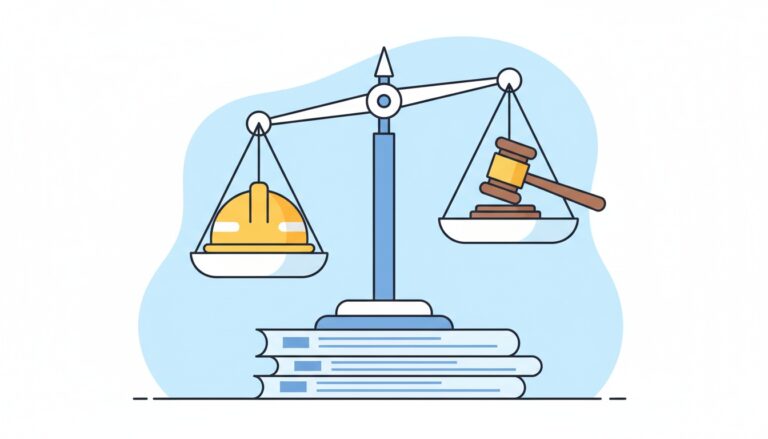
Many foreign residents feel helpless when faced with complex labor laws. You might encounter situations where your visa status feels like a leash rather than a ticket. Knowing how to articulate terms like “unfair dismissal” or “overdue wages” with legal precision isn’t just about language—it’s about survival and dignity.
We’ve compiled these expressions based on real consultations with labor attorneys and foreign support centers. Let’s turn your Korean into your shield.
Phase 2: Deep Dive into Core Expressions
1. 임금 체불 (Im-geum che-bul)
- Pronunciation: [Im-geum che-bul] Sounds like ‘Im-gum’ (as in royal wage) + ‘Che-bul’ (chair-bull).
- Meaning: Overdue wages / Unpaid wages (Literal: Wage stagnation/arrears)
- Editor’s Insight:
At a C2 level, you stop saying “돈 안 들어왔어요” (Money didn’t come in). 임금 체불 is the legal term used by the Ministry of Employment and Labor (MOEL). Using this word signals to your employer that you know the law and are ready to escalate the issue. - Situation Check: Formal. Use this in emails, contracts, or when visiting the Labor Office.
2. 사업장 변경 신청 (Sa-eop-jang byeon-gyeong sin-cheong)
- Pronunciation: [Sa-eop-jang byeon-gyeong sin-cheong]
- Meaning: Application for workplace change (transfer)
- Editor’s Insight:
Under the EPS, foreign workers cannot freely change jobs. You need a valid reason (like abuse or bankruptcy of the company) to file this. This is the “Magic Key” phrase. It carries weight because employers know that if this is approved due to their fault, they get penalized in hiring future foreign staff. - Situation Check: Strictly Administrative/Legal.
3. 부당 대우 (Bu-dang dae-u)
- Pronunciation: [Bu-dang dae-u]
- Meaning: Unfair treatment / Unjust treatment
- Editor’s Insight:
This is a broad umbrella term covering discrimination, verbal abuse, or being forced to do dangerous work not in the contract. It is a dignified way to say, “You are treating me wrongly.” - Situation Check: Formal & Serious conversations.
Phase 3: Textbook vs. Real Life (C2 Edition)
| Textbook Korean (Standard) | Real Life “Power” Korean (Professional/Legal) |
|---|---|
| 월급을 못 받았습니다. (I haven’t received my salary.) | 임금 체불로 노동청에 진정서를 제출하겠습니다. (I will file a petition to the Labor Office for overdue wages.) |
| 회사를 옮기고 싶어요. (I want to move companies.) | 사업주 귀책사유로 인한 사업장 변경을 요청합니다. (I request a workplace change due to causes attributable to the employer.) |
| 욕하지 마세요. (Don’t curse at me.) | 이것은 명백한 인격 모독이자 직장 내 괴롭힘입니다. (This is clear defamation of character and workplace harassment.) |
Editor’s Note: Notice the right column uses Sino-Korean words (Hanja). At the C2 level, substituting native Korean verbs with Hanja-based nouns (귀책사유, 진정서) increases your authority instantly.
Phase 4: Cultural Context & Manners
The Concept of ‘Gapjil’ (갑질) and Evidence
In Korean labor culture, you are likely aware of Gapjil (abuse of power by those in higher positions). In the context of the EPS, the employer often holds the visa sponsorship, creating an extreme power imbalance.
However, Korea is also a highly bureaucratic society.
* Emotion vs. Documentation: Getting angry or shouting often loses the argument in Korea. What wins is record-keeping (녹취/기록).
* The “Nunchi” of Escalation: Before you drop the legal terms above, usually there is a “negotiation phase.” However, if safety or basic rights are violated, skip the Nunchi.
* Eye Contact: When delivering these legal warnings, maintain firm eye contact. Do not look down. You are asserting equality under the law.
Phase 5: Roleplay Script
Setting: An office meeting room. A foreign employee (Mark) is confronting the HR Manager regarding unpaid overtime and dangerous conditions.
Characters:
* Mark: Senior Engineer (Foreigner, C2 level Korean)
* Manager Kim: HR Manager
Dialogue:
Mark: (Calmly placing a document on the table)
지난 3개월간의 연장 근로 수당이 아직 정산되지 않았습니다.
(Ji-nan sam-gaewol-gan-ui yeon-jang geun-lo su-dang-i a-jik jeong-san-doe-ji a-nass-seum-ni-da.)
Overtime pay for the last three months has not been settled yet.
Manager Kim: (Waving hand dismissively)
아, 회사가 좀 어려워서 그래요. 우리가 남입니까? 좀 이해해 줘요.
(Ah, hoe-sa-ga jom eo-ryeo-wo-seo geu-rae-yo. U-ri-ga nam-im-ni-kka? Jom i-hae-hae jwo-yo.)
Oh, the company is struggling a bit. Are we strangers? Please understand.
Mark: (Firmly, without smiling)
개인적인 사정은 이해합니다만, 이는 엄연한 임금 체불에 해당합니다.
(Gae-in-jeok-in sa-jeong-eun i-hae-ham-ni-da-man, i-neun eom-yeon-han im-geum che-bul-e hae-dang-ham-ni-da.)
I understand the personal situation, but this clearly constitutes overdue wages.
Manager Kim: (Startled by the legal term)
지금 협박하는 겁니까?
(Ji-geum hyeop-bak-ha-neun geom-ni-kka?)
Are you threatening me now?
Mark:
아닙니다. 정당한 권리를 말씀드리는 겁니다. 시정되지 않으면 노동부 진정을 고려하겠습니다.
(A-nim-ni-da. Jeong-dang-han gwon-ri-reul mal-sseum-deu-ri-neun geom-ni-da. Si-jeong-doe-ji a-neu-myeon no-dong-bu jin-jeong-eul go-ryeo-ha-gess-seum-ni-da.)
No. I am stating my legitimate rights. If not rectified, I will consider filing a petition with the Ministry of Labor.
Phase 6: 10-Second Shadowing Drill
Practice reading this sentence with authority. It is useful when you need to state that a contract violation has occurred.
“근로기준법에 의거하여 / 부당한 지시에 / 따를 의무가 없습니다.”
- Romanization: Geun-lo-gi-jun-beop-e ui-geo-ha-yeo / bu-dang-han ji-si-e / tta-reul ui-mu-ga eop-seum-ni-da.
- Translation: Pursuant to the Labor Standards Act, I have no obligation to follow unjust directives.
- Guide: Pause at the
/marks. Stress the word ‘의거하여’ (pursuant to) and ‘없습니다’ (do not have) to sound firm.
Phase 7: FAQ & Troubleshooting
Q: Can I really use legal terms like ‘임금 체불’ to my boss?
A: Yes, but only when necessary. Do not use these terms for a 1-day delay. Use them when you have evidence of a pattern and friendly requests have failed. It shifts the tone from “complaint” to “legal notice.”
Q: Is recording conversations legal in Korea?
A: Generally, Yes. Under Korean law, if you are a participant in the conversation, you can record it without the other party’s consent. This is often crucial evidence for labor disputes. (Note: Wiretapping a conversation you are not part of is illegal.)
Phase 8: Wrap-up
- One-Liner Summary: When basic rights are violated, switch from “polite guest” mode to “legal expert” mode using terms like 임금 체불 and 진정서.
- Action Mission: Check your employment contract (근로계약서) today. Find the clause about ‘근로 시간’ (Working Hours) and read it aloud. Knowing what you signed is the first step to defense.
- Engagement: Have you ever had to stand up for your rights in a Korean workplace? Share your story (or frustrations) in the comments below.
Phase 9: Quiz
1. Which term is the most professional way to describe “unpaid salary” in a legal context?
A) 월급 펑크 (Wol-geup punk)
B) 돈 미지급 (Don mi-ji-geup)
C) 임금 체불 (Im-geum che-bul)
2. What is the document you submit to the Labor Office to report a violation?
A) 반성문 (Ban-seong-mun – Letter of apology)
B) 진정서 (Jin-jeong-seo – Petition)
C) 이력서 (I-ryeok-seo – Resume)
3. In the EPS system, if the employer is at fault, you can request:
A) 사업장 변경 (Workplace change)
B) 국적 취득 (Citizenship acquisition)
C) 조기 퇴근 (Leaving work early)
(Answers: 1-C, 2-B, 3-A)
Frequently Asked Questions (FAQ)
Q: What does "임금 체불 (Im-geum che-bul)" mean in Korean and how do you pronounce it?
A: In Korean, "임금 체불 (Im-geum che-bul)" is pronounced [Im-geum che-bul] and means: Overdue wages / Unpaid wages (Literal: Wage stagnation/arrears)
Q: What does "사업장 변경 신청 (Sa-eop-jang byeon-gyeong sin-cheong)" mean in Korean and how do you pronounce it?
A: In Korean, "사업장 변경 신청 (Sa-eop-jang byeon-gyeong sin-cheong)" is pronounced [Sa-eop-jang byeon-gyeong sin-cheong] and means: Application for workplace change (transfer)
Q: What does "부당 대우 (Bu-dang dae-u)" mean in Korean and how do you pronounce it?
A: In Korean, "부당 대우 (Bu-dang dae-u)" is pronounced [Bu-dang dae-u] and means: Unfair treatment / Unjust treatment






