

Introduction
Hello, K-culture lovers! 👋 This is Daily Hangul, here to upgrade your Korean skills! 🚀
Have you ever watched a K-drama and heard the main character say, “Let’s meet after work” or “I’ll call you after dinner”? Being able to talk about the order of events is super important for making plans!
Today, we are going to learn how to say “After doing something” or “After [time]” in Korean. It’s a magic phrase that will help you organize your schedule like a local. Ready? Let’s dive in! 🎬✨
Key Expressions: ‘~후에’ (After)
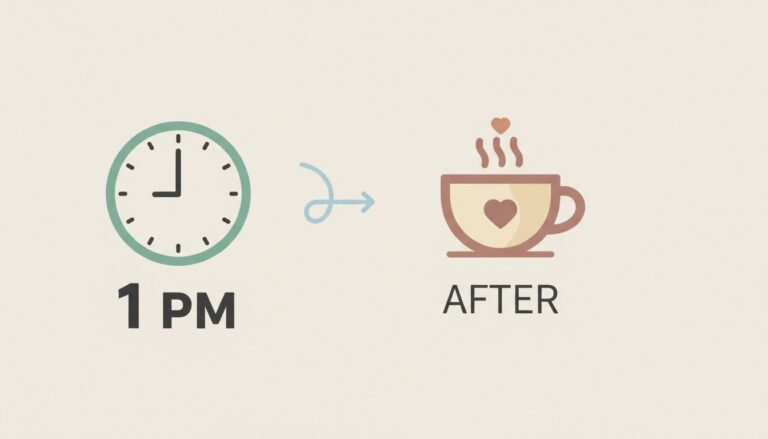
To say “After,” we use the grammar point ~후에 (-hu-e).
1. 1시간 후에 (After 1 hour)
- Pronunciation: [Han sigan hu-e]
- Meaning: After one hour
- Explanation: This is the easiest way! You just put a Noun (Time) + 후에.
- Example: 점심 후에 (Jeomsim hu-e) = After lunch.
2. 밥 먹은 후에 (After eating)
- Pronunciation: [Bam meogeun hu-e]
- Meaning: After eating a meal
- Explanation: When using a Verb (Action), you need to change the verb stem slightly.
- Grammar: Verb stem + (으)ㄴ 후에.
- Meokda (to eat) becomes Meog****eun*** *hu-e.
3. 퇴근한 후에 (After getting off work)
- Pronunciation: [Toegeunhan hu-e]
- Meaning: After finishing work
- Explanation: This is a survival phrase for office workers in dramas!
- Toegeunhada (to get off work) ends in a vowel, so we add ㄴ -> Toegeunha****n*** *hu-e.
💡 Pronunciation Tip!
Did you notice the pronunciation of 밥 먹은 [Bam meogeun]?
In Korean, when the final consonant ‘ㅂ’ (b/p) meets ‘ㅁ’ (m), the ‘ㅂ’ sound changes to an ‘m’ sound to make it smoother! So instead of “Bap-meok-da”, it sounds like “Bam-meok-da”. Try saying it softly! 👄
Real Conversation 🗣️
Let’s see how friends make plans to go to a cafe!
A (Minji): 우리 언제 만날까? (Uri eonje mannalkka?)
“When shall we meet?”
B (Jason): 점심 먹은 후에 어때? (Jeomsim meogeun hu-e eottae?)
“How about after eating lunch?”
A (Minji): 좋아! 2시쯤 보자. (Joa! Dusi-jjeum boja.)
“Good! Let’s meet around 2 o’clock.”
B (Jason): 그래, 수업 끝난 후에 연락할게! (Geurae, sueop kkeunnan hu-e yeollakalge!)
“Okay, I’ll contact you after class finishes!”
Culture Tip 🇰🇷
“Coffee After Lunch” is the Law! ☕
In Korea, the phrase “밥 먹은 후에” (After eating) is almost always followed by “coffee”! It is a huge cultural habit to go to a cafe immediately after lunch. If you work in a Korean company or visit Korean friends, suggesting “Coffee after lunch?” will make you the most popular person in the group! It’s called “Sik-hu-ttaeng” (식후땡 – slang for doing something enjoyable after a meal)!
Conclusion & Quiz 📝
Great job today! Now you can tell your friends exactly when to meet you. Remember, just add (으)ㄴ 후에 after an action!
Let’s practice! (Answers are at the bottom)
- Fill in the blank:
Exercise (운동하다) + After = _________ 후에
(Hint: Since ‘hada’ ends in a vowel, add ‘n’.) -
True or False:
To say “After 10 minutes”, you say “10분 후에”. [ O / X ]
Keep practicing, and see you after you study! (공부한 후에 만나요!) Bye! 👋
Answers:
1. 운동한 (Undonghan)
2. O (True)
Frequently Asked Questions (FAQ)
Q: What does "1시간 후에 (After 1 hour)" mean in Korean and how do you pronounce it?
A: In Korean, "1시간 후에 (After 1 hour)" is pronounced [Han sigan hu-e] and means: After one hour
Q: What does "밥 먹은 후에 (After eating)" mean in Korean and how do you pronounce it?
A: In Korean, "밥 먹은 후에 (After eating)" is pronounced [Bam meogeun hu-e] and means: After eating a meal
Q: What does "퇴근한 후에 (After getting off work)" mean in Korean and how do you pronounce it?
A: In Korean, "퇴근한 후에 (After getting off work)" is pronounced [Toegeunhan hu-e] and means: After finishing work







