

Hello! Welcome to Daily Hangul, your go-to blog for upgrading your Korean skills!
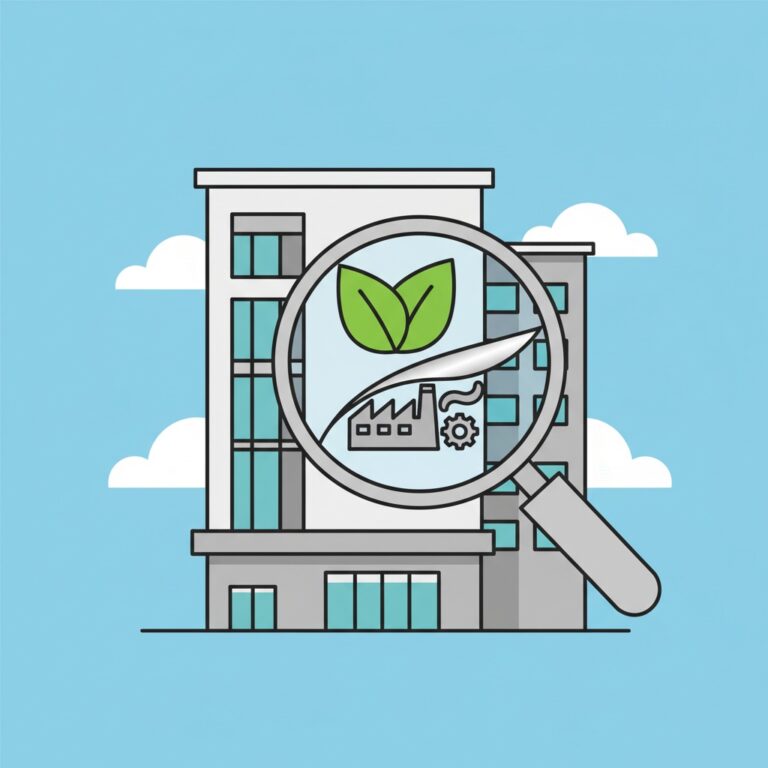
Have you ever booked a hotel because it was labeled “eco-friendly,” only to find plastic water bottles everywhere? You might have been a victim of “greenwashing.” Lately in Korea, sustainable travel (지속 가능한 관광) is a huge trend, especially among younger generations. But with this trend comes the rise of “greenwashing” (그린워싱), where companies pretend to be more environmentally friendly than they really are.
Today, we’ll learn some key Korean expressions to help you become a savvy, eco-conscious traveler in Korea. Let’s learn how to spot the difference between what’s genuinely green and what’s just for show!
Key Expressions You Need to Know
Here are some essential phrases to help you navigate the world of sustainable travel in Korea.
1. 친환경 (Chinhwangyeong)
- Pronunciation [Romanization]: [Chinhwan-gyeong]
- English Meaning: Eco-friendly, environmentally friendly.
- Detailed Explanation: This is the most common word you’ll see related to sustainability. It’s a compound word made from 친 (chin), meaning ‘friendly’ or ‘pro-‘, and 환경 (hwangyeong), meaning ‘environment.’ You’ll find it everywhere, from 친환경 호텔 (eco-friendly hotel) to 친환경 제품 (eco-friendly products). It’s a neutral term used in both formal and informal situations.
- 💡 Pronunciation Tip: The ‘ㄴ’ (n) in ‘친’ and the ‘ㅎ’ (h) in ‘환’ don’t stay separate. The ‘h’ sound often weakens or disappears after a consonant like ‘n’, so it sounds more like [치놘경 | Chinwan-gyeong] than [Chinh-wan-gyeong]. It makes the pronunciation smoother!
2. ~척하다 (~cheok-hada)
- Pronunciation [Romanization]: [cheo-kada]
- English Meaning: To pretend to be/do ~
- Detailed Explanation: This grammar pattern is perfect for describing greenwashing! You attach it to a verb or adjective stem to say that someone is faking an action or state. For example, 친환경인 척하다 (chinhwangyeong-in cheok-hada) means “to pretend to be eco-friendly.” It carries a slightly negative and critical nuance, implying that the pretense is obvious.
- 💡 Pronunciation Tip: The final consonant ‘ㄱ’ (k) in ‘척’ links with the ‘ㅎ’ (h) in ‘하다’. This creates an aspirated sound, making it sound like [처카다 | cheo-ka-da]. This is a common rule called ‘aspiration’ where consonants like ㄱ, ㄷ, ㅂ meet ㅎ. For example, ‘입학’ (ip-hak, school entrance) is pronounced [이팍 | i-pak].
3. 과대광고 (Gwadegwanggo)
- Pronunciation [Romanization]: [Gwade-gwanggo]
- English Meaning: Exaggerated advertisement, hype.
- Detailed Explanation: 과대 (gwadae) means ‘exaggerated’ or ‘over-the-top’, and 광고 (gwanggo) means ‘advertisement.’ This term refers to marketing that makes misleadingly impressive claims. If a resort claims to be “100% carbon neutral” without any proof, you can call it 과대광고.
- 💡 Pronunciation Tip: This word is pronounced pretty much as it’s written. Practice saying each syllable clearly: 과 (Gwa) – 대 (de) – 광 (gwang) – 고 (go). Clear pronunciation will make you sound more confident!
4. 꼼꼼히 따져보다 (Kkomkkomhi ttajyeoboda)
- Pronunciation [Romanization]: [Kkom-kkom-hi tta-jyeo-bo-da]
- English Meaning: To check/examine carefully; to weigh the pros and cons meticulously.
- Detailed Explanation: This is your action phrase! 꼼꼼히 (kkomkkomhi) is an adverb meaning ‘meticulously’ or ‘thoroughly.’ 따져보다 (ttajyeoboda) means ‘to question, to weigh, to check.’ So, when you see a hotel’s 친환경 claims, you should 꼼꼼히 따져봐야 해요 (you need to check it carefully). This phrase shows you are a thoughtful and careful consumer.
- 💡 Pronunciation Tip: The final ‘ㅎ’ (h) in ‘꼼꼼히’ is very soft and almost silent, blending into the next syllable. Focus on the repeated [꼼꼼 | kkom-kkom] sound, which emphasizes the ‘meticulous’ feeling of the word.
Example Dialogue
Let’s see how these expressions are used in a real conversation. Two friends, A and B, are planning a trip to Jeju Island.
A: 이 호텔 봐봐! “제주 최고의 친환경 리조트”래. 사진도 진짜 예쁘다. 여기로 예약할까?
(Look at this hotel! It says it’s “Jeju’s best eco-friendly resort.” The pictures are so pretty. Should we book it?)
B: 음, 잠깐만. 리뷰 좀 보자. 요즘은 친환경인 척하는 곳이 많아서.
(Hmm, hold on. Let’s check the reviews. There are many places that just pretend to be eco-friendly these days.)
A: 그런가? 그냥 과대광고일 수도 있겠다.
(Really? I guess it could just be an exaggerated advertisement.)
B: 맞아. 진짜로 뭘 하는지 웹사이트에서 꼼꼼히 따져보자. 일회용품을 안 쓴다거나, 리필 스테이션이 있다거나 하는 구체적인 정보가 있는지.
(Exactly. Let’s check carefully on their website to see what they actually do. We should look for specific info, like if they don’t use single-use items or if they have refill stations.)
Culture Tip & Trend Deep Dive
In Korea, the MZ generation (Millennials + Gen Z) is leading the charge for 가치 소비 (gachi sobi), which means “value-based consumption.” This isn’t just about getting the best price; it’s about spending money on products and experiences that align with their personal values, such as environmentalism, ethical production, and social responsibility.
This trend is why you see so many companies using the 친환경 label. But here’s how you can be a true “value-based consumer” and spot greenwashing like a local:
- Look for specifics, not vague words: Instead of just “자연과 함께 (with nature),” look for concrete actions like
Frequently Asked Questions (FAQ)
Q: What does "친" mean in Korean and how do you pronounce it?
A: In Korean, "친" is pronounced [chin] and means: , meaning 'friendly' or 'pro-', and
Q: What does "환경" mean in Korean and how do you pronounce it?
A: In Korean, "환경" is pronounced [hwangyeong] and means: , meaning 'environment.' You'll find it everywhere, from
Q: What does "친환경인 척하다" mean in Korean and how do you pronounce it?
A: In Korean, "친환경인 척하다" is pronounced [chinhwangyeong-in cheok-hada] and means: means "to pretend to be eco-friendly." It carries a slightly negative and critical nuance, implying that the pretense is obvious.
Q: What does "과대" mean in Korean and how do you pronounce it?
A: In Korean, "과대" is pronounced [gwadae] and means: means 'exaggerated' or 'over-the-top', and







