

Phase 1: Empathy
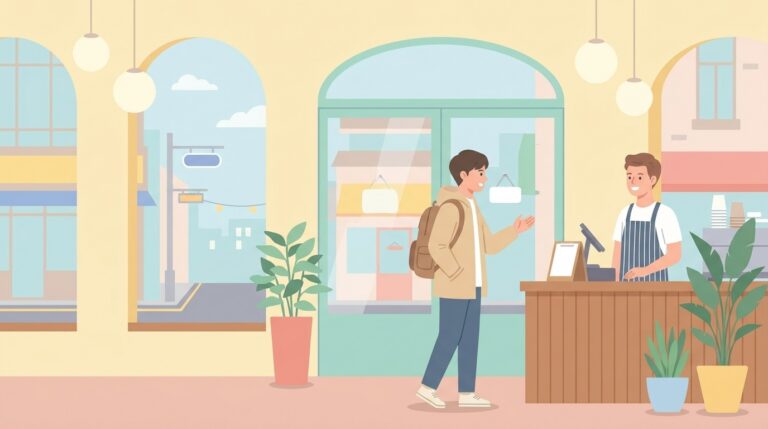
Hello! This is your Daily Hangul Editor. Imagine stepping into a sunlit, aesthetic cafe in Seoul’s trendy Seongsu-dong—straight out of your favorite K-Drama. You spot a cute pastry, grab a menu, and suddenly notice a tiny sign by the counter: ‘No Kids Zone.’ Wait, what? You might feel surprised or unsure how to bring this up with Korean friends without sounding rude. Because ‘No-Kids Zones’ and even ‘No-Seniors Zones’ are hot social debates in Korea right now, many B1 learners tell me they struggle to express their opinions politely on this topic. Today, using real student feedback, I will equip you with natural Korean expressions to navigate cafe rules and join the conversation like a true local!
Phase 2: 3 Key Expressions Deep Dive
1. 출입이 제한되다 (Chulibi jehandoeda)
- Pronunciation: [Chulibi jehandoeda] (Think of ‘chool-ee-bee jeh-han-dweh-da’—the ‘p’ in chul-ip smoothly glides into a soft ‘b’ sound when followed by i!)
- Meaning: Literal: Entry is restricted. / Nuance: Polite, official-sounding way to explain that a specific group isn’t allowed inside.
- K-Culture Moment: Picture a K-Drama scene where a tired mom with a stroller pauses at a sleek glass door in Gangnam, reading a polite notice from the cafe owner.
- Editor’s Insight: Instead of saying “kids are banned” (which sounds super harsh in Korean), using chulibi jehandoeda keeps the tone objective and neutral during a sensitive debate.
- Situation Spectrum: Casual (⚠️ a bit stiff with close friends) / Semi-formal (✅ great for explaining rules) / Formal (✅ perfect for news, signs, and discussions)
- 🤔 Think About It: In your home country, do businesses use formal phrasing like “entry is restricted” for age groups, or would that sound unusual? Why do you think Korean signs prefer indirect phrasing?
2. 안전사고를 예방하다 (Anjeonsagoreul yebanghada)
- Pronunciation: [Anjeonsagoreul yebanghada] (Say ‘ahn-juhn-sah-goh-reul yeh-bahng-ha-da’—’jeo’ sounds like the ‘u’ in ‘up’ with an ‘uh’ flow, and ‘bang’ rhymes with ‘song’ starting with a ‘b’.)
- Meaning: Literal: To prevent safety accidents. / Nuance: The number-one practical reason business owners give for operating a No-Kids Zone.
- K-Culture Moment: On Korean current-affairs talk shows, cafe owners often explain that hot coffee, sharp glass tables, and narrow stairs make them worry about anjeonsago yebang.
- Editor’s Insight: At the B1 level, pairing a noun (anjeonsago) with a strong verb (yebanghada) instantly upgrades your Korean from basic textbook speech to articulate discussion level.
- Situation Spectrum: Casual (⚠️ slightly formal, better in debates) / Semi-formal (✅ natural in polite conversation) / Formal (✅ ideal for essays and presentations)
- 🤔 Think About It: When businesses in your culture restrict access, is safety usually the main reason, or is it more about customer comfort? How does that shape public opinion?
3. 서로 배려하다 (Seoro baeryeohada)
- Pronunciation: [Seoro baeryeohada] (Sounds like ‘suh-roh beh-ryuh-ha-da’—imagine saying ‘so raw’ quickly without the ‘w’ for seoro, and blend ‘b-air-yuh’ smoothly.)
- Meaning: Literal: To be considerate of one another. / Nuance: The golden middle ground in Korea’s No-Kids and No-Seniors Zone debate, emphasizing mutual respect.
- K-Culture Moment: After a heated argument in a family drama, the wise grandmother always concludes that everyone simply needs to seoro baeryeohada to live peacefully.
- Editor’s Insight: Koreans deeply value harmony (hwahap). Using seoro baeryeohada shows high emotional intelligence and signals that you aren’t taking an extreme side—you care about everyone’s comfort.
- Situation Spectrum: Casual (✅ works warmly with friends) / Semi-formal (✅ super natural in daily life) / Formal (✅ loved in interviews and speeches)
- 🤔 Think About It: Baeryeo implies anticipating others’ needs before they even ask. How does your native language express this kind of proactive consideration?
Phase 3: Textbook Korean vs. Real Korean
Situation 1: Checking if a cafe allows children
- 📖 Textbook Korean: 여기에 어린이가 들어갈 수 있습니까? (Yeogie eoriniga deureogal su itseumnikka?) – “May children enter here?”
- 🗣️ Real Korean: 여기 혹시 노키즈존이에요? (Yeogi hoksi nokijeujoniyeyo?) – “Excuse me, is this a No-Kids Zone by any chance?”
- 💡 Why the difference? Textbook phrasing sounds like a security guard questioning a rulebook. In modern Korea, nokijeujon is an everyday loanword, and adding hoksi (by any chance) softens your question so the staff doesn’t feel pressured.
Situation 2: Explaining why a cafe has strict rules
- 📖 Textbook Korean: 사장님은 조용한 분위기를 유지하기를 원합니다. (Sajangnimeun joyonghan bunwigireul yujihagireul wonhamnida.) – “The owner wishes to maintain a quiet atmosphere.”
- 🗣️ Real Korean: 여기가 워낙 조용한 분위기라 그런 것 같아요. (Yeogiga wonak joyonghan bunwigira geureon geot gatayo.) – “I think it’s because this place naturally has such a quiet vibe.”
- 💡 Why the difference? Koreans prefer softening opinions with ~geot gatayo (I think/it seems) rather than stating someone’s motives like a cold fact, keeping the chat friendly and open-minded.
Phase 4: K-Culture Deep Dive & Non-verbal Manners
4-1. Nunchi (눈치) & Gestures
When entering a trendy cafe in Korea, nunchi (reading the room) starts right at the door. Always glance at the glass entrance for small stickers indicating “No Kids Zone,” “No Pets,” or “Yes Kids Zone.” If you’re unsure, approach the counter with a gentle smile and slightly lowered voice—speaking loudly in a hushed cafe is an instant faux pas! A slight nod when the barista answers shows polite acknowledgment, even if you decide to leave and find another spot.
4-2. Culture Code Analysis: Cafe Culture & Social Debates
In Korea, cafes aren’t just for grabbing a quick espresso—they are living rooms, study halls for kagongjok (카공족, people who study at cafes), and curated K-Drama-worthy photo studios filled with fragile ceramic mugs and minimalist concrete stairs. Because many small cafes prioritize quiet focus or delicate aesthetics, some owners introduced No-Kids Zones to prevent accidents and protect the calm vibe. Recently, a few places even added ‘No-Seniors Zones’ (claiming slower digital kiosk use or differing noise levels), sparking huge debates across Korean media. Critics argue it promotes age discrimination, while supporters defend business owners’ rights. Knowing both sides helps you understand modern Korean society on a much deeper level!
Phase 5: Real-life Roleplay Scenario
Setting: A sunlit, minimalist coffee bar in Seongsu-dong, Seoul. Scent of roasted beans in the air. Characters: Jiyeon (a friendly barista in a linen apron) and Sam (you, visiting with your Korean friend Mina before meeting Mina’s sister and toddler).
- Sam: 저기요, 주문하기 전에 하나만 여쭤봐도 될까요? (Jeogiyo, jumunhagi jeone hanaman yeojjwobwado doelkkayo?) – “Excuse me, before ordering, could I ask just one question?” 🎭 Sam leans slightly toward the counter with a polite smile.
- Jiyeon: 네, 물론이죠! 편하게 물어보세요. (Ne, mullonijyo! Pyeonhage mureoboseyo.) – “Yes, of course! Feel free to ask.” 🎭 Jiyeon pauses wiping the espresso machine and looks attentive.
- Sam: 여기 혹시 노키즈존이에요? (Yeogi hoksi nokijeujoniyeyo?) – “Is this a No-Kids Zone by any chance?” 🎭 Sam glances briefly toward the entrance sign.
- Jiyeon: 아, 죄송하지만 저희 매장은 영유아 출입이 제한되어 있어요. (A, joesonghajiman jeohui maejangoen yeongyua chulibi jehandoeeo isseoyo.) – “Ah, I’m sorry, but entry for infants and young children is restricted at our store.” 🎭 Jiyeon bows her head slightly with an apologetic expression.
- Sam: 그렇군요. 안전사고 예방 때문인가요? (Geureokunyo. Anjeonsago yebang ttaemuningayo?) – “I see. Is it to prevent safety accidents?” 🎭 Sam nods thoughtfully, showing understanding rather than annoyance.
- Jiyeon: 네, 맞아요. 계단이 가파르고 조용한 분위기를 유지하려고요. (Ne, majayo. Gyedani gapareugo joyonghan bunwigireul yujiharyeogoyo.) – “Yes, that’s right. The stairs are steep and we try to maintain a quiet atmosphere.” 🎭 Jiyeon gestures softly toward the narrow concrete staircase.
- Mina: 우리 잠깐 고민해 볼까? 옆 골목에 예스키즈존도 있던데. (Uri jamkkan gominhae bolkka? Yeop golmoge yeseukijeujondo itdeonde.) – “Shall we think about it for a second? There was a Yes-Kids Zone in the next alley.” 🎭 Mina taps Sam’s arm gently and whispers.
- Sam: 🔀 [Interactive Branching Point] How should you respond to Jiyeon and Mina?
- Option A: “알겠습니다, 친절하게 설명해 주셔서 감사해요! 다음에 혼자 또 올게요.” (Algetseumnida, chinjeolhage seolmyeonghae jusyeoseo gamsahaeyo! Daeume honja tto olgeyo.) – “Understood, thank you for explaining kindly! I’ll come again alone next time.”
- Option B: “애들이 시끄럽지도 않은데 왜 못 들어오게 해요? 너무하네요.” (Aedeuri sikkeureopjido aneunde wae mot deureooge haeyo? Neomuhaneyo.) – “Kids aren’t even loud, why won’t you let them in? That’s too much.”
- Option C: “아, 잠깐만 앉아 있다가 갈 건데 안 될까요?” (A, jamkkanman anja itdaga gal geonde an doelkkayo?) – “Oh, we’re just going to sit for a tiny bit and leave, wouldn’t that be okay?”
Feedback:
* Option A (Best! ✅): Smooth, respectful, and culturally savvy! You acknowledge the barista’s kindness without causing awkwardness and leave the door open for a future solo visit.
* Option B (Bad! 🚫): Taking out frustration on a part-time barista won’t change store policy and creates severe tension in a quiet Korean cafe.
* Option C (Risk! ⚠️): Koreans strongly dislike bending explicit store rules on the spot for “just a minute”—it puts the staff in a tough position.
Phase 6: 10-Second Emotion Shadowing Drill
Read aloud smoothly, pausing briefly at each / and matching the emotion!
- [😊 Warm & Curious]
여기 혹시 / 노키즈존이에요? (Yeogi hoksi / nokijeujoniyeyo?) – “Is this a No-Kids Zone by any chance?” - [🤔 Thoughtful & Balanced]
안전사고 예방도 중요하지만 / 서로 배려하는 마음이 / 더 중요해요. (Anjeonsago yebangdo jungyohajiman / seoro baeryeohaneun maeumi / deo jungyohaeyo.) – “Preventing safety accidents is important, too, / but a heart that considers each other / is more important.” - [🥺 Gently Empathetic]
조용한 분위기도 좋지만 / 아이들과 함께 올 수 있는 곳도 / 많아졌으면 좋겠어요. (Joyonghan bunwigido jotjiman / aideulgwa hamkke ol su inneun gotdo / manajyeosseumyeon jokesseoyo.) – “A quiet atmosphere is nice, too, / but I hope places where you can come with kids / increase as well.”
Phase 7: K-Culture Mini Dictionary
- 노키즈존 (Nokijeujon) | No-Kids Zone | Used constantly in daily cafe searches, parenting blogs, and social debates when referring to child-restricted venues.
- 노시니어존 (Nosinieojon) | No-Seniors Zone | A controversial newer term in Korean news and business discussions describing rare venues that restrict older adults.
- 예스키즈존 (Yeseukijeujon) | Yes-Kids Zone | A welcoming label cafes and restaurants proudly post on Instagram and maps to show families with kids are warmly invited.
- 찬반 의견 (Chanban uigyeon) | Pros and cons / Opposing opinions | Essential B1+ expression used in debates, news articles, and Korean language tests when comparing two sides of a social issue.
Phase 8: Traveler’s Survival Kit
Top 3 Survival Phrases
- 아이랑 같이 가도 되나요? (Airang gachi gado doenayo?) – “May I come with a child?”
- Pro Tip: Short, sweet, and zero stress when calling a restaurant before heading over.
- 어린이 의자 있어요? (Eorini uija isseoyo?) – “Do you have a high chair?”
- Pro Tip: Even if a place isn’t a No-Kids Zone, asking this tells you immediately how family-friendly their setup is.
- 이 근처에 가족끼리 갈 만한 카페 있어요? (I geuncheoe gajokkkiri gal manhan kape isseoyo?) – “Is there a good cafe for families near here?”
- Pro Tip: Locals love recommending nearby Yes-Kids Zones when asked politely!
Editor’s Travel Note
Before hopping on the subway to explore Seoul’s cafes, make sure to download the Naver Map App for No-Kids Zone filters rather than relying on Google Maps! In Naver Map, you can literally search “예스키즈존” (Yes-Kids Zone) or check recent visitor reviews (방문자 리뷰) to verify policies beforehand. For popular dining spots, check the CatchTable Global App for restaurant policies—many trendy restaurants list age restrictions right on the booking screen. And remember: most cafes accept T-money cards or contactless credit cards, and you should always return your tray to the 반납대 (return station) before leaving!
Phase 9: One Step Deeper
Korea’s rapid shift from big extended-family living to single-person households has reshaped how people view public spaces. While traditional Korean culture celebrated jeong (정, warm communal affection) where neighbors watched everyone’s kids, modern urban life places high value on personal space and baeryeo (not bothering others). Yet, many Koreans worry that dividing spaces into “No-Kids” or “No-Seniors” zones weakens empathy for the vulnerable. Balancing individual comfort with an inclusive society remains one of Korea’s biggest modern questions.
💬 Your Turn: Do you think No-Kids Zones are a smart safety measure, or do they go too far? Share your thoughts in the comments below—I’d love to hear how your country handles quiet cafes!
Phase 10: FAQ & Myth Busting
Q: Are No-Kids Zones illegal in South Korea?
A: Currently, no! While Korea’s National Human Rights Commission has advised businesses against blanket age bans, private cafe and restaurant owners still have the legal freedom to set entry policies in most cases.
Q: How do I know if a cafe is a No-Kids Zone before going?
A: Look for English or Korean stickers on the entrance door, or search the cafe’s name on Naver Map or Instagram with the hashtag #노키즈존 or #예스키즈존 before you travel.
Q: Are there really “No-Seniors Zones” in Korea too?
A: They are much rarer than No-Kids Zones, but a handful of cafes and gyms sparked national headlines by putting up “No-Seniors Zone” signs, prompting strong public backlash about age discrimination.
🚨 Common Mistakes Warning Board
- Mistake: Saying “아이 금지예요?” (Ai geumjiyeyo? – “Are kids forbidden?”)
- Correct Action: Say “노키즈존이에요?” (Nokijeujoniyeyo?) or “아이 출입이 제한되나요?” (Ai chulibi jehandoenayo?)—geumji sounds like a harsh police sign!
- Mistake: Assuming every quiet-looking cafe is a No-Kids Zone and walking away without asking.
- Correct Action: Ask politely! Many sleek Seoul cafes are actually Yes-Kids Zones as long as kids stay safely seated.
- Mistake: Calling elderly people “노인” (noin) directly to their face when discussing No-Seniors Zones.
- Correct Action: Use the respectful word “어르신” (eoreusin) when referring to older adults in conversation.
Phase 11: Action Mission & Engagement
- 🥉 Bronze (Solo Practice): Record a 15-second voice memo practicing the 3 shadowing sentences from Phase 6 until your pauses sound natural.
- 🥈 Silver (SNS Share): Post one sentence sharing your opinion on No-Kids Zones using 서로 배려하다 (seoro baeryeohada) in a Korean-learning community or tag Daily Hangul!
- 🥇 Gold (Real-Life Use): Next time you chat with a Korean language partner or tutor, ask: “한국의 노키즈존에 대해 어떻게 생각해요?” (Hangugeui nokijeujone daehae eotteoke saenggakaeyo? – “What do you think about Korea’s No-Kids Zones?”)
🎮 K-Culture Mission: Open Naver Map or Instagram, search #예스키즈존 (Yes-Kids Zone) in Seoul, and pick one cute cafe you’d love to visit someday!
Phase 12: Interactive Quiz Challenge
1. Situation Judgment: You’re walking into a cozy cafe in Yeonnam-dong with your friend and her 5-year-old son. What is the most natural and polite question to ask the barista?
A) 애들 금지예요?
B) 여기 혹시 노키즈존이에요?
C) 어린이가 들어갈 수 있습니까?
Check Answer & Explanation
Answer: B!
Adding hoksi (by any chance) and using the everyday term nokijeujon sounds super natural and friendly. Option A (geumji) sounds harsh, and Option C is way too stiff for a cafe counter!
2. Fill in the Blank: Complete the sentence meaning “We need to be considerate of each other.”
“우리는 서로 _______ 해야 해요.” (Urineun seoro _______ haeya haeyo.)
Check Answer & Explanation
Answer: 배려 (baeryeo)
서로 배려해야 해요 (Seoro baeryeohaeya haeyo) is a golden phrase for wrapping up any social debate gracefully!
3. True or False Culture Quiz: In Korea, “Yes-Kids Zone” (예스키즈존) means a store that only allows families with children and bans solo adults.
Check Answer & Explanation
Answer: False!
A Yes-Kids Zone warmly welcomes children alongside everyone else—it’s simply a reassuring sign that the venue is not a No-Kids Zone!
🎬 Watch Our Daily Videos! (Daily Hangul Official Instagram)
Review the expressions you learned in this article with our fun daily short videos! Check out native pronunciation and real-life nuances in action.
- Instagram @dailyhangul_en







