

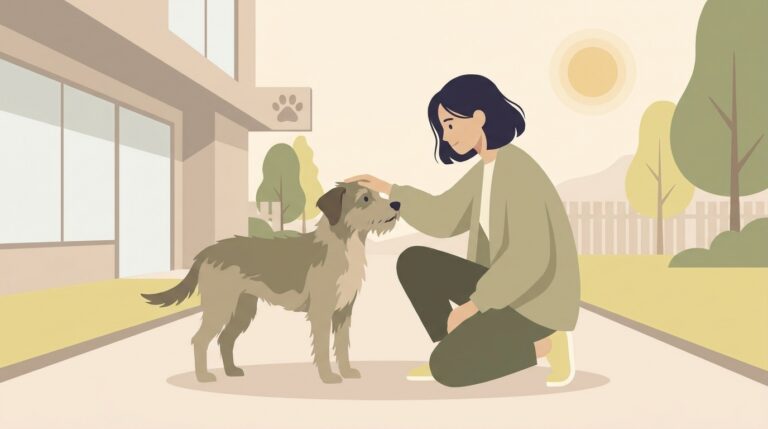
Phase 1: 공감 (Story-Driven Opening)
안녕하세요! 매일한글 에디터입니다.
Take a walk through Seoul’s trendiest neighborhoods like Seongsu-dong or Yeonnam-dong on any sunny Saturday, and you will witness an extravagant canine wonderland. Poodles in custom knit sweaters ride in luxury dog strollers, pampered bichons sip “puppuccinos” at pet-friendly cafes, and boutiques offer organic gourmet jerky. South Korea’s pet companion culture—lovingly termed the ballyeo-dongmul (반려동물) boom—has grown exponentially over the past decade.
Yet, underneath this bright pastel surface lies a heartbreaking paradox that dominates Korean current affairs and social documentaries: every year, over 100,000 animals are abandoned across the nation. Overwhelmed municipal animal shelters face severe structural limits, leaving workers and volunteers with the gut-wrenching task of implementing euthanasia when capacity runs out. When advanced Korean learners listen to panel discussions or watch programs like TV Animal Farm (TV 동물농장) or Kang Hyung-wook’s dog rehabilitation shows, this topic frequently sparks intense ethical debate.
Discussing animal rights and euthanasia in a foreign language is a major milestone for any B2-level speaker. It requires moving beyond simple likes and dislikes into social responsibility, civic ethics, and systemic critique. In this lesson, built on real feedback from intermediate students preparing for discussions with Korean peers, we will unpack the exact vocabulary, cultural subtext, and empathetic discourse required to engage thoughtfully in this crucial conversation.
Phase 2: 핵심 표현 3선 심층 분석 (Top 3 Core Expressions)
1. 사지 말고 입양하세요 (Saji malgo ib-yang-haseyo)
- Pronunciation: [Sa-ji mal-go ib-yang-ha-se-yo] (Think: “Sah-jee mal-goh eeb-yahng ha-seh-yoh”—smooth cadence on the ‘ib-yang’)
- Meaning: Literal: “Do not buy, please adopt.” / Nuance: The definitive Korean campaign slogan equivalent to “Adopt, Don’t Shop,” advocating for rescue pet adoption over purchasing from commercial pet shops.
- K-Culture Moment: Seen constantly on canvas banners at adoption fairs in Hangang Park, printed on celebrity volunteer merchandise, or voiced by public figures like Lee Hyori when advocating for rescue animals.
- Editor’s Insight: The connective
-지 말고(-ji malgo) firmly rejects the first action (“buying”) in favor of an ethical imperative (“adopting”). At a B2 level, using this phrase demonstrates that you are attuned to modern Korean animal welfare campaigns. - Situation Spectrum: Casual: ✅ | Semi-formal: ✅ | Formal: ✅
- 🤔 Think About It: In many Western countries, “Adopt, don’t shop” is catchy and informal. Why does Korean use the honorific imperative ending
-세요(-seyo) even in mass public campaigns?
2. 안락사를 피할 수 없다 (An-rak-sa-reul pi-hal su eop-da)
- Pronunciation: [Al-lak-ssa-reul pi-hal su eom-na] (Notice liquidization: ‘an-rak’ transforms smoothly into ‘al-lak’)
- Meaning: Literal: “Cannot avoid euthanasia.” / Nuance: Expresses the grim, unavoidable structural reality shelters face when overcrowding leaves no other legal or operational recourse.
- K-Culture Moment: Regularly heard in news reports, municipal policy debates, and investigative features highlighting the plight of county shelters.
- Editor’s Insight: The noun 안락사 (安樂死, anraksa) literally translates to “comfortable, peaceful death.” Using
피할 수 없다conveys a sense of reluctant tragedy rather than callousness. - Situation Spectrum: Casual: ⚠️ | Semi-formal: ✅ | Formal: ✅
- 🤔 Think About It: How does phrasing an issue as “unavoidable” (
피할 수 없다) shift the focus from individual cruelty to broader institutional limitations?
3. 수용 한계를 넘어서다 (Su-yong han-gye-reul neo-meo-seo-da)
- Pronunciation: [Su-yong han-gye-reul neo-meo-seo-da] (Crisp and measured cadence)
- Meaning: Literal: “To surpass the capacity threshold.” / Nuance: Pertains directly to physical and logistical shelter crises where animal intake outstrips available cages, funding, and veterinary care.
- K-Culture Moment: Quoted by shelter directors and animal welfare NGO representatives during press conferences or television interviews.
- Editor’s Insight:
넘어서다(to exceed/cross a boundary) highlights that an unacceptable tipping point has been breached. It sounds analytical and objective, ideal for serious discussions. - Situation Spectrum: Casual: ⚠️ | Semi-formal: ✅ | Formal: ✅
- 🤔 Think About It: Contrast this with simpler phrases like “개들이 너무 많아요” (There are too many dogs). Notice how nominalizing capacity (
수용 한계) immediately elevates your speech to intermediate-advanced register.
Phase 3: 교과서 한국어 vs 진짜 한국어 (Textbook vs. Real Korean)
Situation 1: Expressing that getting a pet requires lifetime accountability
- 📖 교과서 한국어: 동물을 기를 때는 끝까지 책임을 져야 합니다. (Dongmureul gireul ttaeneun kkeutkkaji chaegimeul jyeoya hamnida.) — “When raising an animal, one must take responsibility until the end.”
- 🗣️ 진짜 한국어: 유행 따라 무턱대고 데려왔다가 파양하는 건 정말 무책임한 일이죠. (Yuhaeng ttara muteokdaego deryeowattdaga payanghaneun geon jeongmal muchaek-imhan irijyo.) — “Impulsively bringing an animal home just to follow a trend and then giving it up is downright irresponsible.”
- 💡 왜 다를까? Textbook phrases state bland rules of conduct. Real-world intermediate speakers critique the actual phenomenon—specifically impulse buying (
무턱대고 데려오다) followed by rehoming or abandonment (파양).
Situation 2: Discussing the reason behind shelter euthanasia
- 📖 교과서 한국어: 보호소에 유기동물이 너무 많아서 죽입니다. (Bohosoe yugidongmuri neomu manaseo jugimnida.) — “There are too many abandoned animals in shelters, so they kill them.”
- 🗣️ 진짜 한국어: 입양률은 저조한데 유기 개체 수가 넘쳐나니 보호소 입장에서도 안락사를 집행할 수밖에 없는 처지예요. (Ibyangnyureun jeojohande yugi gaeche suga neomchyeonani bohoso ipjangedeoseo anraksareul jiphaenghal subakke eomneun cheojiyeyo.) — “Adoption rates are low while abandoned animal numbers surge, leaving shelters in a situation where they have no choice but to carry out euthanasia.”
- 💡 왜 다를까? The textbook sentence sounds jarring and blunt. Native speakers use empathetic, structurally nuanced verbs like
집행하다(to execute/carry out) and circumstantial framing like-ㄹ 수밖에 없는 처지(left with no choice).
Phase 4: K-Culture 딥다이브 & 비언어적 매너 (Deep Dive & Non-verbal Manners)
4-1. 눈치 (Nunchi) & Non-Verbal Gestures
When discussing abandoned animals (yugi-dongmul) and euthanasia with Koreans, maintain a subdued, reflective demeanor:
* Voice Modulation: Lower your pitch slightly and speak at a steady, measured pace. Avoid overly dramatized exclamations or sharp finger-pointing.
* Avoiding Direct Blame: When expressing anger about pet abandonment, target the broader trend or lack of legal registration (동물등록제) rather than broadly generalizing pet owners.
* Empathetic Nodding (Gogae Kkeudeogim): When listening to someone describe shelter conditions, use slow, compassionate nods with quiet interjections like 참 안타까운 현실이네요 (That is truly a regrettable reality).
4-2. Cultural Code Analysis: The Transition from Pet to Family
For decades, dogs in Korean urban households were termed aewan-gyeon (애완견—pet dog, literally “toy animal dog”). Today, that term is virtually obsolete among the younger generation, replaced entirely by ballyeo-gyeon (반려견—companion dog, literally “life partner dog”). Public sentiment was revolutionized by icons like singer Lee Hyori, who publicly adopted shelter mutts instead of designer breeds, and programs like Dogs are Incredible (개는 훌륭하다). However, rapid modernization created a cultural lag: unregulated online puppy mills and impulse purchases still lead to massive summer abandonments during holiday seasons, making the shelter euthanasia debate one of modern Korea’s most raw ethical flashpoints.
Phase 5: 실전 롤플레이 시나리오 (Real-World Roleplay)
- Setting: An outdoor orientation session at a volunteer rescue sanctuary in Yangpyeong, Gyeonggi Province.
- Characters:
- Alex (알렉스): An intermediate Korean learner volunteering at the shelter.
- Ji-min (지민): The dedicated shelter team coordinator, wearing an apron covered in dog paw prints.
Turn 1
* 지민: 알렉스 씨, 오늘 대형견 견사 청소 도와주셔서 정말 감사해요. (Alex-ssi, oneul daehyeong-gyeon gyeonsa cheongso dowajusyeoseo jeongmal gamsahaeyo. – Alex, thank you so much for helping clean the large dog kennels today.)
* 🎭 행동 지문: 지민은 땀을 닦으며 믹스견 한 마리의 등을 쓰다듬는다. (Ji-min wipes her brow and pets the back of a mixed-breed dog.)
Turn 2
* 알렉스: 아니에요. 그런데 아이들이 너무 순한데, 왜 이렇게 보호소로 많이 들어오나요? (Anieyo. Geureonde aideuri neomu sunhande, wae ireoke bohosoro mani deureo-onayo? – Not at all. But these dogs are so gentle; why do so many end up entering the shelter?)
* 🎭 행동 지문: 알렉스는 안타까운 눈빛으로 견사 안을 둘러본다. (Alex glances around inside the kennel with a compassionate gaze.)
Turn 3
* 지민: 이사나 파양 등 개인 사정도 있지만, 품종견이 아니라는 이유로 입양이 잘 안 돼요. (Isana payang deung gaein sajeongdo itjiman, pumjong-gyeoni aniraneun iyuro ibyangi jal an dwaeyo. – People cite personal reasons like moving or giving up pets, but many aren’t adopted simply because they aren’t purebreds.)
* 🎭 행동 지문: 지민은 입술을 깨물며 쓴웃음을 짓는다. (Ji-min bites her lip and smiles bittersweetly.)
Turn 4
* 알렉스: 정말 마음이 아프네요. 지자체 보호소는 공고 기간이 지나면 안락사를 피하기 어렵다고 들었어요. (Jeongmal maeumi apeuneyo. Jijache bohosoneun gonggo gigani jinamyeon anraksareul pihagi eoryeopdago deureosseoyo. – That breaks my heart. I heard that once the public announcement period ends at municipal shelters, avoiding euthanasia is difficult.)
* 🎭 행동 지문: 알렉스는 두 손을 모으며 조심스럽게 말을 꺼낸다. (Alex clasps his hands together and speaks carefully.)
Turn 5
* 지민: 맞아요. 수용 한계를 넘어서면 어쩔 수 없이 결정을 내려야 하니까 활동가들도 매일 피가 마르죠. (Majayo. Suyong hangyereul neomeoseomyeon eojjeol su eop-si gyeoljeongeul naeryeoya hanikka hwaldonggadeuldo maeil piga mareujyo. – Exactly. When capacity is exceeded, decisions must be made, which torments our shelter activists every single day.)
* 🎭 행동 지문: 지민은 한숨을 내쉬며 고개를 숙인다. (Ji-min sighs deeply and lowers her head.)
Turn 6
* 알렉스: 제도적인 지원과 함께 ‘사지 말고 입양하세요’라는 인식이 더 널리 퍼져야겠어요. (Jedojeogin jiwongwa hamkke ‘saji malgo ib-yang-haseyo’raneun insigi deo neolli peojyeoyagesseoyo. – Along with institutional support, the awareness of ‘Adopt, don’t shop’ really needs to spread much further.)
* 🎭 행동 지문: 알렉스는 확신에 찬 목소리로 고개를 끄덕인다. (Alex nods with conviction in his voice.)
Turn 7
* 지민: 동감이에요. 그래서 알렉스 씨 같은 분들이 SNS로 임시보호 홍보를 도와주는 게 큰 힘이 됩니다. (Donggamieyo. Geuraeseo Alex-ssi gateun bundeuri SNS-ro imsibohu hongboreul dowajuneun ge keun himi doemnida. – I completely agree. That’s why having people like you help promote foster care on social media gives us huge support.)
* 🎭 행동 지문: 지민의 표정이 한결 밝아지며 미소를 짓는다. (Ji-min’s expression softens as she smiles warmly.)
Turn 8
* 알렉스: 제가 할 수 있는 일이라면 얼마든지 적극적으로 알릴게요! (Jega hal su inneun iriramyeon eolmadeunji jeokgeukjeogeuro allilgeyo! – If it’s something I can do, I’ll be more than happy to spread the word actively!)
* 🎭 행동 지문: 알렉스는 휴대전화 카메라를 켜고 밝게 응답한다. (Alex turns on his phone camera and responds brightly.)
🔀 인터랙티브 분기점 (Interactive Scenario Fork)
Ji-min asks you how foreign countries or your community handle shelter overflow. Which of the following responses is best?
- Option A: “외국은 이런 문제 전혀 없어요. 한국 사람들만 유기동물을 너무 쉽게 생각하는 것 같아요.” (Abroad, this problem never happens. It seems only Koreans take abandoned animals too lightly.)
- Result: Bad. Culturally insensitive and factually flawed. Generalizing an entire nation triggers defensive reactions and shuts down constructive dialogue.
- Option B: “제가 살던 곳에서도 안락사 찬반 논쟁이 치열해요. 하지만 무조건 안락사를 금지하기보다 번식업 규제와 입양 인센티브를 먼저 마련하더라고요.” (Where I lived, debates over euthanasia are fierce too. But rather than an outright ban, they established breeding regulations and adoption incentives first.)
- Result: Best! Demonstrates high-level comparative insight, balanced empathy, and constructive policy vocabulary.
- Option C: “안락사는 그냥 살인이니까 무조건 다 풀어주면 안 되나요?” (Euthanasia is just murder, so shouldn’t we just release them all into the wild?)
- Result: Risk. Extremely unrealistic and disregards animal safety, ecosystem destruction, and public safety issues surrounding stray packs.
Phase 6: 10초 감정 섀도잉 드릴 (Emotional Shadowing Drill)
Practice reading these out loud, mimicking native pauses (/) and pitch inflections:
[🥺 안타깝고 진지하게 / Regretful and solemn]
매년 10만 마리가 버려진다는 건 / 결코 가볍게 넘길 수 없는 / 심각한 사회적 문제입니다.
(Maenyeon simman mariga beoryeojindaneun geon / gyeolko gabyeopge neomgil su eomneun / simgakan sahoejeok munjeimnida.)-
[💔 가슴 아프고 답답한 심정으로 / Heartbroken and frustrated]
보호소 수용 한계 때문에 / 어쩔 수 없이 안락사를 선택해야 하는 현실이 / 너무 가혹해요.
(Bohoso suyong hangye ttaemune / eojjeol su eopsi anraksareul seontaekaeya haneun hyeonsiri / neomu gahokaeyo.) -
[🙏 간절하고 단호하게 / Earnest and resolute]
반려동물은 장난감이 아니잖아요. / 사지 말고 / 끝까지 책임지고 입양해주세요.
(Ballyeodongmureun jangnangami anijanhayo. / Saji malgo / kkeutkkaji chaegimjigo ib-yang-haejuseyo.)
Phase 7: K-Culture 미니 사전 (Mini Dictionary)
-
임시보호 (Im-si-bo-ho – Temporary Foster Care)
- Meaning: Fostering a rescued animal temporarily before official adoption.
- Usage: Often abbreviated in text or social media as “임보” (imbo), e.g., “단기 임보처 구합니다” (Looking for a short-term foster home).
- 안락사 (An-rak-sa – Euthanasia)
- Meaning: Compassionate termination of life to relieve incurable suffering or due to shelter capacity limits.
- Usage: Used heavily in administrative, legal, and ethical discourses (안락사 찬반 논란 – the debate over euthanasia).
- 품종견 (Pum-jong-gyeon – Purebred Dog)
- Meaning: Pedigree dogs bred for specific physical traits, contrasting with mixed breeds (믹스견).
- Usage: Discussed critically when highlighting Korea’s high demand for small purebreds (Maltese, Poodle) versus the high abandonment rates of mixed breeds.
- 펫숍 (Pet-syop – Commercial Pet Shop)
- Meaning: Retail businesses selling puppies and kittens sourced from breeding farms (번식장).
- Usage: Frequently contrasted with rescue adoption centers (유기동물 입양센터).
Phase 8: 여행자를 위한 생존 키트 (Traveler’s Survival Kit)
Survival Expressions TOP 3
- 혹시 유기견 입양 카페인가요? (Hoksi yugigyeon ib-yang kape-ingayo?)
- Meaning: “By any chance, is this a rescue dog adoption cafe?”
- Pro Tip: Useful when visiting conscious animal cafes in Seoul that rehome rescues rather than displaying factory-bred pets.
- 봉사활동 신청은 어디서 하나요? (Bongsa-hwaldong sincheongeun eodiseo hanayo?)
- Meaning: “Where can I sign up for volunteer work?”
- Pro Tip: Ask this at local rescue sanctuaries if you want to dedicate a weekend to shelter cleaning or dog walking.
- 사진 찍어서 SNS에 올려도 될까요? (Sajin jjigeoseo SNS-e ollyeodo doelkkayo?)
- Meaning: “May I take photos and post them on social media?”
- Pro Tip: Rescue centers welcome social exposure to help speed up adoptions.
Editor’s Travel Note
If you want to view real-time data on rescue animals across Korean municipal shelters, check out the national portal through the 포인핸드(Paw In Hand) 유기동물 입양 종합 플랫폼. If you plan to volunteer at suburban shelters in Gyeonggi-do, make sure to use the 카카오 T 택시 호출 및 대중교통 길찾기 앱 because many animal shelters are situated far from subway stations to prevent neighborhood noise complaints.
Phase 9: “한 발 더 깊이” (Food for Thought)
Language mirrors cultural evolution. The systematic shift from aewan (애완, love like a toy) to ballyeo (반려, journeying partner) represents Korea’s modern aspiration toward progressive animal welfare. Yet, when rapid consumerism treats pets as aesthetic lifestyle accessories, abandonment numbers soar whenever trends shift. The controversy over shelter euthanasia is ultimately a mirror held up to Korean society, asking what true collective responsibility means in an ultra-convenient, fast-paced world.
💬 Your Turn: How does your home country handle shelter capacity limits? Do you believe euthanasia should be completely outlawed in municipal shelters, even if it leads to overcrowding? Share your thoughts below in polite Korean!
Phase 10: FAQ & 오해 방지 (FAQ Schema Compliant)
Q: Is all euthanasia illegal in private Korean shelters?
A: Private “No-Kill” sanctuaries generally refrain from euthanasia unless an animal is in extreme medical distress. However, government-run municipal shelters (지자체 위탁 보호소) operate under strict statutory timelines: after a mandatory 10-day public notice period (공고 기간), animals can legally be humanely euthanized if shelter capacity is exhausted and no foster or adopter steps forward.
Q: Why are mixed-breed dogs (믹스견) abandoned more often in Korea?
A: Many Koreans live in compact apartments or officetels where housing rules favor small dogs under 5–7 kg. Mixed breeds frequently grow larger than initial estimates, and ingrained social prejudices favor small pedigree dogs, making mixed-breed rehoming far more difficult.
Q: What is the animal registration system (동물등록제) in Korea?
A: Korea mandates microchip registration for all pet dogs over two months old. Failure to register can result in administrative fines. This legal measure was instituted precisely to deter owners from abandoning pets without accountability.
🚨 흔한 실수 (Common Mistakes) 경고판
- Mistake: Using “죽이다” (to kill) when referring to shelter procedures.
- Correct Action: Use the formal institutional term
안락사를 집행하다(to execute euthanasia) or안락사가 이루어지다(euthanasia takes place) to sound polite and objective.
- Correct Action: Use the formal institutional term
- Mistake: Confusing
유기하다(to abandon an animal or person) with버리다(to throw away trash).- Correct Action: While Koreans colloquially say “개를 버리다,” in formal debates use
동물을 유기하다or반려동물을 파양하다(to surrender/relinquish ownership).
- Correct Action: While Koreans colloquially say “개를 버리다,” in formal debates use
- Mistake: Calling companion pets “애완동물” in modern social discussions.
- Correct Action: Always replace it with
반려동물to demonstrate awareness of current Korean cultural etiquette.
- Correct Action: Always replace it with
Phase 11: 액션 미션 & 참여 유도 (Action Missions)
- 🥉 Bronze Mission (Solo Shadowing): Read the Phase 6 shadowing sentences aloud 3 times, focusing on the liquidization pronunciation of
안락사[알락사]. - 🥈 Silver Mission (SNS Micro-Journal): Write a 2-sentence post on your Instagram Story or Threads using
사지 말고 입양하세요and수용 한계. - 🥇 Gold Mission (Live Debate Formulation): Prepare a 1-minute voice note arguing whether pet store breeding should be banned to reduce shelter abandonment, using at least two expressions learned today.
- 🎮 K-Culture Mission: Search the hashtag
#사지말고입양하세요on Instagram or YouTube and read the captions under three rescue stories to see these terms used in real-time.
Phase 12: 인터랙티브 퀴즈 챌린지 (Interactive Quiz)
1. 상황 판단 (Situational Judgment):
You are discussing shelter overcrowding with a Korean acquaintance. Which sentence represents the most natural, B2-level empathetic statement?
* A) 보호소 개들이 너무 많으니까 그냥 다 자연에 풀어줍시다.
* B) 보호소의 수용 한계 문제를 해결하려면 입양 문화 확산과 함께 유기 방지 대책이 시급해요.
* C) 안락사시키는 직원들을 다 경찰에 신고해야 해요.
2. 빈칸 채우기 (Fill-in-the-blank):
“반려견을 펫숍에서 ( ), 유기동물 보호소에서 가족으로 맞이해주세요.”
3. True / False 문화 퀴즈:
In South Korea, mandatory microchip pet registration (동물등록제) is purely optional for dog owners. (T / F)
👉 정답 및 해설 확인하기 (Click to reveal answers)
Answers & Explanations:
- 정답: B
- Explanation: Option B uses nuanced B2 vocabulary (
수용 한계,문화 확산,시급하다) to provide a balanced, constructive proposal. Option A and C are unrealistic and emotionally reactive.
- Explanation: Option B uses nuanced B2 vocabulary (
- 정답: 사지 말고
- Explanation: Forms the iconic campaign phrase: “사지 말고 입양하세요” (Don’t buy, please adopt).
- 정답: F (False)
- Explanation: It is legally mandatory under the Animal Protection Act (동물보호법) for all domestic pet dogs aged two months and older.
- Explanation: It is legally mandatory under the Animal Protection Act (동물보호법) for all domestic pet dogs aged two months and older.
🎬 Watch Our Daily Videos! (Daily Hangul Official Instagram)
Review the expressions you learned in this article with our fun daily short videos! Check out native pronunciation and real-life nuances in action.
- Instagram @dailyhangul_en







