

Master Korean Delivery: How to Talk About Rocket Delivery and Online Shopping Like a Local
Phase 1: Empathy & Story Opening
안녕하세요! 매일한글 에디터입니다. (Hello! I’m the Daily Hangul editor.)
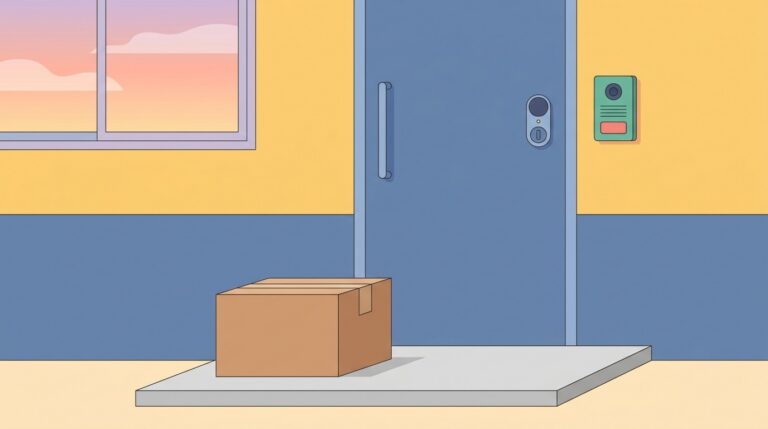
Imagine this scenario: It is 11:30 PM on a chilly Tuesday evening in Seoul. You realize you forgot to buy warm heat-tech socks for your weekend trip to Gangwon-do, or maybe you suddenly run out of contact lens solution. In most parts of the world, you would sigh, accept your fate, and wait 3 to 5 business days. But here in South Korea? You grab your smartphone, tap a few buttons on an app, and fall asleep. By 6:15 AM the next morning, a soft vibration on your phone alerts you with a photo: your package is already resting quietly outside your front door.
Welcome to the magic of Korea’s legendary logistics ecosystem, famously known through services like 로켓배송 (Rocket Delivery) and 새벽배송 (Dawn Delivery). Many of our international students tell us: “I see Korean characters order things at night and unpack them at dawn in K-dramas, but whenever I try to talk about tracking my orders or returning something, I freeze up!” Today, we are going to fix that. Drawing directly from real-life student questions and daily life in Korea, this guide gives you the exact phrases you need to track shipments, inform friends, and handle deliveries like a savvy Seoulite.
Phase 2: Key Expressions Breakdown
Here are three essential expressions you will hear and use constantly when shopping online in Korea.
1. 로켓배송으로 시켰어요 (Roket-baesong-euro sikyeosseoyo)
- Pronunciation: [Ro-ket-bae-song-eu-ro shi-kyeo-sseo-yo] (Sounds like: Row-ket bay-song-oo-roh she-kyeo-so-yo)
- Meaning: Literal: “I ordered by Rocket Delivery.” | Real Nuance: “Don’t worry, it’s coming super fast via Coupang!”
- K-Culture Moment: You’ll hear this in office breakrooms or university dorms when someone realizes they need something immediately: “Don’t go to the store, I already ordered it via Rocket Delivery!”
- Editor’s Insight: The particle -으로 (-euro) denotes “by means of / via”. The verb 시키다 (sikida) strictly means “to order (goods/food)” in casual everyday speech, preferred over the formal 구매하다 (to purchase).
- Situation Spectrum: Casual: ✅ | Semi-formal: ✅ | Formal: ⚠️ (Use ‘주문했습니다’ in formal business presentations)
- 🤔 Think About It: Why did a private brand name like Coupang’s “Rocket Delivery” become an everyday household noun in Korean speech, much like “Googling” in English?
2. 내일 새벽에 바로 도착한대요 (Naeil saebyeoge baro dochakhandaeyo)
- Pronunciation: [Nae-il sae-byeo-ge ba-ro do-cha-khan-dae-yo] (Sounds like: Nay-eel say-byuh-geh bah-row doh-chah-kahn-day-yo)
- Meaning: Literal: “They say it arrives right at dawn tomorrow.” | Real Nuance: “The app confirmed it’ll be at my door before morning!”
- K-Culture Moment: Seen in vloggers’ morning routines where they open their front doors at 7 AM to unbox fresh salad packages.
- Editor’s Insight: Notice the ending -ㄴ대요 / -대요 (-ndaeyo / -daeyo). This is elementary indirect speech (간접화법), meaning “Someone / the system told me that…”. It shows you are quoting the delivery app’s notification.
- Situation Spectrum: Casual: ✅ | Semi-formal: ✅ | Formal: 🚫 (In formal settings, use ‘도착한다고 합니다’)
- 🤔 Think About It: In your home country, does “dawn delivery” exist, or do package couriers only deliver during regular daytime hours?
3. 문 앞에 두고 가주세요 (Mun ape dugo gajuseyo)
- Pronunciation: [Mun a-pe du-go ga-ju-se-yo] (Sounds like: Moon ah-peh doo-goh gah-joo-seh-yo)
- Meaning: Literal: “Please leave it in front of the door and go.” | Real Nuance: “Please contactless-drop it by my doorstep.”
- K-Culture Moment: The standard instruction pre-selected in 95% of Korean delivery requests, ensuring contactless, hassle-free delivery.
- Editor’s Insight: 두다 (duda) means “to leave/put down”, and -고 가다 (-go gada) means “to do and leave”. Combined with the polite request -아/어 주세요 (-a/eo juseyo), this is the most natural sentence to write in delivery notes.
- Situation Spectrum: Casual: ⚠️ (To an elder delivery courier, always keep the polite ‘요’) | Semi-formal: ✅ | Formal: ✅
- 🤔 Think About It: Korea has an exceptionally high level of public safety where leaving packages outside apartment doors is rarely met with package theft. How does language reflect trust in public spaces?
Phase 3: Textbook Korean vs Real Korean
Let’s upgrade your language from stiff classroom dialogues to vibrant, natural native speech.
Situation 1: Asking when a parcel will arrive
- 📖 교과서 한국어 (Textbook): 택배가 언제 도착합니까? (Taekbaega eonje dochakhapnikka? – “When will the courier shipment arrive?”)
- 🗣️ 진짜 한국어 (Real-life): 택배 언제 와요? (Taekbae eonje wayo? – “When’s the package coming?”)
- 💡 왜 다를까? (Why is it different?): Native speakers naturally favor pure Korean movement verbs like 오다 (to come) over heavy Sino-Korean words like 도착하다 (to arrive) in day-to-day conversation.
Situation 2: Celebrating that the item has arrived
- 📖 교과서 한국어 (Textbook): 상품 배송이 완료되었습니다. (Sangpum baesongi wanryodoe-eotseumnida. – “The merchandise delivery has concluded.”)
- 🗣️ 진짜 한국어 (Real-life): 벌써 문 앞에 왔어요! (Beolsseo mun ape wasseoyo! – “It’s already arrived at my doorstep!”)
- 💡 왜 다를까? (Why is it different?): Automated app push alerts sound mechanical, but real humans convey delight using adverbs like 벌써 (already) and spatial points like 문 앞 (front of the door).
Phase 4: K-Culture Deep Dive & Non-Verbal Manners
4-1. 눈치 (Nunchi) & Front-Door Etiquette
In Korea, delivery couriers are on strict schedules driven by the national 빨리빨리 (ppalli-ppalli, hurry-hurry) mindset.
* The Non-Verbal Code: If you are home when the doorbell rings (Ding Dong!), you do not need to scramble to open the door instantly. In fact, opening the door while the courier is taking the delivery verification photo might startle them! Korean etiquette leans towards waiting 5 to 10 seconds, letting the courier complete their task, and taking the package inside after hearing their footsteps move down the hall.
* Writing Delivery Memos: When typing instructions into an app, adding a polite greeting like 수고하세요! (Sugo-haseyo! – Thank you for your hard work!) creates instant goodwill.
4-2. The Dawn Delivery Revolution (새벽배송)
Dawn delivery started with grocery platforms like Market Kurly and Coupang Rocket Fresh. Urban residents—often working long hours—rely on these services to receive milk, organic vegetables, and meal kits before waking up at 7 AM. This culture has even permeated K-Dramas, where the arrival of a dawn delivery insulated box (프레시백, Fresh Bag) outside an officetel door visually signals a busy, modern, independent urban lifestyle.
Phase 5: Real-World Roleplay Scenario
Setting: Minji (Alex’s Korean roommate) and Alex are in their living room at 10:45 PM. They suddenly realize they have no ground mat (돗자리) for their picnic along the Han River tomorrow morning.
- Minji: 알렉스, 내일 한강 갈 때 쓸 돗자리 찾았어? (Alex, naeil Hangang gal ttae sseul dotjari chajasseo?) 🎭 Looking through the closet anxiously
- Alex: 아, 깜빡했어요! 지금 밤 11시인데 어떡하죠? (A, kkamppakhaesseoyo! Jigeum bam yeol-hansinde eotteokhajyo?) 🎭 Checking his watch with wide eyes
- Minji: 걱정하지 마. 쿠팡 로켓배송으로 시키면 돼. (Geokjeonghaji ma. Kupang roket-baesong-euro sikimyeon dwae.) 🎭 Calmly tapping her phone screen
- Alex: 지금 시켜도 내일 아침 전에 진짜 와요? (Jigeum sikyeodo naeil achim jeone jinjja wayo?) 🎭 Looking skeptical but curious
- Minji: 응! 로켓와우 회원은 아침 7시 전에 도착해. (Eung! Roket-wau hoewoneun achim ilgop-si jeone dochakhae.) 🎭 Showing the delivery guarantee badge on the screen
- Alex: 대박! 그럼 제가 바로 결제할게요. 배송 요청 사항은 뭐라고 써요? (Daebak! Geureom jega baro gyeoljehalgeyo. Baesong yocheong sahangeun mworago sseoyo?) 🎭 Taking out his card to pay
- Minji: ‘문 앞에 두고 가주세요’ 선택하고 공동현관 비밀번호 적어. (Mun ape dugo gajuseyo seontaekhago gongdong-hyeongwan bimil-beonho jeogeo.) 🎭 Pointing at the delivery memo line
- Alex: 로켓배송으로 시켜서 내일 새벽에 바로 도착한대요! (Roket-baesong-euro sikyeoseo naeil saebyeoge baro dochakhandaeyo!) 🎭 Smiling with relief and putting phone down
🔀 Interactive Decision Point
Suppose the app asks for the building’s main security door PIN. What should Alex input?
* Choice A (Best): Type the PIN with specific instructions: 공동현관 #1234 호출 누르세요 (Dial #1234 for the lobby door).
* Feedback: Perfect! Couriers can seamlessly enter without calling you in the dead of night.
* Choice B (Bad): Write 문 두드려주세요 (Please knock on my apartment door).
* Feedback: Oops! If the courier can’t get past the building lobby downstairs at 4 AM, your package might get delayed downstairs outside.
* Choice C (Risk): Leave it completely blank.
* Feedback: Risky! The courier might leave your package on the public sidewalk outside the building entrance to meet their time quota.
Phase 6: 10-Second Emotion Shadowing Drill
Practice these lines with matching emotion markers and rhythm pauses (/ indicates a natural breath/pause):
[😊 안도하며 / Relieved and Reassuring]- 걱정 마요 / 로켓배송으로 시켰어요!
- (Geokjeong mayo / roket-baesong-euro sikyeosseoyo!)
- “Don’t worry / I ordered it via Rocket Delivery!”
[✨ 신나고 설레며 / Excited and Anticipating]- 내일 새벽에 / 바로 도착한대요!
- (Naeil saebyeoge / baro dochakhandaeyo!)
- “They said it’s arriving / right at dawn tomorrow!”
[🤝 정중하고 똑부러지게 / Polite and Crisp]- 택배 상자는 / 문 앞에 두고 가주세요.
- (Taekbae sangjaneun / mun ape dugo gajuseyo.)
- “As for the parcel box / please leave it in front of the door.”
Phase 7: K-Culture Mini Dictionary
- 새벽배송 (Saebyeok-baesong) | Dawn Delivery
- Delivery between midnight and 7:00 AM. Typically used for fresh groceries, emergency cosmetics, and breakfast supplies.
- 송장번호 (Songjang-beonho) | Tracking / Waybill Number
- The unique tracking code generated once an item leaves the logistics center. Input this into search portals to locate your courier van in real time.
- 반품 신청 (Banpum sincheong) | Return Request
- The digital process of sending back an item. In Korea, you simply click ‘반품 신청’ on the app, seal the box, leave it at your door, and the driver picks it up within 24 hours.
- 운송장 (Unsongjang) | Shipping Label (Barcode sticker)
- The sticker attached to packages with your address. Safety tip: Always peel this off or scribble over your personal phone number before throwing boxes into paper recycling!
Phase 8: Survival Kit for Travelers & Expats
Top 3 Survival Expressions
- 1. 택배 어디쯤 왔어요? (Taekbae eodijjeum wasseoyo?)
- Roughly where is my package right now?
- Pro Tip: Use this when inquiring with apartment concierge desks or shopping customer service chat agents.
- 2. 이거 반품하고 싶어요. (Igeo banpumhago sipeoyo.)
- I would like to return this item.
- Pro Tip: Most Korean online malls allow 7-day no-questions-asked returns if the tag is still attached.
- 3. 공동현관 비밀번호 알려드릴게요. (Gongdong-hyeongwan bimilbeonho allyeodeurilgeyo.)
- I will let you know the lobby entrance password.
- Pro Tip: Keep this handy in case a delivery driver sends you an SMS asking how to enter your building.
Editor’s Travel Note
If you are traveling in Korea without a domestic resident registration card (ARC) or Korean bank card, you can still experience speedy shopping! Check out the [Coupang Global shopping app interface] or purchase through platforms like Gmarket Global with international credit cards. For domestic food deliveries, apps like Baemin now support foreign-issued credit cards and multiple language options.
Phase 9: “한 발 더 깊이” (Thinking Deeper)
In South Korea, delivery speed is not merely a commercial selling point; it is a manifestation of collective consideration and social trust. When an online retailer promises delivery in 6 hours, it mirrors the intense societal value placed on respecting another person’s time. Furthermore, the practice of leaving hundreds of thousands of dollars worth of goods outside unattended doors every night without rampant package theft highlights the high-trust communal bond woven into modern apartment living.
💬 Your Turn: What is the standard delivery turnaround time in your home country? Would you trust courier drivers to leave deliveries outside your front door at 4:00 AM? Share your thoughts with us in the comments!
Phase 10: FAQ & Common Mistakes
Q: Can I use Coupang Rocket Delivery if I stay at a hotel or Airbnb in Korea?
A: Yes! For Airbnbs, simply ensure you write the exact unit number and the building’s front security door password in the delivery notes. For hotels, check with the front desk (프런트 데스크) first, as most will gladly receive and hold packages under your reservation name.
Q: What is the difference between 배달 (baedal) and 배송 (baesong)?
A: While both mean delivery, 배달 (baedal) is almost exclusively used for prepared food (pizza, fried chicken, lunchboxes), whereas 배송 (baesong) refers to retail parcel logistics (clothes, electronics, household goods).
Q: What happens if I order the wrong size on a Korean shopping app?
A: You don’t have to go to a post office! Open the order history tab, click 반품 신청 (Return Request) or 교환 신청 (Exchange Request). Pack the item back into the box, place it outside your door, and the same courier service will retrieve it automatically the following morning.
🚨 Common Mistakes (흔한 실수) Warning Board
- ❌ Mistake 1: Saying “치킨 배송해 주세요” (Please ship my fried chicken by parcel freight).
- Correct Action: Say “치킨 배달해 주세요” (Please deliver my chicken).
- ❌ Mistake 2: Forgetting the
#or*key on lobby door codes.- Correct Action: Write the exact sequence: e.g.,
종+1234or#1234*.
- Correct Action: Write the exact sequence: e.g.,
- ❌ Mistake 3: Discarding the original box and tags before inspecting your goods.
- Correct Action: Keep the box and transparent vinyl intact until you confirm you won’t need a 반품 (return), as Korean couriers require proper outer packaging to accept returns.
Phase 11: Action Missions
- 🥉 Bronze Mission (Self Practice): Say the sentence “로켓배송으로 시켜서 내일 새벽에 도착한대요!” aloud 3 times, using natural emotion.
- 🥈 Silver Mission (Social Connection): The next time you order an item online or talk with a Korean friend, message them: “택배 시켰어요! 문 앞에 두고 가달라고 했어요!”
- 🥇 Gold Mission (Real Life): Order an item using a Korean shopping or delivery app, successfully input the delivery note “문 앞에 두고 가주세요”, and pick up your parcel the next morning.
- 🎮 K-Culture Mission: Watch an episode of a modern Korean drama or apartment vlog, and spot the moments when characters receive a text photo of their door with boxes outside!
Phase 12: Interactive Quiz Challenge
Test your understanding of Korean online shopping culture!
1. Situational Choice
You are staying at an officetel and want the courier to leave the package by your door quietly without ringing the bell. Which note should you write?
* (A) 직접 받고 서명할게요 (I will receive it in person and sign)
* (B) 벨 누르지 말고 문 앞에 두고 가주세요 (Don’t ring the bell, please leave it by the door)
* (C) 경비실에 맡겨두고 전화 주세요 (Leave it in the security office and call me)
2. Fill in the Blank
Complete the sentence using the indirect quoting grammar ending (-대요):
“쿠팡 앱 보니까 내일 아침에 바로 ________.” (Seeing the Coupang app, they say it arrives right tomorrow morning.)
3. Cultural True or False
True or False: In Korea, if you submit a return request online, you are usually expected to carry your package to the post office yourself.
👉 Click to view quiz answers & explanations!
- Answer: (B)
- Explanation: ‘벨 누르지 말고’ means ‘without ringing the bell’, paired with ‘문 앞에 두고 가주세요’ (please leave it at the door). This is the gold standard for peaceful deliveries.
- Answer: 도착한대요 (Dochakhandaeyo)
- Explanation: 도착하다 + -ㄴ대요 creates the indirect quotation meaning “the app/company reports it will arrive”.
- Answer: False
- Explanation: Most Korean courier and e-commerce platforms offer doorstep pickup (문 앞 수거). You merely leave the taped package outside your door, and they retrieve it without you ever visiting a post office.
- Explanation: Most Korean courier and e-commerce platforms offer doorstep pickup (문 앞 수거). You merely leave the taped package outside your door, and they retrieve it without you ever visiting a post office.
🎬 Watch Our Daily Videos! (Daily Hangul Official Instagram)
Review the expressions you learned in this article with our fun daily short videos! Check out native pronunciation and real-life nuances in action.
- Instagram @dailyhangul_en







