

Why Pour Water on Boiling Soup? The Korean Art of Radical Problem Solving
Phase 1: Empathy (Story-Driven Opening)
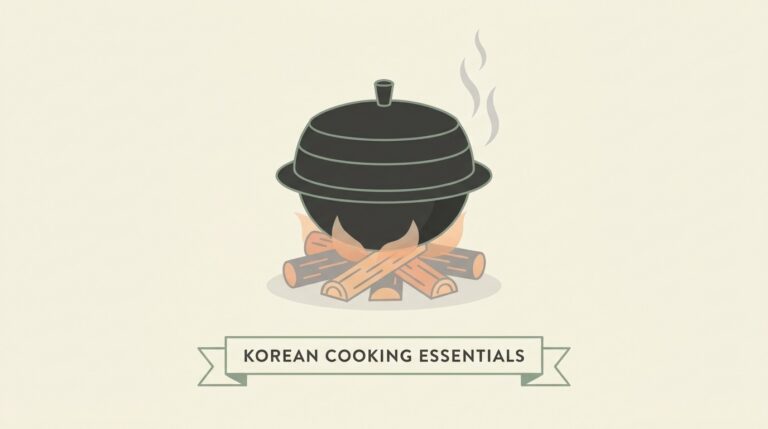
안녕하세요! 매일한글 에디터입니다. (Hello! It’s your Daily Hangul editor.) Have you ever watched a high-stakes K-Drama like Queen of Tears or Agency and seen an executive boardroom completely meltdown over a scandal? The PR team frantically rushes in, suggesting cosmetic press releases or silencing whistleblowers with hush money—only for the visionary protagonist to sigh and say: “That is just pouring water into a boiling cauldron. We need to pull the burning firewood out from the bottom.”
In Korean corporate and strategic culture, treating symptoms while ignoring the structural disease is seen as the ultimate failure of leadership. When you operate at a professional C1 level in Korean, relying on generic expressions like “문제를 해결합시다” (Let’s solve the problem) sounds flat. Understanding four-character idioms (사자성어, sajaseongeo) that juxtapose short-term band-aids with fundamental solutions will instantly elevate your executive presence and conversational depth. Let’s delve into the ancient art of resolving crises once and for all.
Phase 2: 3 Key Expressions Deep-Dive
1. 부산저신 (釜底抽薪)
- Pronunciation: [Bujeochusin] (Think: Boo-jeo-choo-sheen)
- Meaning: Literally “taking the firewood out from beneath the cauldron.” Nuanced: Eliminating the root cause of a crisis to settle a chaotic situation once and for all.
- K-Culture Moment: Used by seasoned strategists in historical and corporate dramas when rejecting temporary compromises and choosing to disband the corrupted department entirely.
- Editor’s Insight: Instead of cooling boiling soup by adding cold water (which quickly boils again), you extinguish the flame. Use this when proposing structural reforms rather than superficial tweaks.
- Situation Spectrum: Casual 🚫 | Semi-formal ⚠️ | Formal/Executive ✅
- 🤔 Think About It: In your culture, do people value quick fixes that save face immediately, or do they tolerate short-term disruption to eliminate the source of the fire?
2. 하석상대 (下石上臺)
- Pronunciation: [Haseoksangdae] (Think: Ha-seok-sang-dae)
- Meaning: Literally “taking a stone from the bottom of a wall to build the top.” Nuanced: Robbing Peter to pay Paul; a self-defeating stopgap measure that eventually collapses the whole structure.
- K-Culture Moment: Heard frequently in financial news or tech startup post-mortems when founders burn emergency funds to pay off short-term debts without fixing their revenue model.
- Editor’s Insight: This carries a tone of critical warning. It implies that the current solution is an illusion creating an even bigger vulnerability beneath.
- Situation Spectrum: Casual ⚠️ | Semi-formal ✅ | Formal ✅
- 🤔 Think About It: How often do organizations disguise systemic risk as ‘innovative problem solving’?
3. 언 발에 오줌 누기
- Pronunciation: [Eon bare ojum nugi] (Think: Eon bah-reh oh-joom noo-gee)
- Meaning: Literally “peeing on frozen feet.” Nuanced: A desperate, shortsighted fix that gives momentary warmth but ends up freezing your feet solid shortly after.
- K-Culture Moment: A blunt, gritty native Korean proverb favored by veteran team leads and no-nonsense business mentors when junior staff suggest cosmetic damage control.
- Editor’s Insight: While ‘하석상대’ is an intellectual Chinese-character idiom, ‘언 발에 오줌 누기’ is raw and visceral. It highlights the immediate regret that follows a lazy workaround.
- Situation Spectrum: Casual ✅ | Semi-formal ✅ | Formal (official address) ⚠️
- 🤔 Think About It: Notice the graphic realism in Korean folk expressions—it emphasizes the physical consequence of poor decision-making.
Phase 3: Textbook Korean vs Real Korean
Situation 1: Rejecting a superficial PR campaign
- 📖 교과서 한국어: 이 방법은 근본적인 해결책이 아닙니다. (I bangbeobeun geunbonjeogin haegyeolchaegi animnida. – This method is not a fundamental solution.)
- 🗣️ 진짜 한국어: 그건 언 발에 오줌 누기일 뿐이에요. 지금은 부산저신(釜底抽薪)의 결단이 필요합니다. (Geugeon eon bare ojum nugi-il ppunieyo. Jigeumeun bujeochusin-ui gyeoldani piryohamnida. – That is merely peeing on frozen feet. What we need right now is the decisive resolve to pull the firewood from the furnace.)
- 💡 왜 다를까? Educated Korean speakers blend vivid proverbs with elegant Classical Chinese idioms (sajaseongeo) to deliver sharp critique without appearing emotionally unhinged.
Situation 2: Analyzing a company borrowing money to pay existing loans
- 📖 교과서 한국어: 빚으로 빚을 갚으면 나중에 더 큰 문제가 됩니다. (Bijeuro bijeul gapeumyeon najunge deo keun munjega doemnida. – If you pay debt with debt, it becomes a bigger problem later.)
- 🗣️ 진짜 한국어: 하석상대식으로 버티다가는 조직 전체가 무너집니다. (Haseoksangdae-sigeuro beotidaganeun jojik jeonchega muneojimnida. – If we keep holding on using a rob-Peter-to-pay-Paul approach, the entire organization will collapse.)
- 💡 왜 다를까? Attaching “-식으로” (in the style of) to a four-character idiom instantly turns an ancient phrase into a crisp analytical tool in boardroom debates.
Phase 4: K-Culture Deep Dive & Non-Verbal Manners
4-1. 눈치 (Nunchi) & Gestures: Delivering Uncomfortable Truths
In Korean corporate hierarchy, telling senior management that their proposed plan is a stopgap measure requires extraordinary Nunchi (social intuition).
* Hand Posture: Never point fingers. Keep both hands resting on the table or lightly clasped together. When introducing the radical solution (부산저신), make a slow, pressing-down motion with both palms to project stability and calm.
* Voice Modulation: Drop your pitch by half an octave. Fast speech sounds panicked; slow, measured articulation signals that you have diagnosed the root cause from a 10,000-foot strategic view.
4-2. Cultural Code: The ‘Gamasot’ (가마솥) Philosophy
The idiom 부산저신 hinges on the imagery of the Gamasot—the heavy, traditional Korean cast-iron cauldron. A gamasot holds intense heat for hours. If water boils over in a gamasot, throwing cold water into it is futile because the thick iron retains blazing heat. The only way to stop the boil is to open the stove hearth (agungi) and drag out the red-hot embers. Koreans innately connect this image to institutional crises: superficial fixes cannot cool an overheated system; you must clear the hearth.
Phase 5: Real-World Roleplay Scenario
- Setting: Boardroom of a high-growth tech startup in Pangyo Techno Valley.
- Characters: Director Park (박 이사, seasoned conservative executive) & You (Senior Strategy Lead).
- 박 이사: 이번 서버 다운 사태, 일단 할인 쿠폰을 뿌려서 고객 불만을 잠재우는 게 어떻습니까? (Ibeon seobeo daun satae, ildaen hal-in kuponeul ppuryeoseo gogaek bulmaneul jamjae-uneun ge eotteosumnikka? / Regarding this server outage, what if we issue discount coupons for now to quiet user complaints?) 🎭 Wiping sweat from his forehead with a handkerchief.
-
You: 이사님, 그 방식은 언 발에 오줌 누기가 될 수 있습니다. (Isanim, geu bangsigeun eon bare ojum nugi-ga doel su itseumnida. / Director Park, that approach could end up being like peeing on frozen feet.) 🎭 Speaking with a composed, steady eye contact.
-
박 이사: 하지만 지금 당장 여론이 끓어오르고 있는데 가만히 있을 수는 없잖습니까? (Hajiman jigeum dangjang yeoroni kkeureo-oreugo inneunde gamanhi isseul suneun eopjanseumnikka? / But public sentiment is boiling over right now; we can’t just do nothing, can’t we?) 🎭 Leaning forward defensively.
-
You: 겉으로 끓는 물에 찬물을 부어봤자 금방 다시 넘칠 뿐입니다. (Geoteuro kkeulneun mure chanmureul bueobwatja geumbang dasi neomchil ppunimnida. / Pouring cold water over a boiling pot will only make it boil over again in no time.) 🎭 Maintaining open posture without aggression.
-
박 이사: 그럼 자네가 생각하는 대안은 뭐요? (Geureom jane-ga saenggakhaneun dae-aneun mwoyo? / Then what is the alternative you have in mind?) 🎭 Folding his arms, testing your resolve.
-
You: 지금은 부산저신(釜底抽薪)의 지혜가 필요합니다. 구형 인프라 자체를 교체해야 합니다. (Jigeumeun bujeochusin-ui jihyega piryohamnida. Guhyeong impeura jache-reul gyo-chehaeya hamnida. / Right now, we need the wisdom of Bujeochusin. We must overhaul the legacy infrastructure itself.) 🎭 Presenting the blueprint sheet onto the table.
-
박 이사: 비용과 시간이 만만치 않을 텐데… 결단이 쉽지 않군요. (Biyong-gwa sigani manmanchi aneul tende… gyeoldani swipji ankungnyo. / The cost and time will be formidable… It’s not an easy decision to make.) 🎭 Looking down thoughtfully at the proposal.
-
You: 하석상대식 땜질 처방으로는 더 큰 재앙을 막을 수 없습니다. 제가 책임지고 마이그레이션을 이끌겠습니다. (Haseoksangdae-sik ttaemjil cheobang-eoroneun deo keun jae-ang-eul mageul su eopseumnida. Jega chaegimjigo ma-igeureisyeoneul ikkeulgetseumnida. / We cannot prevent a bigger disaster with stopgap stone-shifting remedies. I will take responsibility and lead the migration.) 🎭 Delivering the closing line with unwavering conviction.
🔀 Interactive Decision Point
How would you conclude your argument to Director Park?
* Choice A: “이사님이 결정 안 하시면 그냥 쿠폰이나 보내고 퇴근하겠습니다.” (If you don’t decide, Director, let’s just send coupons and clock out.)
* Choice B: “당장의 손실을 감수하더라도, 장작을 빼내야 가마솥이 터지는 것을 막을 수 있습니다.” (Even if we endure short-term losses, we must pull out the firewood to prevent the cauldron from bursting.)
* Choice C: “다른 회사들도 다 쿠폰 주니까 우리도 그렇게 하죠.” (Other companies also give coupons, so let’s just follow them.)
Feedback:
* Choice A (Bad): Disrespectful and shows passive-aggressive defeatism. Destroys executive trust.
* Choice B (Best): Brilliant C1 rhetoric! Connects the metaphor back to risk mitigation, demonstrating executive foresight.
* Choice C (Risk): Erases your strategic value. Confirms complacency and avoids solving the root vulnerability.
Phase 6: 10-Second Emotional Shadowing Drill
Train your rhythm, cadence, and pauses (/) like an executive leader:
[💼 냉철하고 단호하게 / Cool & Resolute]- “미봉책으로 시간을 벌기보다는 / 문제의 뿌리를 뽑아야 합니다.”
- (Mibongchaegeuro siganeul beolgibodaneun / munjewi ppurireul ppobaya hamnida. / Rather than buying time with makeshift band-aids, we must uproot the problem.)
[💡 번뜩이는 통찰력으로 / Visionary & Insightful]- “끓어넘치는 솥에 찬물을 붓지 말고 / 밑에서 타는 장작을 꺼냅시다.”
- (Kkeureoneomchineun sote chanmureul butji malgo / mit-eseo taneun jangjageul kkeonaepsida. / Instead of pouring cold water into an overflowing cauldron, let us pull out the burning firewood from underneath.)
[⚠️ 엄중하게 경고하며 / Solemn Warning]- “아랫돌 빼서 윗돌 괴는 식의 대응은 / 결국 파국을 부를 뿐입니다.”
- (Araetdol ppaeseo witdol goeneun sik-ui dae-eungeun / gyeolguk pagugeul bureul ppunimnida. / A response like shifting bottom stones to prop up the top will inevitably invite catastrophe.)
Phase 7: K-Culture Mini Dictionary
- 근본적 해결 (Geunbonjeok haegyeol) | Root-cause solution | Used across high-level policy, business proposals, and analytical essays to describe structural reform.
- 미봉책 (Mibongchaek) | Stopgap measure / cosmetic fix | Literally “sewing up a rip with fine stitches.” Implies patching over an error to hide it temporarily.
- 임기응변 (Imgieungbyeon) | Improvisation / quick adaptability | Positive or neutral ability to handle crises on the fly, unlike 미봉책 which is strictly negative.
- 원인 규명 (Won-in gyumyeong) | Ascertaining the root cause | Standard investigative vocabulary used in journalism and post-incident tech analyses.
Phase 8: Traveler and Expat Survival Kit
Top 3 Survival Phrases for Complex Dilemmas
- 임시방편 말고 제대로 고쳐주세요. (Imsibangpyeon malgo jedeoro gochyeojuseyo.)
- Pro Tip: Use this when a landlord or repair mechanic offers a half-hearted patch on a leaking boiler or broken air conditioner.
- 원인이 뭔지 먼저 확인해 볼까요? (Won-ini mwonji meonje hwaginhae bolkkayo?)
- Pro Tip: Great for collaborative problem solving with Korean colleagues without blaming individuals.
- 뿌리부터 뜯어고쳐야 합니다. (Ppuributeo tteudeogochyeoya hamnida.)
- Pro Tip: An idiomatic, native phrase meaning “We need to overhaul this from the ground up.”
Editor’s Travel Note: Living in Korea with Ease
When dealing with persistent apartment issues (like frozen pipes in winter) or complex bureaucratic registration at immigration, don’t rely on word-of-mouth shortcuts. Use the 네이버 지도 앱 다운로드 to locate specialized service centers (철물점 or 서비스센터), and register formal complaints directly via government portals for structural resolutions rather than temporary favors.
Phase 9: “한 발 더 깊이” (Deeper Reflection)
Korean culture is famous for Palli-Palli (hurry-hurry)—a drive that rebuilt an economy in half a century. However, the flip side of extreme speed has historically led to 부실공사 (shoddy construction) and hasty fixes. Today’s modern Korean intellectual class is undergoing a profound cultural pivot: from rapid stopgaps to profound structural integrity. The ancient wisdom of 부산저신 embodies this modern thirst for sustainable, honest systems over immediate cosmetic perfection.
💬 Your Turn: Have you ever applied a band-aid fix (언 발에 오줌 누기) to a life problem only to face a worse crisis later? Share your story in Korean or English in the comments below!
Phase 10: FAQ & Common Mistakes
Q: Is 부산저신 (Bujeochusin) common in daily casual chat?
A: No. It belongs to the high-register tier of C1/C2 Korean. Using it casually with friends at a barbecue restaurant sounds humorous or overly poetic. Save it for debates, business presentations, op-eds, or analytical essays.
Q: What is the difference between 미봉책 and 임기응변?
A: 미봉책 (makeshift measure) is inherently flawed and criticized because it ignores the future. 임기응변 (tactical agility) is praised as quick wit and creative problem solving under sudden constraints.
Q: Can 하석상대 (Haseoksangdae) be used for non-financial situations?
A: Yes! It can describe staffing issues (moving staff from one critical unit to cover another crisis, destabilizing both) or health habits (drinking excessive energy drinks to overcome sleep deprivation).
🚨 Common Mistakes Alert
- Mistake: Using 언 발에 오줌 누기 in a formal shareholder speech.
- Correct Action: Replace with formal Hanja idioms like 하석상대(下石上臺) or 임시방편(臨時方便).
- Mistake: Confusing 부산저신(釜底抽薪) with 배수진(背水之陣).
- Correct Action: 배수진 means burning your boats / fighting with your back against the river. 부산저신 strictly means eradicating the root cause of an issue.
- Mistake: Adding the marker -하다 directly to 부산저신.
- Correct Action: Say 부산저신의 지혜를 발휘하다 or 부산저신의 결단이 필요하다.
Phase 11: Action Missions
- 🥉 Bronze Mission (Solo): Read the Phase 6 Shadowing Drill aloud 3 times, mastering the transition from calm conviction to resolute authority.
- 🥈 Silver Mission (Social): Write a one-sentence comment on Instagram or LinkedIn describing a global tech trend using the phrase: “단순한 미봉책이 아닌, 근본적 해결(부산저신)이 필요합니다.”
- 🥇 Gold Mission (Real Life): Next time a teammate suggests an easy shortcut that could backfire, politely challenge them using: “그 방법은 하석상대가 될 위험이 있습니다.”
- 🎮 K-Culture Mission: Watch an episode of an investigative documentary like SBS 그것이 알고 싶다 or a drama like Stranger (비밀의 숲), and spot how detectives critique bureaucratic cover-ups as stopgaps.
Phase 12: Interactive Quiz Challenge
Question 1: Situational Judgment
A colleague suggests borrowing money from a high-interest lender to settle an overdue credit card payment for two weeks. Which idiom accurately critiques this fatal decision?
* A) 부산저신 (釜底抽薪)
* B) 하석상대 (下石上臺)
* C) 일석이조 (一石二鳥)
Question 2: Fill-in-the-Blank
“끓는 솥에 찬물을 붓는 것은 임시방편일 뿐, 장작을 빼내는 [ ]의 태도가 시급하다.”
Question 3: True / False Culture Check
True or False: 언 발에 오줌 누기 is derived directly from classical Chinese poetry.
👉 Click for Answers & Explanation
- Answer: B) 하석상대 (下石上臺). Pulling a bottom stone to fix the top roof is the quintessential definition of using high-interest debt to service existing debt.
- Answer: 부산저신 (釜底抽薪). Taking out the firewood underneath the boiling pot.
- Answer: False. 언 발에 오줌 누기 is a pure native Korean folk proverb (속담), grounded in the harsh winter agrarian realities of historic Korea, whereas 부산저신 is a classical idiom (사자성어).
🎬 Watch Our Daily Videos! (Daily Hangul Official Instagram)
Review the expressions you learned in this article with our fun daily short videos! Check out native pronunciation and real-life nuances in action.
- Instagram @dailyhangul_en







