

Phase 1: 공감 (Story Opening)
안녕하세요! 매일한글 에디터입니다. (Annyeonghaseyo! It is your Daily Hangul editor!)
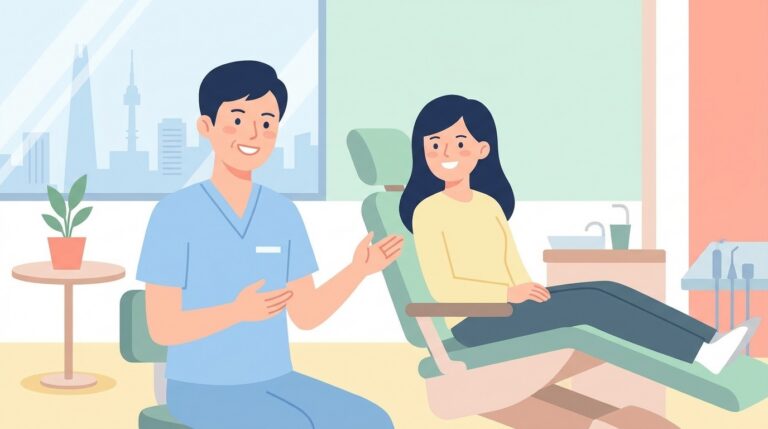
Picture this: You are lying back in a dental chair in a bright, hyper-modern clinic in Seoul. A soft green sheet covers your chest, high-tech monitors hum around you, and a dentist wearing a calm smile tilts your chair backward. You came in because of a nagging toothache from that notorious bottom wisdom tooth. You are nervous enough about drills and needles, but your heart really begins to race when the dentist gently leans in with an instrument and says something softly in Korean. You catch a few syllables, but freeze. Was that an instruction? Are they about to inject the medicine?
If you have watched K-dramas like Hospital Playlist or variety shows where celebrities shrink in fear at routine checkups, you know dental anxiety is a universal language. But here is the secret: Korean dentists use a very specific set of polite, reassuring scripts to keep you safe and comfortable. Once you understand the golden safety rule—raising your left hand—and recognize the warning words for that tiny needle prick, your appointment transforms from a nerve-wracking ordeal into a smooth, stress-free breeze. This practical guide is built on real experiences from international patients living in Korea. Let us get you completely prepared for your next visit!
Phase 2: 핵심 표현 3선 심층 분석 (Core Expressions)
1. 따끔해요 (Ttakkeumhaeyo)
- Pronunciation: [Ttak-kkeum-hae-yo] (Sounds like “tack-kume-hae-yo”; the double tt starts crisp like the ‘t’ in “stop”)
- Meaning: “It stings a little” / “It will pinch for a second.”
- K-Culture Moment: You hear this comforting warning in nearly every Korean medical setting—whether an idol gets a booster shot on a vlog or a doctor tends to a patient in a medical drama.
- Editor’s Insight: 따끔 (ttakkeum) is an onomatopoeic word miming a brief, sharp, pinpoint sensation. When spoken with the polite ending -해요, it is the dentist’s caring way of saying: “Breathe in; it is just a tiny pinch!”
- Situation Spectrum:
- Casual (따끔해): ⚠️ (Only with close younger friends or children)
- Semi-formal (따끔해요): ✅ (Standard in clinics and clinics)
- Formal (따끔합니다): ✅ (Polite clinical announcement)
- 🤔 Think About It: In English, doctors often say “sharp scratch” or “little pinch.” Korean uses sensory sound-words (의성어/의태어) to soften physical discomfort. Does your native tongue have a sound for a needle prick?
2. 아프면 왼손을 드세요 (Apeumyeon oenson-eul deuseyo)
- Pronunciation: [Ah-peu-myeon wen-soh-neul deu-seh-yo] (Think: “Ah-poo-myun Wayne-sone-ul de-say-yo”)
- Meaning: Literal: “If it hurts, please raise your left hand.” / Real Nuance: “Do not move your head or make a sudden sound; just signal me with your free hand.”
- K-Culture Moment: Seen in comedy skits where a patient raises both feet and hands at once because they are too startled to recall which side was left!
- Editor’s Insight: Why specifically the left hand (왼손)? Most dentists work sitting on your right side. Raising your right hand could accidentally hit the tray of sharp instruments or bump the doctor’s elbow!
- Situation Spectrum:
- Casual (아프면 왼손 들어): 🚫 (Unacceptable in medical care)
- Semi-formal (아프면 왼손 드세요): ✅ (Warm patient care)
- Formal (아프시면 왼손을 들어주세요): ✅ (Very polite and standard)
- 🤔 Think About It: Why give the patient an active non-verbal button? It establishes mutual trust and returns a sense of control to someone lying flat on their back.
3. 마취해 드릴게요 (Machwihae deurilgeyo)
- Pronunciation: [Mah-chwi-hae deu-ril-ge-yo] (“Mah-chwee-hae do-ril-gay-yo”)
- Meaning: Literal: “I will perform anesthesia for you.” / Real Nuance: “I am going to numb this area now so you will not feel any pain.”
- K-Culture Moment: In K-dramas, this phrase acts as the demarcation line right before a surgical sequence begins.
- Editor’s Insight: Notice the ending -해 드릴게요 (deurilgeyo). This is the humble honorific form of “to give” (주다). The doctor phrases the procedure not as something done to you, but as a dedicated service done for your comfort.
- Situation Spectrum:
- Casual (마취해 줄게): 🚫 (Too informal for clinical care)
- Semi-formal (마취해 드려요): ⚠️ (Acceptable but lacks the firm promise of intent)
- Formal (마취해 드릴게요 / 마취하겠습니다): ✅ (Most natural and reassuring)
- 🤔 Think About It: Korean verb endings change depending on who benefits from the action. Notice how medical staff intentionally frame procedures as favors done on your behalf.
Phase 3: 교과서 한국어 vs 진짜 한국어 (Textbook vs. Real Korean)
Situation 1: Letting the staff know you feel a sudden, sharp pain
- 📖 교과서 한국어 (Textbook): “저는 지금 심한 치통이 발생했습니다.” (Jeoneun jigeum simhan chitongi balsaenghaessseumnida. – “I have developed severe dental pain right now.”)
- 🗣️ 진짜 한국어 (Real-Life): “선생님, 찌릿하고 너무 아파요!” (Seonsaengnim, jjorithago neomu apayo! – “Doctor, it feels zapping sharp and hurts so much!”)
- 💡 왜 다를까? (Why the difference?): Standard textbooks introduce heavy medical nouns like 치통 (toothache). In real clinics, Koreans address the dentist respectfully as 선생님 (teacher/doctor) and use visceral, sensory adjectives like 찌릿하다 (electric, stinging, shooting sensation).
Situation 2: Checking if the numbness has settled in
- 📖 교과서 한국어 (Textbook): “마취가 완전히 되었습니까?” (Machwiga wanjeonhi doe-eossseumnikka? – “Has the anesthesia completed totally?”)
- 🗣️ 진짜 한국어 (Real-Life): “입술 쪽이 얼얼한 느낌 드세요?” (Ipsul jjogi eol-eol-han neukkim deuseyo? – “Does your lip feel tingly and numb yet?”)
- 💡 왜 다를까? (Why the difference?): Hygienists and doctors check the progress of local anesthesia by asking about physical sensations: 얼얼하다 (to feel numb, tingly, or swollen).
Phase 4: K-Culture 딥다이브 & 비언어적 매너 (Deep Dive & Body Language)
4-1. 눈치 (Nunchi) & Clinic Etiquette
- Keep Still, Hand Up: When you are in the chair, your verbal communication is cut off because of suction tubes, cotton rolls, and mirrors. Resisting the urge to say “Ah!” or move your head is essential. Korean dental safety relies on the quiet left-hand wave (왼손 들기). Just raise your left palm about 6 inches off your lap.
- Gargling Courtesy (가글 매너): When the assistant presses the cup button and tilts you up to rinse, cup your lips close to the basin and spit gently. In Korea, splashing water on the counter is considered unmindful of the hygienist’s workspace.
4-2. Culture Code: Korea’s High-Tech “Dental Hospitality”
Dental clinics (치과) in Korea are famous for speed, cutting-edge tech, and comfort. Many clinics utilize computer-controlled, painless local anesthesia machines (무통 마취기) that inject the fluid so slowly and steadily that you barely feel pressure. Moreover, you will find warm heated blankets (무릎담요) offered immediately as you sit down to ease tension—a hallmark of Korean 정 (warm communal care) combined with top-tier medical precision.
Phase 5: 실전 롤플레이 시나리오 (Real-Life Roleplay)
Setting: Clean, sunlit treatment room at Seoul Smile Dental. Dr. Kim sits to the right, adjusting the overhead lamp.
Characters:
* Dr. Kim (김 원장님): Calm, experienced dentist.
* Alex (알렉스): Foreign resident with a sore lower molar.
- Dr. Kim: “알렉스 님, 오늘 왼쪽 아래 사랑니 쪽 치료할게요.”
(Alex-nim, oneul oenjjok arae sarangni jjok chiryohalgeyo.)
“Alex, today we will treat your lower left wisdom tooth.”
🎭 [온화하게 미소 지으며 모니터 엑스레이를 가리킨다 / Smiling warmly and pointing at the X-ray on the monitor] -
Alex: “네, 원장님. 많이 아플까요? 조금 긴장돼요.”
(Ne, wonjangnim. Mani apeulkkayo? Jogeum ginjangdwaeyo.)
“Yes, Doctor. Will it hurt a lot? I am a bit nervous.”
🎭 [두 손을 배 위에 모으고 조심스럽게 묻는다 / Folding hands over the lap and asking timidly] -
Dr. Kim: “걱정 마세요. 먼저 잇몸에 마취 연고 바르고 주사 놓을게요.”
(Geokjeong maseyo. Meonjeo itmome machwi yeongo bareugo jusa noheulgeyo.)
“Don’t worry. I will apply a numbing cream to your gums first, then administer the injection.”
🎭 [작은 면봉을 들며 부드럽게 안심시킨다 / Holding a small cotton swab and reassuring gently] -
Alex: “마취 주사 놓을 때 많이 아픈가요?”
(Machwi jusa noheul ttae mani apeungayo?)
“Does the numbing shot hurt a lot?”
🎭 [눈을 동그랗게 뜨고 의사를 쳐다본다 / Eyes widening while looking up at the doctor] -
Dr. Kim: “마취 주사 놓을 때 살짝 따끔한데, 혹시 중간에 아프면 왼손을 드세요.”
(Machwi jusa noheul ttae saljjak ttakkeumhande, hoksi junggan-e apeumyeon oenson-eul deuseyo.)
“It will pinch slightly when giving the shot, but if it hurts during the process, raise your left hand.”
🎭 [알렉스의 왼쪽 팔을 톡톡 두드리며 신호를 확인시킨다 / Tapping Alex's left arm gently to confirm the signal] -
Alex: “네! 아프면 왼손만 살짝 들게요.”
(Ne! Apeumyeon oensonman saljjak deulgeyo.)
“Understood! If it hurts, I will just gently raise my left hand.”
🎭 [고개를 끄덕이며 깊게 심호흡한다 / Nodding slightly and taking a deep breath] -
Dr. Kim: “자, 따끔해요~ 숨 천천히 쉬세요. 잘하고 계세요.”
(Ja, ttakkeumhaeyo~ Sum cheoncheonhi swiseyo. Jalhago gyeseyo.)
“Here, a little pinch~ Breathe slowly. You are doing great.”
🎭 [주사를 조심스럽게 놓으며 차분한 목소리로 격려한다 / Administering the injection carefully while praising in a soothing tone] -
Alex: “…읍! (참을 만해요!)”
(…Eup! [Chameul manhaeyo!])
“…Mmh! (It is tolerable!)”
🎭 [눈을 감고 편안하게 힘을 뺀다 / Closing eyes and relaxing tense shoulders]
🔀 인터랙티브 분기점 (Choose Your Move)
During treatment, the drill touches a sensitive spot and you feel a sharp zing of pain. What do you do?
- Option A: Shout “아파요!” (Apayo!) loudly while jerking your head away from the drill.
- Option B: Silently and clearly raise your left hand at chest height while keeping your head still.
- Option C: Grab the dentist’s right arm with your right hand to stop him immediately.
Feedback:
* Option A [Bad]: Jerking your head while rotating dental drills are inside your mouth is very dangerous and can cause soft tissue lacerations. Always keep your head still!
* Option B [Best]: Perfect choice! Dr. Kim will stop the tool instantly, suction the area, and ask if you need an extra round of anesthesia.
* Option C [Risk]: Grabbing the doctor’s arm can cause tools to slip and risks injuring both the staff and yourself. Never touch the doctor’s hands during active work!
Phase 6: 10초 감정 섀도잉 드릴 (10-Second Emotion Shadowing)
Practice these lines out loud with the right tone and natural pauses (/ indicates a natural breath/pause):
[🥺 조금 겁먹고 긴장한 목소리로 / Hesitant and nervous]
“저기… / 마취 주사 / 많이 따끔한가요?”
(Jeogi… / machwi jusa / mani ttakkeumhangayo?)
“Excuse me… / the numbing injection / does it sting a lot?”-
[🩺 환자를 달래듯 다정하고 침착한 목소리로 / Soothing, patient doctor's tone]
“살짝 따끔해요~ / 아프시면 / 언제든 왼손 드세요.”
(Saljjak ttakkeumhaeyo~ / apisimyeon / eonjedeun oenson deuseyo.)
“Just a tiny pinch~ / if it hurts / raise your left hand anytime.” -
[🙋♂️ 치료 중 의사 표현을 명확하고 짧게 / Clear, polite patient response]
“선생님, / 아직 얼얼하지 않아요. / 조금 더 기다릴게요.”
(Seonsaengnim, / ajik eol-eolhaji anayo. / Jogeum deo gidarilgeyo.)
“Doctor, / it does not feel numb yet. / I will wait a little longer.”
Phase 7: K-Culture 미니 사전 (Key Vocabulary)
-
사랑니 (Sarangni)
- Meaning: Wisdom tooth (literally “love tooth”).
- Usage: Koreans believe wisdom teeth emerge in late adolescence when young people first experience the heart-wrenching pain of first love (첫사랑). When it hurts, you say: “사랑니 뽑으러 왔어요” (I came to pull out my wisdom tooth).
- 충치 (Chungchi)
- Meaning: Cavity / Tooth decay.
- Usage: Composed of Chinese characters 충 (bug/decay) and 치 (tooth). Used casually in everyday conversations: “단 거 많이 먹어서 충치 생겼어” (I got a cavity from eating too many sweets).
- 신경 치료 (Singyeong chiryo)
- Meaning: Root canal treatment (literally “nerve treatment”).
- Usage: If decay reaches deep, dentists suggest 신경 치료. It sounds gentler than “root canal,” but patients dread it just the same!
- 붓기 (Butgi)
- Meaning: Swelling / Puffiness.
- Usage: Common post-treatment question for extractions: “붓기 언제 빠져요?” (When will the swelling go down?). You will often be handed an ice pack (냉찜질 팩).
Phase 8: 여행자를 위한 생존 키트 (Traveler’s Survival Kit)
Survival Phrases TOP 3
- “마취 덜 풀렸어요.” (Machwi deol pul-lyeoss-eoyo.)
- English: “The anesthesia hasn’t worn off yet.”
- Pro Tip: Use this if you are leaving the clinic and someone offers you warm food or drinks too early.
- “침 삼켜도 되나요?” (Chim samkyeodo doenayo?)
- English: “May I swallow my saliva?”
- Pro Tip: Ask this when cotton rolls or retainers fill your mouth and you feel like swallowing.
- “진통제 처방해 주세요.” (Jintongje cheobanghae juseyo.)
- English: “Please prescribe me painkillers.”
- Pro Tip: Standard Korean post-care medicine usually includes pain relievers, digestive aids, and anti-inflammatory pills.
Editor’s Travel Note
- Finding English-speaking clinics: Use the 네이버 지도 앱 다운로드 to search for “외국인 진료 치과” (foreigner-friendly dental clinic) in major hubs like Gangnam, Itaewon, or Sinchon.
- Pharmacy Routine: Korean dental clinics do not dispense painkillers in-house. Take your printed prescription slip (처방전) immediately down to the pharmacy (약국) located on the first floor or next door to your clinic building. Most prescriptions are filled within 3 minutes!
Phase 9: “한 발 더 깊이” (Cultural Essay)
In many Western cultures, third molars are termed “wisdom teeth” because they emerge as a person reaches intellectual maturity. In Korea, however, they are named with poetic vulnerability: 사랑니 (sarang-ni), the “love tooth.” The naming reflects the Korean cultural habit of binding physical symptoms to emotional rites of passage. Just as your first deep romantic affection is sweet yet brings stinging tears you have never felt before, your wisdom tooth aches as it breaks through the gumline. Even in sterile clinics with computerized drills, the language retains this tender awareness of growing up.
💬 Your Turn: What do you call wisdom teeth in your country? Does the name relate to wisdom, adulthood, or something completely different? Let us know in the comments below!
Phase 10: FAQ & 오해 방지 (FAQ Schema)
Q: Can I visit a Korean dental clinic without an appointment as a foreigner?
A: Yes, walk-in visits (당일 접수) are widely accepted in Korea, especially in morning hours. However, for specialized treatments like tooth extractions (발치) or root canals, making a reservation via Naver or phone will save you from waiting over an hour.
Q: What if I accidentally raise my right hand instead of my left hand?
A: The dentist will likely pause and gently remind you: “왼손 들어주세요~” (Please raise your left hand~). Do not worry! Just keep your hand low and avoid bumping the equipment tray on the right.
Q: How much does a basic cavity or wisdom tooth consultation cost on a travel visa?
A: Without National Health Insurance (NHIS), an initial consultation with panoramic X-rays usually costs between 30,000 KRW to 60,000 KRW (approx. $22–$45 USD), which remains remarkably affordable compared to many Western countries.
🚨 흔한 실수 (Common Mistakes)
- Mistake 1: Trying to speak with tools in your mouth.
- Correct Action: Keep your mouth still and gently raise your left hand (왼손 들기).
- Mistake 2: Spitting forcefully into the spittoon while bleeding.
- Correct Action: Spitting creates negative oral pressure that dislodges blood clots. Swallow your saliva or let it gently drain into the sink bowl.
- Mistake 3: Drinking through a straw right after wisdom tooth removal.
- Correct Action: Straw suction causes painful dry sockets (드라이 소켓). Drink straight from the cup for at least 5–7 days.
Phase 11: 액션 미션 & 참여 유도 (Action Mission)
- 🥉 Bronze Mission (Solo Practice): Stand before a mirror, look at your lower teeth, and practice pronouncing: “선생님, 찌릿하고 아파요!” (Doctor, it feels zapping and hurts!).
- 🥈 Silver Mission (Community Sharing): Leave a comment sharing your funniest or most terrifying dental memory using the word 따끔해요 (ttakkeumhaeyo).
- 🥇 Gold Mission (Real-Life Readiness): Download a map app, locate a clinic near your stay in Korea, and note down their phone number with the opening line: “예약하고 싶은데요” (I would like to make an appointment).
- 🎮 K-Culture Mission: Next time you watch a medical K-drama, listen carefully to whether the doctors say 따끔해요 before injecting medication!
Phase 12: 인터랙티브 퀴즈 챌린지 (Quiz Challenge)
1. [상황 판단 / Situational Judgment]
You are having a cavity filled and the cold water spray hits an exposed root, causing sudden pain. What is the safest response?
* ① Say “선생님 잠깐만요!” while moving your chin back.
* ② Tap the dentist’s elbow with your right hand.
* ③ Keep your mouth open, remain still, and raise your left hand.
2. [빈칸 채우기 / Fill in the Blanks]
When warning a patient about a small needle prick, a Korean doctor says:
“마취 주사 놓을 때 살짝 ( ) 아프면 왼손을 드세요.”
* Hint: Think of the sound for a brief pinch/sting!
3. [문화 상식 / True or False]
In Korea, wisdom teeth are called 사랑니 because they are believed to cause feelings of love.
* (True / False)
👉 Click here for answers and explanations!
- Answer: ③
- Explanation: Moving your head or touching the doctor’s working hand can cause accidents. Silently raising your left hand is the universal protocol in Korean dental clinics.
- Answer: 따끔한데 (or 따끔해요)
- Explanation: 따끔하다 describes a brief pinching or stinging sensation from a shot.
- Answer: False
- Explanation: They are called 사랑니 because they appear around the age when youth typically experience their painful first love (첫사랑), not because they cause love!
- Explanation: They are called 사랑니 because they appear around the age when youth typically experience their painful first love (첫사랑), not because they cause love!







