

Phase 1: Empathy & Story-Driven Opening
안녕하세요! 매일한글 에디터입니다. (Hello! This is your Daily Hangul editor.)
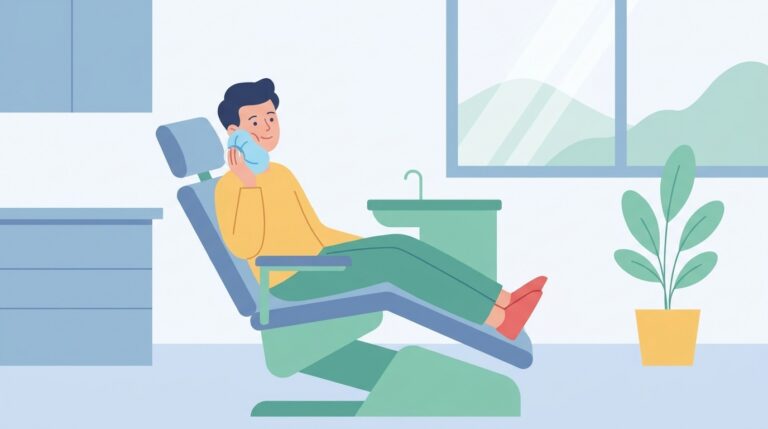
Picture this: You are on an exciting vacation in Seoul or studying abroad, enjoying street foods like spicy tteokbokki and crispy fried chicken, when suddenly—a sharp, throbbing ache shoots up the back of your jaw. Your wisdom tooth has decided to announce its arrival in the worst way possible. You muster the courage to walk into a spotless dental clinic in Gangnam, get through the X-rays, and survive the extraction. But then, as you sit numb in the dental chair with a mouthful of cotton pads, the dental assistant hands you a bag of ice and starts explaining aftercare instructions in rapid Korean!
Don’t worry, you are not alone. As a 10-year Korean cultural navigator, I have seen so many international friends freeze right here. How long do you bite the gauze? Can you spit out the blood? What about grabbing dinner? Missing these post-op instructions can turn a minor extraction into painful days of complications like dry socket. Today, we will decode the single most important instruction given in Korean dental clinics: “사랑니 뽑고 나서 두 시간 동안은 거즈를 꽉 물고 계세요” (After extracting the wisdom tooth, bite down firmly on the gauze for two hours). Based on real international patient experiences, this friendly guide will ensure your recovery is smooth, safe, and stress-free!
Phase 2: Key Expressions Deep Dive
Here are the 3 essential expressions you must know right after your wisdom tooth extraction.
1. 거즈를 꽉 물고 계세요 (Geojeureul kkwak mulgo gyeseyo)
- Pronunciation: Geo-jeu-reul kkwak mul-go gye-se-yo (Sound tip: ‘kkwak’ sounds like firmly squeezing a rubber toy with a tight ‘k-wahk’ sound!)
- Meaning: Literal: “Please be biting the gauze tightly.” / Real Nuance: “Keep biting down firmly on the gauze for clotting.”
- K-Culture Moment: In K-dramas, whenever an unlucky protagonist gets their tooth pulled, you see them walking out into the street with a swollen cheek, biting on gauze and unable to speak clearly on the phone.
- Editor’s Insight: ‘꽉’ (kkwak) is an expressive adverb showing tight pressure. ‘물다’ (mulda) means to hold in your mouth/bite. Combined with the polite honorific ‘-고 계세요’ (-go gyeseyo), medical staff use this to give caring, professional instructions.
- Situation Spectrum:
- Casual: 🚫 (Do not use this polite ending with close friends)
- Semi-formal: ⚠️ 거즈 꽉 물어요 (Geoju kkwak mureoyo)
- Formal/Polite: ✅ 거즈를 꽉 물고 계세요 (Geojeureul kkwak mulgo gyeseyo)
- 🤔 Think About It: In Korea, medical professionals give precise, imperative instructions for your well-being. Does your culture prefer direct clinical orders or softer suggestions?
2. 침이나 피는 삼키세요 (Chimin-a pineun samkiseyo)
- Pronunciation: Chim-in-a pi-neun sam-ki-se-yo (Sound tip: ‘chim’ sounds like ‘chime’ cut short; ‘pi’ sounds exactly like ‘pee’.)
- Meaning: Literal: “Please swallow saliva or blood.” / Real Nuance: “Swallow your saliva and blood; do not spit!”
- K-Culture Moment: Many Korean comedy webtoons show characters trying to spit into a sink after dental work, only to be stopped by a nurse screaming, “삼키셔야 해요!” (You must swallow it!).
- Editor’s Insight: Spitting creates negative pressure in your mouth, which dislodges the blood clot forming over your extraction site. Nurses will repeatedly emphasize this sentence.
- Situation Spectrum:
- Casual: 🚫
- Semi-formal: ⚠️ 침이랑 피 삼켜요 (Chimirang pi samkyeoyo)
- Formal/Polite: ✅ 침이나 피는 삼키세요 (Chimin-a pineun samkiseyo)
- 🤔 Think About It: Swallowing blood might sound unpleasant, but it is scientifically necessary. Notice how Korean uses ‘-이나’ (-ina, “or”) to group saliva and blood together naturally.
3. 얼음찜질 해 주세요 (Eoreum-jjimjil hae juseyo)
- Pronunciation: Eo-reum-jjim-jil hae ju-se-yo (Sound tip: ‘Eo-reum’ is like ‘uh-reum’, ‘jjim’ is like the ‘steam’ in Korean steamed dishes.)
- Meaning: Literal: “Please do an ice pack compress.” / Real Nuance: “Apply an ice pack to manage the swelling.”
- K-Culture Moment: K-pop idols often post selfies on Weverse or Instagram after getting their wisdom teeth pulled, sporting an ice pack strapped to their jaw and making a sad, cute face for their fans.
- Editor’s Insight: ‘찜질’ (jjimjil) means applying a therapeutic pack. Cold compress is ‘얼음찜질’ (eoreum-jjimjil) or ‘냉찜질’ (naeng-jjimjil), while warm compress is ‘온찜질’ (on-jjimjil). Yes, this is the root word for ‘Jjimjilbang’ (Korean bathhouse/spa)!
- Situation Spectrum:
- Casual: ⚠️ 얼음찜질 해 (Eoreum-jjimjil hae)
- Semi-formal: ✅ 얼음찜질 해 주세요 (Eoreum-jjimjil hae juseyo)
- Formal/Polite: ✅ 얼음찜질 해 주셔야 합니다 (Eoreum-jjimjil hae jusyeoya hamnida)
- 🤔 Think About It: Korean healthcare places strong emphasis on proactive post-care routines. Why do you think self-care rituals like ‘jjimjil’ are so deeply integrated into daily Korean life?
Phase 3: Textbook Korean vs. Real Korean
Let us bridge the gap between stiff classroom Korean and what real Koreans actually say at the dental counter!
Situation 1: Asking when you are allowed to eat
- 📖 교과서 한국어 (Textbook): “수술 후에 음식을 언제 섭취할 수 있습니까?” (Susul hue eumsigeul eonje seopchwihal su isseumnikka? / “When may I ingest food post-surgery?”)
- 🗣️ 진짜 한국어 (Real-life): “밥은 언제부터 먹을 수 있어요?” (Babeun eonjebuteo meogeul su isseoyo? / “When can I start eating meals?”)
- 💡 왜 다를까? (Why the difference?): Real Koreans rarely use formal Sino-Korean nouns like ‘섭취’ (ingestion) or ‘수술’ (surgery) for routine tooth pulls. Simply saying “밥” (meal/food) with the polite ‘-어요’ ending is natural and friendly.
Situation 2: Asking for painkiller refills
- 📖 교과서 한국어 (Textbook): “진통제를 추가로 처방해 주시겠습니까?” (Jintongjereul chugaro cheobanghae jusigesseumnikka? / “Could you prescribe additional analgesics?”)
- 🗣️ 진짜 한국어 (Real-life): “혹시 아플 때 먹는 약 더 받을 수 있어요?” (Hoksi apeul ttae meongneun yak deo badeul su isseoyo? / “By any chance, could I get more of the medicine for when it hurts?”)
- 💡 왜 다를까? (Why the difference?): In casual clinic dialogue, patients describe medicine by its function—”아플 때 먹는 약” (medicine taken when in pain)—which sounds softer and less demanding than asking for formal prescriptions.
Phase 4: K-Culture Deep Dive & Non-Verbal Manners
4-1. 눈치 (Nunchi) & Body Language at the Dentist
- The Muffled Nod: You will have gauze in your mouth, so talking is nearly impossible. Do not try to open your mouth to say “네!” (Yes). Instead, give a deliberate nod with warm eye contact and a slight bow from the neck. The staff know exactly what that means.
- The Two-Finger Confirmation: If you want to double-check the time limit, point toward your mouth, hold up two fingers, and tilt your head with a questioning look. They will immediately reply: “네, 두 시간이요!” (Yes, two hours!).
- Two-Handed Acceptance: When the nurse hands you the prescription paper and the ice pack, always receive it with both hands (or touch your left hand to your right forearm). This shows basic Korean politeness even when you are groggy from local anesthesia.
4-2. Cultural Code: The Poetic Meaning of ‘사랑니’ (Sarang-ni)
Did you know that in Korea, wisdom teeth are called 사랑니 (Sarang-ni)? ‘사랑’ (sarang) means “love”, and ‘니’ (ni) comes from ‘이’ (i), meaning “tooth”.
Why “love tooth”? Korean tradition holds that wisdom teeth sprout in late adolescence or early adulthood (around ages 18 to 22)—precisely the age when young people experience their first romantic love and heartbreak. Just like first love, it comes unexpectedly, causes deep throbbing pain, and often has to be let go!
Also, post-extraction meal culture is universally tied to 본죽 (Bonjuk), Korea’s most famous rice porridge franchise. Walking into Bonjuk with an ice pack held against your cheek is practically an official rite of passage for young adults in Korea!
Phase 5: Real-Life Roleplay Scenario
Setting: Seoul Gangnam Dental Clinic reception desk.
Characters: Nurse Min-ji (kind and efficient) and Alex (an expat biting down on gauze after a lower wisdom tooth extraction).
- Turn 1 (간호사 민지 / Nurse Min-ji): “알렉스 님, 오늘 사랑니 잘 뽑혔어요. 거즈는 두 시간 동안 꽉 물고 계셔야 해요.” (Alex-nim, oneul sarangni jal ppophyeosseoyo. Geojuneun du sigan dongan kkwak mulgo gyesyeoya haeyo. / “Alex, your wisdom tooth came out nicely today. You must bite down firmly on the gauze for two hours.”)
- Turn 2 (알렉스 / Alex): 🎭 (입을 벌리지 못하고 끄덕이며 웅얼거린다 / Unable to open mouth, nodding and mumbling) “…음, 네!” (…eum, ne! / “…Mmh, yes!”)
- Turn 3 (간호사 민지 / Nurse Min-ji): “침이랑 피는 절대 뱉지 마시고 삼키세요. 빨대도 쓰시면 안 돼요!” (Chimirang pineun jeoldae baetji masigo samkiseyo. Ppaldaedo sseusimyeon an dwaeyo! / “Never spit out saliva or blood; please swallow it. You must not use a straw, either!”)
- Turn 4 (알렉스 / Alex): 🎭 (깜짝 놀라며 손으로 빨대 마시는 시늉을 멈춘다 / Surprised, stops mimicking drinking through a straw) “빨대 안 돼요?” (Ppaldae an dwaeyo? / “No straw?”)
- Turn 5 (간호사 민지 / Nurse Min-ji): “네, 빨대 쓰면 피가 다시 나요. 처방전 드릴 테니까 바로 1층 약국 가세요.” (Ne, ppaldae sseumyeon piga dasi nayo. Cheobangjeon deuril tenikka baro ilcheung yakguk gaseyo. / “Yes, using a straw causes bleeding again. Here is your prescription, so please head to the first-floor pharmacy right away.”)
- Turn 6 (알렉스 / Alex): 🎭 (두 손으로 처방전과 얼음팩을 받으며 / Receiving the prescription and ice pack with both hands) “감사합니다. 약은 밥 먹고 먹어요?” (Gamsahamnida. Yageun bap meokgo meogeoyo? / “Thank you. Do I take the medicine after eating a meal?”)
- Turn 7 (간호사 민지 / Nurse Min-ji): “두 시간 뒤에 거즈 빼고, 미음이나 죽 드신 다음에 약 드세요. 얼음찜질도 잊지 마시고요!” (Du sigan dwie geoju ppaego, mieumina juk deusin daeume yak deuseyo. Eoreum-jjimjildo itji masigoyo! / “Remove the gauze after two hours, eat some thin rice soup or porridge, and then take the medicine. Don’t forget the ice compress!”)
- Turn 8 (알렉스 / Alex): 🎭 (얼음팩을 볼에 대고 가볍게 목례한다 / Placing the ice pack against cheek and bowing slightly) “네, 알겠습니다. 안녕히 계세요!” (Ne, algesseumnida. Annyeonghi gyeseyo! / “Yes, I understand. Goodbye!”)
🔀 Interactive Decision Point
You just left the clinic and the taste of blood in your mouth is bothering you. What should you do?
- Option A: Spit the blood forcefully into the nearest trash can so your mouth feels cleaner.
- Option B: Keep your jaws clenched on the gauze, gently swallow your saliva, and wait until the 2-hour timer ends.
- Option C: Remove the gauze right away to drink cold iced Americano through a plastic straw.
Feedback:
* Option A (Risk): ⚠️ Spitting creates suction pressure inside your oral cavity, which will dislodge the developing blood clot and trigger renewed bleeding.
* Option B (Best): ✅ Perfect! Constant physical pressure from biting down stops the bleeding, while swallowing keeps mouth pressure neutral.
* Option C (Bad): 🚫 Disastrous combo! Removing gauze too early halts clotting, and using a straw is the number one cause of dry socket!
Phase 6: 10-Second Emotional Shadowing Drill
Practice reading these sentences aloud! Follow the pause markers (/) and embody the emotional cues.
[😷 턱을 살짝 굳히고 신중하게 / Carefully with a steady jaw]
“거즈는 / 두 시간 동안 / 꽉 물고 계세요.”
(Geojuneun / du sigan dongan / kkwak mulgo gyeseyo.)-
[🚨 단호하지만 걱정스러운 표정으로 / Firm but genuinely caring]
“침이나 피는 / 뱉지 말고 / 꼭 삼키세요!”
(Chimin-a pineun / baetji malgo / kkok samkiseyo!) -
[🥺 아프고 조심스러운 목소리로 / Slightly hurt and asking softly]
“밥은 / 언제부터 / 먹을 수 있어요?”
(Babeun / eonjebuteo / meogeul su isseoyo?)
Phase 7: K-Culture Mini Dictionary
- 사랑니 (Sarang-ni)
- Meaning: Wisdom tooth (lit. “love tooth”).
- Usage: Used everywhere from medical visits to song lyrics. Example: “사랑니 났어요?” (Did your wisdom tooth come in?)
- 거즈 (Geoju)
- Meaning: Medical gauze / cotton pad.
- Usage: A loanword from English ‘gauze’. Example: “거즈 하나 더 주세요.” (Please give me one more piece of gauze.)
- 처방전 (Cheobangjeon)
- Meaning: Medical prescription.
- Usage: In Korea, clinics do not give medicine directly. You must take your ‘처방전’ to a pharmacy nearby. Example: “이 처방전 약국에 내세요.” (Hand this prescription to the pharmacy.)
- 본죽 (Bonjuk)
- Meaning: Korea’s premier porridge brand.
- Usage: The default post-dental meal for anyone in Korea recovering from wisdom tooth surgery. Example: “치과 끝나고 본죽 가자.” (Let’s go to Bonjuk after the dentist.)
Phase 8: Survival Kit for Travelers
Top 3 Survival Phrases for Dental Emergencies
- “사랑니가 너무 아파요.” (Sarangniga neomu apayo. / “My wisdom tooth hurts so much.”)
- Pro Tip: Use this at the reception desk upon walk-in so they quickly check X-ray availability.
- “마취 더 해 주세요.” (Machwi deo hae juseyo. / “Please give me more anesthesia.”)
- Pro Tip: If you feel sharpness during a procedure, raise your left hand and say this.
- “진통제 있어요?” (Jintongje isseoyo? / “Do you have painkillers?”)
- Pro Tip: Walk into any Korean pharmacy (약국) with a red “약” sign and ask this if you run out of pills at night.
Editor’s Travel Note
- Finding an English-Speaking Dental Clinic: Most university areas (Sinchon, Anam, Hyehwa) or expat hubs (Gangnam, Itaewon) feature clinics with English signs. Use the [Naver Map app download for English navigation] to search for “외국인 진료 치과” (dentists treating foreign patients) and review opening hours.
- Korean Pharmacy Proximity: In Korea, almost every medical building has a pharmacy on the ground floor. Take your prescription sheet straight to the counter. Prescription painkillers here are very affordable, often costing under 5,000 KRW (about $4 USD)!
Phase 9: One Step Deeper
Have you noticed how Korean dental staff speak to adult patients using deeply caring, almost parental grammatical patterns like “-아/어 주세요” (please do for us/me) and “-고 계세요” (please remain doing)?
In Western healthcare environments, medical instructions are often presented as individual advice: “It is recommended that you bite this gauze for two hours.” In Korea, healthcare is communal. The clinic staff view your quick recovery as a shared team goal. When a nurse says, “거즈 꽉 물고 계세요,” there is a warm undercurrent of shared responsibility: “We worked hard together to pull that tooth safely; now let’s make sure our team effort doesn’t go to waste!” Language reflects how Korean society cares for one another through clear, collective concern.
💬 Your Turn: Have you ever experienced a medical visit in Korea or another country? What surprised you most about the instructions or bedside manner? Share your story in the comments below!
Phase 10: FAQ & Avoiding Misunderstandings
Q: Can I spit out the bloody saliva if it tastes bad?
A: Absolutely not! Spitting creates negative pressure suction in your mouth, which pulls out the blood clot forming in the socket. If the blood clot pops out, bone and nerves are exposed, causing a severe condition called “dry socket” (드라이 소켓). Always swallow your saliva and blood.
Q: What should I do if bleeding continues after two hours?
A: Check if the gauze was placed correctly between your teeth. Clean your hands, fold a fresh sterile gauze square into a firm pad, position it directly over the extraction gap, and bite down firmly for another hour. If heavy bleeding persists, call the clinic right away.
Q: Can I drink an iced drink through a straw right after extraction?
A: No! Sucking on a straw creates the same suction force as spitting. For at least 3 to 5 days, drink directly from an open cup or use a small spoon.
🚨 Common Mistakes (흔한 실수 TOP 3)
- Mistake: Talking on the phone while biting gauze.
- Correct Action: Keep your mouth shut! Talking loosens the gauze pressure. Send text messages instead.
- Mistake: Eating hot, spicy kimchi stew (찌개) right after numbness wears off.
- Correct Action: Stick to cold or lukewarm soft foods like pumpkin porridge (호박죽) or ice cream for the first 24 hours.
- Mistake: Taking a hot bath, sauna, or vigorous workout on the same day.
- Correct Action: Elevated blood flow increases oral throbbing and bleeding. Rest quietly at home with your head propped up on an extra pillow.
Phase 11: Action Missions & Engagement
- 🥉 Bronze Mission (Self Practice): Look in the mirror, hold a clean tissue between your fingers, and say out loud three times: “거즈를 꽉 물고 계세요!”
- 🥈 Silver Mission (Social Learning): Leave a comment below translating this sentence without looking back: “침이나 피는 삼키세요!”
- 🥇 Gold Mission (Real Application): Next time you pass a Korean pharmacy (약국), find where they display cold fever packs or pain relievers and identify the word 진통제 (painkiller) or 찜질 (compress) on the package.
- 🎮 K-Culture Mission: Watch any medical K-drama (like Hospital Playlist or Dr. Romantic) and listen closely for the verb ending “-세요” when doctors give aftercare orders!
Phase 12: Interactive Quiz Challenge
Test your dental Korean knowledge! Tap each spoiler toggle to reveal the correct answer.
Quiz 1. Situation Judgment
After pulling your wisdom tooth, you feel thirsty and want to drink water. What is the safest way to drink?
* A) Drink an iced tea through a straw.
* B) Drink water slowly from a regular cup without sucking.
* C) Spit out your saliva first, then gulp quickly.
👉 Click to see the answer and explanation
Answer: B)
Explanation: Straws and spitting create oral suction that dislodges the blood clot, leading to bleeding and dry socket. Always sip gently from an open cup!
Quiz 2. Fill-in-the-Blank
Fill in the missing word based on what we learned today:
“거즈는 두 시간 동안 _____ 물고 계세요.”
* Hint: It means “tightly” or “firmly”!
👉 Click to see the answer and explanation
Answer: 꽉 (kkwak)
Explanation: ‘꽉’ (kkwak) is an expressive word indicating firm, tight pressure.
Quiz 3. Cultural True or False
In Korea, wisdom teeth are called “사랑니” because they only hurt when you are in a romantic relationship.
* True or False?
👉 Click to see the answer and explanation
Answer: False
Explanation: They are called “사랑니” (love tooth) because they typically emerge during late adolescence and early twenties, the age when people usually experience their first romantic love and its accompanying emotional pain!







