

Phase 1: Empathy (Story-Driven Opening)
안녕하세요! 매일한글 에디터입니다.
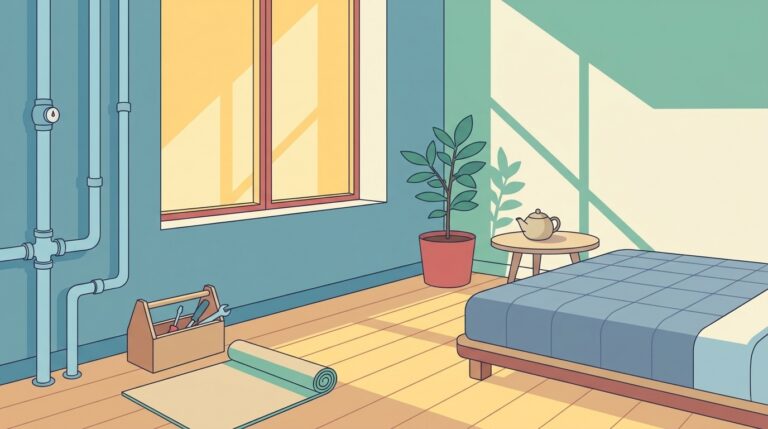
Imagine this: It is the middle of January in Seoul. Outside, the wind is howling along the Han River, and inside your cozy officetel or wonrum (one-room studio), you wake up to an icy chill. You check your digital wall controller, and the dreaded blinking numbers appear: an error code. Your boiler has given up, or worse, there is a mysterious puddle creeping out from beneath your sink pipe. Panic sets in. You manage to message your landlord or call an official repair service center, and they confirm: “기사님 (Gisanim – technician) will arrive in thirty minutes.”
If you have watched K-dramas like Because This Is My First Life or My Mister, you know that Korean urban apartments are marvels of compact efficiency. Space is precious. When the technician arrives carrying a heavy, metallic tool kit, every square inch of your floor counts. A common pain point for international residents is not knowing how to welcome a technician smoothly without getting in the way or causing awkward delays.
Today, we are mastering an essential, considerate B1-level phrase: 수리 기사님이 오시기 전에 작업 공간 주변의 짐을 미리 치워 두었어요 (Suri gisanim-i osigi jeone jageop gonggan jubyeon-ui jim-eul miri chiwo dueosseoyo – “Before the repair technician arrived, I cleared away items around the work area in advance”). Backed by real feedback from expat learners living across Korea, this guide will transform you from a stressed tenant into the ultimate, culturally savvy host!
Phase 2: Core Expressions Deep Dive
1. 수리 기사님이 오시기 전에 짐을 미리 치워 두었어요 (한글)
- Pronunciation: [Suri gisanim-i osigi jeone jimeul miri chiwo dueosseoyo] (Pronunciation tip: Think “Soo-ree gee-sah-neem-ee oh-she-gee jaw-neh jeem-eul mee-ree chee-woh doo-uh-ssuh-yo”)
- Meaning: Literally “Before the repair technician arrived, I cleared away the luggage/belongings in advance.” Nuance-wise, it shows considerate preparation for someone else’s workflow.
- K-Culture Moment: In reality shows like I Live Alone (나 혼자 산다), celebrities rush to move laundry racks and shoe boxes before the gas safety inspector or air conditioner repair technician rings the doorbell.
- Editor’s Insight: Notice the auxiliary verb -아/어 두다 (-a/eo duda). It does not just mean “I cleaned”; it specifically means performing an action ahead of time so the resulting state remains prepared for a future event. Adding 미리 (miri – in advance) doubles down on your thoughtful foresight!
- Situation Spectrum:
- Casual (반말): 수리 기사 오기 전에 짐 미리 치워 뒀어. (⚠️ Close friends only)
- Semi-formal (해요체): 수리 기사님이 오시기 전에 짐을 미리 치워 두었어요. (✅ Best for daily polite interactions)
- Formal (하십시오체): 수리 기사님 방문 전에 주변 짐을 미리 치워 두었습니다. (✅ Ideal for official landlord texts)
- 🤔 Think About It: In many Western cultures, a homeowner might simply point to the problem and let the tradesperson move what they need. Why does Korean culture place such heavy emphasis on setting up the physical workspace beforehand?
2. 작업하시기 편하게 자리 비워 드릴게요 (한글)
- Pronunciation: [Jageophasigi pyeonhage jari biwo deurilgeyo] (Pronunciation tip: “Jah-gup-hah-she-gee pyun-hah-geh jah-ree bee-woh deh-ril-geh-yo”)
- Meaning: “I will clear the spot so that it’s comfortable for you to work.”
- K-Culture Moment: When a repair person walks into your compact kitchen, saying this eases their burden instantly and sets a remarkably friendly tone.
- Editor’s Insight: The ending -아/어 드릴게요 (-a/eo deurilgeyo) shows respectful service to the other person. Combined with -하시기 편하게 (hasigi pyeonhage – comfortably for you), it acknowledges the physical labor they are about to perform.
- Situation Spectrum:
- Casual: 편하게 일해! (🚫 Inappropriate for visiting professionals)
- Semi-formal: 작업하시기 편하게 자리 비워 드릴게요. (✅ Most natural and warm)
- Formal: 원활한 작업을 위해 자리를 정돈해 드리겠습니다. (✅ Formal corporate/building management tone)
- 🤔 Think About It: How does phrasing an action as an active offering (“드릴게요”) change the social atmosphere inside your private home?
3. 보일러 쪽 물이 새서 그러는데, 한번 봐주시겠어요? (한글)
- Pronunciation: [Boilleo jjok muri saeseo geureoneunde, hanbeon bwajusigesseoyo?]
- Meaning: “Water is leaking on the boiler side, so could you please take a look?”
- K-Culture Moment: A desperate resident in an old hillside villa pointing at dripping pipes during a seasonal monsoon episode in a K-drama.
- Editor’s Insight: The phrase -서 그러는데 (-seo geureoneunde) is the ultimate Korean conversational buffer. Instead of bluntly commanding “Look at this leak!”, it gently cushions your request by establishing context first.
- Situation Spectrum:
- Casual: 여기 물 새는데 좀 봐줘. (🚫 Disrespectful to technicians)
- Semi-formal: 보일러 쪽 물이 새서 그러는데, 한번 봐주시겠어요? (✅ Perfect balance of politeness)
- Formal: 보일러 배관 누수 점검을 요청드립니다. (✅ Formal text or written claim)
- 🤔 Think About It: Why do Koreans prefer contextual prefaces (그러는데…) over direct requests when reporting domestic emergencies?
Phase 3: Textbook Korean vs. Real Korean
Scenario 1: Letting the technician know you relocated your personal items
- 📖 교과서 한국어 (Textbook): 제가 물건들을 다른 곳으로 옮겼습니다. (Jega mulgeondeul-eul dareun goseuro omgyeosseumnida. – “I transferred the items to another place.”)
- 🗣️ 진짜 한국어 (Real-world): 작업하시기 편하게 짐 다 치워 뒀어요! (Jageophasigi pyeonhage jim da chiwo dueosseoyo! – “I already moved all the stuff out of the way so you can work comfortably!”)
- 💡 왜 다를까? (Why is it different?): Textbook sentences rely on passive vocabulary like 옮기다 (to move/relocate) and stiff formal endings. Real native speakers use the warmer, action-ready compound verb structure 치워 두다 (chiwo duda – to clear away and keep clear) paired with the expressive adverb 다 (da – all/completely).
Scenario 2: Showing the technician where they can step
- 📖 교과서 한국어 (Textbook): 이 바닥을 밟아도 안전합니다. (I badak-eul balbado anjeonhamnida. – “It is safe to tread upon this floor.”)
- 🗣️ 진짜 한국어 (Real-world): 여기 밟고 작업하시면 돼요! (Yeogi balpgo jageophasimyeon dwaeyo! – “You can just step right here while working!”)
- 💡 왜 다를까? (Why is it different?): Korean homes do not allow outdoor shoes indoors. When a technician comes with heavy boots, explaining where they can step using the practical conditional pattern -(으)시면 돼요 (you may simply do…) is far more natural than describing objective safety facts.
Phase 4: K-Culture Deep Dive & Non-Verbal Manners
4-1. Nunchi (눈치) & Body Language
When a repair specialist knocks on your door:
1. The Shoe Conundrum: Korean homes are strictly barefoot zones (신발을 벗는 문화). However, technicians often carry heavy pipe wrenches or welding equipment. Technicians usually bring disposable shoe covers (덧신), but if they do not, laying down flat cardboard (박스 종이) or a designated vinyl sheet shows top-tier cultural sensitivity (센스).
2. The Beverage Gesture (음료수 건네기): When the technician steps inside, gesture toward the cleared space with two hands open. Once they inspect the issue, offering a small chilled can of vitamin drink like Vita500, Pocari Sweat, or warm canned coffee (캔커피) with both hands is a cherished cultural tradition in Korea. It signals: “I recognize your hard work.”
3. Tactful Distance: Do not hover three inches behind their shoulder while breathing down their neck. Stay nearby within earshot in case they ask a question, but give them physical space to dismantle pipes.
4-2. Cultural Code Analysis: The Honorific Title “기사님 (Gisanim)”
In English-speaking countries, you might call someone “the plumber” or simply use their first name. In Korea, address anyone with technical trades as 기사님 (Gisanim – Master Technician / Driver / Specialist), never as “아저씨” (Ajeossi – middle-aged man), which sounds dismissive in a professional home service context. Respecting their expertise through title honorifics ensures prompt, warm, and thorough service!
Phase 5: Real-Life Roleplay Scenario
Setting: A compact, sunlit studio apartment in Mapo-gu, Seoul. A sudden boiler pipe leak has occurred behind the washing machine. Technician Master Kim (김 기사님) arrives carrying a heavy blue toolkit.
- 김 기사님: 안녕하세요! 보일러 누수 접수 보고 방문했습니다. (Annyeonghaseyo! Boilleo nusu jeopsu bogo bangmunhaessumnida.)
🎭 Takes off his outer coat, prepares shoe covers at the entryway. - 학습자 (You): 안녕하세요, 기사님! 날씨 추운데 와주셔서 감사합니다. (Annyeonghaseyo, gisanim! Nalssi chuunde wajusyeoseo gamsahamnida.)
🎭 Bows politely with hands lightly clasped in front. - 김 기사님: 아이고, 아닙니다. 보일러가 베란다 세탁기 뒤쪽에 있죠? (Aigo, animnida. Boilleoga beranda setakgi dwijjoge itjyo?)
🎭 Glances toward the narrow veranda area with concern about tight space. - 학습자 (You): 네! 기사님이 오시기 전에 작업 공간 주변의 짐을 미리 치워 두었어요. (Ne! Gisanim-i osigi jeone jageop gonggan jubyeon-ui jim-eul miri chiwo dueosseoyo.)
🎭 Smiles warmly and gestures toward the completely empty pathway to the boiler. - 김 기사님: 아이구, 짐이 많았을 텐데! 이렇게 미리 배려해 주셔서 작업하기 정말 수월하겠네요. (Aigu, jimi manasseul tende! Ireoke miri baeryeohae jusyeoseo jageophagi jeongmal suwolhagetneyo.)
🎭 Visibly relieved, smiles brightly as he easily sets down his heavy toolkit. - 학습자 (You): 작업하시기 편하게 자리 비워 드릴게요. 천천히 봐주세요. (Jageophasigi pyeonhage jari biwo deurilgeyo. Cheoncheonhi bwajuseyo.)
🎭 Steps back to the living area to give him plenty of maneuvering room. - 김 기사님: 네, 밸브 패킹이 낡아서 물이 샜네요. 바로 교체해 드리겠습니다! (Ne, baelbeu paeking-i nalgaseo muri saetneyo. Baro gyochaehae deurigetseumnida!)
🎭 Expertly unscrews the pipe clamp without having to fight boxes. - 학습자 (You): 감사합니다. 이거 드시면서 하세요! (Gamsahamnida. Igeo deusimyeonseo haseyo!)
🎭 Hands him a canned beverage with both hands.
🔀 Interactive Decision Point
The technician notices an old secondary valve that looks fragile and asks: “이 밸브도 손보는 김에 같이 갈아드릴까요?” (Shall I replace this valve too while I’m at it?) How do you respond?
- Choice A: 네, 기사님 보시기에 교체하는 게 좋다면 그렇게 해주세요! 얼마 추가되나요? (Ne, gisanim bosigie gyochaehaneun ge jotdamyeon geureoke haejuseyo! Eolma chugadoenayo?)
👉 Feedback (Best): Fantastic! You acknowledge his expert judgment (기사님 보시기에) while proactively confirming extra costs with pristine politeness. - Choice B: 몰라요. 집주인한테 따지세요. (Mollayo. Jipjuin-hante ttajiseyo.)
👉 Feedback (Bad): Yikes! 따지다 means “confront/interrogate aggressively.” This will instantly freeze the room atmosphere and insult the technician. - Choice C: 그냥 다 공짜로 고쳐 주세요! (Geunyang da gongjjarogochyeo juseyo!)
👉 Feedback (Risk): Awkward! Demanding free labor (공짜) crosses professional boundaries and creates immense discomfort.
Phase 6: 10-Second Emotional Shadowing Drill
Practice these natural intonations by pausing at the slashes (/):
- [😊 Warm & Welcoming]
수리 기사님이 오시기 전에 / 작업 공간 주변의 짐을 / 미리 치워 두었어요!
(Suri gisanim-i osigi jeone / jageop gonggan jubyeon-ui jim-eul / miri chiwo dueosseoyo!) -
[🤝 Attentive & Considerate]
작업하시기 편하게 / 제가 저쪽으로 / 자리 비워 드릴게요.
(Jageophasigi pyeonhage / jega jeojjogeuro / jari biwo deurilgeyo.) -
[🙏 Grateful & Hospitable]
추운 날씨에 고생 많으셨습니다. / 이거 시원한 음료수 / 한 캔 드세요!
(Chuun nalssie gosaeng maneusyeosseumnida. / Igeo siwonhan eumryosu / han kaen deuseyo!)
Phase 7: K-Culture Mini Dictionary
-
기사님 (Gisanim)
Literal translation: Engineer / Master technician
Everyday usage: The polite and universal title for repair people, delivery drivers, and taxi drivers. Using this instead of generic terms instantly triggers mutual respect. -
짐을 치우다 (Jim-eul chiuda)
Literal translation: To clear away luggage/clutter
Everyday usage: 짐 (jim) does not only mean travel luggage; in domestic contexts, it refers to laundry baskets, cleaning supplies, or boxes cluttering living areas. -
-아/어 두다 (-a/eo duda)
Literal translation: To do and keep (in a state)
Everyday usage: Essential B1 grammar structure indicating you completed a task beforehand so the situation remains neat and prepared for the next step. -
누수 (Nusu) & 배수관 (Baesugwan)
Literal translation: Water leak / Drainage pipe
Everyday usage: Two emergency nouns every renter in Korea must memorize. When winter freezes pipes (동파) or summer floods drains, these words save your deposit!
Phase 8: Traveler & Resident Survival Kit
Top 3 Immediate Survival Phrases
- “물이 안 나와요.” (Muri an nawayo.) — “Water is not coming out.”
Pro Tip: Use this when your boiler pipes freeze during winter cold snaps (한파). - “보일러 에러 번호가 떠요.” (Boilleo ereo beonhoga tteoyo.) — “An error code is appearing on the boiler screen.”
Pro Tip: Take a photo of the digital panel to text your landlord or service rep. - “수리 비용은 어떻게 보내드리면 될까요?” (Suri biyong-eun eotteoke bonaedeurimyeon doelkkayo?) — “How should I send the repair fee?”
Pro Tip: Most technicians prefer instant mobile account transfer (계좌이체).
Editor’s Travel & Living Note
If you ever need urgent emergency plumbing tools or tape before a technician arrives, search for a local hardware store on the Naver Map navigation app. Simply enter 철물점 (cheolmuljeom). If broken parts or debris must be thrown out, ensure you dispose of them inside official volume-rate trash bags (종량제 봉투), which you can buy at any convenience store checkout counter.
Phase 9: “One Step Deeper” (Reflective Humanities Essay)
In Korean society, physical living spaces have historically been intimate, interconnected, and shared. When you invite a technician into your home, you are crossing the boundary between private shelter and public service. The linguistic pattern -아/어 두다 is not just a grammatical mechanic; it embodies the cultural virtue of 배려 (Baeryeo – thoughtful consideration).
By taking the time to clear away your personal items before the professional rings your doorbell, you non-verbally communicate: “I see your labor, I respect your time, and I treat you as a valued person rather than a transactional service.” This subtle foresight transforms an inconvenient home repair into a heartwarming human connection.
💬 Your Turn: Have you ever had a technician or repair person visit your apartment in your home country versus in Korea? What differences in etiquette did you notice? Share your stories in the comments below!
Phase 10: FAQ & Avoiding Misunderstandings
Q: Should I take off my shoes if the technician wears theirs inside?
A: You should remain in your indoor slippers or socks! Technicians may keep safety boots on or put on slip-on covers (덧신) to protect themselves from heavy falling tools or electrical risks. You do not need to mimic them.
Q: Who pays the repair fee—the tenant or the landlord?
A: In Korean leasing law (임대차 보호법), major structural fixtures like heating boilers, natural pipe aging, and roof leaks are legally the landlord’s (임대인) financial responsibility. Consumables (like light bulbs, faucet aerators, or clogged drains caused by tenant negligence) are usually paid by the tenant (임차인). Always inform your landlord before calling the repair service!
Q: Is giving a drink or snack mandatory?
A: It is never mandatory, but it is deeply appreciated. Handing a small bottled tea, canned coffee, or juice creates instant goodwill and often leads to the technician giving extra maintenance tips for free.
🚨 Common Mistakes Alert
- Mistake: Calling the technician “아저씨” (Ajeossi).
Correct Action: Always address them as 기사님 (Gisanim). - Mistake: Leaving private laundry or delicate items stacked next to the broken pipe.
Correct Action: Use 치워 두었어요 beforehand so they have at least a 1-meter radius of clear work floor. - Mistake: Handing payment cards or drinks with one single hand.
Correct Action: Use both hands (두 손으로) to express genuine appreciation.
Phase 11: Action Missions & Participation
- 🥉 Bronze Mission (Solo Shadowing): Stand in front of your bathroom sink or laundry machine, pretend a technician is arriving, and say out loud three times: “기사님, 오시기 전에 짐 미리 치워 뒀어요!”
- 🥈 Silver Mission (Community Sharing): Leave a comment below explaining which home appliance in your apartment causes you the most stress in Korean (e.g., 에어컨 – AC, 보일러 – boiler, 세탁기 – washer).
- 🎮 K-Culture Mission: Watch any modern slice-of-life K-drama episode featuring a moving day or repair scene. Spot whether the characters use 기사님 and offer drinks!
Phase 12: Interactive Quiz Challenge
1. Situational Judgment
You called a plumber for a clogged kitchen drain. The sink cupboard is packed with frying pans and dish soaps. What should you do before the technician rings the doorbell?
* (A) Leave everything inside so the technician knows what products you use.
* (B) Take out the pots and soaps in advance and say: “작업하시기 편하게 짐을 미리 치워 두었어요.”
* (C) Wait until the technician arrives and ask them to move the pots for you.
2. Fill in the Blank
수리 기사님이 오시기 _______ 짐을 미리 치워 두었어요.
(Hint: The grammatical connector meaning “before doing an action”)
* (A) 때문에 (ttaemune)
* (B) 전에 (jeone)
* (C) 동안에 (dong-ane)
3. Cultural True or False
- Statement: In Korea, addressing an air conditioner repair technician as “기사님” (Gisanim) is considered impolite, and you should call them “선생님” (Seonsaengnim) instead. (True / False)
Click to reveal answers & explanations!
-
Answer: (B)
Explanation: Clearing items out of the way demonstrates excellent Korean etiquette (배려) and saves valuable time for the technician. -
Answer: (B) 전에
Explanation: The construction -기 전에 attaches to verb stems (오다 -> 오기 전에) to indicate “before doing [verb]”. -
Answer: False
Explanation: 기사님 is the exact, most respectful, and professional title for technical specialists in Korea. While 선생님 is polite, 기사님 is the culturally precise industry standard!







