

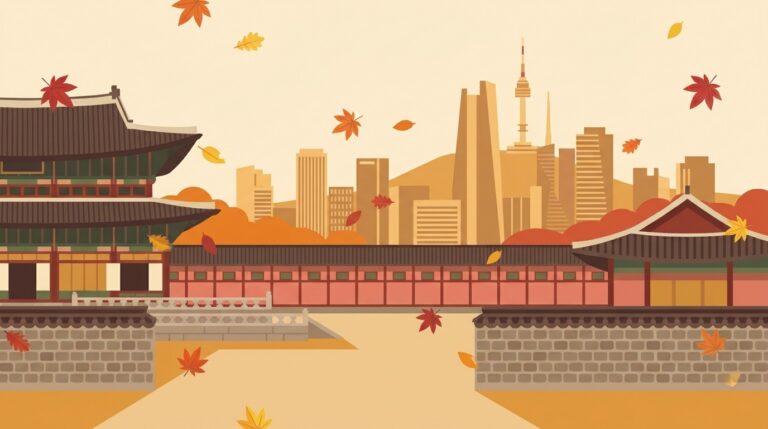
Beyond Words: How Ancient Korean History Is Secretly Preserved in Your Daily Slang
Phase 1: 공감 (Story-Immersive Opening)
안녕하세요! 매일한글 에디터입니다. Have you hit that subtle C2 plateau where your grammar is flawless, but idioms in sophisticated K-dramas or boardrooms still feel opaque? You hear colleagues laugh when someone says ‘야단법석’ (yadanbeopseok) or sigh when a deal turns ‘말짱 도루묵’ (maljjang dorumuk), yet the cultural reflex eludes you. That gap isn’t a vocabulary deficit; it is historical distance. Korean vocabulary is a living museum, preserving centuries of dynastic customs, Buddhist rituals, and Joseon-era satire beneath everyday syllables. Drawing from ten years of coaching cultural attachés, this guide unlocks the forgotten origins of daily idioms so your speech moves from textbook fluency to genuine historical resonance.
Phase 2: 핵심 표현 3선 심층 분석 (Deep Dive into 3 Core Expressions)
1. 야단법석 (野壇法席)
- Pronunciation: [Yadanbeopseok] (Sounds like yah-dahn-buhp-suk, rhyming with ‘fun cup’)
- Meaning: Literal: “An outdoor Buddhist altar platform” vs. Real Nuance: “A chaotic uproar, tumultuous commotion, or uncontrolled frenzy”
- K-Culture Moment: In modern dramas like Vincenzo or Reborn Rich, when an unannounced prosecutorial raid or a wild press scrum turns an executive lobby upside down.
- Editor’s Insight: During the Joseon Dynasty, when Buddhism was officially suppressed by Confucian statecraft, temple halls could rarely accommodate grand gatherings. When prominent monks preached, they erected open-air altars in courtyards. Thousands of laypeople swarmed the grounds, shouting, pushing, and scrambling for spiritual salvation. It does not merely mean ‘noisy’; it evokes an overwhelming tidal wave of human bodies and collective frenzy.
- Situation Spectrum: Casual: ✅ | Semi-formal: ✅ | Formal: ⚠️
- 🤔 Think About It: Consider the English word pandemonium (coined by John Milton as the capital of hell). While Western imagination associates overwhelming chaos with demonic disorder, Korean cultural memory anchors extreme commotion in a massive outdoor religious festival.
2. 산통을 깨다 (Santong-eul kkaeda)
- Pronunciation: [Santong-eul kkaeda] (Sounds like sahn-tong-eul kkay-dah)
- Meaning: Literal: “To shatter the fortune-teller’s bamboo stick cylinder” vs. Real Nuance: “To spoil a meticulously built mood, sabotage an impending deal, or throw a wet blanket on joint momentum”
- K-Culture Moment: In high-stakes romance or corporate negotiation scenes in Queen of Tears, right as two parties are about to sign a mutual agreement or share an intimate confession, an insensitive character bursts in with a trivial complaint.
- Editor’s Insight: Historically, a ‘산통’ (santong) was the wooden or bamboo case housing numbered divination sticks. In both shamanic divination and Joseon merchant mutual-aid funds (산통계), members drew sticks to decide dividends or cosmic guidance. If someone physically broke the cylinder before the drawing concluded, the entire ritual or financial payout collapsed. Using this idiom signals that someone has irresponsibly destroyed a fragile consensus.
- Situation Spectrum: Casual: ✅ | Semi-formal: ✅ | Formal: 🚫
- 🤔 Think About It: In English, one might say “rain on my parade” or “kill the vibe.” But “shattering the fortune cylinder” implies rupturing both communal economic trust and cosmic fate.
3. 을씨년스럽다 (Eulssisyeonseureopda)
- Pronunciation: [Eulssisyeonseureopda] (Sounds like ool-she-nyun-seu-ruhp-dah)
- Meaning: Literal: “Pertaining to the sorrowful atmosphere of the Eulsa Year (1905)” vs. Real Nuance: “Bleak, desolate, spine-chillingly dreary, and hauntingly melancholic”
- K-Culture Moment: Evoked visually in historical cinematic masterpieces like Mr. Sunshine, where desolate, windswept autumn streets mirror the tragic erosion of national sovereignty.
- Editor’s Insight: In 1905 (the Eulsa year, 을사년), the Korean Empire was forcibly coerced into signing the Eulsa Treaty, stripping the nation of its diplomatic rights. The collective grief, devastation, and grim atmosphere that descended upon the peninsula was so profound that the nation coined the descriptive adjective ‘을사년스럽다’, which phonetically evolved into ‘을씨년스럽다’. It is far heavier than ‘흐리다’ (cloudy); it implies an eerie, grief-stricken desolation.
- Situation Spectrum: Casual: ✅ | Semi-formal: ✅ | Formal: ✅
- 🤔 Think About It: How many adjectives in your native tongue directly incorporate the trauma of a specific geopolitical calendar year to describe overcast weather?
Phase 3: 교과서 한국어 vs 진짜 한국어 (Textbook Korean vs. Real Native Korean)
Situation 1: Describing a massive initiative that fell apart and returned to zero
- 📖 교과서 한국어: 모든 계획이 실패하여 노력이 수포로 돌아갔습니다. (Modeun gyehoeghi silpaehayeo noryeogi suporo doragatseumnida. / All plans failed and our efforts dissolved into water bubbles.)
- 🗣️ 진짜 한국어: 밤샘 작업까지 했는데 결국 말짱 도루묵이 되어 버렸네요. (Bamsaem jageopkkaji haenneunde gyeolguk maljjang dorumugi doeeo beoryeonneyo. / We even pulled all-nighters, but it completely ended up as Dorumuk.)
- 💡 왜 다를까?: ‘수포로 돌아가다’ is grammatically pristine but sounds detached and literary. Native C2 speakers gravitate toward ‘말짱 도루묵’—an ironic nod to King Seonjo renaming a fish during the Imjin War, only to demote its title once the war ended—infusing pragmatic wit into bitter professional disappointment.
Situation 2: Warning a colleague not to disrupt a delicate corporate consensus
- 📖 교과서 한국어: 회의의 좋은 분위기를 해치지 않도록 주의해 주세요. (Hoewi-ui joeun bunwigireul haechiji antorok ju-uihae juseyo. / Please be careful not to damage the good atmosphere of the meeting.)
- 🗣️ 진짜 한국어: 겨우 판 다 짜놨는데, 여기서 산통 깨는 소리 좀 하지 마요. (Gyeou pan da jjanwanneunde, yeogiseo santong kkaeneun sori jom haji mayo. / We barely set the whole stage up; please don’t start saying things that smash the fortune cylinder here.)
- 💡 왜 다를까?: In high-context Korean business environments, idioms like ‘판을 짜다’ (setting the ritual/gambling board) combined with ‘산통을 깨다’ convey relational urgency and tactical boundaries that textbook polite requests fail to capture.
Phase 4: K-Culture 딥다이브 & 비언어적 매너 (Nonverbal Cues & Cultural Codes)
4-1. 눈치 (Nunchi) & Gestures
When invoking etymological expressions with deep historical baggage, physical delivery dictates whether you sound like an enlightened insider or an eccentric pedant:
* Delivering ‘을씨년스럽다’: Never say this with a wide grin or upbeat posture. Native speakers instinctively lower their vocal register, relax their shoulders, and cast a contemplative gaze toward the horizon or window to match the historical gravity of the word.
* Warning against ‘산통을 깨다’: This is often accompanied by subtle nonverbal cues: leaning in slightly, lowering one’s hand with a measured horizontal sweep, and maintaining intense, concerned eye contact to signal social discretion before the mood splinters publicly.
4-2. Cultural Code Analysis: The Sageuk Pipeline in Everyday Modern Speech
Korean television culture features a robust domestic Sageuk (historical drama) genre that keeps dynastic administrative terms alive in modern discourse. Terms like ‘흥청망청’ (reckless squandering, rooted in King Yeonsangun’s courtesan institutions) or ‘도루묵’ frequently appear on nightly prime-time political commentary. In Korea, historical literacy operates as high-status linguistic capital; demonstrating etymological command signals that you understand the underlying psychological currents of Korean society.
Phase 5: 실전 롤플레이 시나리오 (Interactive Roleplay Scenario)
- Setting: Late evening in the curatorial planning suite of the National Museum of Modern and Contemporary Art (MMCA), overlooking the stone walls of Gyeongbokgung.
- Characters: Senior Curator Kang Min-kyung (강민경 팀장), a demanding perfectionist, and Julian (줄리안), an advanced guest curator.
Turn 1
민경: 줄리안 씨, 개막식 프레스 동선 기획안 확인했어요? 취재진이 몰리면 그야말로 야단법석이 날 텐데 대책이 너무 허술해요. (Julian ssi, gaemaksik peureseu dongseon gihoegan hwaginhaesseoyo? Chwijejini mollimyeon geuyamallo yadanbeopseogi nal tende daechaegi neomu heosulhaeyo. / Julian, did you check the opening press traffic plan? If the press swarms in, it will be an absolute outdoor sermon riot [yadanbeopseok], but your countermeasures are far too lax.)
🎭 서류철을 책상에 내려놓으며 안경 너머로 날카롭게 응시한다. (Sets down the folder and stares sharply over her glasses.)
Turn 2
줄리안: 걱정 마세요 팀장님. 기자들이 쇄도해도 야단법석이 되지 않도록 3선 차단 동선과 포토라인을 분리해 뒀습니다. (Geokjeong maseyo timjangnim. Gijadeuri swaedohaedo yadanbeopseogi doeji antorok samseon chadan dongseongwa potoraineul bunrihae dwotseumnida. / Don’t worry, Team Leader. I have isolated a triple perimeter and photo lines so that even if journalists surge, it won’t devolve into an uncontrolled frenzy [yadanbeopseok].)
🎭 평면도를 펼쳐 보이며 차분하고 확신에 찬 어조로 설명한다. (Unrolls the floor layout and explains in a calm, confident tone.)
Turn 3
민경: 동선은 치밀하네요. 그런데 주요 후원사 대표가 메인 갤러리 조명을 전부 교체하라고 막무가내로 요구해 왔어요. (Dongseoneun chimilhaniyo. Geureonde juyo huwonsa daepyoga mein gaelleori jomyeongeul jeonbu gyocheharago mangmuganaero yoguhae wasseoyo. / The traffic layout is meticulous. However, the lead sponsor’s CEO is stubbornly demanding we replace all the main gallery lighting.)
🎭 미간을 찌푸리며 스마트폰 통화 기록을 보여준다. (Frowns and shows her smartphone call log.)
Turn 4
줄리안: 지금 와서 조명을 바꾸면 지난 석 달간 진행한 유물 보존 조도 테스트가 말짱 도루묵이 됩니다. (Jigeum waseo jomyeongeul bakkumyeon jinan seok dalgan jinhaenghan yumul bojon jodo tesiteuga maljjang dorumugi doemnida. / If we alter the lighting now, three months of artifact preservation lux testing will turn completely into Dorumuk.)
🎭 고개를 단호하게 가로저으며 태블릿의 데이터 그래프를 짚는다. (Shakes his head firmly and points at the data graph on his tablet.)
Turn 5
민경: 내 말이 그 말이에요. 개막을 코앞에 두고 그런 터무니없는 요구로 전시의 산통을 깨서는 안 되죠. (Nae mari geu marieyo. Gaemageul koape dugo geureon teomunieomneun yoguro jeonsi-ui santongeul kkaeseoneun an doejo. / My point exactly. With the opening right around the corner, such absurd demands shouldn’t shatter the fortune stick case [santongeul kkaeda] of this exhibition.)
🎭 팔짱을 끼며 결연한 눈빛으로 고개를 끄덕인다. (Crosses her arms and nods with determined eyes.)
Turn 6
줄리안: 제가 설득력 있는 보존 보고서를 밤새 작성해 두겠습니다. 창밖을 보니 안개가 짙어서 정동 길이 참 을씨년스럽네요. (Jega seoldeungnyeok inneun bojon bogoseoreul bamsae jakseonghae dugesseumnida. Changbakkeul boni an-gaega jiteoseo Jeongdong giri cham eulssisyeonseureopneyo. / I will draft a persuasive preservation report tonight. Looking out the window, the fog is dense; Jeongdong street feels truly desolate [eulssisyeonseureopda].)
🎭 창밖의 어두운 돌담길을 응시하며 따뜻한 한숨을 내쉰다. (Glares at the dark stone path outside and breathes a warm sigh.)
Turn 7
민경: 을씨년스럽다는 표현까지 맥락에 맞게 쓰시다니… 줄리안 씨는 단순한 한국어 구사자를 넘어 우리 역사의 결을 읽고 계시네요. (Eulssisyeonseureopdaneun pyohyeonkkaji maengnage matge sseusidani… Julian ssineun dansunhan Han-gugeo gusaha-jareul neomeo uri yeoksa-ui gyeoreul ilggo gyesineyo. / Using ‘eulssisyeonseureopda’ so accurately in context… Julian, you are not merely a Korean speaker; you are reading the grain of our history.)
🎭 긴장이 풀린 듯 부드러운 미소를 지으며 머그잔을 건넨다. (Relaxes her tension, smiles gently, and hands him a mug.)
Turn 8
줄리안: 단어의 뿌리를 알고 나면 언어가 박물관의 유물처럼 살아 숨 쉬는 것 같아서요. (Dan-eoui ppurireul algo namyeon eoneoga bangmulgwanui yumulcheoreom sara sum swineun geot gat-aseoyo. / Once you know the roots of words, language breathes just like living artifacts in a museum.)
🎭 두 손으로 잔을 받아 들며 정중하게 목례한다. (Receives the cup with both hands and bows politely.)
🔀 인터랙티브 분기점 (Choose Your Move)
How should Julian respond if the sponsor’s representative threatens to pull funding during the meeting?
- Option A: “스폰서 기분 따위 신경 쓰지 말고 우리 원칙대로 밀어붙입시다!” (Let’s push forward regardless of the sponsor’s feelings!)
- Feedback (Bad): Disregards relational hierarchy and displays cultural insensitivity. You risk provoking institutional rupture.
- Option B: “보존 과학 데이터를 바탕으로 정중히 설득하되, 후원사 로고 노출을 강화하는 대안을 드려 산통을 깨지 않도록 조율하겠습니다.” (I will persuade them politely using preservation data while offering enhanced logo visibility so we don’t break the fortune box.)
- Feedback (Best): Perfect C2-level strategic diplomacy. Protects the project while honoring institutional harmony.
- Option C: “조명을 일단 바꾸고 문제가 생기면 후원사에 전액 배상 책임을 청구하죠.” (Let’s change the lighting and sue the sponsor if artifacts get damaged.)
- Feedback (Risk): Highly confrontational and unrealistic in the Korean professional sector; permanently ruins executive relationships.
Phase 6: 10초 감정 섀도잉 드릴 (Emotional Shadowing Drill)
- Drill 1
[😤 아쉬움과 허탈함을 담아 - Bitterly deflated, heavy sigh]
몇 달 동안 / 밤새워 준비했던 프로젝트가 / 하루아침에 말짱 도루묵이 되다니 / 정말 기가 막히네요.
(Myeot dal dongan / bamsaewo junbihaetdeon peurojekteuga / haruachime maljjang dorumugi doedani / jeongmal giga makhineyo. / After spending months / preparing this project day and night / for it to go back to square one overnight / I am utterly at a loss for words.) -
Drill 2
[🤫 조심스럽지만 단호하게 - Lowered conspiratorial tone, firm boundaries]
모두가 피땀 흘려 / 여기까지 합의를 끌어냈는데 / 제발 여기서 / 산통 깨는 발언은 / 삼가 주십시오.
(Moduga pittam heullyeo / yeogikkaji habuireul kkeureonaenneunde / jebal yeogiseo / santong kkaeneun bareoneun / samga jusipsio. / Everyone shed blood and sweat / to bring the consensus this far / so please / refrain from remarks that ruin the entire setup / right here.) -
Drill 3
[🍂 스산하고 깊은 탄식으로 - Somber, slow, contemplative cadence]
가을비가 흩날리고 / 인적이 끊긴 고궁의 뒤뜰이 / 참 말로 다할 수 없이 / 을씨년스럽군요.
(Ga-eulbiga heutnalligo / injeogi kkeunkin gogung-ui dwitteuri / cham mallo dahal su eopsi / eulssisyeonseureopgunyo. / As autumn rain scatters / and footprints disappear from the old palace rear garden / it looks unspeakably / bleak and desolate.)
Phase 7: K-Culture 미니 사전 (Etymological Mini-Dictionary)
- 도루묵 (Dorumuk) | Noun / Idiomatic root | Literally an ordinary sandfish (Arctoscopus japonicus). Historically named mok’eo, it was re-dubbed eun’eo (silver fish) by a fleeing king who savored its taste during wartime, only to be stripped of its royal title and dismissed as “road back to Mok’eo” (Doru-muk) when tasted again in peacetime luxury. Modern usage: Work that completely resets to zero with zero gain.
- 흥청망청 (Heungcheongmangcheong) | Adverb | Dissipating wealth or indulging in wild luxury without restraint. Originates from King Yeonsangun gathering thousands of courtesans named Heungcheong (흥청) into the palace; his regime fell into total collapse (Mangcheong, 망청). Used when someone squanders budgets or drinks recklessly.
- 시치미를 떼다 (Sichimireul tteda) | Idiomatic Verb | Feigning ignorance or pretending innocence after an illicit act. In Goryeo dynasty falconry, trained hunting falcons bore an owner ID tag made of ox-horn called sichimi. Dishonest hunters detached (tte-da) another’s tag to claim the prize bird as their own.
- 넋두리 (Neokduri) | Noun | Repetitive, weary venting or lamenting of life’s grievances. Rooted in Korean shamanic Gut rituals where the medium allows a departed soul’s spirit (neok) to speak out (duri) its lingering resentments before crossing over. In modern life, it describes unburdening one’s complaints over late-night soju.
Phase 8: 여행자를 위한 생존 키트 (Heritage Traveler’s Survival Kit)
Survival TOP 3 Expressions for Antique Quarters (Insadong, Bukchon, Gyeongbokgung)
- 한옥 골목의 옛 정취가 참 운치 있네요. (Hanok golmogui yet jeongchwiga cham unchi inneyo. / The historic aura of this hanok alley possesses such poetic aesthetic taste.)
- Pro Tip: Use ‘운치 있다’ (poetic elegance) instead of basic ‘예뻐요’ (pretty) when admiring heritage tea houses to receive instant respect from elderly proprietors.
- 역사의 숨결이 고스란히 깃든 곳이군요. (Yeoksa-ui sumgyeori goseuranhi gitdeun gosigunyo. / This space pristine preserves the very breath of history.)
- Pro Tip: A majestic conversational opener when visiting centuries-old artisan workshops or royal kilns.
- 오랜 세월을 버텨낸 단청의 색감이 참 그윽합니다. (Oren seworeul beotyeonaen dancheongui saekgami cham geueukhamnida. / The depth of these traditional eaves patterns that endured centuries is profoundly deep.)
- Pro Tip: Captures traditional color theory terminology (dancheong) and emotional depth (geueukhada).
Editor’s Travel Note: Navigating Historical Seoul Like an Insider
- Install the Naver Map app navigation tool to uncover pedestrian-only ancient alleyways behind Jongmyo Shrine and Bukchon that foreign map services consistently fail to index.
- For profound context on Joseon administrative relics, consult the National Museum of Korea official guide app with multi-lingual historical etymology audios before exploring royal heritage sites.
Phase 9: “한 발 더 깊이” (Cultural Philosophy Essay)
Language is never an objective cipher; it is an organic cemetery where national grief, spiritual defiance, and dynastic ironies lie fossilized in everyday syllables. When modern Koreans describe a foggy, desolate industrial park as ‘을씨년스럽다’, they unconsciously awaken the ancestral mourning of the 1905 Eulsa Treaty. When an executive shrugs off a cancelled project as ‘말짱 도루묵’, they channel the subversively comic resilience of Joseon peasants mocking royal pretension. Mastering Korean at the C2 level is not about memorizing complex sentence connectors; it is about stepping into this living, echoing museum where every casual idiom connects your voice to five hundred years of collective memory.
💬 Your Turn: What is an idiom in your native language that preserves a long-forgotten historical tragedy, royal decree, or archaic ritual? Share your cultural museum piece in the comments below!
Phase 10: FAQ & 오해 방지 (FAQ Schema)
Q: Can ‘야단법석’ (Yadanbeopseok) be used in formal business documentation?
A: While universally understood across Korea, ‘야단법석’ belongs primarily to spoken discourse, journalism, and vivid storytelling. In formal corporate contracts, official institutional apologies, or legal notices, substitute it with higher-register Hanja equivalents such as ‘극심한 혼선’ (geuksimhan honseon – extreme confusion) or ‘대규모 소요’ (daegyumo soyo – large-scale disturbance).
Q: Is ‘을씨년스럽다’ (Eulssisyeonseureopda) considered politically inappropriate or overly sensitive today?
A: No. Over the past century, it has become fully lexicalized as an evocative descriptive term for dreary weather, lonely spaces, and melancholic ambiance. However, because its origin is rooted in severe national tragedy, using it lightly in overtly cheerful or celebratory contexts will strike native listeners as jarringly incongruous.
Q: What is the nuanced difference between ‘도루묵’ (Dorumuk) and ‘헛수고’ (Heotsugo)?
A: ‘헛수고’ objectively denotes wasted effort with no outcome. In contrast, ‘도루묵’ (especially in the set phrase ‘말짱 도루묵’) emphasizes the specific cyclical irony of returning exactly to the disappointing starting point after tremendous labor and inflated expectations.
🚨 흔한 실수 (Common Mistakes) TOP 3
- Mistake: Using ‘을씨년스럽다’ to describe a messy desk or uncleaned bedroom.
- Correct Action: Reserve ‘을씨년스럽다’ strictly for bleak, eerie, desolate atmospheres (empty autumn streets, abandoned halls). For an untidy room, use ‘난장판’ (nanjangpan – another historical gem rooted in chaotic Joseon civil exam courts!) or ‘어질러져 있다’.
- Mistake: Using ‘산통을 깨다’ when literally breaking a physical glass or plate.
- Correct Action: ‘산통을 깨다’ is strictly metaphorical for ruining a vibe, plan, or consensus. If you drop a porcelain teacup, say ‘잔을 깨뜨렸어요’ (janeul kkaetteuryeosseoyo).
- Mistake: Using ‘흥청망청’ to praise a host for throwing a generous, lavish reception.
- Correct Action: ‘흥청망청’ carries strong moral censure of reckless, squandering decadence. To praise an abundant host, say ‘손이 크시다’ (having a generous hand) or ‘정성껏 푸짐하게 대접해 주셨다’.
Phase 11: 액션 미션 & 참여 유도 (Action Missions)
- Bronze Mission (Solo Drill): Read the 3 emotional shadowing sentences in Phase 6 out loud five times each, mimicking native pauses at the
/markers with emotional investment. - Silver Mission (Social Engagement): Write a 3-sentence personal diary entry on social media describing an unexpected turn in your week using ‘말짱 도루묵’ or ‘산통을 깨다’, and tag your study group or #DailyHangulEtymology.
- Gold Mission (Real-World Application): During your next conversation with a native Korean speaker, replace a generic phrase (like ‘분위기 망치지 마요’) with ‘산통 깨지 맙시다’ and observe how their appraisal of your fluency shifts.
- 🎮 K-Culture Mission: Watch one episode of a political thriller or period K-drama (e.g., Mr. Sunshine or Vincenzo) and identify at least one idiom rooted in Joseon customs or royal decrees. Transcribe the context!
Phase 12: 인터랙티브 퀴즈 챌린지 (Interactive Quiz Challenge)
- Situational Judgment: You spent three months negotiating an export deal, but an unexpected tariff wiped out all progress, resetting negotiations back to the first meeting. Which expression expresses this with native historical irony?
- (A) 날씨가 을씨년스럽네요.
- (B) 그동안의 고생이 말짱 도루묵이 됐어요.
- (C) 회의실이 완전히 야단법석이군요.
- Fill-in-the-Blank: “모두가 오랜만에 모여 즐겁게 웃고 있는데, 굳이 그 불쾌한 옛날이야기를 꺼내서 ( ) 필요는 없잖아요.”
- (A) 시치미를 뗄
- (B) 넋두리를 할
- (C) 산통을 깰
- True / False: The idiom ‘을씨년스럽다’ originated from the Joseon Dynasty’s royal banquet budget exceeding state tax revenues.
- (A) True
- (B) False
Click to reveal answers and detailed explanations
- Question 1 Answer: (B)
- Explanation: ‘말짱 도루묵이 되다’ specifically describes labor, negotiation, or effort cycling back to zero after inflated expectations.
- Question 2 Answer: (C)
- Explanation: ‘산통을 깨다’ is the quintessential idiom for ruining an ongoing harmonious mood or disrupting a joyful social gathering.
- Question 3 Answer: (B)
- Explanation: False! ‘을씨년스럽다’ originated from the profound collective trauma and bleak atmosphere following the Eulsa Treaty of 1905 (을사년), not a banquet budget.
- Explanation: False! ‘을씨년스럽다’ originated from the profound collective trauma and bleak atmosphere following the Eulsa Treaty of 1905 (을사년), not a banquet budget.






