

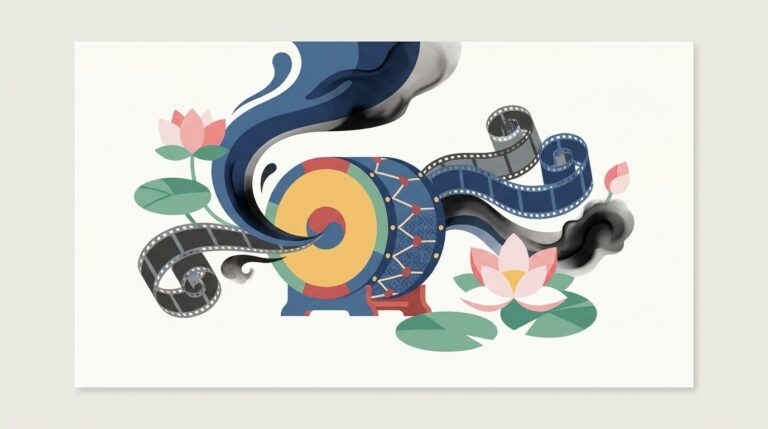
Phase 1: Empathy (Story-Immersive Opening)
안녕하세요! 매일한글 에디터입니다. (Hello! I’m your Daily Hangul editor.)
Have you ever watched a Korean film like Bong Joon-ho’s Parasite, Park Chan-wook’s Oldboy, or listened to the raw, visceral rasp of a Pansori singer and felt an inexplicable ache behind the screen? Western audiences often mistake the foundational Korean concept of 한 (Han) for passive melancholy, bitter resignation, or fatalism. When an international student recently asked me, “Doesn’t ‘Han’ just mean Koreans are perpetually sad and harboring grudges?”, my heart sank a little. That is perhaps the single biggest misconception about the Korean soul.
In reality, Han is never a dead end; it is a pressurized emotional catalyst. It is grief transformed into grit, profound injustice sublimated into ground-breaking aesthetic creation, and tears flipped into communal ecstasy. By grasping how advanced Korean speakers articulate this transmutation, you unlock not just high-level C1 vocabulary, but the psychic code behind modern Korean storytelling, historical resilience, and cinematic brilliance. Let’s delve deep into the poetic, resilient vocabulary of sublimating Han.
Phase 2: Deep Dive into 3 Core C1 Expressions
1. 한을 삭이다 (Haneul sagida)
- Pronunciation: [Ha-neul sa-gi-da] (Think: Hahn-ool followed by sah-ghee-dah, echoing the slow fermentation of deep emotion)
- Meaning: Literally “to ferment/digest one’s Han” vs. Nuance: To mature, internalize, and quietly dissolve deep sorrow without external malice.
- K-Culture Moment: Seen frequently in historical epics like Mr. Sunshine or traditional heritage dramas when an elder character refuses revenge, choosing instead to carry the weight with stoic grace.
- Editor’s Insight: The verb 삭이다 (sagida) shares its root with fermentation (삭히다 as in kimchi or skate). It does not mean repressing emotion; it means letting raw bitterness naturally age into a mellow, quiet wisdom.
- Situation Spectrum: Casual: ⚠️ | Semi-formal: ✅ | Formal: ✅
- 🤔 Think About It: Does your native tongue have a word that describes “fermenting” an emotion until it turns into resilience rather than poison?
2. 승화시키다 (Seunghwasikida)
- Pronunciation: [Seung-hwa-si-ki-da] (Pronounced seung-hwah-shee-kee-dah, crisp and decisive)
- Meaning: Literally “to sublimate” vs. Nuance: To channel intense suffering, grief, or systemic oppression into art, philosophy, or social progress.
- K-Culture Moment: Used by cultural critics analyzing how contemporary K-pop tracks or auteur films transform generational trauma into global masterpieces.
- Editor’s Insight: A Sino-Korean term (昇華). At the C1 level, this replaces basic verbs like 바꾸다 (to change) or 극복하다 (to overcome) when discussing high-concept creative transformations.
- Situation Spectrum: Casual: 🚫 | Semi-formal: ✅ | Formal: ✅
- 🤔 Think About It: How does viewing art through the lens of sublimation change how you interpret tragic endings in Korean media?
3. 신명 나게 풀다 (Sinmyeong nage pulda)
- Pronunciation: [Sin-myeong na-ge pul-da] (Pronounced sheen-myung nah-geh pool-dah, lively and rhythmic)
- Meaning: Literally “to untie in a divine ecstasy” vs. Nuance: To shatter sorrow through cathartic, explosive joy and collective celebration.
- K-Culture Moment: The climactic scene of traditional Madang-nori (open-air theater) or modern festival celebrations where sorrowful narratives dissolve into wild dancing.
- Editor’s Insight: Han and Heung (ecstatic joy) are two sides of the same coin. You do not conquer Han by fighting it; you “untie” (풀다) the knot by unleashing ecstatic energy (신명).
- Situation Spectrum: Casual: ✅ | Semi-formal: ✅ | Formal: ⚠️
- 🤔 Think About It: Why does Korean communal celebration historically require going through darkness before reaching euphoric release?
Phase 3: Textbook Korean vs. Real Korean
Situation 1: Describing artistic recovery from deep trauma
- 📖 교과서 한국어 (Textbook Korean): 고통을 이겨내고 훌륭한 예술 작품을 만들었습니다. (Gotongeul igyeonaego hollyunghan yesul jakpumeul mandeureotseumnida. / They overcame pain and created a great work of art.)
- 🗣️ 진짜 한국어 (Real Korean): 가슴 깊은 한을 예술혼으로 승화시킨 역작이에요. (Gaseum gipeun haneul yesulhoneuro seunghwasikin yeokjagieyo. / It is a masterpiece that sublimated deep-seated Han into artistic soul.)
- 💡 왜 다를까? (Why is it different?): Textbook phrasing relies on mechanical verbs (이겨내다, 만들다), whereas educated native speakers evoke visceral, somatic concepts (가슴 깊은 한, 예술혼) to honor the emotional gravity.
Situation 2: Explaining someone’s emotional maturity after betrayal
- 📖 교과서 한국어 (Textbook Korean): 그 사람은 화를 참으면서 마음을 진정시켰어요. (Geu sarameun hwareul chameumyeonseo maeumeul jinjeongsikyeosseoyo. / That person suppressed anger and calmed their mind.)
- 🗣️ 진짜 한국어 (Real Korean): 그 모진 세월의 한을 속으로 묵묵히 삭였더라고요. (Geu mojin sewol-ui haneul sogeuro mungmukhi sagyeotdeoragoyo. / They silently and maturely digested the grief of those harsh years from within.)
- 💡 왜 다를까? (Why is it different?): Simple “anger containment” (화를 참다) sounds like explosive frustration waiting to happen, while 한을 삭이다 acknowledges long-term endurance and dignified wisdom.
Phase 4: K-Culture Deep Dive & Non-Verbal Manners
4-1. 눈치 (Nunchi) & Somatic Presence
When discussing topics of Han, Koreans rarely indulge in loud, theatrical sympathy. Instead, communication shifts to solemn, grounded presence:
* The Deep Exhale (비음 섞인 한숨): A quiet, controlled release of breath while looking slightly downward acknowledges the weight of someone’s past without pitying them condescendingly.
* Chest Touch (가슴을 쓸어내림): Placing a hand gently over your own sternum indicates visceral empathy (가슴이 미어진다 – my heart aches for you).
* Attentive Silence: Do not interrupt someone articulating 한 (Han) with immediate toxic positivity. Allow the silence to settle before acknowledging their fortitude.
4-2. Cultural Code: Pansori, Cinema, and Modern K-Pop
In Im Kwon-taek’s legendary film Seopyeonje (서편제), a Pansori master asserts that one cannot truly attain 득음 (Deuk-eum, sonic enlightenment) without carrying Han. But Han is not an excuse to languish; it is vocal sand turning into an emotional pearl. We see this exact dynamic echoed in modern K-culture—from Agust D (BTS’s Suga) turning personal angst into fiery traditional Daechwita rhythms, to director Bong Joon-ho using architectural divide to expose social Han with razor-sharp satire. Korean art thrives because it never ignores the wound; it orchestrates it.
Phase 5: Real-Life Roleplay Scenario
Setting: A quiet teahouse in Insadong, Seoul. Rain gently taps against the wooden windowframes. You are discussing an indie film screening with Director Min (민수 감독), whose latest historical documentary just won an international award.
- Director Min: 이번 작품에서 인물의 고통이 너무 적나라하게 드러나지 않았나 걱정했어요. 관객들이 단순한 신파로 받아들일까 봐요. (Ibeon jakpum-eseo inmul-ui gotongi neomu jeongnarahage deureonanaji anatna geokjeonghaesseoyo. Gwan-gaekdeuri dansunhan sinparo badadeurilkka bwayo. / 🎭 Looks down at his teacup with modest vulnerability / I was worried the protagonist’s pain was exposed too rawly. I feared audiences might dismiss it as mere melodrama.)
- Learner: 전혀 신파로 느껴지지 않았습니다. 오히려 그 오랜 세월의 한을 속으로 삭여내는 모습이 묵직했어요. (Jeonhyeo sinparo neukkyeojiji anatseumnida. Ohiryeo geu oraen sewol-ui haneul sogeuro sagyeonaeneun moseubi mukjikhaesseoyo. / 🎭 Maintains steady, respectful eye contact / It didn’t feel melodramatic at all. Rather, the way they quietly digested the long years of Han was deeply profound.)
- Director Min: 그렇게 봐주셨다니 다행이네요. 사실 한이라는 게 울고불고 원망하는 데서 끝나는 게 아니잖아요. (Geureoke bwajusyeotdani dahaeng-ineyo. Sasil han-iraneun ge ulgobulgo wonmanghaneun de-seo kkeunnanun ge anijanhayo. / 🎭 Gives a relieved nod / I am so glad you saw it that way. In truth, Han doesn’t end with weeping and resentment, does it?)
- Learner: 맞습니다. 마지막에 그 원망을 판소리 가락으로 풀어내는 장면이 압권이었어요. (Matseumnida. Majimage geu wonmangeul pansori garageuro puraenaeneun jangmyeoni apgwonieosseoyo. / 🎭 Gestures gently toward the notes on the table / Exactly. The final scene untying that grievance through Pansori melodies was the absolute highlight.)
- Director Min: 맞아요! 그 장면이야말로 고통을 신명으로 뒤집는 순간이었죠. (Majayo! Geu jangmyeon-iyamallo gotongeul sinmyeong-euro dwijipneun sung-an-ieotjyo. / 🎭 Eyes light up with creative excitement / Right! That scene was the precise moment pain flipped into ecstatic catharsis.)
- Learner: 네, 고통을 예술로 승화시켰기에 관객들에게도 깊은 울림을 준 것 같습니다. (Ne, gotongeul yesullo seunghwasikyeotgie gwan-gaekdeuregedo gipeun ullimeul jun geot gatseumnida. / 🎭 Smiles warmly with genuine appreciation / Yes, because you sublimated pain into art, it resonated profoundly with the audience.)
- Director Min: 우리 역사가 그래왔듯이, 아픔을 딛고 일어서는 내면의 힘을 담고 싶었습니다. (Uri yeoksaga geuraewatdeusi, apeumeul ditgo ireoseoneun naemyeon-ui himeul damgo sipeotseumnida. / 🎭 Places hand on his heart / Just as our history has done, I wanted to capture the inner resilience that rises above affliction.)
- Learner: 그 의도가 작품 전체에 온전히 전해졌습니다. 정말 감동 깊게 봤습니다. (Geu uidoga jakpum jeonchee onjeonhi jeonhaejyeotseumnida. Jeongmal gamdong gipge bwatseumnida. / 🎭 Nods slowly with deep respect / That intention was completely conveyed throughout the entire work. I was genuinely moved.)
🔀 Interactive Decision Point
How would you frame the film’s resilience to Director Min during your critique?
* Choice A: “너무 슬퍼서 보는 내내 우울했어요. 다음엔 좀 밝은 코미디를 찍으세요.” (It was too sad and depressing. Make a bright comedy next time.)
* Choice B: “비극에 굴복하지 않고, 한을 신명과 예술로 승화시키는 서사가 대단히 인상적이었습니다.” (Rather than yielding to tragedy, the narrative sublimating Han into dynamic ecstasy and art was remarkably impressive.)
* Choice C: “한은 그냥 옛날 조선 시대 사람들의 미신 아닌가요? 현대에는 안 어울려요.” (Isn’t Han just superstition from the Joseon dynasty? It doesn’t suit modern times.)
Feedback:
* Choice A (Bad): Fails to respect the artist’s depth and dismisses emotional catharsis as mere gloominess.
* Choice B (Best): Flawless C1 cultural discourse. Validates the director’s artistic vision using sophisticated terminology (승화시키다, 신명).
* Choice C (Risk): Culturally tone-deaf; overlooks how historical trauma continues to inform modern Korean identity.
Phase 6: 10-Second Emotion Shadowing Drill
Practice these lines with realistic rhythm and emotional nuance. Slashes (/) indicate breath pauses.
[🌪️ 한숨을 삼키며 담담하게 / Swallowing grief with calm dignity]- 아픔을 밖으로 터뜨리기보다 / 속으로 묵묵히 / 삭여내는 중이에요. (Apeumeul bakkeuro teotteurigiboda / sogeuro mungmukhi / sagyeonaeneun jung-ieyo.)
- Rather than bursting outward with pain / I am quietly / digesting it within.
[🔥 비장하고 단단하게 / Resolute and fiercely determined]- 이 억울함과 슬픔을 / 반드시 / 위대한 창작으로 승화시키겠습니다. (I eogulhamgwa seulpumeul / bandeusi / widaehan changjageuro seunghwasikigetseumnida.)
- This injustice and grief / will without fail / be sublimated into great creation.
[🎉 흥겹고 후련하게 / Joyous, vibrant, and cathartically relieved]- 맺힌 한을 훌훌 털어버리고 / 오늘 밤 / 다 같이 신명 나게 놀아봅시다! (Maechin haneul hulhul teoreobeorigo / oneul bam / da gachi sinmyeong nage norabopsida!)
- Shaking off all entangled sorrow / tonight / let us play together in ecstatic joy!
Phase 7: K-Culture Mini Dictionary
- 한 (恨, Han): Deep-seated sorrow, historical grief, and unresolved collective longing that fuels an unstoppable drive to survive and create.
- 흥 (興, Heung): Irrepressible communal euphoria and infectious zest for life; the polar counterpart and antidote to Han.
- 득음 (得音, Deuk-eum): Literally “attaining the sound”; the breakthrough moment when a traditional vocalist breaks their voice through agonizing practice to achieve vocal transcendence.
- 살풀이 (Salpuri): A traditional shamanic spiritual dance aimed at disentangling malevolent energies and releasing psychic knots of grief into liberated purity.
Phase 8: Survival Kit for Cultural Travelers
Top 3 Survival Expressions for Art & Culture Envoys
- 가슴을 울리는 울림이 있네요. (Gaseumeul ullineun ullimi itneyo.)
- Nuance: “This carries a resonance that truly moves the heart.”
- Pro Tip: Use this at art exhibitions or film screenings instead of the cliché 재미있어요 (It’s fun).
- 한과 흥이 공존하는 무대였어요. (Hangwa heung-i gongjonhaneun mudayeosseoyo.)
- Nuance: “It was a performance where both Han and joyous energy coexisted.”
- Pro Tip: A stellar critique after watching traditional Korean percussion or modern indie fusion concerts.
- 마음의 응어리가 풀리는 기분이에요. (Maeum-ui eong-eoriga pullineun gibunieyo.)
- Nuance: “I feel like the emotional knot in my chest is finally unraveling.”
- Pro Tip: Expresses authentic catharsis after an inspiring performance or meaningful dialogue.
Editor’s Travel Note
If you want to experience the sublimation of Han firsthand, do not miss the traditional arts venues. Book an authentic performance via the National Gugak Center performance reservation guide, where you can witness Sanjo and Pansori masters live. To locate experimental traditional theaters in the alleys of Bukchon and Daehakro, ensure you have the Naver Map application download ready on your phone, as foreign map apps often miss these secluded performance spaces.
Phase 9: “한 발 더 깊이” (Philosophical Reflection)
In Western romanticism, tragic despair frequently spirals into individual isolation or catastrophic doom. In contrast, Korean Han is communal. Because historical Korea weathered hundreds of foreign invasions, colonization, and the rupture of civil war, suffering was rarely an isolated event—it was shared. Consequently, the resolution of Han cannot be pure vengeance; vengeance merely multiplies suffering. The only sustainable cure is 승화 (Sublimation): converting generational grief into transcendent poetry, collective dance, and unyielding fortitude.
💬 Your Turn: Think of an artist, movie, or song from your home culture. Does it harbor an emotion similar to Han that converts pain into artistic fuel? Share your thoughts below in the comments! (여러분의 문화에도 ‘한’처럼 예술로 승화되는 감정이 있나요?)
Phase 10: FAQ & Common Pitfalls
Q: Is Han simply the Korean word for clinical depression or resentment?
A: Absolutely not. While depression (우울증) isolates and paralyses, Han is dynamic and relational. It contains an active yearning for resolution and justice, carrying an intrinsic forward momentum toward healing.
Q: Can younger Koreans in their 20s still feel Han today?
A: Yes, though its manifestation has evolved. Today’s youth experience Han through hyper-competitive academic pressure, economic precarity, and societal expectations—often venting and sublimating it through high-octane hip-hop, dynamic street dance, and satirical webtoons.
Q: Can Han be translated as ‘vengeance’ like in Korean thriller films?
A: Revenge films like Lady Vengeance portray raw emotional debt, but culturally, pure bloody vengeance is recognized as an incomplete resolution. True resolution (해한, Hae-han) requires untangling the knot, not cutting it with violence.
🚨 Common Mistakes Warning Board
- Mistake: Using 한을 삭이다 when someone cut you off in traffic.
- Correct Action: Use 화를 참다 (to suppress anger) or 짜증을 넘기다. 한을 삭이다 is reserved for deep life sorrows and existential trials.
- Mistake: Describing 한 as passive defeatism (체념).
- Correct Action: Highlight its creative resilience. Emphasize how it leads to 극복 (overcoming) and 승화 (sublimation).
- Mistake: Confusing 한 (恨) with 원망 (怨望 – personal resentment/blame).
- Correct Action: Keep 원망 for pointing fingers at someone specific; use 한 when expressing collective, historical, or profound poetic sorrow.
Phase 11: Action Missions & Engagement
- 🥉 Bronze Level: Read the 3 Shadowing Drill sentences aloud three times, emphasizing the rhythmic pauses (
/). - 🥈 Silver Level: Find a K-drama climax or K-pop song you adore, and write one sentence explaining how it sublimates pain into beauty using the expression “~을/를 예술로 승화시키다” on your social study journal.
- 🥇 Gold Level: During your next language exchange or advanced class, ask your Korean conversation partner: “한국의 ‘한’은 어떻게 예술적 창작으로 이어진다고 생각하세요?” (How do you think Korean Han leads to artistic creation?).
- 🎮 K-Culture Mission: Listen to modern interpretations of Arirang (such as BTS’s live cultural showcase or traditional Gugak fusion). Listen for the moment where the tempo accelerates—can you pinpoint where Han turns into Heung?
Phase 12: Interactive Quiz Challenge
1. Situational Judgment:
Your Korean friend wrote an emotionally gripping screenplay based on their family’s humble beginnings and struggles during the IMF financial crisis. What is the most sophisticated compliment you can offer?
* (A) 그냥 재미있고 슬픈 이야기네요.
* (B) 과거의 아픔과 한을 감동적인 예술로 승화시키셨네요.
* (C) 너무 우울한 내용이라 마음이 불편해요.
2. Fill-in-the-Blank:
괴롭고 힘든 일을 겉으로 화내지 않고 마음속으로 조용히 성숙시키는 태도를 가리켜 “한을 ________”라고 합니다.
3. True or False:
Korean Han implies passive acceptance and fatalistic surrender to one’s tragic destiny.
Click to view answers and explanations
- Answer: (B)
- Explanation: Choice B encapsulates advanced appreciation, honoring the creator’s emotional sublimation (승화시키셨네요).
- Answer: 삭이다 (or 삭여내다)
- Explanation: 한을 삭이다 describes allowing grief to mature and ferment inwardly without turning into outward venom.
- Answer: False
- Explanation: Far from passive surrender, Korean Han is an active, dynamic force that historically propelled survival, communal solidarity, and explosive artistic expression.
- Explanation: Far from passive surrender, Korean Han is an active, dynamic force that historically propelled survival, communal solidarity, and explosive artistic expression.






