

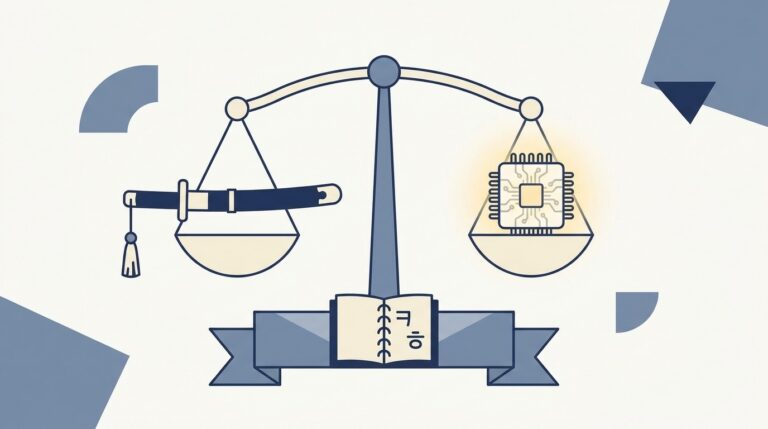
Decoding Korean Editorial Metaphors: How ‘양날의 검’ Unlocks High-Level Current Affairs
Phase 1: 공감 (Empathetic Story-Driven Opening)
안녕하세요! 매일한글 에디터입니다.
Imagine sitting in a high-stakes strategy meeting in Yeouido or listening to a JTBC debate on YouTube. You feel proud of your advanced Korean: you understand complex sentence endings like -ㄹ 뿐만 아니라 and know sophisticated Sino-Korean vocabulary. But suddenly, the chief analyst pushes his glasses up his nose, clears his throat, and delivers his verdict: “이번 생성형 AI 도입은 우리 팀에게 그야말로 양날의 검입니다. 잘 쓰면 약이지만, 방심하면 독이 될 테니까요.” (Ibeon saengseonghyeong AI doibeun uri timege geuyamallo yangnal-ui geomimnida. Jal sseumyeon yag-ijiman, bangsimhamyeon dog-i doel tenikkayo. / “Introducing generative AI this time is literally a double-edged sword for our team. Used well, it’s medicine; used carelessly, it turns into poison.”)
Suddenly, the room nods gravely. You understood every single word literally, yet the weight of the social and economic risk carried by that single metaphor felt just out of reach. Current affairs editorials, economic columns, and corporate boardrooms in Korea are heavily reliant on rich, historical, and philosophical metaphors. Moving from B2 to C1 means leaving literal translations behind and mastering these cultural shorthand idioms.
Today, based on hundreds of hours coaching foreign diplomats, corporate leads, and media researchers right here in Seoul, we are decoding the most signature editorial metaphor: 양날의 검 (Double-edged Sword) alongside its sibling rhetorical twins. By the end of this masterclass, you won’t just passively read Korean editorials—you’ll use these idioms naturally to command respect in any professional discussion.
Phase 2: 핵심 표현 3선 심층 분석 (Deep Dive: Top 3 Core Metaphors)
1. 양날의 검 (Yangnal-ui geom)
- Pronunciation: [Yang-nal-ui geom] (Think of young + nal like ‘knife blade’, geom like ‘gum’ with a softer ‘g’).
- Meaning:
- Literal: A sword sharpened on both edges.
- Real Nuance: A powerful instrument, innovation, or policy decision that offers astronomical advantages while simultaneously packing catastrophic vulnerabilities if miscalculated.
- K-Culture Moment: Seen frequently on business dramas like Agency (대행사) or Start-Up (스타트업) during board votes when high-risk tech investments or venture capital funding are discussed.
- Editor’s Insight: Koreans rarely use this for trivial dilemmas (like choosing between ice cream flavors). It is reserved for high-stakes trade-offs—such as raising base interest rates (금리 인상) to curb inflation while risking a domestic credit freeze.
- Situation Spectrum: Casual: ⚠️ | Semi-formal: ✅ | Formal (News/Business/Debate): ✅
- 🤔 Think About It: Does your native culture frame risk as a two-sided tool (blade) or as a zero-sum gamble (dice)? Notice how the Korean metaphor highlights skillful handling rather than pure chance.
2. 잘 쓰면 약, 못 쓰면 독 (Jal sseumyeon yak, mot sseumyeon dok)
- Pronunciation: [Jal sseu-myeon yak, mon sseu-myeon dok] (Rhyming rhythm: Yak sounds like ‘yacht’ cut short; Dok sounds like ‘dock’ abruptly paused).
- Meaning:
- Literal: If used well it is medicine; if used poorly it is poison.
- Real Nuance: Pragmatic balance. It reflects the Eastern medicine paradigm where chemical toxicity is purely a matter of dosage, context, and control.
- K-Culture Moment: Common in tech columns discussing social media algorithms, juvenile smartphone access, or national crypto regulations.
- Editor’s Insight: Pair this right after “양날의 검” to build a rhythmic editorial argument: “인공지능은 양날의 검입니다. 잘 쓰면 약, 못 쓰면 독이 되죠.” (Ingongjineung-eun yangnal-ui geomimnida. Jal sseumyeon yak, mot sseumyeon dog-i doejo.)
- Situation Spectrum: Casual: ✅ | Semi-formal: ✅ | Formal: ✅
- 🤔 Think About It: How does viewing controversial phenomena as “potential medicine” change your tone from hostile criticism to constructive moderation?
3. 뇌관을 건드리다 (Noegwan-eul geondeurida)
- Pronunciation: [Noe-gwan-eul geon-deu-ri-da] (Noe sounds like ‘no-eh’ blended quickly; gwan like ‘gwan’ in Gwanghwamun).
- Meaning:
- Literal: To touch the detonator / primer cap.
- Real Nuance: To trigger an explosive crisis that had been barely contained beneath the surface—most commonly consumer debt (가계부채) or real estate project financing (PF 대출).
- K-Culture Moment: Headline staple on investigative journalism shows like PD Notebook and financial roundtables on SBS Biz.
- Editor’s Insight: While ‘양날의 검’ highlights ambivalence, ‘뇌관’ highlights urgency. It warns that pushing one more button could shatter systemic stability.
- Situation Spectrum: Casual: 🚫 | Semi-formal: ⚠️ | Formal: ✅
- 🤔 Think About It: Why do economic reporters prefer explosive warfare vocabulary (뇌관, 도화선, 폭탄 돌리기) when writing about debt? It establishes collective urgency.
Phase 3: 교과서 한국어 vs 진짜 한국어 (Textbook vs. Real-World C1 Korean)
Scenario 1: Discussing High Interest Rates in an Executive Meeting
- 📖 교과서 한국어 (Textbook):
“금리 인상은 장점과 단점이 둘 다 존재합니다.”
(Geumri insang-eun jangjeomgwa danjeomi dul da jonjaehamnida. / “Interest rate increases possess both strengths and weaknesses.”) - 🗣️ 진짜 한국어 (Real-World C1):
“이번 금리 인상은 물가를 잡을 기회이자 내수 침체를 부를 수 있는 양날의 검입니다.”
(Ibeon geumri insang-eun mulgareul jabeul gihoe-ija naesu chimchereul bureul su inneun yangnal-ui geomimnida. / “This rate hike is a double-edged sword: a chance to rein in inflation, yet a trigger for domestic recession.”) - 💡 왜 다를까? (Why the difference?): Saying “장점과 단점이 있다” sounds like an elementary essay. C1 speakers synthesize the conflict using metaphorical contrast clauses (-이자 ~수 있는) paired with an overarching concept like 양날의 검.
Scenario 2: Evaluating the Corporate Adoption of Generative AI
- 📖 교과서 한국어 (Textbook):
“인공지능 기술은 매우 유용하지만 위험하기도 합니다.”
(Ingongjineung gisureun maeu yuyonghajiman wiheomhagi-do hamnida. / “AI technology is very useful, but it is also dangerous.”) - 🗣️ 진짜 한국어 (Real-World C1):
“결국 AI 도입은 잘 쓰면 약, 잘못 쓰면 치명적인 독이 되는 형국입니다.”
(Gyeolguk AI doibeun jal sseumyeon yak, jalmot sseumyeon chimyeongjeog-in dog-i doeneun hyeonggugimnida. / “Ultimately, AI adoption is a situation where it becomes medicine if used well, but a fatal poison if mismanaged.”) - 💡 왜 다를까? (Why the difference?): The term 형국 (hyeongguk, situational dynamic/landscape) coupled with “약과 독” signals that you grasp structural nuance, positioning you as an analytical strategist.
Phase 4: K-Culture 딥다이브 & 비언어적 매너 (Deep Dive & Non-Verbal Manners)
4-1. 눈치 (Nunchi) & Intellectual Body Language
When you use grave metaphors like 양날의 검 or 뇌관 in Korean professional contexts, your delivery must match the gravity of the word:
* The Thoughtful Gaze (시선 처리): Do not aggressively stare down your counterpart while uttering 양날의 검. Soften your gaze slightly downward toward the center of the conference table, tilt your head slightly (약 15도), and deliver the phrase as if you are weighing a heavy artifact in your hands.
* Hand Cushioning (두 손 모으기): Keep your fingers together and rest your forearms gently on the desk. You can use a slight, controlled weighing gesture with both palms facing upward to visually mirror the balance between “약” (medicine) and “독” (poison).
* The Linguistic Buffer: Always precede heavy metaphors with softening adverbs: “어떻게 보면…” (From a certain perspective…) or “주지하시다시피…” (As you are well aware…).
4-2. The Editorial Culture Code: Korean Media’s Love for Dialectics
Why are Korean newspaper columns so obsessed with the dual-edge metaphor? Modern Korea underwent compressed industrialization (압축성장). Rapid progress repeatedly came packaged with abrupt social side-effects (e.g., hyper-connectivity yielding intense digital burnout; rapid real-estate development leading to wealth polarization). Therefore, intellectual credibility in Korea isn’t earned by blind techno-optimism or stubborn pessimism—it is earned through dialectical skepticism: demonstrating that you see the hidden thorn behind the flourishing rose.
Phase 5: 실전 롤플레이 시나리오 (Real-World Roleplay)
Setting: 34th Floor Strategy Conference Room at a Fintech conglomerate in Yeouido, Seoul.
Characters:
* 최상무 (Director Choi): A razor-sharp, veteran corporate strategist who values balanced risk management.
* 알렉스 (Alex): C1-level Foreign Senior Market Analyst eager to recommend an aggressive automated trading algorithm.
- 최상무: 알렉스 팀장, 이번 주 사설 봤어요? 다들 우리가 추진하는 자동화 시스템을 두고 우려가 크던데요?
(Alex timjang, ibeon ju saseol bwasseoyo? Dadeul uriga chujinhaneun jadonghwa sitem-eul dug-o uryeoga keudeondeyo? / “Team Leader Alex, did you read this week’s editorial column? Everyone seems deeply worried about the automated system we are pushing.”)
🎭 손에 쥔 만년필을 가볍게 탁자에 두드리며 안경 너머로 지그시 응시한다. -
알렉스: 네, 상무님. 언론에서 기술적 리스크를 집중 조명한 칼럼을 정독했습니다.
(Ne, sangmunim. Eonron-eseo gisuljeok riseukeureul jipjung jomyeonghan kalleom-eul jeongdog-haessumnida. / “Yes, Director. I carefully read the column focusing on technical risks.”)
🎭 태블릿의 데이터 대시보드를 켜서 상무 방향으로 차분하게 돌려놓는다. -
최상무: 특히 알고리즘의 편향성 문제가 터지면 금융 당국이 가만히 있지 않을 텐데… 우리 입장이 너무 공격적인 것 아닌가요?
(Teuki algo-rijeum-ui pyeonhyangseong munjega teojimyeon geumyung dangguk-i gamanhi itji aneul tende… Uri ipjang-i neomu gonggyeokjeog-in geot aningayo? / “Especially if algorithmic bias erupts, financial regulators won’t sit idly by… Isn’t our stance too aggressive?”) -
알렉스: 우려하시는 바를 충분히 이해합니다. 사실 이번 혁신안은 우리에게 그야말로 양날의 검입니다.
(Uryeohasineun bareul chungbunhi ihaehamnida. Sasil ibeon hyeoksin-aneun uri-ege geuyamallo yangnal-ui geomimnida. / “I fully understand your concern. Frankly, this innovation proposal is truly a double-edged sword for us.”)
🎭 양손 손바닥을 살짝 들어 올려 균형을 맞추는 제스처를 취한다. -
최상무: 양날의 검이라… 그렇다면 그 칼끝이 우리를 겨누지 않게 할 복안이 있습니까?
(Yangnal-ui geom-ira… Geureotamyeon geu kalkeuchi urireul gyeonuji anke hal bog-an-i isseumnikka? / “A double-edged sword… Then do you have a counter-strategy so that blade doesn’t turn against us?”) -
알렉스: 기술 자체는 잘 쓰면 약, 못 쓰면 독이 되는 도구일 뿐입니다. 리스크 검증 알고리즘을 2중화하여 독성을 선제적으로 제거하겠습니다.
(Gisul jache-neun jal sseumyeon yak, mot sseumyeon dog-i doeneun dogu-il ppunimnida. Riseukeu geomjeung algo-rijeum-eul i-junghwahayeo dokseong-eul seonjejeog-euro jegeohagessumnida. / “The technology itself is merely a tool that becomes medicine if used well, and poison if used poorly. We will double the risk verification algorithm to preemptively eliminate its toxicity.”)
🎭 확신에 찬 눈빛으로 고개를 천천히 끄덕인다. -
최상무: 흠, 규제 샌드박스 통과 전까지 잠재적 뇌관을 통제할 수 있다는 뜻이군요?
(Heum, gyuje saendeu-bakseu tonggwa jeonkkaji jamjaejeok noegwan-eul tongjehal su it-daneun tteusi-gunyo? / “Hmm, so you mean we can control the potential detonators before passing the regulatory sandbox?”) -
알렉스: 정확합니다. 수익성만 좇다 자멸하는 우를 범하지 않도록, 안전장치를 최우선 순위에 두겠습니다.
(Jeonghwak-hamnida. Su-ikseongman jjotta jamyeolhaneun u-reul beomhaji antorok, anjeon-jangchireul choe-useon sun-wie dugessumnida. / “Exactly. We will place safeguards as top priority so we don’t commit the folly of chasing profitability only to self-destruct.”)
🎭 메모패드에 핵심 안전 지표 세 가지를 짚으며 깍듯하게 보고를 맺는다.
🔀 인터랙티브 분기점 (Interactive Choice)
At this junction, how would you respond if Director Choi pressed further: “만약 규제 당국이 제동을 걸면 어떻게 할 겁니까?” (What if regulators hit the brakes?)
- Option A: “규제 당국의 반대는 이미 예상된 시나리오입니다. ‘약’이 되는 공익적 가치를 입증하는 리포트로 선제 대응하겠습니다.”
(Feedback: BEST. Leverages the editorial metaphor logically to reinforce prepared strategic leadership.) - Option B: “칼을 뽑았으면 무라도 썰어야죠! 일단 그냥 출시하고 벌금 나오면 대응하시죠.”
(Feedback: BAD. Slangy proverb used recklessly. Suggests complete disregard for compliance and organizational risk.) - Option C: “양날의 검이니까 무서워서 아무것도 추진하지 않는 게 안전할까요?”
(Feedback: RISK. Passive-aggressive tone questioning the Director’s judgment. In Korean corporate hierarchies, this causes instant loss of rapport.)
Phase 6: 10초 감정 섀도잉 드릴 (Emotional Shadowing Drill)
Master the editorial cadences. Pay strict attention to pauses marked with / and internalize the emotional tone tags:
[🧐 신중하고 지적인 톤 / Deliberate and analytical]
“이번 정책은 / 물가 안정과 경기 침체라는 / 두 얼굴을 가진 / 양날의 검입니다.”
(Ibeon jeongchaegeun / mulga anjeonggwa gyeongi chimchereaneun / du eolgureul gajin / yangnal-ui geomimnida.)-
[⚠️ 경각심을 일깨우는 단호한 톤 / Firm advisory]
“기술 자체를 두려워할 필요는 없습니다. / 잘 쓰면 약, / 못 쓰면 치명적인 독이 될 뿐이죠.”
(Gisul jache-reul duryeowo-hal piryoneun eopseumnida. / Jal sseumyeon yak, / mot sseumyeon chimyeongjeog-in dog-i doel ppun-ijyo.) -
[🛑 긴박하고 결단력 있는 톤 / Urgent, high-stakes resolve]
“부동산 PF 부실은 / 금융 시장 전체를 뒤흔들 수 있는 / 가장 위험한 뇌관입니다.”
(Budongsan PF busireun / geumyung sijang jeonchereul dwiheondeul su inneun / gajang wiheomhan noegwanimnida.)
Phase 7: K-Culture 미니 사전 (Signature Editorial Metaphors)
| No | 단어명 (Expression) | 번역 (Translation) | 실제 일상 / 비즈니스 쓰임새 (Usage & Nuance) |
|---|---|---|---|
| 1 | 계륵 (Gye-reuk) | A chicken’s rib (Worthless to eat, pity to discard) | Describes legacy projects or assets that produce zero profit but cannot easily be shut down due to sentimental or political costs. |
| 2 | 도화선 (Do-hwa-seon) | The fuse of an explosive | Used to describe the small spark or catalyst that suddenly detonates a broader diplomatic conflict, labor strike, or currency shift. |
| 3 | 시금석 (Si-geum-seok) | Touchstone (Acid test) | An initial benchmark test, event, or product beta trial that will determine the absolute success or failure of a massive undertaking. |
| 4 | 모라토리엄 (Moratorium) | Debt moratorium / Stagnation | Frequently extended metaphorically in Korean media to describe intellectual stagnation: e.g., “사고의 모라토리엄” (a moratorium on independent critical thinking). |
Phase 8: 프로페셔널 및 여행자를 위한 생존 키트 (Survival Kit for Professionals & Expats)
If you find yourself attending a business dinner (회식) or a seminar in Korea, drop these three refined lines to instantly distinguish yourself from casual learners:
- “과열된 시장을 진정시킬 적절한 완충 장치가 절실한 시점입니다.”
(Gwayeol-doen sijang-eul jinjeong-sikil jeokjeolhan wanchung jangchiga jeolsilhan sijeomimnida.)
Pro Tip: Use this whenever colleagues debate whether an industry is in a bubble. “완충 장치” (buffer mechanism) signals high analytical depth. - “취지는 공감하지만, 현장과의 괴리를 좁히는 것이 관건입니다.”
(Chwijineun gonggamhajiman, hyeonjang-gwaui goerireul jopineun geosi gwangeonimnida.)
Pro Tip: The ultimate polite Korean pushback phrase. You validate their noble purpose (취지) while focusing on implementation gaps (현장과의 괴리). - “단기적 처방에 그치지 않고 근본적인 체질 개선이 필요합니다.”
(Dangijeok cheobang-e geuchiji anko geunbonjeog-in chejil gaeseon-i piryohamnida.)
Pro Tip: When an editorial or meeting discusses short-term band-aid fixes, this medical metaphor (체질 개선 – constitutional restructuring) cements your leadership gravitas.
Editor’s Insight & Resources:
Want to keep your finger on the pulse of real Korean economic metaphors? Instead of wading blindly through random portals, head directly to the 네이버 뉴스 사설 및 칼럼 섹션 읽어보기 to compare how progressive (Hankyoreh) and conservative (Chosun Ilbo) columnists weave these identical metaphors into completely opposing conclusions.
Phase 9: “한 발 더 깊이” (Cultural Philosophy: The Art of Both Sides)
In Western debate traditions influenced by Aristotelian rhetoric, speakers often strive to establish non-contradiction: A cannot be both beneficial and fatal at the exact same juncture. Korean editorial discourse, however, thrives on Taoist and dialectical synthesis—the idea that every peak casts a deep valley (빛과 그림자).
When a Korean speaker states that something is 양날의 검, they are not waffling or indecisive. They are expressing a deep-seated cultural conviction that unbridled enthusiasm without vigilance invites ruin. Embracing this duality is the philosophical bridge that converts an articulate foreigner into an insightful insider.
💬 Your Turn: What technological breakthrough or lifestyle trend in your home country currently feels like a true 양날의 검? Share your thoughts below using today’s formula: “[주제]은/는 양날의 검입니다. 왜냐하면…” Let’s workshop it together!
Phase 10: FAQ & 흔한 실수 경고판 (FAQ & Common Mistakes)
Q: Can I use ‘양날의 검’ for everyday romantic dilemmas or diet decisions?
A: Technically yes, but it sounds overly dramatic and satirically hyperbolic. If you say, “야식으로 라면을 먹는 건 양날의 검이야” (Eating midnight ramen is a double-edged sword), native speakers will laugh because you are using grand editorial geopolitical prose on cheap noodles. Use “장단점이 확실해” (The pros and cons are obvious) for daily trivia.
Q: What is the grammatical difference between ‘약이 되다’ and ‘약으로 쓰이다’?
A: 약이 되다 means the outcome naturally acts as a cure or beneficial asset: “실패 경험이 훗날 큰 약이 되었다” (The failure experience later became great medicine). 약으로 쓰이다 focuses on deliberate instrumental utilization: “이 데이터는 정책의 약으로 쓰일 수 있다” (This data can be utilized as medicine for the policy).
Q: How do I reply when someone in a presentation warns that my idea is a ‘양날의 검’?
A: Never argue that the sword has only one blade! Instead, validate their sharp eye: “정확한 지적이십니다. 그렇기 때문에 저희는 역풍을 차단할 가드레일을…” (That is an accurate point. That is precisely why we have built guardrails to block the blowback…).
🚨 흔한 실수 (Common Mistakes) 경고판
- ❌ Mistake 1: Translating “Double-edged sword” as “양쪽 칼” (Two-sided knife).
- Correct Action: Always preserve the formal Sino-Korean root: 양날의 검 (Two blades / sword).
- ❌ Mistake 2: Confusing 독이 되다 (to become poison/harmful) with 독을 품다 (to harbor malice/vicious determination).
- Correct Action: Say “무리한 확장은 독이 됩니다” (Overextension becomes poison). Saying “독을 품습니다” means your company is acting like a venomous snake preparing for revenge!
- ❌ Mistake 3: Dropping the connecting particles in debates.
- Correct Action: Don’t just say “AI 양날의 검이다.” Connect it smoothly: “AI 기술은 그 특성상 양날의 검이 될 수밖에 없습니다.” (By its very nature, AI cannot help but be a double-edged sword.)
Phase 11: 액션 미션 & K-Culture 챌린지 (Action Missions)
- 🥉 Bronze Mission (Solo Mastery): Record a 15-second voice memo on your phone summarizing a recent headline using today’s anchor structure: “이번 [사건/정책]은/는 잘 쓰면 약, 잘못 쓰면 독이 될 수 있습니다.”
- 🥈 Silver Mission (Social Engagement): Find an editorial excerpt from a Korean news app containing the word 양날의 검, 도화선, or 뇌관. Screenshot it, underline the surrounding context, and post it to your study log or Instagram story with the tag #매일한글 #고급한국어.
- 🥇 Gold Mission (Real-World Deployment): In your next Korean corporate meeting, networking event, or academic language exchange, politely introduce a counterpoint using the frame: “말씀해 주신 방안은 매력적이지만, 자칫 양날의 검으로 작용할 여지가 있습니다.”
- 🎮 K-Culture Media Mission: Watch an episode of a Korean business/legal drama (like Hyena or Stranger) and listen for scenes where prosecutors or corporate chairs negotiate terms. Count how many times warfare or medical metaphors (뇌관, 독, 수술대) are deployed!
Phase 12: 인터랙티브 퀴즈 챌린지 (Interactive Quiz)
Test whether your editorial intuition has leveled up to C1 standards!
1. 상황 판단 (Situational Judgment)
다음 중 회의 시간에 ‘양날의 검’이라는 은유를 사용하기에 가장 적절한 맥락은 무엇일까요?
* ① 오늘 점심 회식 메뉴로 짜장면과 짬뽕 중 하나를 골라야 할 때
* ② 원격 재택근무 제도를 영구 도입하여 직원 만족도는 극대화되나, 신입 사원 육성과 보안 관리에 치명적 구멍이 생길 수 있을 때
* ③ 주말에 비가 와서 계획했던 등산 약속이 다음 주로 미뤄졌을 때
2. 빈칸 채우기 (Fill in the Blank)
- “단기 금리 동결은 시장에 일시적 숨통을 틔워줄 수는 있으나, 향후 가계부채를 더욱 폭발시키는 ( )이 될 수 있습니다.”
- (힌트: 폭발물에 불을 붙여 위기를 점화시키는 장치)
3. 문화 진위 판별 (True / False)
- 한국 신문 사설에서 ‘약이 되다 / 독이 되다’라는 표현은 오직 헬스케어 및 제약 산업 관련 기사에서만 문자 그대로(literally) 사용되어야 한다. (T / F)
👉 정답과 해설 확인하기 (Click to reveal answers & explanations)
1. 정답: ②
해설: ‘양날의 검’은 한 조치가 막대한 혜택과 비례하는 극심한 시스템적 취약점을 동시에 내포하고 있을 때 쓰는 고차원적 은유입니다. 사소한 일상 선택(①, ③)에는 격에 맞지 않습니다.
2. 정답: 뇌관 (또는 도화선)
해설: 폭탄이나 화약의 폭발을 촉발하는 부품인 ‘뇌관(Detonator)’ 혹은 ‘도화선(Fuse)’은 한국 경제 사설에서 잠재적 리스크가 폭발적인 위기로 전이되는 매개체를 가리킬 때 가장 빈번하게 동원되는 은유입니다.
3. 정답: False
해설: ‘약과 독’의 은유는 정치 타협, 통화 정책, 인공지능 윤리 등 거의 모든 인문·사회·경제 사설에서 사안의 양면적 효과를 집약하는 수사법으로 광범위하게 쓰입니다.
Keep leveling up your Korean narrative instinct. With 매일한글, you don’t just speak the language—you master the cultural mind.







