

Crossing the Boundary of Untranslatability: Dynamic Equivalence in Korean Gastro-Catharsis
Phase 1: Empathy & Immersion Opening
안녕하세요! 매일한글 에디터입니다. (Hello! I’m your Daily Hangul editor.)
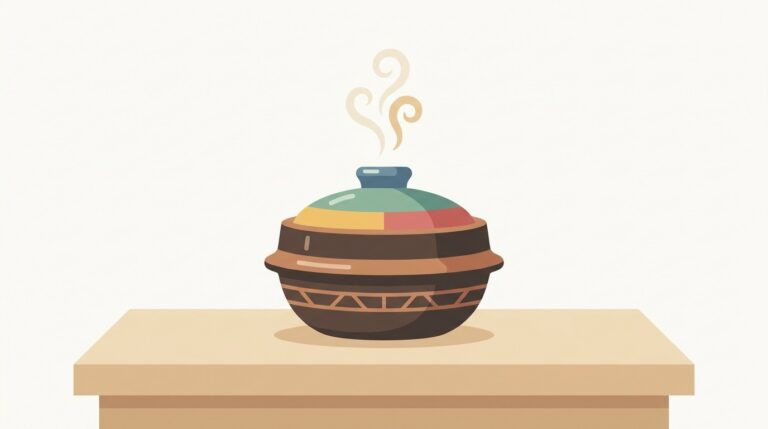
Picture this quintessential scene straight out of an acclaimed slice-of-life K-drama: After an exhausting twelve-hour corporate marathon in downtown Seoul, you duck into a humid, steam-veiled diner tucked away in an alleyway of Euljiro. The table is crowded with fermented kimchi, fresh green chili peppers, and a blisteringly hot earthenware cauldron of ttukbaegi soup bubbling like fresh magma. Your Korean companion scoops a scalding spoonful straight from the boiling center, swallows it, releases a guttural exhale from the bottom of their diaphragm, and proclaims with pure bliss: “아, 시원하다!” (A, siwon-hada! / Ah, so refreshing and cool!).
You hesitate, your spoon suspended in mid-air. Cool? Refreshing? Your brain runs through basic Korean vocabulary lists: siwon-hada = cool weather or a cold beverage. Why on earth would someone describe boiling, throat-searing liquid as “cool”? Welcome to one of the most intriguing frontiers of Korean linguistics: somatic dynamic equivalence. In Korean, culinary vocabulary doesn’t merely convey thermodynamic states; it captures visceral catharsis—an internal release of physical and emotional stagnation. If you have ever felt trapped by the literalism of bilingual dictionaries, this guide is crafted specifically for you. Drawing on years of real pedagogical data from advanced C2 learners and field insights in Korean cultural navigation, we will deconstruct how to cross this threshold of untranslatability with nuance and grace.
Phase 2: Core Expressions In-Depth Analysis
1. 시원하다 (Siwon-hada)
- Pronunciation: [Si-won-ha-da] (Think of a gentle wind chime sounding ‘she-won’, followed by a relaxed ‘ha-da’)
- Meaning: Literal translation: “To be thermally cool/chilly.” Dynamic cultural nuance: A liberating visceral catharsis; the physiological and psychological sensation of heat, heaviness, or congested energy being flushed out of the internal organs.
- K-Culture Moment: In food-travel shows like Street Food Fighter or classic K-dramas, you will consistently witness characters drinking scorching dongtae-tang (pollack soup) after an intense workday, muttering “시원하다” (Siwon-hada) with eyes closed in sheer surrender.
- Editor’s Insight: Unlike English where “cool” is strictly temperature or social coolness, Korean conflates thermal refreshment with somatic decluttering. Hot broth causes vasodilation, sweating, and relief of gastrointestinal constriction, generating an internal release that feels cognitively “cooling” and unburdened.
- Situation Spectrum:
- Casual (Friends, Coworkers): ✅ “와, 국물 진짜 시원하다!” (Wa, gukmul jinjja siwon-hada! / Wow, this soup is genuinely cathartic!)
- Semi-formal (Dining with superiors): ✅ “국물이 참 시원해서 속이 편안해집니다.” (Gukmuri cham siwonhaeseo sogi pyeon-anhaejimnida. / The broth is so refreshing that my stomach feels at ease.)
- Formal (Official culinary review/speech): ✅ “본 요리는 특유의 깊고 시원한 맛이 일품입니다.” (Bon yorineun teug-yu-ui gipgo siwonhan masi ilpum-imnida. / This dish is superb for its characteristically deep, unclogging flavor.)
- 🤔 Think About It: Does your native tongue distinguish physiological temperature from the psychosomatic feeling of relief, or does it compress both into entirely distinct registers?
2. 속이 풀리다 (Sog-i pul-li-da)
- Pronunciation: [So-gi pul-li-da] (Pronounce ‘Sok’ with a soft linking ‘g’ sound: ‘so-gee’, followed by ‘pool-lee-dah’)
- Meaning: Literal translation: “The inside/stomach unties itself.” Dynamic cultural nuance: Alleviation of somatic constriction, recovery from hangover, or the unraveling of accumulated, knot-like emotional stress (han or hwa).
- K-Culture Moment: Seen after celebratory night-outs in countless office K-dramas (like Misaeng), where worn-down junior associates gather at dawn for hwangtae-haejangguk (dried pollack hangover soup) to revive their drained bodies.
- Editor’s Insight: Koreans conceptualize emotional and physical discomfort as a tightly tangled knot in the sok (the gut or inner core). Hence, restorative food or profound closure does not merely “heal”—it literally “unties” (pulda) what was knotted.
- Situation Spectrum:
- Casual: ✅ “뜨거운 거 들어가니까 이제야 속이 좀 풀린다.” (Tteugeoun geo deureoganikka ijeya sogi jom pullinda. / Now that something hot is in me, my gut is finally untying.)
- Semi-formal: ✅ “따뜻한 차를 마시니 긴장했던 속이 많이 풀리네요.” (Ttatteut-han chareul masini gin-janghaetdeon sogi mani pullineyo. / Drinking hot tea relieves so much of the tension knotted inside.)
- Formal (Broadcast / Literature): ⚠️ (Better to use somatic clinical registers like ‘긴장이 완화되다’ unless evoking intentional literary warmth)
- 🤔 Think About It: Why does Korean culture localize emotional distress and relief directly inside the digestive belly (sok), whereas Western languages frequently anchor it in the chest or head?
3. 개운하다 (Gae-un-ha-da)
- Pronunciation: [Gae-un-ha-da] (Sounding like ‘Geh-oon-ha-dah’, with a smooth, bright cadence)
- Meaning: Literal translation: “To feel refreshed/light.” Dynamic cultural nuance: The pristine, lightweight clarity experienced right after sweating out toxins, taking a hot bath, brushing your teeth, or finishing a non-greasy, clear broth.
- K-Culture Moment: After characters in variety programs step out of a traditional Korean dry sauna (jjimjilbang) or finish a bowl of clear clam soup (jogae-tang), they stretch their arms and sigh, “아, 개운하다!” (A, gae-un-hada!).
- Editor’s Insight: While siwon-hada describes the immediate energetic flushing sensation, gae-un-hada characterizes the lingering post-cathartic state of unencumbered cleanliness.
- Situation Spectrum:
- Casual: ✅ “사우나 하고 나오니까 몸이 정말 개운해.” (Sauna hago na-onikka momi jeongmal gae-un-hae. / Coming out of the sauna, my body feels completely revitalized and clean.)
- Semi-formal: ✅ “식사를 마치고 나니 입안과 속이 아주 개운합니다.” (Siksareul machigo nani iban-gwa sogi aju gae-un-hamnida. / Having finished the meal, my palate and stomach feel remarkably crisp and clean.)
- Formal: ✅ “심신이 한결 개운해지는 효과를 기대할 수 있습니다.” (Simsini han-gyeol gae-un-haejineun hyogwareul gidaehal su itseumnida. / One can anticipate the effect of feeling distinctly refreshed in body and mind.)
- 🤔 Think About It: What sensory conditions in your daily routine make you feel “completely unburdened”—and how many words must you combine to express it?
Phase 3: Textbook Korean vs. Real Korean
Situation 1: Reacting to a Scorching Hot Stew at a Traditional Tavern
- 📖 Textbook Korean: “이 찌개는 매우 뜨겁지만 맛이 좋습니다.” (I jjigaeneun maeu tteugeopjiman masi joeusseumnida. / This stew is very hot, but it tastes good.)
- 🗣️ Real Native Korean: “크으, 국물 제대로네! 속이 뻥 뚫리게 시원하다.” (Keu-eu, gukmul jedaerone! Sogi ppeong ttullige siwon-hada. / Gasp, this broth is the real deal! It feels so uncloggingly refreshing that my whole core is cleared out.)
- 💡 Why the Difference?: Native speakers rarely comment solely on raw temperature unless warning someone of burns. Instead, they celebrate the emotional release through vocal sound effects (keu-eu) and the spatial metaphor of an internal blockage popping open (ppeong ttullida).
Situation 2: Recovery the Day After a High-Stakes Dinner
- 📖 Textbook Korean: “어제 술을 많이 마셨지만 국을 먹어서 위장이 회복되었습니다.” (Eoje sureul mani masyeotjiman gugeul meogeoseo wijangi hoebokdoe-eosseumnida. / I drank a lot yesterday, but my stomach recovered because I ate soup.)
- 🗣️ Real Native Korean: “콩나물국 한 사발 들이켜니까 이제야 얹힌 게 쑥 내려가고 살 것 같아.” (Kongnamul-guk han sabal deurikyeonikka ijeya eonchin ge ssuk naeryeogago sal geot gata. / Chugging a bowl of bean sprout soup finally washed down that heavy blockage; I feel alive again.)
- 💡 Why the Difference?: C2-level proficiency abandons mechanical physiological terminology (wijang hoebok) for evocative mimetic descriptors (ssuk naeryeogada – gliding smoothly downwards), conveying authentic embodiment.
Phase 4: K-Culture Deep Dive & Non-Verbal Manners
4-1. Nunchi & Gastro-Somatic Gestures
Uttering “시원하다” (Siwon-hada) over steaming stew without the appropriate somatic accompaniment feels performative and hollow. To execute natural nunchi and cultural cadence:
* The Diaphragmatic Exhalation: When tasting the broth, do not blow excessively on the spoon like an outsider afraid of warmth. Take a controlled, modest sip, swallow deliberately, and let out an audible, unhurried “크으—” (Keu—) or “하아—” (Haa—). This informs the cook and your dinner partners that the broth has landed right at the center of your vital energy.
* The Two-Handed Earthenware Angle: When the soup bowl is down to its final third, tilt the heavy ceramic ttukbaegi at a forty-five-degree angle toward you using your non-dominant hand, spooning up the remaining broth with relaxed focus. It shows reverence for the soup’s depth.
* Facial Micro-Expressions: Instead of a simple smile, native Koreans often furrow their brows slightly in an expression of awe—as if confronting a profound philosophical truth disguised as soup.
4-2. Cultural Code Analysis: The Philosophy of Haejang and I-yeol-chi-yeol
Why do Koreans insist on curing thermal heat with culinary fire? The cultural axiom of 이열치열 (以熱治熱 / I-yeol-chi-yeol)—controlling heat with heat—is grounded in traditional East Asian medicine, where balance is achieved by encouraging circulation rather than suppressing symptoms with icy shock. In addition, the cultural institution of 해장 (Haejang) (restoring the belly from toxic strain) is not merely medical hangover management; it is a shared therapeutic ritual after collective emotional labor. In a society marked by intense interpersonal density and unspoken social stresses (han and nunchi), gathering around a scalding, communal pot to audibly confess how siwon-hada the soup is serves as an emotional pressure-release valve.
Phase 5: Real-World Roleplay Scenario
- Setting: 11:45 PM. An authentic, no-frills pork backbone stew (gamjatang) restaurant in an alley of Euljiro, Seoul. Smoke fills the air, spoons clatter against ceramic, and retro neon lights flicker outside in the crisp autumn air.
- Character: Min-woo (민우), your senior project manager. He has just survived a bruising five-day corporate audit and looks utterly spent.
Turn 1 (민우): 🎭 [Massaging his stiff neck, letting his shoulders drop heavily onto the plastic chair]
"오늘 진짜 영혼까지 털린 기분이야. 너도 이번 프로젝트 하느라 고생 많았지?"
(Oneul jinjja yeonghonkkaji teollin gibuniya. Neodo ibeon peurojekteu haneura gosaeng manatji?)
"My soul was literally sucked dry today. You went through hell on this project too, right?"

Turn 2 (You): 🎭 [Nodding empathetically, loosening your collar slightly]
"선배님이야말로 정말 고생하셨습니다. 그래도 무사히 끝나서 다행이에요."
(Seonbaennimiya-mallo jeongmal gosaenghasyeosseumnida. Geuraedo musahi kkeunnaseo dahaeng-ieyo.)
"You're the one who bore the brunt of it, Sunbaenim. I'm just relieved it concluded safely."

Turn 3 (민우): 🎭 [Turning on the tabletop portable gas burner under the massive iron pot of Gamjatang]
"이 집 감잣국물 국물이 진짜 진국이거든. 한 숟가락 먼저 떠먹어 봐."
(I jip gamjat-gukmul gukmuri jinjja jingug-eodeun. Han sutgarak meonjeo tteomeogeo bwa.)
"The broth at this joint is genuine liquid gold. Go ahead, take the first spoonful."

Turn 4 (You): 🎭 [Carefully ladling a steaming, crimson spoonful, tasting it, and letting out a measured, appreciative exhale]
"크으— 국물이 아주 깊네요. 뜨거운데 왜 '시원하다'고 하는지 이제 알겠습니다."
(Keu-eu— gukmuri aju gimneyo. Tteugeonde wae 'siwon-hada'go haneunji ije algetseumnida.)
"*Keu-eu*— This broth is astonishingly deep. Now I finally see why people call this scalding soup 'siwon-hada.'"

Turn 5 (민우): 🎭 [Grinning broadly, clinking his soju glass against your water tumbler with evident approval]
"하하! 이제 한국인 다 됐네! 속이 싹 씻겨 내려가는 느낌이지?"
(Haha! Ije hanguk-in da dwaenne! Sogi ssak ssitgyeo naeryeoganeun neukkim-iji?)
"Haha! Look at you, you've turned full Korean! Feels like your whole insides are getting rinsed clean, right?"

Turn 6 (You): 🎭 [Taking a bite of tender pork, looking relaxed]
"네, 하루 종일 가슴에 꽉 막혀 있던 스트레스가 쑥 내려가는 것 같아요."
(Ne, haru jong-il gaseume kkwak makhyeo itdeon seuteureseuga ssuk naeryeoganeun geot gat-ayo.)
"Yes, it feels like that tight block of stress lodged in my chest all day is washing right down."

Turn 7 (민우): 🎭 [Sighing in relief, scooping meat onto your plate]
"맞아, 밥 먹으면서 이렇게 속이라도 풀어야 또 내일을 버티지. 든든하게 더 먹어."
(Maja, bap meogeumyeonseo ireoke sog-irado pureoya tto nae-ireul beotiji. Deundeunhage deo meogeo.)
"Exactly. You have to untie your gut over a meal like this to endure another tomorrow. Eat up generously."

Turn 8 (You): 🎭 [Bowing slightly with a bright expression, holding your spoon ready]
"감사합니다! 오늘은 정말 개운하게 푹 잘 수 있을 것 같습니다."
(Gamsahamnida! Oneureun jeongmal gae-un-hage puk jal su isseul geot gatseumnida.)
"Thank you! Tonight I feel like I can finally sleep with total, unburdened lightness."
🔀 Interactive Decision Fork
Imagine Min-woo asks you on Turn 5: “어때, 맵고 뜨거운데 먹을 만해?” (How is it, manageable despite the heat and spice?) How do you respond?
- Option A: “온도가 너무 높아서 입천장을 데일 뻔했지만 위생적으로는 안전해 보입니다.” (Ondoga neomu nop-aseo ipcheonjang-eul de-il ppeonhaetjiman wisaengjeog-euroneun anjeonhae bo-imnida. / The temperature was so high it almost burned my palate, but it appears sanitary.)
- Outcome (Bad 🚫): Destroys the emotional resonance instantly. You sound like a laboratory health inspector rather than a comrade bonding over comfort food.
- Option B: “크으, 목을 타고 넘어가는데 맺혔던 게 싹 풀리는 기분이에요!” (Keu-eu, mog-eul tago neomeoganeunde maechyeotdeon ge ssak pullineun gibun-ieyo! / Keu-eu, as it glides down my throat, all my accumulated tension just unknots!)
- Outcome (Best ⭐): Flawless C2 natural embodiment. You use sound imagery (keu-eu), somatic metaphor (maechin ge pulleda), and validate his invitation.
- Option C: “괜찮아요. 제 모국에도 이보다 훨씬 더 시원한 차가운 수프가 있습니다.” (Gwaenchanayo. Je moguk-edo iboda hwolssin deo siwonhan chagaun supeuga itseumnida. / It’s fine. My home country also has cold soups that are much cooler than this.)
- Outcome (Risk ⚠️): Confuses thermal chill with somatic siwon-ham, demonstrating that you missed the entire cultural point of the meal.
Phase 6: 10-Second Emotion Shadowing Drill
Practice matching both the pitch inflection and the psychosomatic energy. Pay attention to the pauses marked with /.
- [😌 Deep Visceral Relief & Grounding]
“아— / 국물이 / 속까지 뻥 뚫리게 / 시원하다.”
(A— / gukmuri / sokkkaji ppeong ttullige / siwon-hada.)
“Ah— / this broth / punches a clean path right through my core / so deeply refreshing.” -
[😫 Lingering Stress Shifting into Liberation]
“종일 체한 것처럼 답답했는데, / 이제야 속이 / 쑥 풀리네.”
(Jong-il chehan geotcheoreom dapdaphaenneunde, / ijeya sogi / ssuk pulline.)
“My chest felt suffocated all day as if indigestion hit me, / but finally / my core unknots completely.” -
[✨ Exhilarated, Lightweight Post-Catharsis]
“뜨거운 국물 들이켜고 땀 한 번 싹 빼니까 / 몸이 날아갈 듯이 / 개운해!”
(Tteugeoun gukmul deurikyeogo ttam han beon ssak ppaenikka / momi naragal deusi / gae-un-hae!)
“Gulping down scorching broth and breaking a full sweat / makes my body feel light enough / to fly!”
Phase 7: K-Culture Mini Dictionary
-
해장 (Haejang / 解腸)
- Definition: The act of soothing, detangling, or warming the internal organs—most commonly utilized after heavy drinking or emotional depletion.
- Real-world Usage: Frequently paired with guk (soup): “내일 아침에 황태해장국으로 해장하러 가자.” (Nae-il achime hwangtae-haejanggugeuro haejanghareo gaja. / Let’s go untangle our stomachs with dried pollack soup tomorrow morning.)
- 이열치열 (I-yeol-chi-yeol / 以熱治熱)
- Definition: The philosophical health concept of mastering external heat or internal stagnation through thermal heat and energetic stimulation.
- Real-world Usage: Spoken during sweltering midsummer heatwaves (sambok) when lines form outside ginseng chicken soup (samgyetang) restaurants: “여름엔 역시 이열치열이지!” (Yeoreumen yeoksi i-yeol-chi-yeoriji! / In summer, tackling heat with heat is indeed the only way!)
- 뚝배기 (Ttukbaegi)
- Definition: Traditional unglazed earthenware pot that retains volcanic boiling temperatures long after leaving the stovetop flame.
- Real-world Usage: Symbolizes unpretentious, enduring warmth: “뚝배기처럼 뚝심 있게 버티자.” (Ttukbaegicheoreom ttuksim itge beotija. / Let’s endure persistently with stubborn integrity, like a slow-simmering earthenware pot.)
- 뻥 뚫리다 (Ppeong ttullida)
- Definition: An onomatopoeic/mimetic phrase meaning an obstruction pops completely open with sudden, unclogged velocity.
- Real-world Usage: Applied to congested sinuses, traffic jams, stalled projects, or choked emotions: “막혔던 고속도로가 뻥 뚫렸다.” (Makhyeotdeon gosokdoroga ppeong ttullyeotda. / The clogged highway suddenly opened up completely.)
Phase 8: Traveler’s Survival Kit
Top 3 Survival Expressions for Local Diners
- “국물 좀 더 데워주실 수 있나요?”
- Romanization: Gukmul jom deo de-wojusil su innayo?
- Pro Tip: When your stew has cooled down and lost its somatic siwon-han punch, use this sentence. Korean diner aunties (emo-nim) will gladly boil it back to volcanic perfection.
- “여기 청양고추 조금만 더 넣어주세요, 얼큰하게 먹고 싶어요.”
- Romanization: Yeogi cheongyang-gochu jogeumman deo neoeojuseyo, eolkeunhage meokgo sipeoyo.
- Pro Tip: Eolkeun-hada describes pleasant, hot-spicy warmth that induces sweating without blistering the tongue. Asking for Cheongyang chili signals high culinary literacy.
- “속이 확 풀리네요, 정말 잘 먹었습니다!”
- Romanization: Sogi hwak pullineyo, jeongmal jal meogeosseumnida!
- Pro Tip: Use this while paying at the register instead of a plain “맛있었어요” (It was delicious). The owner’s face will instantly light up.
🧳 Editor’s Travel Note: Conquering Alleyway Diners
Finding the most cathartic soup requires bypassing commercialized tourist franchises. Download the Naver Map app for local restaurant navigation and search specifically for historical culinary keywords such as 기사식당 (drivers’ diners) or 노포 (centuries-old heritage eateries) around Jongno or Mullae-dong. In these heritage diners, seating is often communal and tables are tightly packed. Keep personal items tucked neatly under your chair or in plastic clothes-protecting bags, and wait until everyone’s bowl arrives before taking that legendary first sigh of siwon-hada.
Phase 9: Going Deeper (Humanities Essay)
In standard Western cartographies of emotion, language often segregates bodily digestion from intellectual or emotional struggle; we “think” with the cerebral cortex and “digest” with the gastrointestinal tract. Korean psychosomatic linguistics, however, fundamentally rejects this dichotomy. Rooted in shared cultural trauma, agrarian collectivism, and centuries of high-pressure social structures, suppressed grievances were culturally diagnosed as 화병 (Hwa-byung / fire-illness)—an incendiary, trapped knot lodged in the chest and belly. Consequently, relief cannot merely be an intellectual conclusion; it requires an active physical release. Swallowing boiling broth that provokes perspiration and a vocalized sigh is an active somatic ritual that dismantles internal knots. When Koreans say “시원하다” over steaming soup, they are not misidentifying temperature—they are performing dynamic existential liberation.
💬 Your Turn: What dish or ritual in your native culture provides this level of cathartic psychosomatic release? Share your thoughts and stories in the comments below!
Phase 10: FAQ & Mistake Prevention
Q: Can I use “시원하다” to describe cold weather or iced beverages as well?
A: Absolutely! That is its primary literal thermodynamic sense. You can naturally say “바람이 시원하다” (The breeze is cool) or “시원한 냉수 한 잔 주세요” (Please give me a glass of cold water). The magic of the word is polysemous: it spans both physical coldness and internal cathartic decompression.
Q: How does “시원하다” differ from “얼큰하다” (Eolkeun-hada)?
A: Siwon-hada focuses on clean, unobstructed clarity and relief (often from seafood, radish, or clear broths). Eolkeun-hada, on the other hand, explicitly implies a savory chili pepper spiciness that tingles the tongue and prompts forehead sweating while simultaneously warming the stomach.
Q: Is the vocal sigh (“크으—”) considered impolite in formal company?
A: In strictly formal settings (e.g., dining with foreign diplomats or attending a formal corporate evaluation lunch), keep vocalizations silent or minimal. However, during semi-formal dinners with respected team leaders or mentors, a subtle, appreciative exhale paired with “속이 시원합니다” is viewed as genuine warmth and cultural intimacy.
🚨 Common Mistakes Warning Board
| Mistake Type | Incorrect / Unnatural Usage | Corrected C2 Usage | Why It Matters |
|---|---|---|---|
| Literal Misalignment | Calling a hot soup “차갑다” (Chagapda) because someone said it was “cool”. | “뜨거운데 속이 시원해요.” (Tteugeonde sogi siwonhaeyo.) | Chagapda strictly denotes physical cold temperature. Never use it for emotional or soup catharsis. |
| Wrong Emotional Valence | Saying “시원하다” when experiencing negative spicy pain (e.g., ghost peppers). | “얼얼하고 매워요.” (Eoreolhago maewoyo.) | Siwon-hada is always restorative and pleasurable, never agonizingly painful. |
| Overusing Formal Diction | “위장관의 긴장이 완화되었습니다.” (My gastrointestinal tract tension relaxed.) | “이제야 속이 좀 풀리네요.” (Now my gut is finally untangling.) | Robotic clinical language kills authentic dinner connection; lean into somatic Korean metaphors. |
Phase 11: Action Mission & Engagement
- 🥉 Bronze Mission (Solo Mastery): Stand in front of your mirror with a hot cup of tea or broth. Take a sip, wait two seconds, and practice vocalizing a natural, relaxed “하아— 시원하다” without tensing your jaw.
- 🥈 Silver Mission (Community Sharing): Next time you prepare or order soup, take a picture or short clip, upload it to Instagram or your study blog, and caption it using the construction:
뜨거운데 왜 시원하다고 하는지 알겠다! #매일한글 #속풀이. - 🥇 Gold Mission (Real-World Execution): Visit an authentic Korean restaurant. When the owner brings out your gukbap or jjigae, make eye contact after your first spoonful and say warmly: “사장님, 국물이 정말 깊고 시원하네요!”
🎮 K-Culture Mission: Watch an episode of a food-centric K-drama (such as Let’s Eat or Reply 1988). Count how many times the characters consume a hot liquid and utter siwon-hada versus when they use it for actual weather. Take notes on their physical gestures!
Phase 12: Interactive Quiz Challenge
Test your mastery of Korean untranslatability and somatic gastro-linguistics!
1. Situational Judgment
You are having lunch with your Korean team director, who drank soju at a dinner last night. He points to a boiling bowl of daegu-tang (codfish soup) and asks: “이 집 국물 어때?” Which response proves your C2 dynamic nuance?
* A) “영하 5도처럼 시원하고 얼어붙는 것 같습니다.”
* B) “뜨거운데도 막힌 속이 뻥 뚫리듯이 시원하고 개운합니다.”
* C) “온도가 90도에 육박하여 혀의 미각세포를 자극합니다.”
2. Fill-in-the-Blank
Complete the following sentence with the most culturally authentic descriptive phrase:
“아침에 따뜻한 콩나물국을 마셨더니 전날 쌓인 피로와 스트레스가 _________.”
* A) 속이 싹 풀렸다
* B) 체온이 내려갔다
* C) 입맛이 굳어버렸다
3. Cultural True or False
- Statement: The expression “속이 시원하다” can also be used psychologically when an annoying problem or frustrating person has finally been resolved or removed, even without food.
- (True / False)
👉 Click to reveal answers & in-depth explanations!
Answers & Explanations
- Answer: B
- Explanation: Option B utilizes the metaphorical construct of somatic clearance (mak-hin sog-i ppeong ttullideut-i) alongside siwon-hada and gae-un-hada, capturing dynamic equivalence. Option A confuses literal ice with figurative relief, and Option C sounds like an emotionless thermometer.
- Answer: A (속이 싹 풀렸다)
- Explanation: The metaphorical image of sok-i pul-li-da (the gut unknotting cleanly) matches the somatic revival brought on by bean sprout soup. Neither cooling body temperature (B) nor deadening appetite (C) fits the context.
- Answer: True
- Explanation: Absolutely! For example, when a corrupt villain in a K-drama finally gets arrested, viewers will vigorously shout, “아, 속 시원하다!” (Ah, what an immense, satisfying relief!). The gastro-somatic metaphor extends straight into social justice and personal vindication.
- Explanation: Absolutely! For example, when a corrupt villain in a K-drama finally gets arrested, viewers will vigorously shout, “아, 속 시원하다!” (Ah, what an immense, satisfying relief!). The gastro-somatic metaphor extends straight into social justice and personal vindication.






