

Quit Bedtime Doomscrolling: How to Talk About Healthy Sleep Habits in Korean
Phase 1: Empathy & Storytelling Opening
안녕하세요! 매일한글 에디터입니다.
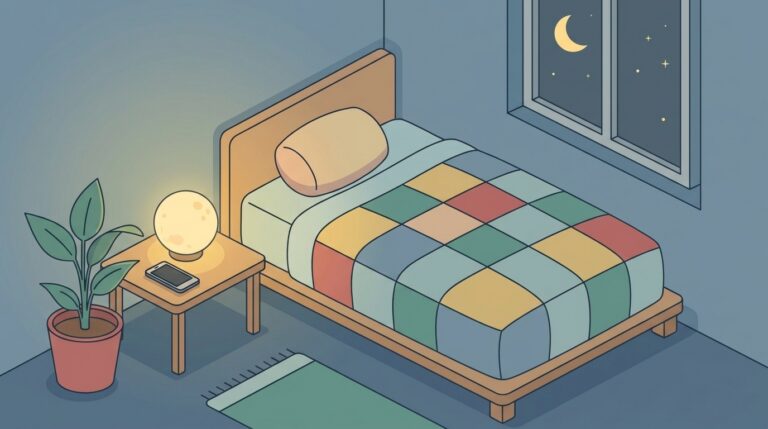
Picture this: It is 1:30 AM in a cozy studio apartment in Mapo-gu, Seoul. You promised yourself you would sleep at midnight, but your thumb had other plans. First, it was just one quick reel of a street food stall in Gwangjang Market, then three episodes of a webtoon, and suddenly you are deep into a rabbit hole of K-pop dance practice videos. The harsh blue light stings your tired eyes, and the dread of your 9:00 AM class or meeting starts creeping in. We have all been there, haven’t we? Late-night screen fatigue is universally relatable, but in hyper-connected South Korea, taking back control of your evening routine has sparked an entire lifestyle movement.
Today, we are learning how to talk about this very struggle and set gentle boundaries in natural Korean: 잠들기 한 시간 전부터는 스마트폰을 보지 않으려고 해요 (Jamdeulgi han sigan jeonbuteoneun seumateuponeul boji aneuryeogo haeyo – I try not to look at my smartphone starting an hour before going to sleep). Based on hundreds of 1-on-1 tutoring sessions with learners living in Korea, sharing your everyday health goals is the single best way to transition from textbook robot to genuine friend. Master this sentence pattern, and you will not only improve your grammar—you will unlock warm, empathetic conversations with native speakers over breakfast or coffee!
Phase 2: Core 3 Expressions In-Depth
1. 잠들기 한 시간 전부터는 스마트폰을 보지 않으려고 해요
- Pronunciation: [Jamdeulgi han sigan jeonbuteoneun seumateuponeul boji aneuryeogo haeyo] (Think: “Jahm-deul-ghee hahn she-gahn juhn-boo-tuh-noon s’mah-teu-pon-eul bo-jee ahn-eu-ryuh-go hae-yo”)
- Meaning:
- Literal: Starting from one hour before falling asleep, smartphone not look am trying to do.
- Natural Nuance: “I try not to look at my phone for an hour before bed.”
- K-Culture Moment: You will hear this in lifestyle vlogs where young Koreans share their God-saeng (god-like productive life) evening routines while lighting scented soy candles.
- Editor’s Insight: The grammar pattern
-(으)려고 하다signifies personal effort or intention. By using보지 않으려고 해요, you sound modest and proactive—acknowledging that it is an ongoing struggle rather than an arrogant boast! - Situation Spectrum:
- Casual (Friends): 잠들기 전에 폰 안 보려고 해 (Jamdeulgi jeone pon an boryeogo hae) ✅
- Semi-formal (Polite everyday): 잠들기 한 시간 전부터는 스마트폰을 보지 않으려고 해요 ✅
- Formal (Interviews/Presentations): 취침 전 스마트폰 사용을 줄이고자 노력하고 있습니다 ⚠️
- 🤔 Think About It: In English, we often say “I avoid screens.” In Korean, using the physical action
스마트폰을 보다(to look at a smartphone) paired with an intention ending shows how Korean prioritizes visible actions and ongoing mindful effort.
2. 매일 비타민을 챙겨 먹고 있어요
- Pronunciation: [Maeil bitamineul chaenggyeo meokgo isseoyo] (Think: “May-eel bee-tah-meen-eul cheng-gyuh muck-go ee-ssuh-yo”)
- Meaning:
- Literal: Every day vitamins caring-taking eating am.
- Natural Nuance: “I make sure to take my vitamins every single day.”
- K-Culture Moment: Seen in nearly every modern K-Drama when an office worker pulls out single-pack red ginseng jelly or multivitamin packets from their desk drawer.
- Editor’s Insight: The compound verb
챙겨 먹다comes from챙기다(to take care of / pack / not forget) +먹다(to eat). Koreans never simply “drink” or “take” medicine passively; they “take care to consume” it. - Situation Spectrum:
- Casual: 비타민 잘 챙겨 먹고 있어 (Bitamin jal chaenggyeo meokgo isseo) ✅
- Semi-formal: 매일 비타민을 챙겨 먹고 있어요 ✅
- Formal: 건강을 위해 영양제를 꾸준히 복용하고 있습니다 ✅
- 🤔 Think About It: Why does Korean combine care (
챙기다) with eating (먹다)? Caring for one’s physical body is considered a responsibility toward yourself and your family in Korea.
3. 요즘은 일찍 자고 푹 쉬려고 노력해요
- Pronunciation: [Yojeumeun iljjik jago puk swiryeogo noryeokhaeyo] (Think: “Yo-jeum-oon eel-jjik jah-go pook shwee-ryuh-go no-ryuk-hae-yo”)
- Meaning:
- Literal: Nowadays early sleep and deeply rest am striving.
- Natural Nuance: “These days, I am making an effort to sleep early and get deep rest.”
- K-Culture Moment: Friends saying goodbye after a late dinner in Hongdae or Gangnam, reminding each other not to stay up playing PC games.
- Editor’s Insight: The onomatopoeia
푹(puk) describes sinking deeply into a comfortable mattress or soaking into a hot bath. It instantly conveys restorative, restorative rest. - Situation Spectrum:
- Casual: 요즘 푹 쉬려고 해 (Yojeum puk swiryeogo hae) ✅
- Semi-formal: 요즘은 일찍 자고 푹 쉬려고 노력해요 ✅
- Formal: 충분한 휴식을 취하고자 합니다 ⚠️
- 🤔 Think About It: Contrast “getting rest” with
푹 쉬다. Notice how the word푹audibly mimics a heavy exhale of relief after a long day.
Phase 3: Textbook Korean vs. Real Korean
Situation 1: Talking about your bedtime schedule
- 📖 교과서 한국어 (Textbook): 저는 매일 밤 열한 시에 취침합니다. (Jeoneun maeil bam yeolhan sie chwichimhamnida. / I go to sleep at 11 PM every night.)
- 🗣️ 진짜 한국어 (Real Life): 보통 11시쯤엔 누워서 자려고 해요. (Botong yeolhansijjeumen nuwoseo jaryeogo haeyo. / I usually lie down and try to sleep around 11.)
- 💡 왜 다를까?:
취침하다is an overly formal Sino-Korean term mostly heard in military barracks or hospital schedules. Real native speakers use descriptive, warm verbs like누워서 자다(lie down and sleep) combined with approximations like~쯤(around).
Situation 2: Asking if someone takes nutritional supplements
- 📖 교과서 한국어 (Textbook): 건강 보조 식품을 규칙적으로 복용하십니까? (Geongang bojo sikpumeul gyuchikjeogeuro bogyonghasimnikka? / Do you routinely ingest dietary health supplements?)
- 🗣️ 진짜 한국어 (Real Life): 비타민이나 영양제 챙겨 드세요? (Bitamin-ina yeongyangje chaenggyeo deuseyo? / Do you take your vitamins or daily supplements?)
- 💡 왜 다를까?: Words like
건강 보조 식품and복용하다belong in pharmaceutical contracts or warning labels. In casual conversation, Koreans bundle health pills into the friendly term영양제(nutritional supplements) or비타민(vitamins) with챙겨 드시다.
Phase 4: K-Culture Deep Dive & Non-Verbal Manners
4-1. Nunchi & Mindful Gestures
When discussing health or sleep boundaries in Korea, modesty and consideration are key:
* Phone Etiquette in Group Settings: When you mention that you are minimizing screen time, naturally place your phone face-down on the table (화면을 엎어놓다). It subtly signals respect to the person sitting across from you.
* Accepting Vitamin Gifts: Koreans frequently gift individual packets of vitamins or energy sticks (like Korean Red Ginseng). When someone hands you one, accept it with two hands, place a hand under your wrist or elbow as a gesture of respect, and say: 잘 챙겨 먹을게요! (Jal chaenggyeo meogeulgeyo! – I will be sure to take this well!).
4-2. The Cultural Trend: God-saeng (갓생) and Digital Detox
While Korea has a reputation for intense night cultures—late-night study cafes (dokseosil), 24-hour barbecue spots, and midnight delivery—a massive counter-movement has taken root among Generation MZ: 갓생 (Gat-saeng), a blend of “God” and the Korean word for life (saeng), meaning living an intentional, mindful, and productive life. Setting phone-free zones before bed, drinking warm barley tea (boricha), taking targeted vitamins, and journaling are hallmarks of this wellness revolution.
Phase 5: Real-Life Roleplay Scenario
Setting: A cozy kitchen nook in an apartment in Sinchon. Minji is brewing chamomile tea, while you are rubbing your eyes from screen fatigue.
Characters:
* Minji (민지): Your health-conscious Korean flatmate who wakes up early for Pilates.
* You (유저): A hardworking student/remote worker trying to reset your broken sleep cycle.
- Dialogue:
- 민지: 🎭 (따뜻한 차 잔을 건네며 걱정스러운 눈빛으로) 오늘 밤에도 눈이 좀 충혈됐네. 아직도 잠이 잘 안 와? (Oneul bamedo nuni jom chunghyeoldwaenne. Ajikdo jami jal an wa? / Your eyes look a bit bloodshot tonight too. Still having trouble sleeping?)
- You: 🎭 (차를 두 손으로 받으며 한숨을 쉰다) 네, 침대에 누우면 자꾸 스마트폰을 보게 돼요. (Ne, chimdaee nuumyeon jakku seumateuponeul boge dwaeyo. / Yeah, once I lie down in bed, I keep looking at my smartphone.)
- 민지: 🎭 (고개를 끄덕이며 공감한다) 맞아요, 침대에서 숏폼 보기 시작하면 한 시간 순식간이지. (Majayo, chimdaeeseo syotpomp bogi sijakhamyeon han sigan sunsikgan-iji. / I know right! Once you start watching short-form videos in bed, an hour disappears in an instant.)
- You: 🎭 (결심한 표정으로 찻잔을 내려놓는다) 그래서 오늘부터는 잠들기 한 시간 전부터 스마트폰을 안 보려고 해요. (Geuraeseo oneulbuteoneun jamdeulgi han sigan jeonbuteo seumateuponeul an boryeogo haeyo. / So starting today, I’m trying not to look at my smartphone starting an hour before going to sleep.)
- 민지: 🎭 (환하게 웃으며 박수를 살짝 친다) 좋은 생각이야! 그럼 침대 옆 충전기부터 책상으로 옮겨볼래? (Joeun saenggag-iya! Geureom chimdae yeop chungjeon-gibuteo chaeksang-euro olmgyeobollae? / That’s a great idea! Then do you want to try moving your charger from next to your bed over to the desk?)
- You: 🎭 (미소 지으며) 네, 그래야겠어요. 그리고 요즘 비타민도 잘 챙겨 먹고 있어요. (Ne, geuraeyagesseoyo. Geurigo yojeum bitamindo jal chaenggyeo meokgo isseoyo. / Yes, I should do that. Also, these days I make sure to take my vitamins too.)
- 민지: 🎭 (뿌듯한 표정으로 엄지를 척 든다) 완벽해! 오늘 밤에는 우리 둘 다 꿀잠 잘 수 있겠다. (Wanbyeokhae! Oneul bameneun uri dul da kkuljam jal su itgetda. / Perfect! Tonight, both of us will be able to get sweet, deep sleep.)
- You: 🎭 (편안한 미소를 지으며) 고마워요, 민지 씨. 오늘 밤은 푹 자요! (Gomaweoyo, Minji ssi. Oneul bameun puk jayo! / Thank you, Minji. Sleep deeply tonight!)
🔀 Interactive Choice Point
Minji asks you: “침대 옆 충전기부터 책상으로 옮겨볼래?” (Do you want to move your charger from beside your bed to your desk?)
How do you respond?
- Choice A: “네! 스마트폰을 멀리 두려고 해요.” (Ne! Seumateuponeul meolli duryeogo haeyo. – Yes! I try to keep my smartphone far away.)
- Feedback [Best]: Natural, polite, and uses the exact
-(으)려고 하다intention grammar we practiced! Minji will be impressed by your dedication.
- Feedback [Best]: Natural, polite, and uses the exact
- Choice B: “싫어요. 누워서 폰 보는 게 제 인생의 유일한 낙이에요.” (Sireoyo. Nuwoseo pon boneun ge je insaeng-ui yuilhan nagi-eyo. – No. Watching my phone lying down is the only joy of my life.)
- Feedback [Bad/Risk]: Too blunt and dramatic! While funny among close friends, it shuts down Minji’s thoughtful advice.
- Choice C: “스마트폰을 없애버릴게요.” (Seumateuponeul eopsaebeorilgeyo. – I will completely get rid of my smartphone.)
- Feedback [Risk]: Unrealistic overkill! She might think you are throwing your phone out the window.
Phase 6: 10-Second Emotion Shadowing Drill
Read aloud along the rhythm marks (/), channeling the indicated emotional state!
- [😊 차분하고 결심한 듯이 / Calm & Determined]
잠들기 / 한 시간 전부터는 / 스마트폰을 / 보지 않으려고 해요.
(Jamdeulgi / han sigan jeonbuteoneun / seumateuponeul / boji aneuryeogo haeyo.) -
[💪 활기차고 자신 있게 / Energetic & Confident]
매일 아침마다 / 비타민을 / 꼭 / 챙겨 먹고 있어요!
(Maeil achimmada / bitamineul / kkok / chaenggyeo meokgo isseoyo!) -
[🥱 나른하지만 편안하게 / Sleepy but Cozy]
오늘은 일찍 자고 / 밤새 / 푹 쉬려고요.
(Oneureun iljjik jago / bamsae / puk swiryeogoyo.)
Phase 7: K-Culture Mini Dictionary
- 갓생 (Gat-saeng) | Living a productive, mindful, ideal routine
- Slang combining English “God” with Korean saeng (life). Often used when waking up early, working out, or quitting doomscrolling.
- 챙겨 먹다 (Chaenggyeo meokda) | To make sure to take/eat regularly
- Essential daily expression used for meals, vitamins, and prescription medicine. Implies deliberate care for your wellness.
- 꿀잠 (Kkul-jam) | Sweet, deep sleep (honey sleep)
- Slang combining
꿀(honey) and잠(sleep). Use it when greeting friends in the morning: “꿀잠 잤어?” (Did you sleep well?).
- Slang combining
- 숙면 (Suk-myeon) | Sound, undisturbed sleep
- Formal/medical noun for deep REM sleep. You will see this written on sleep-aid teas, aroma pillow mists, and smart watch tracking apps.
Phase 8: Survival Kit for Travelers
Top 3 Survival Phrases for Wellness in Korea
- 수면에 도움 되는 차 추천해 주시겠어요? (Sumyeone doum doeneun cha chucheonhae jusigesseoyo?)
- Meaning: Could you recommend a tea that helps with sleep?
- Pro Tip: Use this at trendy tea houses in Bukchon or traditional cafes in Insadong.
- 종합비타민 어디에 있어요? (Jonghapbitamin eodie isseoyo?)
- Meaning: Where are the multivitamins?
- Pro Tip: Ask this at any pharmacy (yakguk) or health & beauty store.
- 디카페인으로 변경 가능할까요? (Dika-pe-in-euro byeongyeong ganeunghalkkayo?)
- Meaning: Can I switch this to decaf?
- Pro Tip: Korea’s coffee culture is famous, but drinking caffeine late can ruin your sleep. Major chains like Mega Coffee, Compose, and Starbucks easily swap to decaf for 300–500 KRW.
Editor’s Travel Note
Need emergency vitamins or sleep aids during your trip? Look for green cross signs (+) marked 약 (Yak). Pharmacists in Seoul are exceptionally knowledgeable. If you are stuck late at night, search for “휴일지킴이약국” on the Naver Map app download to find 24-hour pharmacies open near your accommodation.
Phase 9: “One Step Deeper” (Cultural Reflection)
In Korean society, asking about someone’s eating and sleeping habits is not idle small talk—it is an authentic form of affection. Greetings like “식사하셨어요?” (Have you eaten?) or “어젯밤에 잘 잤어요?” (Did you sleep well last night?) originated during times of historical hardship, when food security and physical health were never guaranteed. When you tell a Korean friend, “I am trying to put down my phone early and take my vitamins,” you are signaling that you respect your body and value healthy living in a community that cares deeply about collective well-being.
💬 Your Turn: What is one evening habit you are trying to change this week? Share in the comments below using the Korean phrase: ~보지 않으려고 해요 or ~일찍 자려고 해요!
Phase 10: FAQ & Avoiding Misunderstandings
Q: What is the grammatical difference between ‘-려고 하다’ and ‘-고 싶다’?
A: -고 싶다 expresses a simple internal desire (“I want to”), while -(으)려고 하다 expresses an active plan or effort being made (“I intend to / am trying to”). For habits like putting your phone away, 보지 않으려고 해요 sounds far more proactive than simply 보고 싶지 않아요.
Q: Can I use the verb ‘마시다’ (to drink) when taking vitamins in Korean?
A: While you swallow liquid vitamins with water, the standard, natural Korean expression is always 비타민을 먹다 (to eat vitamins) or 비타민을 챙겨 먹다. Using 마시다 for pills sounds unnatural to native ears.
Q: How do I say “I fell asleep while looking at my phone”?
A: You can say: 스마트폰을 보다가 잠들었어요 (Seumateuponeul bodaga jamdeureosseoyo). The grammar pattern -다가 marks an action that was interrupted by another action (falling asleep).
🚨 Common Mistakes Alert
- Mistake: Saying “스마트폰을 안 보고 싶어요” when trying to stop a bad habit.
- Why it’s awkward: It sounds like you suddenly lost the emotional urge to look at your phone, rather than actively disciplining yourself.
- Correct Action: Use
보지 않으려고 노력해요(I am making an effort not to look).
- Mistake: Saying “비타민을 복용해요” to young Korean peers.
- Why it’s awkward: It sounds clinical, like a doctor reporting a patient’s prescription.
- Correct Action: Say
비타민 챙겨 먹어요.
- Mistake: Using “자다” when speaking politely about an elder’s sleep.
- Why it’s awkward:
자다is plain language. - Correct Action: Use the honorific verb
주무시다(Jumusida). Example: 할머니, 안녕히 주무세요 (Halmeoni, annyeonghi jumuseyo – Grandmother, sleep peacefully).
- Why it’s awkward:
Phase 11: Action Missions
- 🥉 Bronze Level: Turn your smartphone display to grayscale or “Do Not Disturb” mode 30 minutes before bed tonight. Say aloud 3 times:
스마트폰을 보지 않으려고 해요. - 🥈 Silver Level: Next time you drink water or take a supplement, post a photo on social media or in your study journal with the Korean caption:
건강을 위해 비타민 챙겨 먹기! 💊 - 🥇 Gold Level: During your next language exchange or conversation with a Korean friend, ask them about their sleep routine using:
보통 몇 시에 자려고 해요?(What time do you usually try to sleep?). - 🎮 K-Culture Mission: Watch any Korean morning or night routine vlog on YouTube and comment when you spot a vitamin packet or an alarm clock: “갓생 살기 대단해요!” (Amazing job living a diligent life!).
Phase 12: Interactive Quiz Challenge
1. Situational Judgment:
You want to politely tell your language partner that you are currently putting effort into taking nutritional supplements daily. Which sentence is the most natural?
* A) 비타민을 마시고 싶습니다.
* B) 매일 비타민을 챙겨 먹으려고 노력하고 있어요.
* C) 비타민을 취침합니다.
2. Fill-in-the-Blank:
Complete the sentence to say: “I try not to look at my phone starting 30 minutes before bed.”
잠들기 30분 전부터는 스마트폰을 _______ 않으려고 해요.
* A) 가지
* B) 먹지
* C) 보지
3. True or False Culture Check:
In modern Korean culture, the term ‘갓생 (Gat-saeng)’ refers to sleeping in until 1:00 PM on weekends without an alarm.
* [True / False]
👉 Click to Reveal Answers & Explanations
- Answer: B
- Explanation:
챙겨 먹으려고 노력하고 있어요is natural, warm, and grammatically spot-on. (A) uses마시다(drink) unnaturally, and (C) makes no sense because취침하다means to sleep.
- Explanation:
- Answer: C (보지)
- Explanation: The verb stem of
보다(to look/watch) is combined with-지 않으려고 해요to mean “trying not to watch/look.”
- Explanation: The verb stem of
- Answer: False
- Explanation: ‘갓생’ refers to living a disciplined, healthy, and highly productive life, such as establishing mindful morning and night routines!
- Explanation: ‘갓생’ refers to living a disciplined, healthy, and highly productive life, such as establishing mindful morning and night routines!







