

Phase 1: Empathy (Story-Driven Opening)
안녕하세요! 매일한글 에디터입니다. (Hello! I’m your Daily Hangul editor.)
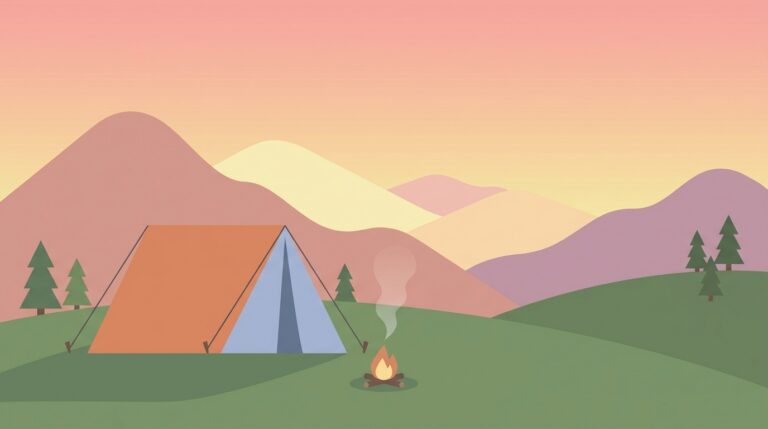
Picture this: You have finally arrived at a breathtaking riverside campsite in Gapyeong after a scenic train ride from Seoul. The air smells of pine needles, the sun is beginning to dip behind lush green mountains, and you can already smell delicious pork belly sizzling from a neighboring site. Your Korean friends unpack a massive bag, unrolling canvas, ropes, and metal rods across the grass. Suddenly, someone shouts toward you: “여기 좀 잡아주실래요?” (Yeogi jom jab-a-jusillaeyo?)
You freeze. You want to help, but your mind races. Which part is “here”? What is the word for tent pole? How do you say, “I’m holding it!” without sounding like an awkward robot?
Don’t worry—almost every beginner learner experiences this exact panic when stepping outside textbook dialogues and onto uneven campground grass. Camping in Korea is deeply communal; pitching a tent is a collaborative team sport where teamwork makes the dream work. Based on real feedback from dozens of our international students who wanted to join outdoor weekends with local friends, we designed this practical, bite-sized guide. Master these simple expressions, and you won’t just pitch a tent—you will earn instant respect as the best camping companion around!
Phase 2: Top 3 Core Expressions Deep-Dive
1. 여기 좀 잡아주실래요? (Yeogi jom jab-a-jusillaeyo?)
- Pronunciation: [Yeo-gi jom ja-ba-ju-sil-lae-yo] (Sound tip: “Yuh-gee” like yogurt + “chum” without the ‘ch’ + “jah-bah-joo-sheel-lay-yo”)
- Meaning: Literal: “Can you grab here a little?” / Nuance: “Could you hold this side for a second?”
- K-Culture Moment: Seen constantly in Korean outdoor variety shows like Camping Club or Wheel on Wheels when two people try to keep a tall tent upright against the mountain breeze.
- Editor’s Insight: The tiny word 좀 (jom) translates to “a little,” but functionally acts as an emotional cushion. Without it, the sentence sounds demanding; with it, you sound polite, considerate, and gentle.
- Situation Spectrum: Casual: ⚠️ (Say “여기 좀 잡아줄래?” instead) | Semi-formal: ✅ (Perfect for peers and older campers) | Formal: ⚠️ (“여기 좀 잡아주시겠습니까?” is overly stiff on grass!)
- 🤔 Think About It: In English, we might quickly bark, “Grab this end!” without offense. Why does Korean communication rely so heavily on softening words like “좀” even during quick physical work?
2. 팩 어디에 박아요? (Paek eodie bag-ayo?)
- Pronunciation: [Paek eo-di-e ba-ga-yo] (Sound tip: Like the English word “Pack” + “uh-dee-eh” + “bah-gah-yo”)
- Meaning: Literal: “Where do we strike the peg?” / Nuance: “Where should we hammer down the stake?”
- K-Culture Moment: Every tent setup reaches the stage where someone holds a mallet and looks around the perimeter for solid ground.
- Editor’s Insight: Koreans borrowed the English camping term “peg” as 팩 (paek). The verb 박다 (bakda) means to drive in, strike, or hammer something into the ground.
- Situation Spectrum: Casual: ⚠️ (“팩 어디에 박아?”) | Semi-formal: ✅ (Natural and friendly) | Formal: ⚠️ (“팩을 어디에 박습니까?” sounds like a military manual!)
- 🤔 Think About It: Notice how Korean uses loanwords for equipment (팩, 폴대) but native Korean verbs for actions (박다, 치다). How does your native language adapt modern outdoor terminology?
3. 다 친 것 같아요! (Da chin geot gat-ayo!)
- Pronunciation: [Da chin geot ga-ta-yo] (Sound tip: “Dah” + “chin” like your face + “guht” + “gah-tah-yo”)
- Meaning: Literal: “It seems like we pitched it all.” / Nuance: “I think we’re all done setting it up!”
- K-Culture Moment: The triumphant moment before everyone collapses into camp chairs to crack open a cold drink and turn on fairy lights.
- Editor’s Insight: Using ~것 같아요 (~geot gat-ayo) means “it seems like.” Even when the tent is 100% standing, Koreans avoid blunt declarations like “It is finished!” to remain modest and invite their partner’s confirmation.
- Situation Spectrum: Casual: ⚠️ (“다 친 것 같아!”) | Semi-formal: ✅ (Warm and collaborative) | Formal: ✅ (“다 친 것 같습니다.”)
- 🤔 Think About It: Why do Koreans prefer saying “It seems to be finished” rather than simply “It is finished”?
Phase 3: Textbook Korean vs. Real Korean
Situation 1: Suggesting to start setting up the tent
- 📖 교과서 한국어 (Textbook): 텐트를 설치합시다. (Tenteureul seolchihapsida. / Let us install the tent.)
- 🗣️ 진짜 한국어 (Real-life): 텐트 먼저 칠까요? (Tenteu meonjeo chilkkayo? / Shall we pitch the tent first?)
- 💡 왜 다를까? (Why is it different?): The verb 설치하다 (seolchihada) sounds like you are assembling heavy factory equipment. In real life, native speakers use the active, dynamic verb 치다 (chida – to pitch/strike) for tents.
Situation 2: Offering help while someone struggles with a pole
- 📖 교과서 한국어 (Textbook): 제가 그것을 도울 수 있습니까? (Jega geugeoseul doul su isseumnikka? / Can I help that?)
- 🗣️ 진짜 한국어 (Real-life): 제가 이쪽 잡을게요! (Jega ijjok jabeulgeyo! / I’ll hold this side!)
- 💡 왜 다를까? (Why is it different?): Instead of asking vague, formal permission to assist, Korean friends appreciate quick, proactive statements of specific action using ~(으)ㄹ게요 (I will do…).
Phase 4: K-Culture Deep-Dive & Non-Verbal Manners
4-1. 눈치 (Nunchi) & Camping Body Language
At a Korean campsite, standing idly with your hands in your pockets while others unpack is a major social misstep. You don’t need to be an expert handyman; you just need sharp 눈치 (nunchi – situational awareness):
* The Two-Hand Grip: When someone asks you to hold a pole, hold it firmly with both hands while slightly bending your knees to absorb tension. Looking attentive is half the battle.
* Immediate Confirmation: Always acknowledge instructions verbally. Say “네, 잡았어요!” (Ne, jabaseoyo! / “Yes, I got it!”) loud enough to be heard over wind and rustling fabric.
4-2. The Culture of ‘Bulmeong’ and Quick Setup
Koreans love 불멍 (bulmeong)—zoning out while staring into a campfire. But before the campfire comes out, setting up shelter is treated as an organized mission. Korean campgrounds usually have tight check-in schedules, and pitching the tent quickly means reaching the ultimate goal faster: boiling instant ramyeon and grilling pork belly (삼겹살) under the stars!
Phase 5: Real-Life Roleplay Scenario
- Setting: Nanji Campsite by the Han River on a breezy Saturday afternoon.
- Characters:
- Minho (민호): A helpful, camping-obsessed Korean university senior.
- You (A2 Korean Learner): Ready to build your first dome tent.
Dialogue:
1. Minho: 날씨 진짜 좋다! 우리 텐트 먼저 칠까요?
(Nalssi jinjja jota! Uri tenteu meonjeo chilkkayo?)
“The weather is amazing! Shall we pitch the tent first?”
🎭 (Unzipping the tent carry bag with a huge grin)
- You: 네, 좋아요! 제가 뭐 할까요?
(Ne, joayo! Jega mwo halkkayo?)
“Yes, sounds great! What should I do?”
🎭 (Stepping forward energetically with sleeves rolled up) -
Minho: 이 폴대 두 개만 길게 연결해 주세요.
(I poldae du gaeman gilge yeongyeolhae juseyo.)
“Could you just connect these two poles into long rods?”
🎭 (Handing you the segmented aluminum poles) -
You: 알겠어요. 폴대 다 끼웠어요!
(Algesseoyo. Poldae da kkiwosseoyo!)
“Got it. I’ve slotted all the poles together!”
🎭 (Handing the long assembled pole back securely) -
Minho: 와, 빠르시네요! 이제 가운데로 넣을게요. 반대쪽 잡으세요!
(Wa, ppareusineyo! Ije gaundero neoheulgeyo. Bandaejjok jabeuseyo!)
“Wow, you’re fast! Now I’ll slide it through the center. Grab the opposite side!”
🎭 (Pushing the pole through the canvas sleeve) -
You: 네! 제가 이쪽 꽉 잡고 있어요!
(Ne! Jega ijjok kkwak japgo isseoyo!)
“Yes! I’m holding this side tight!”
🎭 (Holding the end firmly with both hands so it doesn't snap back) -
Minho: 좋아요. 이제 네 모퉁이에 팩 박으면 돼요. 망치 드릴까요?
(Joayo. Ije ne motung-ie paek bageumyeon dwaeyo. Mangchi deurilkkayo?)
“Great. Now we just hammer the pegs into four corners. Shall I give you the hammer?”
🎭 (Wiping light sweat from forehead and smiling) -
You: 네! 팩 어디에 박아요?
(Ne! Paek eodie bag-ayo?)
“Yes! Where should I hammer the pegs?”
🎭 (Taking the camp mallet ready for the final step)
🔀 Interactive Choice Point
Minho is struggling to lift the rainfly canvas because a sudden gust of wind caught it. What do you do?
- Option A: Stand and shout, “힘내세요!” (Himnaeseyo! / Cheer up!)
- Option B: Step forward, grab the flying edge, and say, “제가 이쪽 잡을게요!” (Jega ijjok jabeulgeyo! / I’ll hold this side!)
- Option C: Sit down in a camping chair and start taking selfies for Instagram.
Feedback:
* Option A (Risk): While polite in intent, cheering while poles are bending from the wind can make you look indifferent.
* Option B (Best!): Perfect score! You displayed instant nunchi, took physical action, and used natural A2 spoken Korean.
* Option C (Bad): You might not be invited on the next camping trip! Camping in Korea is all about shared effort.
Phase 6: 10-Second Emotion Shadowing Drill
Read these aloud while mimicking the emotional tone and pausing at the / marks!
[😊 친절하고 싹싹하게 / Friendly and polite]
여기 좀 / 잡아주실래요?
(Yeogi jom / jab-a-jusillaeyo?)
Rise slightly at “좀” and drop softly at “-요?”-
[💪 자신감 넘치고 든든하게 / Energetic and proactive]
걱정 마세요! / 제가 이쪽 / 잡을게요!
(Geokjeong maseyo! / Jega ijjok / jabeulgeyo!)
Stress “이쪽” (this side) clearly to show reliability. -
[🎉 뿌듯하고 신나게 / Proud and excited]
와! / 텐트 / 다 친 것 같아요!
(Wa! / Tenteu / da chin geot gat-ayo!)
Exclaim “와!” with energy and smile as you finish the sentence.
Phase 7: K-Culture Mini Dictionary
- 폴대 (Poldae) | Tent Pole
A combination of the English word “pole” and the Korean suffix “-대” (stem/rod). Essential when organizing gear. - 팩 (Paek) | Tent Peg / Stake
The metal stakes hammered into dirt. Remember: 팩을 박다 means to drive pegs into the ground. - 타프 (Tapeu) | Tarp / Sunshade Canopy
Widely used in Korean campsites for sun and rain protection over dining tables. - 망치 (Mangchi) | Camp Mallet / Hammer
Always kept near the peg pouch; borrow one by asking: “망치 좀 빌릴 수 있을까요?” (Could I borrow the mallet?).
Phase 8: Traveler’s Survival Kit
Top 3 Survival Phrases for Campgrounds
- 망치 빌려주실 수 있어요? (Mangchi billyeojusil su isseoyo?)
Pro Tip: Campsites are tight communities. If you forgot your mallet, neighboring campers are almost always happy to share. - 쓰레기 봉투 어디서 사요? (Sseuregi bongtu eodiseo sayo? / Where do I buy trash bags?)
Pro Tip: Korean campsites require designated municipal trash and recycling bags. Buy them at the campground store (매점). - 불 피워도 돼요? (Bul piwodo dwaeyo? / Can we light a campfire here?)
Pro Tip: Some national parks and windy riverbanks ban open flames during dry season. Always check before lighting wood!
Editor’s Travel Note
- Campsite Reservations: Booking popular campsites (like Nanji or Gapyeong) is competitive. Download and search using the Naver Map application rather than international travel portals, as domestic municipal sites are listed in real-time under “야영장” (yayoungjang) or “캠핑장”.
- Manner Time (매너 타임): Most Korean campsites strictly enforce quiet hours from 10:00 PM to 7:00 AM. Lower your voice and turn off outdoor speakers promptly!
Phase 9: Step Deeper (Reflection Question)
In traditional Korean culture, there is a concept called 품앗이 (Poomasi)—the collective exchange of communal labor where neighbors help each other plant rice, build roofs, and prepare kimchi for winter. Modern Korean camping retains this warm DNA. Nobody pitches a shelter alone while others watch; everyone pitches in, and everyone shares the hot pot of ramyeon when the work is done. It is a reminder that in Korean society, bonding is forged through shared effort.
💬 Your Turn: In your home country, do outdoor activities emphasize total self-reliance, or is it normal to help your neighbors set up camp? Share your thoughts below!
Phase 10: FAQ & Common Mistakes
Q: What is the difference between “텐트를 만들다” and “텐트를 치다”?
A: In English, you might say “make camp” or “build a tent,” but in Korean, you never use 만들다 (mandeulda – to manufacture/craft). Tents are always paired with the verb 치다 (chida – to pitch/set up).
Q: Can I use “잡아줘” when talking to a camp manager or staff?
A: No! 잡아줘 (jaba-jwo) is casual language (반말) reserved only for close friends of the same age or younger. With campsite staff or older campers, always say: “잡아주시겠어요?” or “도와주시겠어요?”.
Q: How do I ask if someone needs help holding a pole?
A: Keep it short and natural: “제가 잡아드릴까요?” (Jega jabadeurilkkayo? / Shall I hold it for you?). It sounds polite, helpful, and natural.
🚨 Common Mistakes Alert
- Using English verbs directly: Saying “Peg hammer 해주세요” will cause blank stares. Remember: “팩 박아주세요” (Paek bag-a-juseyo).
- Over-using ultra-formal endings: Using -습니다 on a casual camping trip makes the atmosphere feel like military field training. Stick to the friendly -아요 / -어요 ending.
- Saying “텐트를 세우다”: While grammatically “to stand up a tent” is understandable, it sounds awkward. Stick to 텐트를 치다.
Phase 11: Action Missions & Community Challenge
- 🥉 Bronze Mission (Solo Practice): Practice the shadowing drill in Phase 6 three times aloud until your tongue doesn’t stumble on 잡아주실래요?.
- 🥈 Silver Mission (Social Challenge): Take a photo of your room or backyard, post it to your study Instagram/Notes with the caption: “텐트 치기 연습 중!” (Practicing tent pitching!).
- 🥇 Gold Mission (Real-Life Challenge): The next time you are outdoors with Korean speakers or at a picnic, offer help using: “제가 이쪽 잡을게요!”.
- 🎮 K-Culture Mission: Watch an episode of a Korean variety show featuring camping (such as Camping Club or Hospital Playlist Camping Special) and spot how many times they say “잡아” or “팩”!
Phase 12: Interactive Quiz Challenge
1. [Situational Choice]
Your tent pole is bending in the wind and you need your friend Minho to hold it right now. What should you say?
* A) 텐트를 설치하십시오.
* B) 여기 좀 잡아주실래요?
* C) 불 피워도 돼요?
2. [Fill in the Blank]
Complete the sentence meaning: “Where do we hammer the stakes?”
“( ____ ) 어디에 박아요?”
3. [True or False]
Saying “다 친 것 같아요!” is rude because it shows you are not 100% sure the tent is pitched properly. (True / False)
👉 Click to reveal answers & explanations!
-
Answer: B) 여기 좀 잡아주실래요?
Explanation: This is the most natural, polite way to ask a camping partner to hold something in place. -
Answer: 팩 (Paek)
Explanation: 팩 is the common Korean word for a tent peg/stake. -
Answer: False
Explanation: In Korean culture, using “~것 같아요” (it seems like) is considered modest and polite, softening the statement and allowing others to confirm!







