

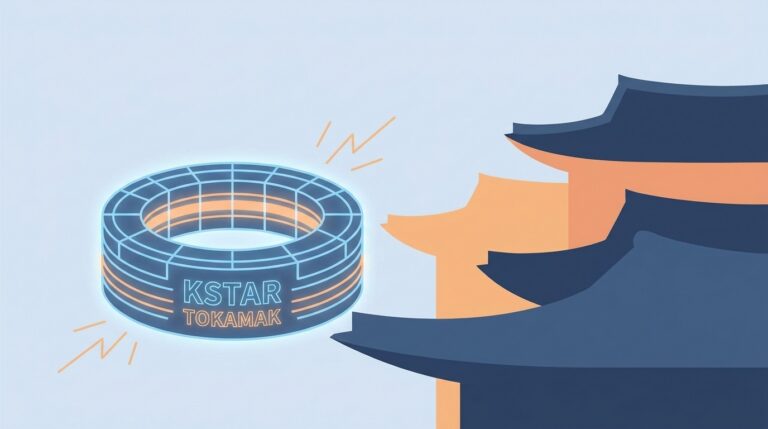
Mastering Elite Korean: Inside the High-Stakes Debate on Nuclear Fusion and Energy Policy
Phase 1: 공감 (Immersive Story Opening)
안녕하세요! 매일한글 에디터입니다. (Hello! It’s your Daily Hangul editor here.)
Picture this: You are watching a high-stakes K-drama scene reminiscent of The Silent Sea or tuning into a live broadcast from the National Assembly audit in Yeouido. Top energy policymakers and renowned researchers from Daejeon’s Daedeok Science Town are fiercely debating the future of Korea’s national power grid. The screen flashes with terms like “인공태양” (artificial sun) and “초전도 핵융합 연구장치” (superconducting tokamak research device). You have studied Korean for years and aced standard TOPIK papers, yet the moment discussions pivot to high-stakes strategic choices—where scientific breakthroughs meet technonational survival—you hit an invisible linguistic wall.
At a C2 level, communicating about energy policy is no longer about stringing basic grammatical particles together; it is about grasping the rhetorical gravity of technological self-reliance in a peninsula with zero fossil fuel reserves. Countless advanced learners tell me: “I know all the standard science vocabulary, but I can’t capture the subtle political conviction native speakers project when debating future tech.” This guide is built directly on executive coaching sessions and technical seminars. Master these nuanced expressions, and you will not only dissect policy white papers with ease, but also command absolute respect in academic and diplomatic forums.
Phase 2: 핵심 표현 3선 심층 분석 (Top 3 Core Expressions)
1. 사활을 걸다 (Sahwareul geolda)
- Pronunciation: [Sa-hwa-reul geol-da] (Think of ‘sa-hwa’ echoing the quick, sharp snap of ‘saw-hwa’, followed by ‘geol-da’ like ‘girl’ with a rounded Korean /d/)
- Meaning: Literally “to bet one’s life and death,” practically used as “to stake everything on an outcome” or “to go all-in with existential determination.”
- K-Culture Moment: Heard in geopolitical thrillers or boardroom confrontations when a national venture simply cannot afford failure.
- Editor’s Insight: In Western corporate jargon, one might casually say “we’re prioritizing this initiative.” In Korea’s energy narrative, because the country imports 93% of its energy, developing fusion (KSTAR) is not a casual corporate priority—it is viewed as existential survival. Thus, policymakers naturally gravitate toward “사활을 걸다” rather than mild synonyms.
- Situation Spectrum: Casual (🚫) | Semi-formal (⚠️) | Formal/Policy Debate (✅)
- 🤔 Think About It: Does your native tongue frame long-term state science programs with life-or-death metaphors, or as analytical financial investments? What does this reveal about Korea’s post-war developmental mentality?
2. 분수령을 맞이하다 (Bunsuryeongeul majihada)
- Pronunciation: [Bun-su-ryeong-eul ma-ji-ha-da] (Flows like ‘boon-soo-ryung-eul mah-jee-hah-dah’)
- Meaning: Literally “to arrive at the drainage divide (watershed),” functionally “to reach a historic watershed moment / turning point.”
- K-Culture Moment: Frequently headlined on nightly news specials when KSTAR maintains 100-million-degree plasma for new world-record durations.
- Editor’s Insight: “분수령” (watershed) separates two river basins. Crossing it means entering an irreversible new epoch. When fusion energy shifts from theoretical plasma physics to commercial engineering feasibility, it is always described as a “분수령.”
- Situation Spectrum: Casual (🚫) | Semi-formal (✅) | Formal/Academic (✅)
- 🤔 Think About It: How does utilizing geographical markers (like mountain ridges and watersheds) in intellectual Korean speech convey solemn historic scale compared to everyday words like “전환점” (turning point)?
3. 패러다임의 일대 전환 (Paereodaim-ui ildae jeonhwan)
- Pronunciation: [Pae-reo-da-im-ui il-dae jeon-hwan] (Rhythmic cadence: ‘peh-ruh-dah-im-ee eel-deh jun-hwan’)
- Meaning: Literally “a grand single-round transition of paradigm,” used to mean “a monumental, paradigm-shifting transformation.”
- K-Culture Moment: Used by visionary tech ministers delivering keynote addresses at the World Energy Congress or Blue House economic briefings.
- Editor’s Insight: While loanwords like “패러다임” (paradigm) are common, anchoring them with Sino-Korean power words like “일대” (monumental/sweeping) and “전환” (conversion) immediately elevates your discourse from university sophomore to distinguished delegate.
- Situation Spectrum: Casual (🚫) | Semi-formal (⚠️) | Formal/Keynote (✅)
- 🤔 Think About It: Why does elite Korean academic discourse embrace the fusion of Western philosophical loanwords with classical Hanja compounds?
Phase 3: 교과서 한국어 vs 진짜 한국어 (Textbook vs. Real Korean)
Situation A: Expressing that fusion energy will replace fossil fuels
- 📖 교과서 한국어:
핵융합 발전은 미래 에너지를 공급할 수 있습니다. (Haegyunghap baljeoneun mirae eneojireul gonggeuphal su itsseumnida. / “Nuclear fusion power generation can supply future energy.”) - 🗣️ 진짜 한국어:
인공태양이 상용화 단계에 진입하는 순간, 기존 에너지 판도는 송두리째 뒤바뀝니다. (Ingong-taeyangi sang-yonghwa dang-gyee jiniphaneun sungan, gijon eneoji pandoneun songdurijjae dwibakkwimnida. / “The moment the artificial sun enters the commercialization stage, the existing energy landscape will be upended from its roots.”) - 💡 왜 다를까?: Elite discussions rarely use sterile verbs like “공급하다” (supply). Instead, speakers utilize idioms like “판도가 뒤바뀌다” (the game board flips) and expressive adverbs like “송두리째” (entirely by the roots) to project visionary authority.
Situation B: Emphasizing the urgency of securing strategic technology
- 📖 교과서 한국어:
우리는 기술 개발에 많은 노력을 기울여야 합니다. (Urineun gisul gaebare maneun noryeogeul giuryeoya hamnida. / “We must devote much effort to technology development.”) - 🗣️ 진짜 한국어:
국가적 명운을 걸고 글로벌 초격차 기술을 선점해야 할 시점입니다. (Gukgajeok myeong-uneul geolgo geullobeol chogyeokcha gisureul seonjeomhaeya hal sijeomimnida. / “This is the precise juncture where we must stake our national destiny to preemptively secure a global super-gap technology.”) - 💡 왜 다를까?: In Korean technocratic diplomacy, national survival is intertwined with technological advantage. Phrases like “명운을 걸다” (stake destiny) and “초격차” (insurmountable tech lead, a term popularized by Samsung and state ministries) dominate high-level energy policy roundtables.
Phase 4: K-Culture 딥다이브 & 비언어적 매너 (Deep Dive & Non-Verbal Nuance)
4-1. Nunchi & Demeanor in High-Stakes Policy Forums
When participating in policy roundtables or high-tech symposia in Korea:
* The Authoritative Nod (절제된 고개 끄덕임): Do not nod excessively like an excited subordinate. A slow, single nod combined with downward eye contact at the speaker’s policy brief demonstrates deep processing of their empirical data.
* Postural Gravity: Keep both forearms gently rested on the conference table, hands unclenched or lightly clasped. Fidgeting with a stylus or clicking pens is considered disruptive to the collective focus (분위기를 흐림).
4-2. Technonationalism and the “Miracle on the Han River” Legacy
In Korea, the quest for the “artificial sun” (KSTAR in Daejeon) is not seen merely as a climate-change solution; it is the ultimate culmination of the nation’s post-war trajectory. Lacking domestic oil or gas, South Korea climbed into the ranks of industrialized nations purely through manufacturing and nuclear mastery. Thus, achieving self-sustaining fusion is mythologized in local media as achieving complete energy sovereignty (에너지 자립). When you discuss fusion in Korea, touching on this historical sentiment signals profound cultural literacy.
Phase 5: 실전 롤플레이 시나리오 (High-Level Policy Scenario)
Setting: A strategic policy review at the Korea Institute of Fusion Energy (KFE) in Daedeok Innopolis.
Characters:
* Dr. Min-jun Park (박민준 박사): Senior Principal Researcher at KSTAR, passionate but rigorously pragmatic.
* You (에너지 정책 자문관): Visiting international energy strategy advisor.
- Dr. Park:
우리 KSTAR 연구진이 1억 도 초고온 플라즈마 30초 유지에 성공한 이후, 글로벌 컨소시엄의 기대치가 극에 달했습니다. (Uri KSTAR yeongujini ireok do chogo-on peullajeuma samsipcho yujie seong-gonghan ihu, geullobeol keonsosieomui gidae-chiga geuge darhaetsseumnida.)
🎭 Adjusts his glasses, projecting data charts onto the central boardroom display.
“Ever since our KSTAR team succeeded in maintaining 100-million-degree ultra-high temperature plasma for 30 seconds, the global consortium’s expectations have reached a fever pitch.” -
You:
그야말로 상용화 로드맵의 중대한 분수령을 넘어선 셈이군요. (Geuyamallo sang-yonghwa rodeumaebui jungdaehan bunsuryeongeul neomeoseon sem-igunyo.)
🎭 Maintaining composed posture, looking intently at the telemetry graph.
“That truly marks having crossed a monumental watershed in the commercialization roadmap.” -
Dr. Park:
그렇습니다. 하지만 단순한 기초 연구를 넘어 실증로(DEMO) 단계로 도약하려면 막대한 예산 투입이 불가피합니다. (Geureotsseumnida. Hajiman dansunhan gicho yeongureul neomeo siljeungno dang-gyero doyakharyeomyeon makdaehan yesan tu-ibi bulgahpihamnida.)
🎭 Sighs quietly, leaning slightly forward to convey bureaucratic tension.
“Indeed. However, leaping beyond fundamental research into the demonstration reactor (DEMO) phase inevitably requires astronomical budget allocation.” -
You:
재정 당국을 설득하기 위해선 탄소중립 실현과 국가 에너지 안보 관점을 전면에 내세워야 하지 않겠습니까? (Jaejeong danggugeul seoldeukhagi wieseon tansojungnip silhyeon-gwa gukga eneoji anbo gwanjeomeul jeonmyeone naesewoya haji anketsseumnikka?)
🎭 Nods slowly, gesturing calmly with an open palm toward the policy dossier.
“To persuade the fiscal authorities, shouldn’t we place the realization of carbon neutrality and national energy security front and center?” -
Dr. Park:
전적으로 동감합니다. 에너지 안보야말로 여야를 막론하고 국가적 사활을 걸어야 할 아젠다니까요. (Jeonjeogeuro donggamhamnida. Eneoji anboyamallo yeoyareul mangnonhago gukgajeok sahwareul georeo-ya hal ajendanikkayo.)
🎭 Firmly taps his pen on the summary sheet, validating the political framing.
“I wholeheartedly agree. Energy security is an agenda upon which our national destiny must be staked, transcending party lines.” -
You:
민간 생태계와의 협업을 통해 기술 주도권을 확고히 다지는 것도 급선무입니다. (Mingan saengtae-gyewaui hyeobeobeul tonghae gisul judogwoneul hwakgohi dajineun geotdo geupseonmu-imnida.)
🎭 Maintaining steady eye contact, emphasizing industrial synergy.
“Solidifying technological sovereignty through collaboration with the private ecosystem is also an urgent priority.” -
Dr. Park:
맞습니다. 차세대 핵융합 밸류체인을 선점하지 못하면, 향후 에너지 종속국으로 전락할 위험이 큽니다. (Masseumnida. Chasedae haegyunghap baellyucheineul seonjeomhaji mothamyeon, hyanghu eneoji jongsong-gugeuro jeollak-hal wiheomi keumnida.)
🎭 Looks resolute, highlighting the structural perils of lagging behind.
“Exactly. If we fail to secure the next-generation fusion value chain, the risk of descending into an energy-dependent state is significant.” -
You:
바로 그렇기에 이번 KSTAR 실증 프로젝트가 미래 청정에너지 패러다임의 일대 전환점이 될 것이라 확신합니다. (Baro geureoki-e ibeon KSTAR siljeung peurojekteuga mirae cheongjeong-eneoji paereodaim-ui ildae jeonhwanjeomi doel geosira hwaksinhamnida.)
🎭 Smiles subtly with confident finality.
“Precisely why I am convinced this KSTAR demonstration project will serve as the watershed paradigm shift for future clean energy.”
🔀 Interactive Choice Point
Dr. Park asks: “자문관님, 현 시점에서 국회 예산 심의를 돌파하기 위해 가장 강력한 한 수는 무엇이라고 보십니까?” (Advisor, at this juncture, what do you view as our most potent card to break through the National Assembly budget review?)
- Option A: “초격차 원천기술 확보가 곧 국가 안보이자 미래 먹거리라는 점을 데이터로 입증해야 합니다.” (We must prove with empirical data that securing super-gap core technology is both national security and our future economic engine.)
- Option B: “원자력 발전보다 안전하니 감성적으로 대중을 설득하는 캠페인을 먼저 벌이죠.” (Since it is safer than fission, let’s launch an emotional public relations campaign first.)
- Option C: “예산이 부족하면 그냥 해외 글로벌 기업에 원천기술 라이선스를 넘겨서 자금을 확보합시다.” (If budget is lacking, let’s just sell the core technology licenses to overseas corporations to raise funds.)
Feedback:
* Option A (Best): Flawless. Invoking “초격차 원천기술” (super-gap foundational tech) and “미래 먹거리” (future national economic lifelines) taps directly into South Korea’s economic development narrative.
* Option B (Risk): While public support matters, approaching hard science policy purely with emotional rhetoric (감성적 설득) in high-level committees weakens your credibility as a technocratic strategist.
* Option C (Bad): Disastrous. Suggesting the surrender of hard-won sovereign technology to overseas entities violates the fundamental ethos of Korean technological sovereignty and borders on an institutional insult.
Phase 6: 10초 감정 섀도잉 드릴 (Emotional Shadowing Drill)
Practice reading these sentences aloud, matching the marked pauses (/) and emotional tone cues.
[🔥 단호하고 비장하게 - Resolute and Determined]
에너지 안보 문제는 / 결코 타협할 수 없는 / 국가적 사활이 걸린 과제입니다.
(Eneoji anbo munjeneun / gyeolko tahyeophal su eomneun / gukgajeok sahwari geollin gwaje-imnida.)
“Energy security / is an uncompromising task / upon which our national destiny is staked.”-
[🤔 신중하고 지적이게 - Analytical and Prudent]
기초 플라즈마 물리를 넘어 / 실증로 상용화 단계로 진입하는 것은 / 완전히 다른 차원의 난제입니다.
(Gicho peullajeuma mullireul neomeo / siljeungno sang-yonghwa dang-gyero jiniphaneun geoseun / wanjeonhi dareun chawon-ui nanje-imnida.)
“Moving beyond basic plasma physics / to enter the commercial demonstration stage / is a challenge on an entirely different plane.” -
[✨ 미래지향적이고 확신에 차서 - Visionary and Confident]
인공태양의 성공은 / 인류 청정에너지 역사에 / 전무후무한 패러다임의 전환을 몰고 올 것입니다.
(Ingong-taeyang-ui seong-gongeun / innyu cheongjeong-eneoji yeoksa-e / jeonmuhumaohan paereodaim-ui jeonhwaneul molgo ol geosimnida.)
“The triumph of the artificial sun / will bring about an unprecedented paradigm shift / in humanity’s clean energy history.”
Phase 7: K-Culture 미니 사전 (Core Policy Keywords)
-
인공태양 (Ingong-taeyang)
Translation: Artificial Sun.
Usage: Colloquial and media moniker for magnetic confinement fusion devices (tokamaks like KSTAR). While physicists say “핵융합 연구장치,” politicians and mass media universally use “인공태양” to evoke boundless, clean power. -
초격차 (Chogyeokcha)
Translation: Super-gap (unassailable technological lead).
Usage: Coined in Korean industry, this term means building a lead so technologically overwhelming that second-place competitors cannot bridge the chasm. Used constantly in fusion, semiconductor, and secondary-battery policy. -
탄소중립 (Tanso-jungnip)
Translation: Carbon Neutrality / Net Zero.
Usage: The foundational justification in every state energy paper. It transforms the expensive pursuit of nuclear fusion from a “luxury experiment” into a legally binding international climate obligation. -
기술 패권 (Gisul paegwon)
Translation: Technological Hegemony / Sovereignty.
Usage: The geopolitical framing that tech leadership equates to national defense. When fusion is discussed as a tool for 기술 패권 경쟁 (techno-hegemonic rivalry), funding approvals drastically accelerate.
Phase 8: 여행자를 위한 생존 키트 (Traveler’s Survival Kit)
Survival Expressions for Tech Conferences & Tours in Daejeon
- 견학 신청 가능한가요? (Gyeonhak sincheong ganeunghangayo?)
Pro Tip: KSTAR at the Korea Institute of Fusion Energy runs select public tours. Use this to ask: “Is it possible to register for an institutional field tour?” - 동시통역 리시버가 구비되어 있습니까? (Dongsitong-yeok risibeoga gubidoe-eo itsseumnikka?)
Pro Tip: In bilateral research symposiums, asking “Are simultaneous interpretation receivers provided?” saves you if speakers switch abruptly between technical terminology. - 발표 자료집을 따로 받아볼 수 있을까요? (Balpyo jaryojibeul ttaro badabol su isseulkkayo?)
Pro Tip: Perfect polite request after an intense seminar: “Would it be possible to obtain a copy of the presentation compilation booklet separately?”
Editor’s Travel Note: Visiting Daejeon’s Daedeok Science Town
If you are attending policy forums or visiting fusion labs in Daejeon, do not rely on standard subway transit; the research campuses are sprawling. Download the 코레일톡 앱 다운로드 (KorailTalk app) to take the KTX from Seoul Station to Daejeon Station (just 50 minutes). From Daejeon Station, use 카카오 T 앱 다운로드 (Kakao T) to hail taxis directly to “한국핵융합에너지연구원” (Korea Institute of Fusion Energy). Pro tip: Science researchers in Daedeok love chatting over local bakery treats from the legendary Sung Sim Dang (성심당)—bring a box of Fried Soboro (튀김소보로) to informal meetings, and negotiations will instantly warm up!
Phase 9: “한 발 더 깊이” (Philosophical Essay)
Language reflects a civilization’s survival reflexes. In countries blessed with infinite oil reserves, energy policy is often debated in terms of commercial extraction rates and fiscal windfalls. In Korea, however, every energy conversation carries an unspoken collective anxiety rooted in resource vulnerability. When Korean scientists refer to KSTAR as an “인공태양,” they are invoking more than physics; they are invoking the collective drive that turned a war-ravaged landscape into a global high-tech titan. To speak this language with authentic authority at the C2 level, you must understand that behind the cool technocratic jargon lies a nation’s burning instinct to secure self-reliance for generations unborn.
💬 Your Turn: How does your home country conceptualize energy policy? Is it primarily treated as an environmental debate, a private business frontier, or a matter of sovereign national survival? Share your perspective in the comments below!
Phase 10: FAQ & 오해 방지 (FAQ & Common Mistakes)
Q: Isn’t nuclear fusion often confused with nuclear fission in Korean discussions?
A: Yes, non-experts frequently conflate “원자력 발전” (nuclear fission power generation) with “핵융합 발전” (nuclear fusion power generation). To maintain intellectual rigor, always specify 핵융합 (nuclear fusion) or use the public-friendly term 인공태양 (artificial sun). Avoid using the generic word “원전” (nuclear plant) when discussing fusion, as 원전 specifically denotes fission reactors.
Q: Can I use “사활을 걸다” in casual corporate water-cooler chats?
A: Be careful! Saying “이번 분기 보고서 작성에 사활을 걸었어” (I’ve staked my life on writing this quarter’s report) sounds overly dramatic and comedic among colleagues. Reserve this idiom for high-level strategic risks, crisis management meetings, or transformative technological ventures.
Q: What is the exact difference between “상용화” and “실증화” in technical Korean?
A: “실증화” (demonstration/validation) refers to building pilot-scale operational prototypes (like the DEMO reactor) to scientifically prove viability. “상용화” (commercialization) means bringing the technology to market profitability on the national electric grid. Confusing these two in an energy policy memo will immediately give away non-expert status.
🚨 Common Mistakes Warning Board
- Mistake: Saying “핵융합은 전기를 만든다” (Nuclear fusion makes electricity) in academic settings.
Correct Action: Use “핵융합 반응을 통해 기저부하 전력을 실증하다” (Demonstrate baseload power through fusion reactions). - Mistake: Overusing the word “문제” (problem) for scientific hurdles.
Correct Action: Use “기술적 난제” (technological conundrum) or “병목 현상” (bottleneck). - Mistake: Translating “game changer” literally as “게임 체인저” in formal government white papers.
Correct Action: Use “판도를 뒤바꿀 혁신 기술” (an innovative technology that upends the board) or “일대 전환점”.
Phase 11: 액션 미션 & 참여 유도 (Action Missions)
- Bronze Mission (Solo Vocal Drill): Practice shadowing the three emotional drills in Phase 6 three times. Record your voice and check whether your pauses align with the natural rhythmic phrasing.
- Silver Mission (Social Engagement): Summarize Korea’s fusion progress in one sentence on LinkedIn or your language journal using the phrase “분수령을 맞이하다” and tag
#DailyHangul #KSTAR. - Gold Mission (Real-world Synthesis): Write a 4-sentence Korean paragraph advising a fictional government committee on whether to prioritize fusion research budgets over current renewable expansions, incorporating 초격차, 사활을 걸다, and 패러다임의 전환.
🎮 K-Culture Mission: Look up a 2-minute news clip of Korean television reporting on KSTAR’s plasma world record (search query: “KSTAR 1억 도 플라즈마 달성”). Listen for how many times the news anchor uses the words “인공태양” and “상용화”!
Phase 12: 인터랙티브 퀴즈 챌린지 (Interactive Quiz)
Q1. Situational Judgment:
You are drafting a policy speech for an international clean energy summit in Seoul. Which opening sentence demonstrates the most authentic, polished C2 rhetorical power?
1. 핵융합은 아주 신기하고 깨끗한 미래의 에너지 기술입니다.
2. 인공태양 상용화는 기후 위기 극복과 청정에너지 패러다임의 일대 전환을 견인할 분수령입니다.
3. 우리는 돈을 많이 써서 외국의 핵융합 기술을 사와야 합니다.
Q2. Fill in the Blank:
대한민국이 에너지 종속국에서 벗어나려면 차세대 핵융합 기술의 글로벌 [ ]를 반드시 확보해야 한다.
(Hint: The unassailable lead term popularized in Korean high-tech industry)
Q3. True or False:
In elite Korean bureaucratic discourse, “인공태양” (artificial sun) is considered unscientific slang that should never be uttered during formal National Assembly reviews.
👉 정답 및 해설 (Click for Answers and Explanations)
A1: 2번 (Sentence 2 combines 인공태양 상용화, 기후 위기 극복, 패러다임의 일대 전환, and 분수령 with sophisticated clausal connectors. Option 1 is too elementary (A2 level), and Option 3 is strategically absurd.)
A2: 초격차 (Chogyeokcha) – “글로벌 초격차를 확보하다” (secure a global super-gap) is the hallmark colocation of Korean strategic tech reports.
A3: False – While technical academic papers submit under “초전도 토카막” or “핵융합 연구,” policymakers, ministers, and even national presidents regularly use “인공태양” during formal Assembly hearings and speeches to communicate the project’s sweeping national vision.







