

Mastering Korean Customer Service: How to Propose Solutions and Compensation with Poise
Phase 1: Empathy (Story Opening)
안녕하세요! 매일한글 에디터입니다.
Picture this: You are managing the front desk of a trendy boutique hotel in Hongdae or working in a chic designer showroom in Seongsu-dong. Suddenly, a customer approaches the counter with a furrowed brow. The limited-edition jacket they purchased has a defective zipper, or the specialty dessert they ordered arrived completely melted. Your heart rate spikes. In English, you could easily glide through polite apologies and offer alternatives on autopilot. But in Korean, you freeze. If you simply mutter “죄송합니다 (I am sorry)” and stare blankly, the atmosphere turns icy; if you accidentally use overly informal phrases like “바꿔 줄게요 (I’ll swap it for you)”, you might unintentionally sound dismissive.
Handling customer recovery—proposing a clear solution (해결 방안) and appropriate compensation (보상책)—is one of the ultimate tests of B2-level Korean proficiency. It requires mastering subtle honorific nuances, demonstrating high nunchi (눈치), and balancing professional authority with sincere hospitality. This guide is crafted directly from field feedback by international professionals in Korea to help you turn a stressful customer mishap into an unforgettable moment of trust and delight.
Phase 2: Core Expressions Deep Dive
1. 불편을 드려 대단히 죄송합니다. 바로 교환해 드리겠습니다.
- Pronunciation: Bulpyeon-eul deuryeo daedan-hi joesonghamnida. Baro gyohwanhae deurigessseumnida. (Sounds like: Bool-pyeon-eul deu-ryeo day-dan-hee jweh-song-ham-nee-da. Bah-ro gyo-hwan-hae deu-ree-get-seum-nee-da.)
- Meaning: “I am deeply sorry for causing inconvenience. I will exchange it for you immediately.”
- K-Culture Moment: Seen frequently in luxury department store concierge scenes in K-dramas like Queen of Tears or King the Land, where VIP managers handle sensitive merchandise issues instantly.
- Editor’s Insight: The phrase
불편을 드리다(literally, ‘to gift/give an inconvenience’) is the quintessential polite way to frame a mistake without placing direct blame on any single employee. Pairing it with-아/어 드리겠습니다asserts your proactive intention to resolve the issue right away. - Situation Spectrum: Casual 🚫 | Semi-formal ⚠️ | Formal ✅
- 🤔 Think About It: Notice how Korean customer service rarely uses the personal pronoun “I” (제가). How does deflecting personal ego in favor of institutional responsibility affect the way a customer receives an apology?
2. 죄송한 마음을 담아 작은 서비스를 준비했습니다.
- Pronunciation: Joesonghan ma-eum-eul dama jageun seobiseu-reul junbihaessseumnida. (Sounds like: Jweh-song-hahn mah-eum-eul dah-mah jah-geun suh-bee-seu-reul joon-bee-haet-seum-nee-da.)
- Meaning: “To express our sincere apologies, we have prepared a small complimentary perk for you.”
- K-Culture Moment: When a table wait exceeds thirty minutes at a popular K-BBQ restaurant in Itaewon, a friendly owner steps out with steamed egg (gyeran-jjim) or soda on the house, smiling warmly.
- Editor’s Insight: In Korea, the Konglish term
서비스 (service)means “free of charge / on the house.” By prefixing it with죄송한 마음을 담아(putting our apologetic heart into this), you transform a mundane material item into an emotional gesture of goodwill. - Situation Spectrum: Casual ⚠️ | Semi-formal ✅ | Formal ✅
- 🤔 Think About It: In many Western customer interactions, compensation is treated as an objective, contractual entitlement. Why do you think Korean service interactions frame complimentary items as an emotional token (
마음) rather than mere contract fulfillment?
3. 동일한 문제가 재발하지 않도록 즉시 조치하겠습니다.
- Pronunciation: Dong-ilhan munje-ga jaebal-haji antorok jeuksi jochihagessseumnida. (Sounds like: Dong-eel-hahn moon-jeh-gah jay-bahl-hah-jee ahn-toh-rohk jeuk-shee joh-chee-hah-get-seum-nee-da.)
- Meaning: “We will take immediate measures to ensure that the identical problem does not recur.”
- K-Culture Moment: Typical in corporate PR statements, tech app release notes, or high-stakes corporate boardrooms in business dramas like Start-Up.
- Editor’s Insight: Intermediate learners often stop at fixing the immediate issue. Using advanced vocabulary like
재발 방지 (prevention of recurrence)and조치하다 (to take measures)signals genuine executive accountability and reassures clients that your systems are reliable. - Situation Spectrum: Casual 🚫 | Semi-formal ⚠️ | Formal ✅
- 🤔 Think About It: How does promising future prevention build stronger brand loyalty than just offering a cash refund?
Phase 3: Textbook Korean vs. Real Korean
Situation 1: Offering a choice between refund or exchange
- 📖 교과서 한국어 (Textbook Korean): “돈을 돌려드리거나 다른 물건으로 바꾸어 드리겠습니다.” (Don-eul dollyeodeurigeona dareun mulgeon-euro bakkueo deurigessseumnida. – I will return the money or change it to another item.)
- 🗣️ 진짜 한국어 (Real Korean): “교환이나 환불 중 편하신 쪽으로 바로 도와드릴게요.” (Gyohwan-ina hwanbul jung pyeonhasin jjok-euro baro dowadeurilgeyo. – I can assist you right away with either an exchange or a refund, whichever is most convenient for you.)
- 💡 왜 다를까? Directly saying “돈을 돌려주다” sounds blunt and transactional. Real service pros use the elegant phrase
편하신 쪽으로 도와드리다(to assist in whatever way is comfortable for you), keeping customer autonomy front and center.
Situation 2: Providing complimentary compensation for long delays
- 📖 교과서 한국어 (Textbook Korean): “보상으로 이것을 무료로 제공하겠습니다.” (Bosang-euro igeos-eul muryo-ro jegonghagessseumnida. – As compensation, I will offer this for free.)
- 🗣️ 진짜 한국어 (Real Korean): “기다려 주신 만큼 이번 건은 저희가 서비스로 챙겨 드릴게요.” (Gidaryeo jusin mankeum ibeon geon-eun jeohuiga seobiseu-ro chaenggyeo deurilgeyo. – Since you waited so patiently, we will gladly take care of this one on the house.)
- 💡 왜 다를까? Words like
보상(compensation) sound clinical and legalistic, as if anticipating a lawsuit. Native speakers favor the nurturing verb챙겨 드리다(to look after / provide warmly for someone).
Phase 4: K-Culture Deep Dive & Non-Verbal Manners
4-1. 눈치 (Nunchi) & Body Language
When delivering a solution or offering compensation, non-verbal cues carry half the message:
1. The Two-Handed Handover (공손한 손 모으기): Always place your left hand gently under your right wrist or forearm when handing over a replacement item, a receipt, or a refund card. It communicates complete attention.
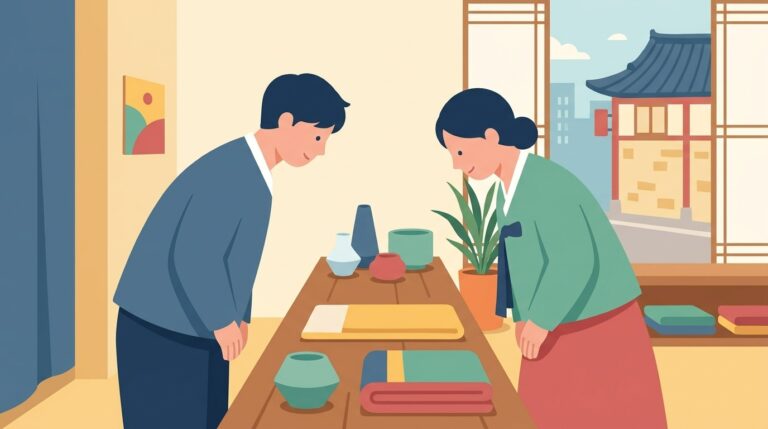
2. The 15-to-30 Degree Nodule Bow: When verbally expressing an apology before proposing a solution, make a respectful pause, dip your torso about 15 to 30 degrees, hold for one second, and rise before continuing. Never propose remedies with your arms crossed or hands tucked into pockets.
3. Attentive Eye Contact without Staring: Lower your gaze slightly towards the customer’s collarbone while listening to their grievance, then meet their eyes with a calm, reassuring look as you announce the resolution.
4-2. Cultural Codes: The Sacred Realm of “서비스 (Service)” and “정 (Jeong)”
In Korea’s hyper-competitive consumer market, the concept of Service has transcended simple operational mechanics. It has merged with Jeong (warm emotional attachment). In places like Olive Young, K-beauty boutiques, or neighborhood bakeries, service recovery is seen as an opportunity to convert an irritated visitor into a lifelong fan. Offering extra sheet masks, a complimentary drink coupon, or covering express shipping is not perceived as a financial loss, but as building social capital (신뢰 구축).
Phase 5: Real-Life Roleplay Scenario
- Setting: A high-end personalized lifestyle studio in Seongsu-dong. Customer Ms. Min-ji Park ordered a custom monogrammed leather passport cover, but the initials were stamped incorrectly (M.J instead of M.K).
- Characters:
- 민지 (Min-ji): Frustrated traveler whose flight is tomorrow evening.
- 준호 (Jun-ho / You): Studio Assistant Manager focused on rapid resolution.
민지: 저기요, 제 여권 케이스 이니셜이 M.K가 아니라 M.J로 잘못 각인되어 나왔어요. 내일 출국인데 어떡하죠?
(Jeogiyo, je yeogwon keiseu inisyeor-i M.K-ga anira M.J-ro jalmot gagin-doeeo nawasseoyo. Naeil chulguk-inde eotteokhajyo?)
“Excuse me, the initials on my passport case are stamped M.J instead of M.K. My flight is tomorrow—what are you going to do about this?”
준호: 🎭 (Genuinely surprised, instantly stepping out from behind the counter, inspecting the product with two hands) 어머나, 고객님. 각인 확인 과정에서 저희 쪽 실수가 있었던 것 같습니다. 불편을 드려 대단히 죄송합니다.
(Eomeona, gogaengnim. Gagin hwag-in gwajeong-eseo jeohui jjok silsu-ga isseotdeon geot gatseumnida. Bulpyeon-eul deuryeo daedan-hi joesonghamnida.)
“Oh dear, customer. It appears there was an error on our part during the engraving check. I am deeply sorry for causing this trouble.”
민지: 🎭 (Sighing with crossed arms) 내일 오전까지는 무조건 필요한데… 지금 다시 만들 시간이 되나요?
(Naeil ojeon-kkajineun mujeogeon piryohan-de… Jigeum dasi mandeul sigani doenayo?)
“I absolutely need this by tomorrow morning… Do you even have time to make it again right now?”
준호: 🎭 (Nodding with focused, calm composure) 네, 고객님. 지금 즉시 최우선으로 재제작에 들어가겠습니다. 20분만 기다려 주실 수 있으실까요?
(Ne, gogaengnim. Jigeum jeuksi choe-useon-euro jaejejag-e deureogagessseumnida. Isip-bun-man gidaryeo jusil su isseusilkkayo?)
“Yes, absolutely. We will begin remaking it immediately with top priority. Could you kindly give us just 20 minutes?”
민지: 🎭 (Looking at her watch) 20분이면 기다릴 수는 있는데, 일정이 좀 꼬이네요.
(Isip-bun-imyeon gidaril suneun inneunde, iljeongi jom kko-ineyo.)
“I can wait 20 minutes, but it does throw my schedule off.”
준호: 🎭 (Presenting a warm drink voucher with both hands) 기다리시는 동안 바로 옆 카페에서 따뜻한 음료 드실 수 있도록 쿠폰을 준비했습니다. 각인이 끝나는 대로 예쁘게 포장해서 직접 가져다드릴게요.
(Gidarisineun dong-an baro yeop kape-eseo ttatteuthan eumryo deusil su itdorok kupon-eul junbihaessseumnida. Gagin-i kkeutnaneun daero yeoppeuge pojanghaeseo jikjeop gajyeodadeurilgeyo.)
“While you wait, I have prepared a voucher so you can enjoy a warm beverage at the cafe next door. As soon as the engraving is complete, I will package it beautifully and bring it directly to you.”
민지: 🎭 (Softening expression) 아, 카페 쿠폰이요? 신경 써 주셔서 감사합니다. 그럼 옆에 가 있을게요.
(A, kape kupon-iyo? Singyeong sseo jusyeoseo gamsahamnida. Geureom yeop-e ga isseulgeyo.)
“Oh, a cafe coupon? Thank you for being so attentive. I will wait over there then.”
준호: 🎭 (Bowing politely at a 30-degree angle) 소중한 시간 내어 주셔서 감사합니다. 완벽하게 준비해 두겠습니다!
(Sojunghan sigan naeeo jusyeoseo gamsahamnida. Wanbyeokhage junbihae dugessseumnida!)
“Thank you for your patience and valuable time. We will prepare it flawlessly!”
🔀 Interactive Choice Point
What would you say if the customer refused to wait and demanded to leave right away?
- Choice A: “이미 제작에 들어갔으니 환불은 불가능하세요.” (Refund is impossible since production has started.)
- Choice B: “그러시면 전액 환불해 드리고, 오늘 밤까지 완성하여 호텔로 퀵서비스 배송해 드려도 괜찮을까요?” (In that case, may I offer a full refund and deliver the completed item to your hotel tonight via express courier?)
- Choice C: “그럼 어쩔 수 없네요. 그냥 가세요.” (Well, nothing can be done then. Just go.)
Feedback:
* Choice A (Bad): Rigidly reciting company refund policy during an active service blunder will infuriate the customer and lead to severe reviews.
* Choice B (Best): Combines fiscal accountability (refund) with extraordinary restorative effort (same-day courier delivery), cementing loyalty.
* Choice C (Risk): Lethal failure in etiquette that will likely trigger public complaints and reputation damage.
Phase 6: 10-Second Emotion Shadowing Drill
Practice these lines aloud, pausing at the / marks and channeling the assigned tone:
[🙇♂️ Deep Sincerity & Professional Composure]
불편을 끼쳐 드려 / 진심으로 죄송합니다. / 제가 즉시 / 확인 후 조치해 드리겠습니다.
(Bulpyeon-eul kkichyeo deuryeo / jinsim-euro joesonghamnida. / Jega jeuksi / hwag-in hu jochihae deurigessseumnida.)-
[✨ Prompt & Reassuring Action]
교환이나 환불 중 / 고객님께서 편하신 쪽으로 / 신속하게 도와드리겠습니다.
(Gyohwan-ina hwanbul jung / gogaengnim-kkeseo pyeonhasin jjok-euro / sinsokhage dowadeurigessseumnida.) -
[🎁 Warm & Generous Hospitality]
오래 기다리시게 한 만큼 / 죄송한 마음을 담아 / 작은 서비스를 함께 동봉했습니다.
(Orae gidarisige han mankeum / joesonghan ma-eum-eul dama / jageun seobiseu-reul hamkke dongbonghaessseumnida.)
Phase 7: K-Culture Mini Dictionary
- 보답 (Bodap): Repayment / Token of appreciation. While
보상(compensation) focuses on rectifying damage,보답focuses on returning gratitude or patience to the customer. - 서비스 (Seobiseu): The Konglish service culture phenomenon. It denotes anything given free of charge (extra side dish, free samples, waived shipping) to delight the buyer.
- 재발 방지 (Jaebal Bangji): Prevention of recurrence. A standard executive term used when promising that a glitch, mislabel, or defective batch will never happen again.
- 응대 (Eungdae): Front-line customer reception and interaction. High-grade Korean CS prides itself on 신속하고 친절한 고객 응대 (swift and kind customer reception).
Phase 8: Survival Kit for Travelers
Top 3 Survival Expressions
- 이거 혹시 교환 가능한가요? (Igeo hoksi gyohwan ganeunghangayo?)
- Pro Tip: Use when you discover a wrong size or defect in clothing stores.
- 주문한 것과 다른 게 나왔는데 확인해 주시겠어요? (Jumunhan geot-gwa dareun ge nawanneunde hwag-inhae jusigesseoyo?)
- Pro Tip: Polite restaurant phrasing when the wrong dish lands on your table.
- 오래 걸리면 취소하고 환불해 주셔도 됩니다. (Orae geollimyeon chwisohago hwanbulhae jusyeodo doemnida.)
- Pro Tip: An elegant exit line when a service remedy takes longer than your travel itinerary allows.
Editor’s Travel Note
If you ever encounter delivery or reservation issues while traveling in Korea, make use of real-time in-app customer support. Look up instructions on using the Naver Map App Customer Support Center or Kakao T CS chat, where you can paste these exact formulas into the inquiry box for instant responses.
Phase 9: A Step Deeper (Reflective Insight)
In traditional Korean culture, a guest is treated with reverence encapsulated in the historic adage 손님은 왕이다 (The customer is king). However, modern Korean society is actively shifting toward mutual respect. Today’s consumer landscape emphasizes balanced interactions—rejecting unreasonable entitlement (갑질, Gapjil) while celebrating businesses that take prompt, transparent ownership of genuine errors. Providing solutions and compensation is not about self-abasement; it is about restoring harmony (조화) between two equals.
💬 Your Turn: Have you ever experienced exceptional “서비스 (free perk)” at a Korean restaurant or store after a minor mistake? What remedy did they offer? Share your story in the comments below!
Phase 10: FAQ & Avoiding Misunderstandings
Q: Can I use the word “보상 (Bosang)” directly when speaking to an individual customer?
A: While grammatically correct, using 보상 can sound cold, defensive, and legalistic. In retail, dining, and hospitality, native speakers strongly prefer expressions like 죄송한 마음을 담은 작은 성의 (a small token of our sincere regrets) or simply 서비스 (complimentary perk).
Q: What is the difference between “바꿔 드릴게요” and “교환해 드릴게요”?
A: 바꿔 드릴게요 is conversational and great for casual cafes or neighborhood markets. 교환해 드릴게요 utilizes Sino-Korean vocabulary (교환), elevating the register to professional, polite, and refined business Korean.
Q: Is it rude to offer cash directly as an apology?
A: In Korean commercial culture, offering a cash apology outside of an official refund process can feel awkward or insulting. Instead, provide a full refund through the original payment method, and offer vouchers, free items, or upgraded services as emotional compensation.
🚨 Common Mistakes Warning Board
- Mistake 1: Saying “환불해 줄게요” to a customer.
- Correct Action: Always upgrade the verb to
환불해 드리겠습니다or환불 도와드리겠습니다.
- Correct Action: Always upgrade the verb to
- Mistake 2: Blaming colleagues or suppliers in front of the customer (“공장에서 늦게 와서요”).
- Correct Action: Keep team accountability unified:
저희 쪽에서 꼼꼼히 확인하지 못했습니다(We failed to verify thoroughly on our end).
- Correct Action: Keep team accountability unified:
- Mistake 3: Offering a solution without leading with an apology.
- Correct Action: Always validate emotions first:
불편을 드려 죄송합니다must precede any proposed logistics.
- Correct Action: Always validate emotions first:
Phase 11: Action Missions
- 🥉 Bronze Level: Shadow record yourself delivering Expression 1 with a clear, calm 15-degree bow.
- 🥈 Silver Level: Write a sample 3-sentence service response to an imaginary online complaint on Instagram or your study journal using
재발하지 않도록and챙겨 드리다. - 🥇 Gold Level: During your next trip or virtual language exchange, practice politely requesting an exchange or upgrade using
편하신 쪽으로 도와주세요. - 🎮 K-Culture Mission: Watch an episode of a workplace K-drama (such as Misaeng or King the Land) and write down every time a character softens a transaction using the auxiliary verb
-아/어 드리다.
Phase 12: Interactive Quiz Challenge
- Situational Judgement: A boutique customer receives an umbrella with a torn seam. Which phrase is the most natural and polite way to propose an immediate remedy?
- A) “우산이 찢어졌으니 내일 다시 오세요.”
- B) “불편을 드려 죄송합니다. 새 상품으로 바로 교환해 드릴게요.”
- C) “이건 제 잘못이 아닙니다.”
- Fill in the Blank: “동일한 문제가 (__________) 않도록 철저히 관리하겠습니다.” (We will manage thoroughly so that the identical problem does not recur.)
-
True or False: In Korean customer service, the word “서비스” always refers to labor or duties performed by employees.
Click to reveal answers & explanations
- Answer: B | Explanation: Option B combines an empathetic acknowledgment of inconvenience with the respectful proactive ending
-아/어 드릴게요. - Answer: 재발하지 | Explanation:
재발하다(to recur/relapse) combines with-지 않도록to express preventing recurrence. - Answer: False | Explanation: In everyday Korean consumer culture, “서비스” primarily refers to complimentary free items, drinks, or bonuses provided on the house!







