

안녕하세요! 매일한글 에디터입니다.
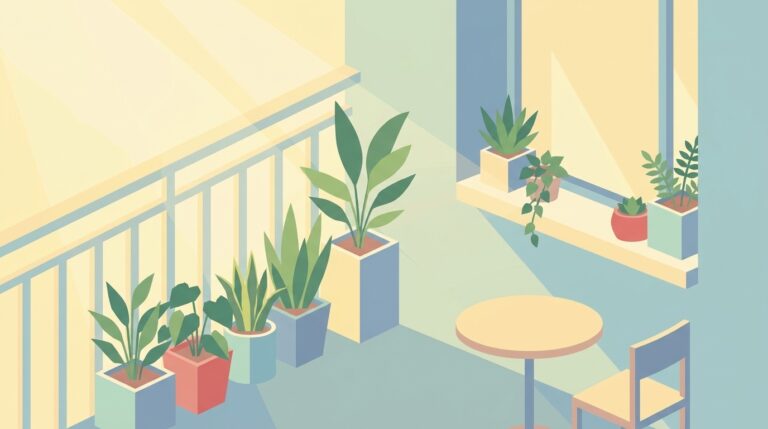
Picture this: You have just moved into a sunlit apartment in Seoul. Inspired by cozy K-drama interior scenes and serene vlogs on I Live Alone (나 혼자 산다), you proudly set up your very own veranda garden (베란다 정원). You have potted fresh perilla leaves (kkaetnip), juicy cherry tomatoes, and a lovely monstera. You step out with your morning coffee, ready to admire your urban oasis, only to freeze in sheer horror. The leaves are curling, tiny white webs shroud the stems, and a swarm of annoying little gnats flutters up from the potting soil. Welcome to the humid Korean summer monsoon (jangma) season, where indoor pests thrive overnight!
When you rush to your neighborhood plant nursery or post an urgent SOS on the local Danggeun Market (당근마켓) community board, textbook phrases like “식물에 벌레가 있습니다” (There are bugs on the plant) will fall flat. The local shopkeeper will immediately hit you with specialized, rapid-fire jargon: “과습(overwatering) 때문에 응애(spider mites)랑 뿌리파리(fungus gnats)가 생겼네요. 초기에 방제(pest control) 안 하면 싹 다 번져요!”
Drawing from years of navigating Korea’s unique high-density apartment lifestyle and coaching advanced language learners, I have designed this comprehensive C1-level guide. By the end of this masterclass, you will speak with the diagnostic precision of a seasoned Korean botanist, master nuanced idiomatic descriptors, and confidently banish unwanted veranda visitors while preserving harmony with your neighbors.
1. 진딧물이 생겨서 잎이 다 쪼글쪼글해졌어요. (Jindinmuri saenggyeoseo ipi da jjogeul-jjogeulhaejyeosseoyo.)
- Pronunciation: [jin-din-mu-ri saeng-gyeo-seo i-pi da jjo-geul-jjo-geul-hae-jyeo-sseo-yo] (Imagine the crisp, crackling sound of ‘jjo’ followed by the loose, wrinkled sound of ‘geul’, like crinkling tinfoil).
- Meaning: “Aphids broke out, so the leaves have all shriveled up.” (Literal: Aphids formed and leaves became totally wrinkled.)
- K-Culture Moment: Often heard on urban gardening variety segments or neighborhood lifestyle vlogs where plant lovers lament the sudden summer heat wave destroying balcony crops.
- Editor’s Insight: At the C1 level, your descriptive power hinges on onomatopoeia and mimetic words (의태어). Instead of merely saying 잎이 상했어요 (the leaves are damaged), using 쪼글쪼글하다 paints an instant, tactile picture of puckered, dehydrated leaves sucked dry by sap-feeding pests.
- Situation Spectrum: Casual ✅ | Semi-formal ✅ | Formal ⚠️
- 🤔 Think About It: English relies on adjectives like “crinkled” or “wilted,” whereas Korean uses rhythmic doubled sounds (쪼글쪼글, 시들시들, 다닥다닥) to convey physical texture and emotional distress simultaneously. How does this reflect the sensory richness of Korean descriptive culture?
2. 친환경 살충제로 초기에 박멸해야 해요. (Chinhwangyeong salchungjereo chogie bangmyeolhaeya haeyo.)
- Pronunciation: [chin-hwan-gyeong sal-chung-je-ro cho-gi-e bang-myeol-hae-ya hae-yo] (Deliver ‘bang-myeol’ with an emphatic snap on the ‘myeol’, akin to the decisive strike of a gavel).
- Meaning: “You need to eradicate them right at the early stage using an eco-friendly pesticide.”
- K-Culture Moment: A frequent piece of advice exchanged on Mom-cafes (맘카페) and apartment complex community boards, where residents seek pest solutions that are safe for balcony-dried laundry and pets.
- Editor’s Insight: Notice the Sino-Korean compound 박멸 (撲滅 / bangmyeol). While beginner texts teach 없애다 (to get rid of) or 죽이다 (to kill), 박멸하다 denotes total eradication or extermination. Pairing it with 초기 (early stage) establishes an authoritative, proactive approach to bio-management.
- Situation Spectrum: Casual ⚠️ | Semi-formal ✅ | Formal ✅
- 🤔 Think About It: Sino-Korean four-character roots allow speakers to compress intricate procedural meanings into concise verbs. Why is high-register technical vocabulary considered friendlier and more reassuring in specialized Korean consults?
3. 환기가 안 돼서 과습에 뿌리파리까지 꼬였네요. (Hwan-giga an dwaeseo gwaseube ppuriparikkaji kkoyeonneyo.)
- Pronunciation: [hwan-gi-ga an dwae-seo gwa-seu-be ppu-ri-pa-ri-kka-ji kko-yeon-ne-yo] (The double consonant in ‘kko’ requires sharp glottal tension, like the snappy ‘sk’ sound in ‘sky’).
- Meaning: “Because there was no air circulation, overwatering set in and even fungus gnats swarmed over it.”
- K-Culture Moment: The definitive diagnosis given by an exasperated flower market vendor inspecting a novice gardener’s waterlogged succulent.
- Editor’s Insight: The verb 꼬이다 literally means to get twisted or tangled, but when applied to bugs, pests, or even troublesome people, it means “to swarm stubbornly around an unpleasant spot.” Combined with 과습 (excessive moisture/overwatering), this sentence effortlessly explains both the cause and the resulting symptom.
- Situation Spectrum: Casual ✅ | Semi-formal ✅ | Formal ⚠️
- 🤔 Think About It: 환기 (ventilation) is practically a sacred tenet in Korean daily life, from opening windows at sunrise to preventing indoor mold. How does architecture influence the linguistic priority of plant care?
Phase 3: 교과서 한국어 vs 진짜 한국어 (Textbook vs. Real Korean)
Situation 1: Deciding on a pest spray solution
- 📖 교과서 한국어: 해충을 제거하기 위해 약을 뿌려야 합니다. (Haechungeul jegeohagi wihae yageul ppuryeoya hamnida. / One must spray chemical medicine to eliminate harmful insects.)
- 🗣️ 진짜 한국어: 벌레 싹 털어내고 비오킬 한번 싹 돌려야겠어요. (Beolle ssak teoreonaego Biokil hanbeon ssak dollyeoyagesseoyo. / I’d better shake off all the bugs and give the whole balcony a thorough round of Biokill.)
- 💡 왜 다를까? Real Korean plant caretakers reference everyday household staples like Biokill (비오킬, a widely trusted low-toxicity permethrin spray) directly, and utilize the dynamic adverb 싹 (cleanly/entirely) alongside 돌리다 (to run a full round of spraying) to sound natural and experienced.
Situation 2: Describing a plant that is failing to survive
- 📖 교과서 한국어: 식물이 과도한 수분으로 인해 썩고 있습니다. (Singmuri gwadohan subuneuro inhae sseokgo itseumnida. / The plant is decaying due to excessive moisture.)
- 🗣️ 진짜 한국어: 물을 너무 자주 줘서 과습으로 완전히 맛이 갔어요. (Mureul neomu jaju jwoseo gwaseubeuro wanjeonhi masi gasseoyo. / I watered it too frequently, so it completely withered from overwatering.)
- 💡 왜 다를까? While 썩다 (to rot) sounds clinical, advanced colloquial Korean commonly applies the versatile idiom 맛이 가다 (literally ‘the taste has gone bad’, metaphorically meaning something is spoiled, fried, or near death) to electronics, exhausted humans, and dying plants alike.
Phase 4: K-Culture 딥다이브 & 비언어적 매너 (Deep Dive & Etiquette)
4-1. 눈치(Nunchi) & Veranda Etiquette in Korean High-Rises
In Korea, over 60% of the population resides in multi-family apartments (apateu). Your veranda is technically private property, but it connects directly to your neighbors via exterior drainage pipes (baesugu) and shared window corridors. Applying pest control requires sophisticated Nunchi (눈치):
* The Downward Mist Rule: Never spray chemical insecticides on a windy day with your outward-facing windows fully cranked open. The mist drifts down to your lower neighbor’s drying laundry or open baby room, leading to passive-aggressive elevator notices (엘리베이터 경고문).
* The Non-Verbal Nod: When purchasing remedies at a local nursery, avoid loudly claiming the entire complex is infested. Instead, lean in slightly, show a clear close-up smartphone photo of the damaged leaf, and ask discreetly: “실내에서 냄새 안 나게 쓸 수 있는 게 있을까요?” (Is there something odorless I can use indoors?).
4-2. Cultural Code: The Rise of the ‘Sikjipsa’ (식집사)
A delightful portmanteau of 식물 (plant) and 집사 (butler), the term Sikjipsa reflects how modern urban Koreans view their greenery. Much like a cat butler caters to a feline’s every whim, a Sikjipsa treats house plants as 반려식물 (companion plants) rather than mere ornaments. Facing dense urbanization and intense work pressure, Seoulites view battling veranda pests not as a chore, but as an act of affectionate loyalty to their green companions.
Phase 5: 실전 롤플레이 시나리오 (Real-Life Roleplay Scenario)
Setting: A bustling, earthy plant nursery inside the historic Jongno 5-ga Seed Market (종로5가 종묘거리).
Characters: You (an ambitious balcony gardener) and 사장님 (Master Kang), a 65-year-old green-thumb veteran wearing a faded canvas apron.
- You: 사장님, 베란다에서 키우는 바질 잎 뒤에 하얀 벌레가 다닥다닥 붙었는데 이거 어떡하죠? (Sajangnim, beranda-eseo kiuneun bajil ip dwie hayan beollega dadakdadak buneonneunde igeo eotteokhajyo? / Boss, tiny white bugs are clustered all over the back of my veranda basil leaves; what should I do?) 🎭 [Swiping open your phone with a stressed expression to display a macro photo]
- Master Kang: 아이고, 어디 봐요. …아이구야, 이거 온실가루이네! 환기 제대로 안 시키고 흙 물 빠짐 안 좋았지? (Aigo, eodi bwayo. …Aiguya, igeo onsilgaruine! Hwangi jedaero an sikigo heuk mul ppajim an joatji? / Oh dear, let me see. …Goodness, that’s greenhouse whitefly! You didn’t air the place out properly and the soil drainage was poor, wasn’t it?) 🎭 [Pushing reading glasses up onto his forehead and clicking his tongue]
- You: 맞아요, 미세먼지 심해서 창문을 계속 닫아뒀더니 과습이 온 것 같아요. (Majayo, misemeonji simhaeseo changmuneul gyesok dadadwotdeoni gwaseubi on geot gatayo. / That’s right, the fine dust was so bad that I kept the windows shut, and overwatering seems to have set in.) 🎭 [Lowering your head in slight self-reproach]
- Master Kang: 잎 뒷면에 알까지 깠을 텐데, 먹는 허브니까 독한 농약은 절대 치면 안 돼. (Ip dwinmyeone alkkaji k差别sseul tende, meongneun heobeunikka dokhan nongyageun jeoldae chimyeon an dwae. / They probably laid eggs behind the leaves, but since it’s an edible herb, you must never spray harsh agricultural chemicals.) 🎭 [Waving a dismissive hand with deep conviction]
- You: 그럼 물로 잎샤워 한번 싹 해주고 친환경 방제제를 뿌리면 박멸할 수 있을까요? (Geureom mullo ipsyawo hanbeon ssak haejugo chinhwangyeong bangjejereul ppurimyeon bangmyeolhal su isseulkkayo? / Then if I give it a thorough leaf-shower with water and spray an organic control agent, can I eradicate them?) 🎭 [Asking earnestly while gesturing with both hands]
- Master Kang: 그렇지! 바로 그거야. 샤워기로 알 털어내고, 이 천연 오일 약제 3일 간격으로 세 번만 쳐봐. (Geureochi! Baro geugeoya. Syawogiro al teoreonaego, i cheonyeon oil yakje sam-il gangyeogeuro se beonman chyeobwa. / Exactly! That’s the ticket. Blast off the eggs with the showerhead, then spray this natural oil remedy three times at three-day intervals.) 🎭 [Reaching into a low wooden crate and handing you a concentrated spray bottle]
- You: 흙 표면이 바짝 마를 때까지 통풍에도 바짝 신경 써야겠네요. 감사합니다! (Heuk pyomyeoni bajjak mareul ttaekkaji tongpungedo bajjak singyeong sseoyagenneyo. Gamsahamnida! / I should pay sharp attention to air circulation until the topsoil dries completely crisp. Thank you!) 🎭 [Bowing respectfully while taking the bottle with both hands]
- Master Kang: 그래, 정성 들이면 식물은 절대 배신 안 해. 다음 주에 꼭 살려내서 소식 전해줘! (Geurae, jeongseong deurimyeon singmureun jeoldae baesin an hae. Daeum jue kkok sallyeonaeseo sosik jeonhaejwo! / Indeed, if you pour your devotion into them, plants never betray you. Make sure you revive it and let me know next week!) 🎭 [Slapping the counter encouragingly with a warm, crinkly smile]
🔀 인터랙티브 분기점 (Interactive Branching)
Master Kang asks: “화분 밑에 물받이에 물 고여 있는 건 바로바로 버려요?” (Do you empty out the stagnant water pooling in the saucers beneath your pots right away?)
- Choice A: “네, 고인 물은 뿌리파리의 온상이니까 보이는 족족 비워내고 있어요.” (Yes, standing water is a hotbed for fungus gnats, so I empty it the moment I spot it.)
- 👉 Feedback [Best]: Perfect native nuance! Using 온상 (hotbed/breeding ground) and -는 족족 (as soon as/every single time) proves your C1 command. Master Kang will nod in deep respect.
- Choice B: “귀찮아서 그냥 자연 증발할 때까지 내버려 둬요.” (It’s a hassle, so I just leave it alone until it evaporates naturally.)
- 👉 Feedback [Bad]: A horticultural crime! Master Kang will give you a lecture on how stagnant saucer water chokes root respiration (뿌리 호흡) and breeds thousands of gnats.
- Choice C: “벌레 생기지 말라고 락스 한 방울씩 타 놨어요.” (I dripped a drop of chlorine bleach into the saucers so bugs wouldn’t breed.)
- 👉 Feedback [Risk]: High danger! While creative, bleach fumes can absorb back up into the root ball and kill delicate herbs. Master Kang might snatch the organic pesticide back from you!
Phase 6: 10초 감정 섀도잉 드릴 (10-Second Shadowing Drill)
[😮 속상하고 다급하게 / Frustrated and urgent]
“진딧물이 / 잎 뒤에 / 새까맣게 달라붙어서 / 손쓸 수가 없어요!”
(Jindinmuri / ip dwie / saekkamake dallabuteoseo / sonsseul suga eopseoyo!)
“Aphids / on the back of the leaves / have clung pitch-black / so I feel totally helpless!”-
[🧐 단호하고 전문적으로 / Resolute and analytical]
“과습을 잡으려면 / 물주기를 멈추고 / 서큘레이터로 / 흙을 바짝 말려야 해요.”
(Gwaseubeul jabeuryeomyeon / muljugireul meomchugo / seokyulleiteoro / heugeul bajjak mallyeoya haeyo.)
“If you want to curb overwatering, / you must halt watering / and with a circulator fan / dry out the soil completely.” -
[😊 안도하며 다정하게 / Relieved and affectionate]
“친환경 약제로 / 꼬박꼬박 방제해 줬더니 / 드디어 새순이 / 파릇파릇 돋아나네요.”
(Chinhwangyeong yakjero / kkobak-kkobak bangjehae jwotdeoni / deudieo saesuni / pareut-pareut dodananeyo.)
“Because I diligently sprayed / with eco-friendly remedies, / fresh new sprouts / are finally emerging lush green.”
Phase 7: K-Culture 미니 사전 (Mini Dictionary)
- 식집사 (Sik-jip-sa) | Plant Butler
- Everyday Use: Self-deprecating label used by passionate urban plant parents who spend their entire weekends repotting (분갈이), wiping dust off leaves, and checking for mites.
- 과습 (Gwa-seup) | Overwatering / Excessive Moisture Stress
- Everyday Use: The number one killer of apartment houseplants in Korea. When someone asks “식물이 왜 시들어요?” (Why is the plant drooping?), 90% of plant clinic answers begin with 과습.
- 총채벌레 (Chong-chae-beol-le) | Thrips
- Everyday Use: Feared by indoor gardeners for their rapid breeding and silvery damage streaks on foliage. Often mentioned alongside 응애 (spider mites) as the arch-nemesis of indoor crops.
- 잎샤워 (Ip-sya-wo) | Leaf Showering
- Everyday Use: The practical technique of bringing pots into the bathroom and spraying foliage with a gentle shower stream to physically dislodge dust, aphids, and pest larvae.
Phase 8: 여행자와 거주자를 위한 생존 키트 (Survival Kit)
서바이벌 표현 TOP 3
- “실내 식물에 써도 안전한 유기농 방제제 있나요?”
(Silnae singmure sseodo anjeonhan yuginong bangjeje创意 innayo?)
Pro Tip: Use this at any local garden nursery (화원) to immediately get non-toxic, pet-safe pest solutions. - “잎이 누렇게 뜨고 무르는데 과습 증상 맞죠?”
(Ipi nureoke tteugo mureuneunde gwaseup jeungsang matjo?)
Pro Tip: Use 뜨다 (to turn discolored/yellow) and 무르다 (to become soggy/mushy) to precisely convey root decay. - “분갈이용 흙이랑 배수층 만들 난석도 같이 주세요.”
(Bungariyong heugirang baesucheung mandeul nanseokdo gachi juseyo.)
Pro Tip: Ensuring proper drainage is the first line of defense; 난석 (porous pumice/orchid stone) is essential for bottom drainage.
Editor’s Travel & Living Note
If you need emergency plant care supplies in Seoul, skip the high-end boutique florist. Instead, search for your nearest agricultural supply hub on the Naver Map mobile application. Entering keywords like 종묘상 (seed and seedling merchant) or 농자재마트 (agricultural materials mart) will guide you to authentic storehouses where supplies cost a fraction of department store prices. Additionally, when repotting, remember Korean apartment recycling laws: large amounts of discarded potting soil cannot go down the toilet or into normal plastic bins; you must purchase a dedicated non-combustible waste sack (불연성 종량제 마대) from your neighborhood community center or local mart.
Phase 9: “한 발 더 깊이” (Cultural Essay)
Indoor gardening in Korean high-rise apartments is a meditation on shared communal boundaries. In a culture deeply shaped by Jeong (정) and mutual consideration, the air in your veranda does not belong exclusively to you; it is shared with the family upstairs airing their winter blankets and the elder downstairs enjoying afternoon tea. When a Korean sikjipsa chooses non-toxic remedies like egg yolk-oil mixtures (난황유) or diluted neem oil over pungent commercial sprays, it represents far more than an ecological choice—it embodies the quiet, pervasive consideration that keeps compact city living serene.
💬 Your Turn: Have you ever experienced indoor pests while tending plants in your own home country? How would you explain the symptoms using your native language’s sensory words? Share your story in the comments below!
Phase 10: FAQ & 흔한 실수 (FAQ & Common Mistakes)
Q: What is the most effective eco-friendly remedy I can whip up at home without visiting a store?
A: You can formulate 난황유 (Egg Yolk Oil Spray), Korea’s most celebrated organic DIY pesticide developed by the Rural Development Administration. Thoroughly blend 1 egg yolk with 60ml of cooking oil and 100ml of water, then dilute a single tablespoon into 500ml of water in a spray bottle. It suffocates spider mites and powdery mildew (흰가루병) without harmful chemical residues!
Q: Can I just spray ordinary household rubbing alcohol on my plants?
A: Proceed with extreme caution. While a 70% ethanol swab is excellent for manually dabbing away stubborn mealybugs (깍지벌레), spraying undiluted alcohol across leafy foliage will dissolve the plant’s protective waxy cuticle layer, causing catastrophic leaf burn under Seoul’s intense afternoon sunlight.
Q: What does it mean when a nursery elder tells me to “흙을 굶기세요”?
A: Literally translated as “starve the soil,” it is a colorful, old-school Korean gardening idiom meaning: stop watering immediately! It instructs you to allow the soil to dehydrate completely so root rot ceases and suffocated root hairs regain access to ambient oxygen.
🚨 흔한 실수 (Common Mistakes) 경고판
- Mistake: Using standard kitchen dish soap spray in strong concentrations.
- Correct Action: Commercial dish soaps in Korea often contain potent degreasers that strip plant cells. Use exclusively mild vegetable potassium soap or dedicated natural neem solutions.
- Mistake: Dumping dead potting soil directly into apartment garden beds.
- Correct Action: Outdoor beds are shared community property. Contaminated soil can introduce fungal gnats to your entire building. Dispose of it using official 불연성 쓰레기 봉투 (non-combustible waste bags).
- Mistake: Mistaking physiological edema for insect eggs.
- Correct Action: Tiny translucent bumps beneath pepper or tomato leaves are often 부종 (edema caused by high humidity and water retention), not bug eggs. Always inspect with a phone camera zoom before applying chemicals!
Phase 11: 액션 미션 & 참여 유도 (Action Missions)
- 🥉 Bronze Mission (Solo Practice): Stand in front of your mirror or houseplant and recite Shadowing Sentence #2 out loud three times, emphasizing the glottal pop on 바짝 말려야 해요.
- 🥈 Silver Mission (Social Share): Snap a photo of a plant leaf in your living room. Post it on your Instagram Story with the caption: “우리 집 반려식물, 과습 조심하고 잎샤워 완료! 🌿” and tag @DailyHangul.
- 🥇 Gold Mission (Real-Life Encounter): Visit a local flower shop (화원) or Daiso gardening aisle in Korea, locate the pest control corner, and identify bottles marked 응애, 진딧물, and 초파리/뿌리파리.
- 🎮 K-Culture Mission: Watch a clip of an apartment balcony tour on YouTube using the search term #베란다정원 or #식집사로그. Listen closely to how often the creator mentions 통풍 (air circulation) within the first three minutes!
Phase 12: 인터랙티브 퀴즈 챌린지 (Interactive Quiz Challenge)
Test your mastery of advanced Korean veranda pest control! Choose your answers before unfolding the explanation box below.
- [상황 판단] When your balcony basil shows shriveled, sticky leaves with clustered aphids, which expression is the most natural and descriptive at a C1 level?
- (A) 식물에 작은 생물이 많아서 기분이 슬퍼요.
- (B) 진딧물이 다닥다닥 꼬여서 잎이 쪼글쪼글해졌어요.
- (C) 잎사귀 위에 해충들이 행진을 시작하고 있습니다.
- [빈칸 채우기] Fill in the blank with the appropriate botanical term:
- “여름철 장마 기간에는 화분의 흙이 마르지 않아 __________(으)로 뿌리가 썩기 쉽습니다.”
- (Hint: Excessive moisture / overwatering)
- [True / False 문화 퀴즈]
- In Korean high-rise apartments, it is considered considerate and standard etiquette to spray heavy chemical aerosols out the open veranda window so the smell leaves your unit quickly. (T / F)
👉 Click here to reveal the answers and explanations!
- Answer: (B)
- Explanation: 다닥다닥 (clustered tightly) and 쪼글쪼글하다 (wrinkled/shriveled) are quintessential C1 mimetic descriptors. Option (A) is too elementary, while (C) is overly poetic and unnatural.
- Answer: 과습 (Gwa-seup)
- Explanation: 과습 (excessive moisture/overwatering) is the essential Sino-Korean technical term required for sophisticated plant care conversations.
- Answer: False (F)
- Explanation: Doing so is a major breach of apartment Nunchi! Spraying chemicals outward can drift directly into neighboring units’ open windows or onto lower-floor laundry lines. Odorless, eco-friendly spot treatments should always be applied within your own enclosed space.
- Explanation: Doing so is a major breach of apartment Nunchi! Spraying chemicals outward can drift directly into neighboring units’ open windows or onto lower-floor laundry lines. Odorless, eco-friendly spot treatments should always be applied within your own enclosed space.







