

Phase 1: 공감 (Story-Driven Opening)
안녕하세요! 매일한글 에디터입니다.
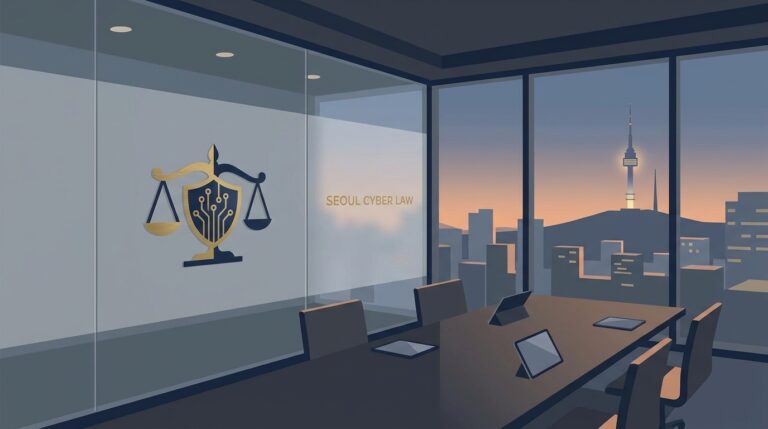
Picture this: You are sitting in an ultra-sleek, soundproofed boardroom on the 24th floor of a Teheran-ro tech skyscraper in Gangnam. Outside, the Seoul skyline sparkles, but inside, the air has completely frozen over. Your company’s user database has just suffered an unauthorized intrusion. The Chief Privacy Officer drops a thick dossier onto the oak table, leans in with a grave expression, and murmurs words that would make any Korean legal counsel break out into a cold sweat: “이건 단순 시스템 장애가 아닙니다. 개인정보 보호법 위반에 따른 법적 책임을 따져봐야 합니다.” If your mind instantly scrambles trying to navigate high-stakes statutory thresholds, distinguishing civil damages from administrative fines, you are not alone.
In our decade of mentoring expatriate executives, cross-border corporate attorneys, and bilingual legal counsels, the single biggest hurdle at the C2 mastery tier isn’t just knowing the law—it is commanding the exact linguistic nuance, tone, and strategic gravitas required when debating liability under South Korea’s notoriously rigorous Personal Information Protection Act (PIPA, 개인정보 보호법). This guide is built directly from real boardroom transcripts, regulatory audit debriefs, and real learner pain points. By the time you finish this lesson, you will speak with the persuasive precision of a seasoned Seocho-dong litigation partner.
Phase 2: 핵심 표현 3선 심층 분석 (Top 3 Core Expressions)
1. 손해배상 책임을 면하기 어렵다 (Sonhaebaesang chaegim-eul myeonhagi eoryeopda)
- Pronunciation: [Son-hae-bae-sang chae-gim-eul myeon-ha-gi eo-ryeop-da] (Sound analogy: Imagine saying “son-ha!” followed by “bae-sang”, then smoothly gliding into “myeon-hagi”, rhyming softly with “ear-yup-da”)
- Meaning: Literally translates to “It is difficult to avoid liability for damages,” but functions pragmatically as: “Our liability for compensatory damages is virtually unavoidable unless we produce ironclad proof of zero negligence.”
- K-Culture Moment: In legal thriller K-dramas like Hyena or Stranger (비밀의 숲), this phrase is delivered by senior corporate attorneys when dropping the hammer on reckless board directors during an emergency crisis meeting.
- Editor’s Insight: In Korean civil jurisprudence, using “면하기 어렵다” is the quintessential high-register litotic hedge. Instead of bluntly declaring “You are liable!” (책임이 있습니다), a C2 professional phrases it as “evading liability is difficult,” which sounds far more objective, authoritative, and chillingly conclusive.
- Situation Spectrum: Casual: 🚫 | Semi-formal: ⚠️ | Formal: ✅
- 🤔 Think About It: Why does Korean professional culture prefer double-negatives or litotes (such as “hard to avoid”) over stark positive assertions in high-stakes liability discussions?
2. 고의 또는 중대한 과실 (Goui ttoneun jungdaehan gwasil)
- Pronunciation: [Go-ui tto-neun jung-dae-han gwa-sil] (Sound analogy: “Go-we”, “toe-noon”, followed by “jung-day-han” and “gwa-shil” like washing a glass)
- Meaning: “Intentional misconduct or gross negligence.”
- K-Culture Moment: Evocative of boardroom clashes in Queenmaker (퀸메이커), where corporate fixers scrutinize internal audit logs to see if an employee deliberately bypassed encryption or was catastrophically careless.
- Editor’s Insight: Under Article 39(3) of Korea’s PIPA, demonstrating 고의 또는 중대한 과실 allows plaintiffs to claim punitive damages (징벌적 손해배상) up to five times the actual damage sustained. Uttering this phrase instantly shifts the stakes from an administrative hiccup to existential corporate liability.
- Situation Spectrum: Casual: 🚫 | Semi-formal: ⚠️ | Formal: ✅
- 🤔 Think About It: In your native legal system, how sharp is the distinction between simple negligence and gross negligence, and how does your culture verbally convey catastrophic fault?
3. 시정명령 및 과징금 처분 (Sijeongmyeongnyeong mit gwajinggeum cheobun)
- Pronunciation: [Si-jeong-myeong-nyeong mit gwa-jing-geum cheo-bun] (Sound analogy: “See-jeong-myung-nyung meet gwa-jing-goom chaw-boon”)
- Meaning: “Corrective orders and administrative surcharge/penalty disposition.”
- K-Culture Moment: Think of the gripping press-briefing scenes in Vincenzo, where government regulators slam predatory conglomerates with massive state sanctions before television cameras.
- Editor’s Insight: Non-native professionals often conflate 과징금 (gwajinggeum – administrative surcharges based on enterprise revenue to strip illegal profits) with 과태료 (gwataeryo – minor statutory fines for procedural lapses). Distinguishing these terms cleanly signals true institutional fluency.
- Situation Spectrum: Casual: 🚫 | Semi-formal: ⚠️ | Formal: ✅
- 🤔 Think About It: How does administrative law in your country distinguish punitive corporate levies from statutory misdemeanor fines?
Phase 3: 교과서 한국어 vs 진짜 한국어 (Textbook vs. Real-World Legal Korean)
Situation 1: Anticipating Devastating Regulatory Action
- 📖 교과서 한국어 (Textbook Style):
개인정보보호위원회로부터 행정 제재를 받을 가능성이 있습니다. (Gaeinjeongbobohowiweonhoe-robuto haengjeong jejae-reul badeul ganeungseong-i itsseumnida.)
“There is a possibility of receiving administrative sanctions from the Personal Information Protection Commission.” - 🗣️ 진짜 한국어 (Boardroom Reality – C2 Nuance):
이 사안은 과징금 폭탄은 물론이고, 경영진 형사고발까지 직결될 수 있는 엄중한 국면입니다. (I saaneun gwajinggeum poktaneun mollonigo, gyeong-yeongjin hyeongsagobal-kkaji jikgyeol-doel su inneun eomjunghan gukmyeon-imnida.)
“This issue isn’t just about getting hit with astronomical surcharges; we are facing a critical threshold that could lead straight to criminal indictments against executive management.” - 💡 왜 다를까?: Textbook phrasing is passively sterile. In real Seoul executive chambers, strategic advisors use vivid yet sophisticated metaphors like 과징금 폭탄 (surcharge bombshell) and structured impact clauses (~은 물론이고, ~까지 직결되는 엄중한 국면) to communicate immediate business peril.
Situation 2: Emphasizing the Inversion of the Burden of Proof
- 📖 교과서 한국어 (Textbook Style):
우리가 잘못이 없다는 것을 증명해야 합니다. (Uriga jalmots-i eopdaneun geoseul jeungmyeonghaeya hamnida.)
“We must prove that we did nothing wrong.” - 🗣️ 진짜 한국어 (Boardroom Reality – C2 Nuance):
법률상 입증 책임이 정보처리자인 당사에 전환되어 있어, 기술적·관리적 보호조치의 완전성을 소명하지 못하면 면책은 불가능합니다. (Beopnyulsang ipjeung chaegim-i jeongbo-cheorijain dangsa-e jeonhwan-doeeo isseo, gisuljeok·gwallijeok bohojochi-ui wanjeonseong-eul somyeonghaji mothamyeon myeonchaeg-eun bulganeunghamnida.)
“By statutory operation, the burden of proof is shifted to us as the data handler; unless we establish the absolute integrity of our technical and administrative safeguards, exemption from liability is unattainable.” - 💡 왜 다를까?: Simple words like 잘못 (fault) and 증명 (proof) are discarded in elite legal dialogue in favor of precise doctrines: 입증 책임의 전환 (shifting of the burden of proof), 기술적·관리적 보호조치 (statutory technical and managerial safeguards), and 소명 (adducing prima facie justification).
Phase 4: K-Culture 딥다이브 & 비언어적 매너 (Non-Verbal Manners & Cultural Code)
4-1. 눈치 (Nunchi) & Corporate Body Language
In Korean corporate crisis negotiations, dynamic restraint is everything. When debating legal exposure under PIPA:
* The Heavy Silence (침묵의 무게): Never rush to fill a silence after opposing counsel points out an audit loophole. A measured 3-second pause, accompanied by a slow, solemn nod (묵직한 끄덕임), conveys that you understand the legal gravity rather than panicking.
* Document Handling: When handing over compliance audit logs or incident forensic reports, hold the binder with both hands, lightly supporting the wrist or elbow of your dominant arm. Pointing at contractual clauses should be done using an open palm (손바닥 전체로 가리키기), never a solitary index finger, which signals unearned confrontation.
* Vocal Modulation: Lower your pitch half an octave. Elite Korean jurists maintain a flat, impeccably composed, baritone cadence (차분하고 건조한 어조). Emotional pitch fluctuations are perceived as weakness or unpreparedness.
4-2. Cultural Code: The Trauma of Digital Identity Theft in Korea
To master this unit, you must understand Korea’s unique socio-legal context. South Korea is one of the most hyper-connected, digitized societies on earth. Following catastrophic historical data leaks in the 2010s involving Resident Registration Numbers (주민등록번호), public sentiment toward corporate privacy breaches is fiercely unforgiving. Korea’s Personal Information Protection Commission (PIPC, 개인정보보호위원회) wields enormous statutory enforcement power under the Prime Minister’s Office. In K-media and business circles, privacy non-compliance is not seen as mere technical negligence; it is viewed as a breach of communal trust that carries severe reputational obliteration.
Phase 5: 실전 롤플레이 시나리오 (Interactive Roleplay)
Setting: The sleek, glass-encased War Room of a prominent Seoul cloud infrastructure provider. Incident forensic traces confirm that an unauthorized overseas IP accessed decrypted user tables.
Characters:
* 박현우 팀장 (Park Hyun-woo, Head of Legal & Compliance): Brilliant, razor-sharp, visibly stressed under corporate audit pressure.
* You (Legal Counsel / Senior Privacy Consultant): Retained expert analyzing potential liability and advising on crisis protocol.
- 박현우: 방금 KISA(한국인터넷진흥원)로부터 이상 징후 통보를 받았습니다. 고객 DB 암호화 키가 유출된 정황이 뚜렷한데, 법적 책임을 어디까지 져야 합니까?
(Banggeum KISA-robuto isang jinghu tongbo-reul badatsseumnida. Gogaek DB amhwahwa ki-ga yuchuldoen jeonghwang-i ttyuryeothande, beopjeok chaegim-eul eodikkaji jyeoya hamnikka?)
“We just received an anomaly alert from KISA. The circumstance of customer database encryption keys leaking is evident. How extensive will our legal liability be?”
🎭 행동 지문: 양손으로 안경을 벗으며 충혈된 눈을 비빈다. -
You: 유출 사실을 인지한 이상, 개인정보 보호법 제34조에 따라 72시간 이내에 정보주체 통지 및 보호위원회 신고 절차를 즉시 개시해야 합니다.
(Yuchul sasir-eul injihan isang, Gaeinjeongbo Bohobeop je-samsibsajo-e ttara chilsisigan inaee jeongbojuche tongji mit Bohowiweonhoe singo jeolcha-reul jeuksi gaesihaeya hamnida.)
“Since we have recognized the breach, pursuant to Article 34 of PIPA, we must immediately initiate notification to data subjects and reporting to the PIPC within 72 hours.”
🎭 행동 지문: 태블릿 PC의 법조문과 시간별 대응 타임라인을 차분하게 가리킨다. -
박현우: 신고는 하겠지만, 즉각적인 피해 배상 소송이 들어올 텐데요. 당사가 기술적 조치를 다했다고 주장하면 면책이 가능할까요?
(Singoneun hagetjiman, jeuk-gakjeogin pihae baesang sosong-i deureo-ol tendeyo. Dangsa-ga gisuljeok jochi-reul da-haetdago jujanghamyeon myeonchaeg-i ganeunghalkkayo?)
“We will report it, but immediate civil damage lawsuits will flood in. Can we claim exemption by arguing that we fulfilled our technical measures?”
🎭 행동 지문: 초조하게 펜을 테이블에 가볍게 톡톡 두드린다. -
You: 안타깝게도 현실적으로 손해배상 책임을 완전히 면하기는 어렵습니다. 암호화 키 관리 소홀은 중대한 과실로 인정될 공산이 큽니다.
(Antakkapgedo hyeonshiljeogeuro sonhaebaesang chaegim-eul wanjeonhi myeonhagineun eoryeopseumnida. Amhwahwa ki gwalli sohor-eun jungdaehan gwasil-ro injeongdoel gongsan-i keumnida.)
“Regrettably, in practical terms, it is difficult to completely evade compensatory liability. Negligent custody of encryption keys has a high probability of being deemed gross negligence.”
🎭 행동 지문: 박 팀장의 눈을 흔들림 없이 응시하며 낮은 음조로 전달한다. -
박현우: 중대한 과실이라니요… 설마 법정 손해배상이나 징벌적 손해배상 청구까지 인용될 수 있다는 뜻입니까?
(Jungdaehan gwasil-iraniyo… Seolma beopjeong sonhaebaesang-ina jingbeoljeok sonhaebaesang cheong-gu-kkaji inyongdoel su itdaneun tteusimnikka?)
“Gross negligence… Are you suggesting that statutory damages or even punitive damage claims could be affirmed by the court?”
🎭 행동 지문: 숨을 들이켜며 서류철을 꽉 움켜쥔다. -
You: 그렇습니다. 정보주체당 최대 300만 원의 법정 손해배상이나, 실제 손해액의 5배에 달하는 징벌적 배상 책임이 병과될 위험을 배제할 수 없습니다.
(Geurotseumnida. Jeongbojuchedang choedae sambangman won-ui beopjeong sonhaebaesang-ina, silje sonhaeaeg-ui obae-e dalhaneun jingbeoljeok baesang chaegim-i byeong-gwadoel wiheom-eul baejehal su eopseumnida.)
“Precisely. We cannot exclude the risk of concurrent statutory damages of up to 3 million KRW per data subject, or punitive damages up to five times actual damages.”
🎭 행동 지문: 법원 최근 판례 요약문을 조용히 건넨다. -
박현우: 게다가 매출액 기준 과징금 처분까지 내려지면 회사 존폐가 흔들립니다. 우리가 지금 당장 취할 수 있는 최선의 방어 전략은 뭡니까?
(Gedaga maechuraek gijun gwajinggeum cheobun-kkaji naeryeojimyeon hoesa jonpye-ga heundeullimnida. Uriga jigeum dangjang chwihal su inneun choeseon-ui bang-eo jeonryag-eun mwomnikka?)
“On top of that, an administrative surcharge tied to total turnover would threaten the firm’s survival. What is the best defense strategy we can take right now?”
🎭 행동 지문: 마른 침을 삼키며 당신에게 바짝 다가앉는다. -
You: 신속한 유출 통지, 피해 확산 방지 긴급 조치, 그리고 포렌식 협조를 통해 조사 협조 감경 사유를 극대화해야 합니다.
(Sinsokhan yuchul tongji, pihae hwaksan bangji gingeup jochi, geurigo porensik hyeopjo-reul tonghae josa hyeopjo gamgyeong sayu-reul geukdaehwahae-ya hamnida.)
“Through prompt breach notification, emergency containment, and transparent forensic collaboration, we must maximize our mitigation factors for voluntary cooperation during the regulatory probe.”
🎭 행동 지문: 단호하면서도 흔들림 없는 태도로 문서를 정리해 마주 놓는다.
🔀 인터랙티브 분기점 (Interactive Choice)
How should you structure your immediate formal closing advice to the board?
- Choice A: “어차피 법률상 과실 추정을 뒤집기 어려우니, 언론 보도 통제부터 하고 과징금 감경 로비에 집중합시다.”
(Feedback: ❌ BAD. Suggesting press coverups or improper lobbying over statutory notification violates professional legal ethics and aggravates regulatory sanctions under Article 75). - Choice B: “유출 원인 규명과 피해 확산 방지 조치를 즉각 이행하고, 기술적·관리적 보호조치 준수 입증 자료를 선제적으로 확보하여 면책 및 감경을 이끌어내야 합니다.”
(Feedback: 🌟 BEST. Flawlessly integrates statutory defense criteria: proactive mitigation, document gathering for administrative compliance, and securing formal mitigation credit). - Choice C: “외부 해킹 침해 사고는 불가항력이므로 당사는 전적인 피해자입니다. 소송이 들어올 때까지 공식 입장 표명을 전면 유보합시다.”
(Feedback: ⚠️ HIGH RISK. Claiming pure victimhood while remaining silent ignores the strict 72-hour mandatory disclosure window, automatically incurring substantial independent fines).
Phase 6: 10초 감정 섀도잉 드릴 (10-Second Emotional Shadowing Drill)
Master the rhythmic cadences and emotional gravity of high-stakes Korean legal speech. Speak the slashes (/) as micro-breathing pauses.
[⚖️ 차분하고 단호하게 - Calm, resolute, and authoritative]
“개인정보 보호법상 / 입증 책임이 전환되어 있으므로, / 무과실 입증에 실패할 경우 / 손해배상 책임을 면하기 어렵습니다.”
(Gaeinjeongbo Bohobeopsang / ipjeung chaegim-i jeonhwandoeeo isseumeuro, / mugwasil ipjeung-e silpaehal gyeong-u / sonhaebaesang chaegim-eul myeonhagi eoryeopseumnida.)
“Under PIPA, / since the burden of proof is shifted, / if we fail to establish absence of negligence, / evading liability for damages is difficult.”-
[🚨 긴박하고 엄중하게 - Urgent, grave, and assertive]
“골든타임을 놓치면 / 매출액의 3% 이하에 달하는 / 과징금 처분으로 직결됩니다! / 즉각 긴급 격리 조치를 단행하십시오.”
(Goldeuntaim-eul notchimyeon / maechuraeg-ui sambopeosenteu iha-e dalhaneun / gwajinggeum cheobun-euro jikgyeol-doemnida! / Jeuk-gak gingeup gyeolli jochi-reul danhaeghasipsio.)
“If we miss the golden window, / it leads directly / to surcharges of up to 3% of relevant turnover! / Execute immediate emergency containment!”
Phase 7: K-Culture 미니 사전 (Mini Legal Dictionary)
- 개인정보 보호법 (Gaeinjeongbo Bohobeop): The Personal Information Protection Act (PIPA). Recognized globally as one of the world’s strictest overarching data protection frameworks, comparable to or even stricter than the EU GDPR in terms of criminal sanctions.
- 과징금 (Gwajinggeum): Administrative surcharge. An administrative monetary sanction calculated as a percentage of overall relevant enterprise turnover (up to 3%), designed to claw back economic benefits and punish structural compliance failures.
- 입증 책임의 전환 (Ipjeung Chaegim-ui Jeonhwan): Shifting of the burden of proof. In standard torts, the injured plaintiff must prove the defendant’s negligence. Under PIPA Article 39(2), the defendant data processor must affirmatively prove the absence of intent or negligence to escape liability.
- 징벌적 손해배상 (Jingbeoljeok Sonhaebaesang): Punitive damages. Statutory provision allowing courts to award damages up to 5 times the proven loss if the leak was caused by intentional misconduct (고의) or gross negligence (중대한 과실).
Phase 8: 여행자 & 체류자를 위한 생존 키트 (Survival Kit for Expats & Professionals)
Top 3 Everyday Privacy Expressions:
- 개인정보 제3자 제공 동의를 철회하고 싶습니다.
(Gaeinjeongbo jesamja jegong dong-ui-reul cheolhoe-hago sipseumnida.)
Pro Tip: Essential when unsubscribing from Korean telecommunications, mobile apps, or banking platforms that bombard you with partner promotions. - 필수 항목 외에 선택 항목 동의는 거부하겠습니다.
(Pilsu hangmok oe-e seontaek hangmok dong-uineun geobuhagetseumnida.)
Pro Tip: Use this when registering at clinics, academies, or retail stores to legally block unwanted marketing profile creation. - 회원 탈퇴 시 제 개인정보를 완전히 파기해 주십시오.
(Hoewon taltoe si je gaeinjeongbo-reul wanjeonhi pagihae jusipsio.)
Pro Tip: Invokes the legal “right to erasure/destruction” (파기 의무) upon account termination.
Editor’s Travel & Expat Note:
When handling digital identities in South Korea, verify government service portals carefully. You can safely manage your verified national digital identity profiles via the 대한민국 정부24 공식 앱 다운로드 페이지 and file formal privacy grievance petitions directly through the 개인정보보호위원회 침해 신고 포털 사이트.
Phase 9: “한 발 더 깊이” (Cultural Insights)
In Western common-law paradigms, legal liability is often framed through individual contractual privity and calculated transactional exposure. In South Korea, corporate data compliance carries a profoundly collective ethical weight rooted in corporate social responsibility (기업의 사회적 책임) and communal trust (사회적 신뢰). When a Korean enterprise suffers a privacy leak, the public reaction focuses not merely on monetary compensations, but on whether the company displayed 도의적 책임 (moral accountability) through genuine public apology and administrative transparency.
This is why statutory penalties under PIPA include both corporate entities and individual representatives (양벌규정 – dual liability provisions). In Korea, privacy is not merely an abstract regulatory checkbox; it is considered an intrinsic element of personal dignity within an intensely interconnected digital republic.
💬 Your Turn: In your home jurisdiction, are corporate executives personally liable for enterprise cybersecurity data breaches? Leave a comment below sharing your country’s legal approach!
Phase 10: FAQ & 오해 방지 (FAQ Schema)
Q: What is the exact difference between 과징금 (Gwajinggeum) and 과태료 (Gwataeryo) under Korean law?
A: 과태료 (Gwataeryo) is a minor administrative fine imposed for formal or procedural infractions—such as failing to appoint a data protection officer on time or minor reporting delays. In contrast, 과징금 (Gwajinggeum) is a heavy administrative penalty levied against substantial regulatory violations (e.g., inadequate encryption resulting in major data leaks), calculated as a percentage of relevant revenue (up to 3%) to confiscate economic utility.
Q: Does South Korea really impose criminal liability on privacy infractions?
A: Yes. Unlike the EU GDPR, which operates primarily through civil and administrative remedies, Korea’s PIPA contains extensive penal clauses (제9장 벌칙). Individuals who unlawfully leak, alter, or transfer personal data without authorization can face imprisonment of up to 5 years or criminal fines up to 50 million KRW, and company representatives can be prosecuted concurrently under 양벌규정 (dual liability clauses).
Q: Can a company escape civil damages by proving an overseas zero-day cyberattack caused the leak?
A: Not automatically. Because Article 39(2) shifts the burden of proof to the data controller, the company must substantiate that it strictly observed every statutory benchmark under the 개인정보의 안전성 확보조치 기준 (Standards for Safety Safeguards of Personal Information). If even a minor firewall patch or access logging requirement was missed, courts will deny the defense of 불가항력 (force majeure).
🚨 흔한 실수 (Common Mistakes) TOP 3:
- Mistake: Using the casual word 벌금 (Beolgeum) to describe all fines.
Correct Action: 벌금 is strictly a criminal penalty handed down by a criminal judge. For administrative fines, always use 과태료 or 과징금. - Mistake: Saying “우리는 책임이 없습니다” (We have no liability) during an ongoing audit.
Correct Action: Frame it professionally as “당사는 관계 법령상 요구되는 보호조치 의무를 충실히 이행하였음을 소명합니다” (Our company establishes that it faithfully performed all safeguard obligations required by relevant laws). - Mistake: Confusing 정보주체 (Jeongbojuche – Data Subject) with 고객 (Gogaek – Customer).
Correct Action: In legal analyses and formal briefs, always employ the statutory term 정보주체.
Phase 11: 액션 미션 & 참여 유도 (Action Missions)
- Bronze Mission (Solo Practice): Record yourself reading Phase 6’s two Shadowing Drill lines. Focus on dropping your voice pitch at the end of each sentence (~어렵습니다, ~단행하십시오) to project executive confidence.
- Silver Mission (Social Engagement): Write one Korean sentence evaluating a hypothetical privacy violation using the phrase 손해배상 책임을 면하기 어렵다 and share it in our learner community forum.
- Gold Mission (Real-World Application): The next time you download a Korean app or read a privacy policy update (개인정보 처리방침), find the clause describing 기술적·관리적 보호조치 and highlight three statutory keywords.
- 🎮 K-Culture Discovery Mission: Watch Episode 1 of Stranger Season 2 or Queenmaker. Identify at least one instance where characters debate whether an action constitutes 고의 (intent) or 과실 (negligence)!
Phase 12: 인터랙티브 퀴즈 챌린지 (Quiz Challenge)
Test your mastery before heading back to the boardroom!
1. 상황 판단 (Situational Judgment)
A company undergoes a customer data leak due to an unpatched vulnerability in an external server library. As lead legal counsel, which statement should you recommend to the executive board?
* (A) “형사처벌 대상이 아니므로 과태료 50만 원만 납부하고 사건을 종결합시다.”
* (B) “안전성 확보조치 기준 위반 여부가 쟁점이므로, 관련 로그 기록을 분석해 중대한 과실이 없었음을 신속히 소명해야 합니다.”
* (C) “정보주체들에게 유출 사실을 알리면 집단 소송이 들어오니 일주일간 사태를 관망합시다.”
2. 빈칸 채우기 (Fill in the Blank)
개인정보 보호법상 정보주체의 권리가 침해된 경우, 사업자가 고의 또는 ( ________ )이 없었음을 증명하지 아니하면 손해배상 책임을 면할 수 없다.
Hint: The legal phrase for “gross negligence”.
3. True / False 문화 & 법률 퀴즈
Under Korea’s PIPA, an organization that suffers a personal data breach is given 30 days to notify data subjects without incurring administrative penalties. (True / False?)
👉 정답 및 상세 해설 확인하기 (Click to reveal answers & explanations)
1. 정답: (B)
해설: In data leaks caused by system vulnerabilities, the legal crux centers on whether the firm satisfied statutory technical safeguards. Promptly establishing absence of gross negligence (중대한 과실 부존재 소명) is imperative. Option (A) overlooks massive administrative surcharges and potential criminal exposure, while (C) violates mandatory breach notification windows.
2. 정답: 중대한 과실 (Jungdaehan gwasil)
해설: PIPA Article 39(2) establishes that controllers cannot escape compensatory liability unless they substantiate the lack of intent (고의) or gross negligence (중대한 과실).
3. 정답: False
해설: PIPA mandates disclosure to affected data subjects and reporting to regulatory bodies within 72 hours (formerly 24 hours under past enforcement decrees, now harmonized with international standard windows) upon discovering the breach. A 30-day delay constitutes an independent legal violation.







