

Where Is My Rocket Delivery? How to Resolve a Lost Package in Korea Like a Local
Phase 1: Empathy (Real-Life Story Opening)
안녕하세요! 매일한글 에디터입니다.
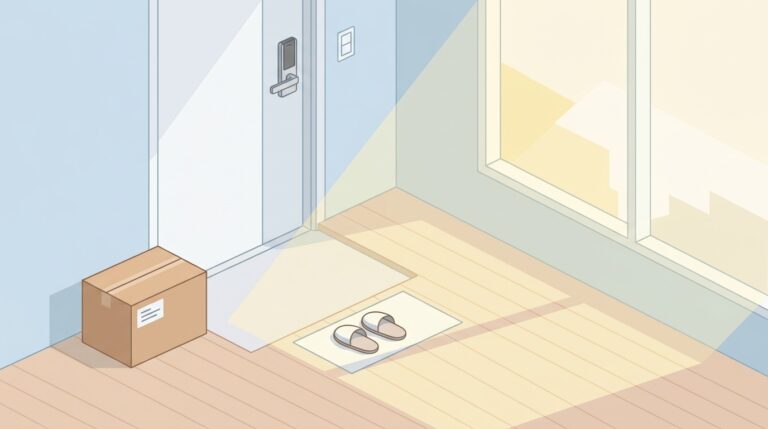
Imagine this scenario: You ordered a gorgeous, cozy fleece jacket or a limited-edition K-Pop album on Coupang. After an agonizing wait, your phone buzzes with an alert: ‘배송 완료’ (Delivery Complete), complete with a crisp snapshot of your doormat. Heart racing with excitement, you slip into your mismatched indoor slides, swing open the front door, and… silence. Nothing. Just an empty hallway floor.
Your heart instantly drops. Did someone take it? In South Korea—a country celebrated for leaving laptops unattended in cafes and packages resting safely on public hallways for days—a missing parcel feels bewildering. When this rare mishap strikes, panic sets in, especially if you dread making phone calls in Korean. You might wonder: Did the driver steal it? Is it sitting in another building? How do I even explain this in Korean without sounding rude or helpless?
Take a deep breath! Our team at Daily Hangul has guided hundreds of intermediate learners through this exact situation. In Korea’s lightning-fast delivery ecosystem, missing packages are almost always simple logistical hiccups rather than crimes. Today, you will master the exact B2-level phrasing, dispute etiquette, and social nuances to track down your missing parcel with confidence and tact.
Phase 2: Core Expressions Deep Dive
1. 배송 완료로 뜨는데 물건을 못 받았어요.
- Pronunciation: Baesong wanryoro tteuneunde mulgeoneul mot bad-asseoyo. (Phonetic tip: ‘Tteu’ sounds like popping the ‘tu’ in ‘tutu’ with vocal tension; ‘mot’ sounds like ‘mote’ with a crisp, clipped t-stop).
- Meaning: Literal: “It pops up as delivery complete, but I couldn’t receive the item.” vs Nuance: “The app says delivered, but my package is nowhere to be found.”
- K-Culture Moment: Seen in modern slice-of-life K-Dramas where a protagonist steps out in sweatpants, holding their smartphone horizontally to compare the courier’s photo with their actual door.
- Editor’s Insight: The verb 뜨다 (to float / to appear on a screen) is quintessentially natural in modern Korean tech contexts. Saying “뜨는데” avoids blaming the customer service agent while clearly stating the digital discrepancy.
- Situation Spectrum: Casual ⚠️ | Semi-formal ✅ | Formal ✅
- 🤔 Think About It: Notice how Korean uses indirect phrasing (it appears on screen) instead of direct confrontation (your company falsely claimed it arrived). How does this soften tension?
2. 기사님, 혹시 다른 호수에 두고 가신 건 아닌가요?
- Pronunciation: Gisanim, hoksi dareun hosue dudo gasin geon aningayo? (Phonetic tip: ‘Gisa-nim’ uses a soft ‘g’ like ‘guitar’, followed by the polite honorific ‘nim’).
- Meaning: Literal: “Driver-nim, by any chance, isn’t it that you left it at another unit number?” vs Nuance: “Could it have accidentally been dropped off at a neighbor’s door?”
- K-Culture Moment: The polite, face-saving text message sent to a parcel courier who handles over 300 boxes a day through complex Korean villa clusters.
- Editor’s Insight: Opening with 혹시 (by chance/perhaps) and ending in -ㄴ 건 아닌가요? (is it not the case that…?) creates a courteous cushion. It provides the courier an honorable out to say, “Ah, let me check!” without feeling attacked.
- Situation Spectrum: Casual 🚫 | Semi-formal ✅ | Formal ✅
- 🤔 Think About It: Why is it common practice in Korea to address couriers, taxi drivers, and technicians with the title 기사님 (Master/Technician-nim)?
3. 복도 CCTV를 확인해 봐야 할 것 같아요.
- Pronunciation: Bokdo CCTV-reul hwaginhae bwaya hal geot gat-ayo. (Phonetic tip: ‘Hwa-gin’ rhymes with ‘ha-geen’, and ‘gat-ayo’ has a smooth, rhythmic cadence).
- Meaning: Literal: “It seems like I ought to try checking the hallway CCTV.” vs Nuance: “We will probably need to check the building surveillance footage.”
- K-Culture Moment: The pivotal scene when a tenant politely visits the building’s 경비실 (security guard office) to review hallway footage together with the friendly security uncle.
- Editor’s Insight: Using -ㄹ 것 같아요 (it seems like / I think) avoids sounding aggressive or overly litigious while firmly signaling that you intend to resolve the issue systematically.
- Situation Spectrum: Casual ⚠️ | Semi-formal ✅ | Formal ✅
- 🤔 Think About It: In many Western countries, reviewing security tapes implies a serious crime. Why is checking CCTV in Korea seen as a standard, routine verification step?
Phase 3: Textbook Korean vs. Real Korean
Situation 1: Calling Customer Support about a Missing Box
- 📖 교과서 한국어: “제 소포가 도난당했습니다. 즉시 조사해 주십시오.” (Je sopoga donandanghaetseumnida. Jeuksi josahae jusipsio. – My parcel has been stolen. Please investigate immediately.)
- 🗣️ 진짜 한국어: “문 앞에 상자가 안 보여서요. 오배송인지 확인 부탁드립니다.” (Mun ape sangjaga an boyeoseoyo. Obaeseong-inji hwagin butakdeurimnida. – I can’t see the box outside my door. Could you please verify if it was misdelivered?)
- 💡 왜 다를까? Koreans rarely assume deliberate theft because parcel theft is exceptionally rare and severely penalized. Using 오배송 (misdelivery) reflects the most realistic scenario: a hurried driver mixed up identical doors.
Situation 2: Asking the Building Security Guard for Assistance
- 📖 교과서 한국어: “관리인님, 저를 위해 비디오를 재생해 주세요.” (Gwanri-innim, jeoreul wihae bidioreul jaesaenghae juseyo. – Custodian, please play the video for me.)
- 🗣️ 진짜 한국어: “경비 아저씨, 혹시 복도 CCTV 열람 요청 가능한가요?” (Gyeongbi ajeossi, hoksi bokdo CCTV yeollam yocheong ganeunghangayo? – Security guard uncle, would it be possible to request viewing the hallway CCTV?)
- 💡 왜 다를까? Addressing the guard as 경비 아저씨 combines warmth with respect. Meanwhile, using institutional vocabulary like 열람 요청 (request to inspect records) demonstrates polished intermediate proficiency.
Phase 4: K-Culture Deep Dive & Non-Verbal Manners
4-1. 눈치 (Nunchi) & Dispute Body Language
When dealing with delivery inquiries in Korea, emotional regulation is key. Couriers operate under immense time pressure to maintain Korea’s celebrated 당일 배송 (same-day delivery) standards.
* When Calling or Texting: Always start with an empathetic preamble: “바쁘신 중에 죄송합니다만…” (Sorry to bother you while you are busy…). This immediately disarms the driver.
* When Visiting the Security Office (경비실): Perform a slight 15-degree bow, present your smartphone screen showing the delivery photo using both hands, and speak with a calm, collaborative posture. Never point fingers or demand immediate blame.
4-2. Cultural Code: The Logic of ‘문 앞 배송’ (Doorstep Drop-off)
Korea’s doorstep delivery system functions on an unspoken social contract backed by ubiquitous technology. High-resolution hallway cameras, dashboard cameras in parked vehicles (블랙박스), and strict laws against tampering with mail make package theft virtually suicidal for petty thieves. Consequently, over 95% of ‘missing’ items are simply placed at the entrance of the adjoining villa building, deposited in the 무인택배함 (unmanned parcel locker), or kept safe in the guard booth.
Phase 5: Real-Life Roleplay Scenario
Setting: You live in Unit 301 of a standard multi-family villa in Mapo-gu. Your winter delivery is marked “배송 완료”, but your hallway floor is empty. You call the courier, Mr. Choi, whose direct contact was included in the automated text notification.
Turn 1 (Learner):
“여보세요, 기사님? 바쁘신 중에 죄송합니다.” (Yeoboseyo, gisanim? Bappeusin junge joesonghamnida. – “Hello, driver-nim? I’m sorry to bother you while you’re busy.”)
🎭 [조심스럽고 정중한 어조로 핸드폰을 귀에 대며]
Turn 2 (Courier – 최 기사님):
“네, 배송 중입니다! 무슨 일이시죠?” (Ne, baesong jung-imnida! Museun irisijyo? – “Yes, delivering right now! What can I do for you?”)
🎭 [트럭 시동 소리와 거친 숨소리가 배경으로 들림]
Turn 3 (Learner):
“방금 301호 배송 완료 문자 받았는데 문 앞에 상자가 없어서요.” (Banggeum sambek-il-ho baesong wanryo munja bad-anneunde mun ape sangjaga eobs-eoseoyo. – “I just got the delivery confirmation for Unit 301, but there is no box outside my door.”)
🎭 [복도 바닥을 다시 둘러보며 당황스러운 표정]
Turn 4 (Courier):
“어라? 제가 아까 문 앞에 두고 사진까지 찍었는데요… 사진 확인해 보셨어요?” (Eora? Jega akka mun ape dudo sajin-kkaji jigeotneundeyo… Sajin hwaginhae bosyeosseoyo? – “Huh? I left it by the door earlier and took a picture… Did you check the photo?”)
🎭 [기계를 멈추고 기억을 되짚어보는 톤]
Turn 5 (Learner):
“네, 봤는데 사진 속 도어록 모양이 저희 집이랑 달라 보여서요. 혹시 옆 동 102동에 두신 건 아닌가요?” (Ne, bwatneunde sajin sok doeorok moyang-i jeohui jibirang dalla boyeoseoyo. Hoksi yeop dong baek-i-dong-e dusin geon aningayo? – “Yes, I saw it, but the digital door lock in the picture looks different from ours. Could you perhaps have left it at Building 102 next door?”)
🎭 [사진을 손가락으로 확대하며 차분하게 설명]
Turn 6 (Courier):
“아이고! 거기가 햇살빌라 101동 맞죠? 제가 102동 301호 앞에 뒀나 봅니다. 정말 죄송합니다!” (Aigo! Geogiga Haetsal-billa baek-il-dong matjyo? Jega baek-i-dong sambek-il-ho ape dwotna bomnida. Jeongmal joesonghamnida! – “Oh dear! That’s Haetsal Villa 101, right? I must have left it in front of 301 in Building 102. I am so sorry!”)
🎭 [이마를 탁 치며 다급하게 사과]
Turn 7 (Learner):
“아니에요, 괜찮습니다! 제가 지금 102동 가서 찾아볼게요.” (Anieyo, gwaenchanseumnida! Jega jigeum baek-i-dong gaseo chaj-abolgeyo. – “No worries at all! I’ll head over to Building 102 right now and pick it up.”)
🎭 [안도의 한숨을 쉬며 미소를 지음]
Turn 8 (Courier):
“정말 감사합니다, 고객님! 혹시라도 없으면 바로 다시 연락 주세요!” (Jeongmal gamsahamnida, gogaeknim! Hoksirado eobs-eumyeon baro dasi yeonlak juseyo! – “Thank you so much! If it’s not there for any reason, please call me right back!”)
🎭 [진심 어린 고마움을 담아 화답]
🔀 Interactive Decision Point
What should you do if the driver claims the photo is 100% correct, but your door is empty?
* Option A: Shout, “지금 당장 가져오지 않으면 경찰에 고소할 거예요!” (Bring it right now or I’ll sue you!)
👉 Feedback [Bad]: Aggressive threats immediately shut down communication and violate societal norms over an administrative error.
* Option B: Say, “사진 다시 확인해 주시고, 안 되면 고객센터에 분실 접수하겠습니다.” (Please double-check the photo, and if unresolved, I will file a missing parcel report with customer service.)
👉 Feedback [Best]: Professional, firm, and follows the correct procedural hierarchy without creating bad blood.
* Option C: Leave a 1-star review silently on the shopping app without contacting anyone.
👉 Feedback [Risk]: The driver receives a penalty deduction, but your package remains lost and you gain no resolution.
Phase 6: 10-Second Emotion Shadowing Drill
Practice matching the cadence, natural pauses (/), and emotional tones:
[😟 배려심과 걱정이 섞인 톤]
“배송 완료로 뜨는데… / 문 앞에 / 물건이 안 보여서 연락드렸어요.”
(Baesong wanryoro tteuneunde… / mun ape / mulgeoni an boyeoseo yeonlakdeuryeosseoyo.)-
[🤔 차분하게 정황을 짚어줄 때]
“사진 속 계단 타일 색깔이 / 저희 빌라랑 / 조금 다른 것 같아요.”
(Sajin sok gyedan tail saekkkari / jeohui billarang / jogeum dareun geot gat-ayo.) -
[🤝 문제를 원만하게 매듭지을 때]
“제가 경비실에 먼저 확인해 보고 / 다시 문자 남겨드릴게요!”
(Jega gyeongbisire meonjeo hwaginhae bogo / dasi munja namgyeodeurilgeyo!)
Phase 7: K-Culture Mini Dictionary
- 오배송 (O-bae-song) | Noun: Misdelivery
Used when an item is delivered to the wrong house, building, or recipient by mistake. - 무인택배함 (Mu-in-taek-bae-ham) | Noun: Unmanned Smart Delivery Locker
Automated locker banks located at apartment lobbies or subway stations where drivers deposit goods safely. - 문 앞 (Mun-ap) | Noun phrase: Doorstep / Front of the door
The standard delivery preference selected by default on all Korean e-commerce platforms. - 경비실 (Gyeong-bi-sil) | Noun: Building Security / Guard Office
The community hub of Korean apartment complexes where lost packages are routinely turned in.
Phase 8: Traveler’s Survival Kit
Top 3 Survival Expressions
- “택배 어디에 맡기셨나요?” (Taekbae eodie matgisyeotnayo? – Where did you leave the parcel?)
Pro Tip: Use this text template if you get a delivery alert while staying at an Airbnb or officetel. - “사진 속 장소를 못 찾겠어요.” (Sajin sok jangso-reul mot chatget-eoyo. – I can’t locate the place in the photo.)
Pro Tip: Ideal when staying in large apartment complexes where all stairwells look identical. - “상담원 연결 부탁드립니다.” (Sangdam-won yeon-gyeol butakdeurimnida. – Please connect me to a human representative.)
Pro Tip: Say this when trapped in automated AI chatbot loops on Coupang or Baemin.
Editor’s Travel Note
Always keep track of your incoming parcels by checking tracking status via the official carrier websites or through the 스마트택배 앱 다운로드 (Smart Baesong app download). If you are ordering to a shared hostel or guesthouse, always write your room number and nickname in the delivery notes: “부재 시 문 앞 (방 번호 기재)”.
Phase 9: Deep Dive Essay (“한 발 더 깊이”)
The miracle of Korea’s unattended delivery system is grounded in a deep sociological balance of high social trust and pervasive collective accountability. Leaving valuable merchandise on doormats for hours without locked gates reflects an implicit civic expectation that nobody touches what is not theirs. However, when an error occurs, resolving the issue tests your grasp of 정 (Jeong – relational warmth) and 배려 (Baeryeo – consideration). In Korea, handling a missing package isn’t a legal battleground; it’s a cooperative puzzle where both parties work to locate an honest mix-up. Approaching the situation with understanding rather than accusation will resolve your issue tenfold faster.
💬 Your Turn: Have you ever experienced a missing package in your home country versus Korea? How do delivery disputes differ where you live? Leave a comment below and share your story!
Phase 10: FAQ & Common Mistakes
Q: What if the delivery photo shows a door completely different from mine?
A: Take a clear photo of your own front door (showing your unit number and doormat) and text it directly to the courier’s number: “기사님, 301호 거주자입니다. 보내주신 배송 사진과 문 색깔이 달라서 사진 첨부해 드립니다.” (Driver-nim, I am the resident of Unit 301. The door color is different from the photo sent, so I am attaching a picture). Couriers recognize their delivery routes and can pinpoint the error immediately.
Q: Can I call 112 (Police) right away if my box is gone?
A: Please avoid jumping straight to calling the police. Over 99% of missing packages in Korea are misdeliveries or temporarily held at the security office. Calling the police immediately creates unnecessary distress. Always contact the courier first, check with the building guard, and allow the delivery company 24 hours to investigate.
Q: What if the courier does not answer their phone?
A: Couriers driving on tight delivery schedules often cannot pick up phone calls. Send a concise text message instead. If there is no response within 2 hours, open your shopping app (e.g., Coupang, Naver Shopping), find your order history, and submit a 미수령 신고 (Non-receipt Report) to let customer service handle the compensation directly.
🚨 Common Mistakes Alert
- Calling the Courier at 11:00 PM: Couriers begin work at dawn. Texting late at night is considered impolite. Send an SMS the next morning at 8:30 AM or contact 24-hour in-app chat support.
- Using Accusatory Words like ‘도둑’ (Thief): Accusing anyone of theft destroys goodwill instantly. Stick to logistical terms like 오배송 (misdelivery) or 위치 확인 (location check).
- Throwing Away the Tracking Number (운송장 번호): Always retain the digital tracking number sent via KakaoTalk or SMS until the package is physically opened.
Phase 11: Action Missions
- 🥉 Bronze Mission: Read the Core Expression #1 aloud three times using the shadowing pause marks: “배송 완료로 뜨는데… / 물건을 못 받았어요.”
- 🥈 Silver Mission: Draft a mock SMS to a courier reporting a missing delivery at Unit 402 and share it in the comment section for feedback.
- 🥇 Gold Mission: Walk to your building’s ground floor or lobby area, locate the 무인택배함 (smart parcel locker), and read the instructional buttons in Korean.
- 🎮 K-Culture Mission: In the next K-Drama you watch, look out for how courier packages are placed outside apartment doors and spot how characters react to deliveries!
Phase 12: Interactive Quiz Challenge
1. Situation Judgment: You received a text saying your package is delivered, but your doorstep is empty. What is the most polite and effective first step?
* A) Post an angry complaint on social media
* B) Text the courier with a photo of your front door asking about a possible misdelivery
* C) Call the police and report a theft
2. Fill in the Blank: Complete the natural B2-level phrase:
“기사님, 혹시 다른 호수에 ______ 가신 건 아닌가요?”
* A) 버리고 (abandoned)
* B) 두고 (left/placed)
* C) 숨기고 (hid)
3. True or False: In Korea, if a package is missing, contacting the building’s 경비실 (security office) to inquire about CCTV or held parcels is a standard and acceptable step.
* [True / False]
👉 Click here to reveal the answers and explanations!
- Answer: B. Texting the courier with an image of your door politely clarifies any mix-up without confrontation.
- Answer: B (두고). “두고 가다” means “to leave behind / place something somewhere”.
- Answer: True. Security guards in Korea regularly help residents cross-check CCTV recordings or retrieve misdelivered packages kept safe in the security office!







