

Phase 1: Empathy & Immersion
안녕하세요! 매일한글 (Daily Hangul) editor here!
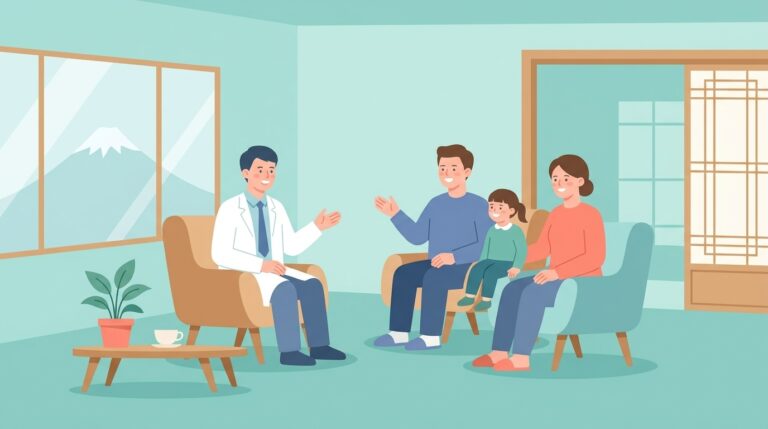
If you have ever watched intense K-Dramas like Doctor John (의사요한) or Hospital Playlist (슬기로운 의사생활), you have likely witnessed heart-wrenching scenes where doctors and families huddle in hospital corridors, grappling with agonizing medical dilemmas. A doctor bows their head, voice trembling, and asks whether to continue life support, while the family breaks down between the traditional Confucian duty of filial piety (Hyo, 효) and the patient’s right to leave this world with dignity (Joneom-sa, 존엄사).
When living in Korea, navigating complex ethical dialogues—such as end-of-life care, advance directives, and patient autonomy—can feel overwhelming. At a C1 level, simple vocabulary like “아파요” (It hurts) or “치료해 주세요” (Please treat me) is no longer enough. You need the precision, cultural tact, and sophisticated vocabulary to discuss bioethics, palliative choices, and legal frameworks without causing unintended misunderstandings. Based on feedback from our advanced learners working in medical, legal, and expatriate consulting fields in Seoul, this guide will equip you to articulate profound ethical stances with native-level grace.
Phase 2: Top 3 Core Expressions in Depth
1. 무의미한 연명치료를 중단하다 (Muuimihan yeonmyeongchiryoreul jungdanhada)
- Pronunciation: [Muuimihan yeon-myeong-chi-ryo-reul jung-dan-ha-da] (Think of “Moo-ee-mee-hahn” like “movie” without the ‘v’, and “yeon-myeong” sounding like ‘yawn-myung’ said smoothly)
- Meaning: Literal: “To stop meaningless life-extending treatment” | Nuance: Withdrawing non-beneficial, invasive life support to allow natural, dignified transition.
- K-Culture Moment: Commonly heard in medical dramas during ethical board meetings or intensive care unit (ICU) family consultations when CPR, ventilators, and hemodialysis offer no therapeutic recovery.
- Editor’s Insight: In Korean bioethics, the legal phrasing deliberately uses 무의미한 연명치료 (non-beneficial life-sustaining treatment) rather than broad terms like euthanasia (안락사). It emphasizes medical futility rather than giving up on life.
- Situation Spectrum: Casual 🚫 | Semi-formal ⚠️ | Formal ✅
- 🤔 Think About It: Why does Korean healthcare emphasize “meaninglessness/futility” (무의미) rather than merely the “cessation of life”? How does this protect both the physician’s conscience and the patient’s dignity?
2. 사전연명의료의향서를 작성하다 (Sajeon-yeonmyeong-uiryo-uihyangseoreul jakseonghada)
- Pronunciation: [Sa-jeon-yeon-myeong-ui-ryo-ui-hyang-seo-reul jak-seong-ha-da] (Pronounce ‘ui’ as a soft, fluid blend of ‘oo-ee’)
- Meaning: Literal: “To fill out an Advance Directive for Life-Sustaining Treatment” | Nuance: Formally recording one’s legal will regarding end-of-life medical decisions while still possessing sound mental capacity.
- K-Culture Moment: Featured frequently in Korean documentaries on “Well-Dying” (웰다잉), where seniors visit community centers to relieve their children of future decision-making guilt.
- Editor’s Insight: Under the Act on Decisions on Life-Sustaining Treatment enacted in Korea, this specific legal document is pivotal. Using this precise terminology shows acute legal and cultural literacy.
- Situation Spectrum: Casual 🚫 | Semi-formal ✅ | Formal ✅
- 🤔 Think About It: In your culture, is signing an advance directive seen as an individualistic decision or something that requires the consensus of the entire extended family?
3. 환자의 자기결정권을 존중하다 (Hwanjaui jagigyeoljeonggweoneul jonjunghada)
- Pronunciation: [Hwan-ja-ui ja-gi-gyeol-jeong-gwo-neul jon-jung-ha-da] (Flow smoothly from ‘gyeol’ to ‘jeong’ like ‘g-yull-jung’)
- Meaning: Literal: “To respect the patient’s right to self-determination” | Nuance: Prioritizing the individual’s autonomous values and medical preferences over paternalistic institutional decisions or familial pressure.
- K-Culture Moment: Used by ethicists, lawyers, and progressive doctors advocating for patient rights on Korean current affairs debate shows like 100-Minute Debate (100분 토론).
- Editor’s Insight: Korean medical culture historically leaned heavily toward familial paternalism (where adult children made decisions without telling the terminal patient their diagnosis). This phrase marks modern Korea’s paradigm shift.
- Situation Spectrum: Casual ⚠️ | Semi-formal ✅ | Formal ✅
- 🤔 Think About It: How does “self-determination” balance against collective filial piety in tight-knit societal structures?
Phase 3: Textbook Korean vs. Real Native Korean
Situation 1: Discussing whether a terminal patient should continue CPR/Ventilators
- 📖 Textbook Korean: 환자가 죽을 수 있으니 기계를 끄는 것을 찬성합니까? (Hwanjaga jugeul su isseuni gigyereul kkeuneun geoseul chanseonghamnikka? – Do you agree with turning off the machine because the patient might die?)
- 🗣️ Real Native Korean (C1 Sophistication): 환자분의 인간다운 임종을 위해 무의미한 연명치료 유보를 신중히 검토할 시점입니다. (Hwanjabunui ingandawun imjongeul wihae muuimihan yeonmyeongchiryo yuboreul sinjunghi geomtohal sijeomimnida. – It is time to carefully consider withholding futile life support to ensure a dignified, humane end for the patient.)
- 💡 Why is it different?: Directly mentioning “죽다” (dying) or “기계를 끄다” (turning off machines) sounds abrasive, cold, and legally imprecise in Korean medical settings. Natives utilize refined bioethical terms like 임종 (deathbed/transition) and 유보/중단 (withholding/withdrawing).
Situation 2: Expressing one’s personal philosophy regarding end-of-life care
- 📖 Textbook Korean: 저는 늙으면 고통 없이 바로 안락사하고 싶어요. (Jeoneun neulgeumyeon gotong eopsi baro anraksahago sipeoyo. – When I get old, I want to be euthanized right away without pain.)
- 🗣️ Real Native Korean (C1 Sophistication): 훗날 회생 가능성이 희박해진다면, 품위 있는 삶의 마무리를 위해 조력존엄사나 완화의료를 선택하고 싶습니다. (Hunnal hoesaeng ganeungseongi huibak-haejindamyeon, pumwi inneun samui mamurireul wihae joryeokjoneomsa-na wanhwauiryoreul seontaekhago sipseumnida. – If the likelihood of recovery becomes negligible in the future, I would prefer assisted dying with dignity or palliative care for a graceful closure to life.)
- 💡 Why is it different?: The blanket word 안락사 (euthanasia) carries historical and legal taboos. Advanced speakers distinguish between active euthanasia, 조력존엄사 (physician-assisted dignified dying), and 호스피스 완화의료 (palliative hospice care).
Phase 4: K-Culture Deep Dive & Non-Verbal Etiquette
4-1. Nunchi & Non-Verbal Manners in Solemn Contexts
- Tone & Volume: When participating in serious medical or ethical discussions in Korea, lower your vocal register by an octave. Avoid sharp, assertive pitch peaks. A measured, steady tempo communicates empathy and emotional maturity.
- Postural Deference: Keep your hands lightly folded in your lap or on the table. When listening to a doctor or an elderly family member, nod slowly (묵직한 끄덕임) with your eyes focused slightly below their gaze line to show solemn contemplation rather than confrontational eye contact.
- The Heavy Silence (침묵의 예의): Never rush to fill a silence after someone mentions terminal prognosis or palliative care. In Korean culture, a 3-to-5-second contemplative silence acknowledges the gravity of life and death.
4-2. Cultural Code: The Shift from Filial Piety (Hyo) to Well-Dying
Historically in Korea, admitting that a parent should discontinue life support was branded as unfilial (불효, Bul-hyo). Children felt obligated to pursue every invasive measure—even CPR that broke elderly ribs—to prove their devotion. However, with the implementation of the Well-Dying Act in 2018 and the massive popularity of Korean medical literature and cinema, Korean society has redefined filial piety: truly honoring one’s parents now means sparing them prolonged suffering and honoring their personal wishes.
Phase 5: Real-Life Roleplay Scenario
Setting: The Hospital Bioethics Committee room at a university medical center in Seoul.
Characters:
* Dr. Han (한 교수): Chair of the Hospital Ethics Committee, empathetic yet bound by medical regulations.
* Learner (당신): A relative / healthcare proxy speaking on behalf of a critically ill, elderly patient.
- Dr. Han: 환자분의 뇌기능 손상이 심각하여 현재 승압제와 인공호흡기에 전적으로 의존하고 계십니다. (Hwanjabunui noegineung sonsangi simgakhayeo hyeonjae seung-apjewa ingonghoheupgie jeonjeogeuro uijonhago gyesimnida.)
🎭 [Hands resting on the patient chart, looking up with a compassionate yet solemn gaze]
“The patient’s brain function is severely compromised, and they are currently entirely dependent on vasopressors and mechanical ventilation.” -
Learner: 교수님, 평소 어머님께서 무의미한 연명치료는 원치 않는다고 누차 강조하셨습니다. (Gyosunim, pyeongso eomeonimkkeseo muuimihan yeonmyeongchiryoneun wonchi anneundago nucha gangjohasyeotseumnida.)
🎭 [Speaking in a calm, respectful, yet resolute tone, maintaining upright posture]
“Professor, my mother repeatedly emphasized during her lucid days that she did not want futile life-sustaining procedures.” -
Dr. Han: 혹시 환자분께서 생전에 국립연명의료관리기관에 사전의향서를 등록해 두셨습니까? (Hoksi hwanjabunkkeseo saengjeone gungnibyeonmyeong-uiryogwalli-gigwane sajeon-uihyangseoreul deungnokhae dusyeotseumnikka?)
🎭 [Reviewing the institutional terminal registration records]
“Did the patient happen to register an Advance Directive with the National Agency while they were capable?” -
Learner: 네, 작년에 직접 서명하셨고, 가족들에게도 확고한 뜻을 전달하셨습니다. (Ne, jagnyeone jikjeop seomyeonghasyeotgo, gajokdeuregedo hwakkohan tteuseul jeondalhasyeotseumnida.)
🎭 [Placing a certified copy on the table gently with both hands]
“Yes, she signed it in person last year and conveyed her unwavering intentions to the entire family.” -
Dr. Han: 가족분들 전원의 의견 일치 여부도 법적 절차상 매우 중요합니다. 이견은 없으신가요? (Gajokbundeul jeonwonui uigyeon ilchi yeobudo beopjeok jeolchasang maeu jung-yohamnida. Igyeoneun eopseusingayo?)
🎭 [Inquiring carefully to prevent potential intra-family legal disputes]
“Unanimous agreement among immediate family members is legally crucial. Are there any conflicting views?” -
Learner: 네, 모든 직계가족이 모여 어머니의 자기결정권을 온전히 존중하기로 뜻을 모았습니다. (Ne, modeun jikkye-gajogi moyeo eomeoniui jagigyeoljeonggweoneul onjeonhi jonjunghagiro tteuseul moasseumnida.)
🎭 [Nodding solemnly to reassure the physician]
“Yes, all direct family members gathered and agreed to fully respect our mother’s right to self-determination.” -
Dr. Han: 알겠습니다. 그렇다면 연명의료 중단 이행 통보서를 작성하고 호스피스 완화 돌봄으로 전환하겠습니다. (Algetseumnida. Geureotdamyeon yeonmyeongchiryo jungdan ihaeng tongboseoreul jakseonghago hoseupiseu wanhwa dolbomeuro jeonhwanhagetseumnida.)
🎭 [Bowing head slightly in respect of the patient’s decision]
“Understood. In that case, we will complete the implementation form for life support withdrawal and transition to palliative hospice care.” -
Learner: 어머니께서 고통 없이 평안하게 가실 수 있도록 최선을 다해 주시길 부탁드립니다. (Eomeonikkeseo gotong eopsi pyeong-anhage gasil su itdorok choeseoneul dahae jusigil butakdeurimnida.)
🎭 [Bowing deeply with both hands clasping the chest in sincere gratitude]
“We kindly ask that you do everything possible so that our mother may pass peacefully without pain.”
🔀 Interactive Choice Point
At this juncture, if another relative suddenly enters and expresses doubt, how should you advocate for the patient’s registered wishes?
- Option A: “법적으로 다 끝났으니까 아무 말도 하지 마세요.” (Beopjeogeuro da kkeutnasseunikka amu maldo haji maseyo. – Everything is legally finished, so don’t say anything.)
- Option B: “어머님의 서약서와 존엄성을 위해, 고통을 연장하기보다 평온한 마무리를 돕는 것이 진정한 효도 아닐까요?” (Eomeonimui seoyakseowa joneomseongeul wihae, gotongeul yeonjanghagiboda pyeong-onhan mamurireul domneun geosi jinjeonghan hyodo anilkkayo? – For mother’s written pledge and dignity, wouldn’t helping her find peaceful closure be true filial love, rather than prolonging agony?)
- Option C: “그럼 마음대로 하세요. 저도 더는 신경 쓰고 싶지 않아요.” (Geureom maeumdaero haseyo. Jeodo deoneun singyeong sseugo sipji anayo. – Then do whatever you want. I don’t want to care anymore.)
Feedback:
* Option A (Bad): Far too aggressive and blunt. In Korean medical ethics conflicts, invoking legal finality aggressively damages family harmony and can lead to emotional friction.
* Option B (Best ✅): Perfectly balances legal clarity, emotional empathy, and Korean cultural values (진정한 효도 – true filial piety).
* Option C (Risk): Abandons patient advocacy and triggers serious guilt and ethical breakdown in a hospital environment.
Phase 6: 10-Second Emotional Shadowing Drill
Read these sentences aloud, respecting the pauses (/) and channeling the emotional state indicator:
[😔 차분하고 진중하게 / Calm and solemn]
환자분의 / 고통을 덜어드리고 / 인간다운 품위를 지켜드리는 것이 / 최선이라고 생각합니다.
(Hwanjabunui / gotongeul deoreodeurigo / ingandawun pumwireul jikyeodeurineun geosi / choeseonirago saenggakhamnida.)
“I believe easing the patient’s suffering and preserving their human dignity is the best course of action.”-
[🕊️ 단호하지만 따뜻하게 / Resolute yet compassionate]
무의미한 처치로 / 삶을 연장하기보다는, / 평온한 임종을 맞이하도록 / 곁을 지키겠습니다.
(Muuimihan cheochiro / sameul yeonjanghagibodaneun, / pyeong-onhan imjongeul majihadorok / gyeoteul jikigetseumnida.)
“Rather than extending life with futile procedures, I will stay by their side so they may welcome a peaceful end.”
Phase 7: K-Culture Mini Dictionary
- 연명의료 (Yeon-myeong-ui-ryo) | Life-Sustaining Treatment
Medical procedures (CPR, hemodialysis, anti-cancer drugs, mechanical ventilation) that merely extend the duration of the dying process without curative effect. - 웰다잉 (Wel-da-ing) | Well-Dying Culture
A widely embraced contemporary Korean sociological movement advocating for holistic preparation for death, including estate planning, family reconciliation, and dignified end-of-life decisions. - 호스피스 완화의료 (Ho-seu-pi-seu Wan-hwa-ui-ryo) | Hospice & Palliative Care
Specialized multidisciplinary care aimed at relieving physical pain and psychosocial distress for terminal patients and their families. - 임종 (Im-jong) | Deathbed / The Moment of Passing
A sacred Korean term denoting the final hours of life. Often paired with 임종을 지키다 (to watch over someone’s final moments).
Phase 8: Practical Living & Medical Survival Kit
Survival Expressions TOP 3
- DNR 동의서에 대해 설명해 주시겠습니까? (DNR dong-uiseoe daehae seolmyeonghae jusigetseumnikka?)
Pro Tip: DNR (Do Not Resuscitate) is universally recognized in Korean university hospitals alongside 심폐소생술 금지 동의서. - 통증 조절을 위한 완화 치료가 가능한가요? (Tongjeung jojeoreul wihan wanhwa chiryoga ganeunghangayo?)
Pro Tip: Use this when requesting continuous pain management (like PCA pumps) without aggressive interventions. - 임종 단계에서 가족 면회가 어떻게 제한되나요? (Imjong dangyeeoseo gajok myeonhoega eotteoke jehandoenayo?)
Pro Tip: Essential during specialized ICU or quarantine regulations in Korean hospitals.
Editor’s Travel & Living Note
If you reside in Korea or hold long-term residency (F-series or E-series visas), you can legally register your own end-of-life care preferences. Explore the official National Agency for Management of Life-Sustaining Treatment Portal to find designated registration centers across Seoul, Busan, and regional health centers. Remember that foreign nationals registered under the National Health Insurance service have full rights to log their advance directives with an English-interpreting consultant at designated tertiary hospitals.
Phase 9: “A Step Deeper” (Philosophical Reflection)
Korean bioethics sits at an extraordinary intersection of rapid technological modernism and ancient neo-Confucian heritage. For centuries, physical bodily preservation (신체발부 수지부모, the idea that your body is a gift from parents not to be harmed) dictated moral virtue. Today, that very concept of love and duty has transformed into safeguarding the autonomy and tranquility of the soul’s departure. Discussing end-of-life care in Korean is not a bleak conversation about death; it is a profound testament to love, respect, and mature closure.
💬 Your Turn: How does your home country’s legal and cultural framework approach advance directives and dignified death compared to Korea’s Well-Dying legislation? Share your thoughts below in Korean or English!
Phase 10: FAQ & Common Mistakes
Q: Is active euthanasia (안락사) legal in South Korea?
A: No. Active voluntary euthanasia (administering a lethal substance) remains illegal under Korean criminal law. However, “passive euthanasia” in the form of withholding or withdrawing futile life-sustaining treatment (연명의료 중단) under strict medical and legal criteria has been legal since the 2018 Life-Sustaining Treatment Decision Act.
Q: Can a foreigner register an Advance Directive (사전연명의료의향서) in Korea?
A: Yes! Foreign residents aged 19 or older with valid Alien Registration Cards (Foreigner Registration Cards) can legally register their directive at any designated institution nationwide free of charge.
Q: What is the difference between 존엄사 (Dignified Death) and 안락사 (Euthanasia)?
A: 존엄사 focuses on letting nature take its course by stopping artificial machines when recovery is scientifically impossible, while 안락사 historically implies direct medical intervention to terminate life prematurely. Korean legal and public discourse strongly favors 존엄사 and 웰다잉.
🚨 Common Mistakes Warning Board
- Mistake: Using “죽이다” (to kill) or “포기하다” (to give up) when discussing end-of-life choices.
Correct Action: Use 연명의료를 유보/중단하다 (withhold/withdraw life-prolonging measures) or 자연스러운 임종을 맞이하다 (welcome a natural passing). - Mistake: Using informal casual forms (반말) during emotionally charged hospital discussions with doctors.
Correct Action: Always maintain high formal honorifics (하십시오체 / 해요체 with 시 honorific suffix, e.g., 환자분께서 원하셨습니다). - Mistake: Confusing 안락사 with 호스피스 완화의료.
Correct Action: Specify 호스피스 완화의료 when discussing holistic hospice pain relief rather than euthanasia.
Phase 11: Action Missions
- 🥉 Bronze Mission: Read Phase 6’s Emotional Shadowing Drill out loud 3 times. Focus on smooth intonation of 자기결정권 and 무의미한 연명치료.
- 🥈 Silver Mission: Write a 2-sentence reflection in Korean using the terms 존엄사 and 웰다잉 in the comments or on your language study journal.
- 🥇 Gold Mission: Watch an episode of a Korean medical drama (such as Doctor John Episode 1 or Hospital Playlist) and write down 3 ethical terms you spot in the hospital ethics committee scene.
- 🎮 K-Culture Mission: Search the keyword “사전연명의료의향서” on YouTube to watch a 5-minute Korean public service documentary to hear how native seniors articulate their wishes with peace and dignity.
Phase 12: Interactive Quiz Challenge
Quiz 1. Situation Judgement
A physician asks about a comatose terminal patient’s wishes. Which response represents the most culturally respectful, C1-level Korean sentence?
* (A) 그냥 기계 끄고 죽게 놔두세요. (Just turn off the machine and let them die.)
* (B) 환자의 생전 뜻에 따라 무의미한 연명치료를 중단하고 편안한 임종을 돕고 싶습니다. (In accordance with the patient’s wishes in life, we wish to cease futile life-sustaining treatment and support a comfortable passing.)
* (C) 우리는 아무것도 결정할 수 없으니 병원이 알아서 하세요. (We can’t decide anything, so hospital do whatever.)
🔍 Click here to reveal the answer & explanation!
Correct Answer: (B)
Explanation: (B) employs refined bioethical phrasing (생전 뜻, 무의미한 연명치료 중단, 편안한 임종) and demonstrates profound respect. (A) is extremely offensive and vulgar, while (C) abdicates family duty in a disrespectful tone.
Quiz 2. Fill in the Blank
Complete the sentence using the legal term for pre-recording one’s end-of-life care decisions:
“건강할 때 미리 자신의 연명의료 중단 의사를 밝혀두는 문서를 ( )(이)라고 합니다.”
🔍 Click here to reveal the answer & explanation!
Correct Answer: 사전연명의료의향서 (Advance Directive for Life-Sustaining Treatment)
Explanation: This official document records an individual’s intent regarding future life-sustaining treatments and hospice care before terminal illness incapacitates their decision-making capacity.
Quiz 3. True / False Cultural Check
Statement: In contemporary South Korea, choosing to withdraw non-beneficial life-sustaining treatments (연명의료 중단) under legal procedures is still uniformly condemned as an illegal act of unfilial impiety (불효).
🔍 Click here to reveal the answer & explanation!
Correct Answer: False (X)
Explanation: Since the passage of the 2018 Well-Dying Act, South Korean society and legal systems actively endorse respecting the patient’s autonomous wishes (자기결정권) and view a peaceful, dignified death as the ultimate expression of love and filial duty.







