

Master Korean Exam Study Phrases: Your Ultimate A1 Survival Guide
Phase 1: Welcome to the Midnight Study Session!
안녕하세요! 매일한글 에디터입니다. (Hello! This is your Daily Hangul editor.)
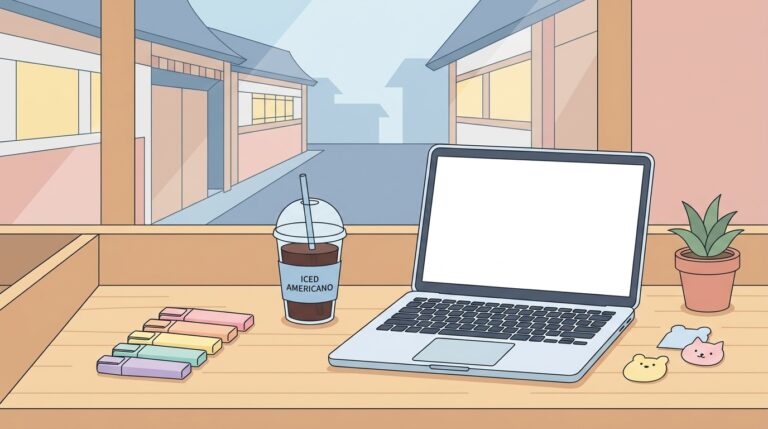
Picture this: It is 11:00 PM at a brightly lit 24-hour study cafe in Sinchon, Seoul. Around you, high school and university students are surrounded by towers of color-coded workbooks, sticky notes, and towering cups of iced Americano. If you have ever watched high school K-Dramas like Twenty-Five Twenty-One or Hierarchy, you know the sheer intensity and camaraderie of Korean exam season! Preparing for exams in Korea is not just about studying; it is a shared cultural ritual full of late-night snacks, mutual encouragement, and funny complaints. For absolute beginners (A1), stepping into this world can feel intimidating when all you know is textbook greetings. But do not worry! With just three simple phrases, you can instantly connect with classmates, bond over study fatigue, and cheer each other on like true study buddies.
Phase 2: Top 3 Essential Study Expressions
1. 같이 공부해요 (Gachi gongbuhaeyo)
- Pronunciation: [Ga-chi gong-bu-hae-yo] (Sounds like ‘Gah-chee’ + ‘Gong-boo-hay-yo’)
- Meaning: Literal: “Together study let’s” vs. Real Nuance: “Let’s study together! / Wanna study with me?”
- K-Culture Moment: The classic line spoken in the library when a cute classmate slides a carton of banana milk across the desk.
- Editor’s Insight: 같이 (gachi) means ‘together’. Adding it before any polite verb instantly turns an individual task into a friendly team effort.
- Situation Spectrum: Casual: ⚠️ (Use 같이 공부하자 with close friends) | Semi-formal: ✅ (Perfect for peers/classmates) | Formal: ⚠️
- 🤔 Think About It: Why does Korean culture emphasize doing tasks ‘together’ (같이) rather than alone even during individual exam prep?
2. 벼락치기 해요 (Byeorakchigi haeyo)
- Pronunciation: [Byeo-rak-chi-gi hae-yo] (Sounds like ‘Byuh-rock-chee-gee’ + ‘Hay-yo’)
- Meaning: Literal: “Lightning striking do” vs. Real Nuance: “I’m cramming / pulling an all-nighter right before the test.”
- K-Culture Moment: The relatable moment when students realize the midterm exam is tomorrow morning and rush to open chapter one.
- Editor’s Insight: 벼락 means a lightning bolt. Cramming is metaphorically described as working with the speed and intensity of lightning!
- Situation Spectrum: Casual: ✅ | Semi-formal: ✅ | Formal: 🚫
- 🤔 Think About It: What weather or nature metaphors does your native language use for last-minute studying?
3. 시험 잘 보세요 (Siheom jal boseyo)
- Pronunciation: [She-hum jal bo-se-yo] (Sounds like ‘See-hum jahl bo-say-yo’)
- Meaning: Literal: “Exam well see/look” vs. Real Nuance: “Good luck on your exam! / Do well on your test!”
- K-Culture Moment: Group chats blowing up with heart stickers and gift coupons for chocolate on exam morning.
- Editor’s Insight: In Korean, you do not ‘take’ (취하다) an exam; you ‘see’ (보다) an exam. 잘 means ‘well’, so you are wishing them to view the questions clearly and answer successfully.
- Situation Spectrum: Casual: ⚠️ (Use 시험 잘 봐 for close friends) | Semi-formal: ✅ | Formal: ✅
- 🤔 Think About It: In English, we say ‘Good luck’, but Korean focuses on the action: ‘See it well’. How does this reflect proactive effort?
Phase 3: Textbook Korean vs. Real Korean
Situation 1: Expressing that you are completely exhausted from studying
- 📖 교과서 한국어: 저는 지금 매우 피곤합니다. (Jeoneun jigeum maeu pigonhamnida. / I am very tired right now.)
- 🗣️ 진짜 한국어: 졸려 죽겠어요! (Jollyeo jukgesseoyo! / I’m dying of sleepiness!)
- 💡 왜 다를까? Native speakers frequently attach ~죽겠다 (~dying of) to exaggerate everyday physical feelings like sleepiness or hunger.
Situation 2: Asking if someone finished studying
- 📖 교과서 한국어: 시험공부를 모두 마쳤습니까? (Siheomgongbureul modu machyeosseumnikka? / Have you finished all exam study?)
- 🗣️ 진짜 한국어: 공부 다 했어요? (Gongbu da haesseoyo? / Are you all done studying?)
- 💡 왜 다를까? Everyday spoken Korean shortens formal sentences using the handy adverb 다 (da, meaning ‘all/completely’).
Phase 4: K-Culture Deep Dive & Non-Verbal Manners
4-1. 눈치 (Nunchi) & Study Etiquette
- Silent Typing in Study Cafes: In Korean Study Cafes (스카 – Seuka), absolute silence is expected. Use silicone keyboard covers and whisper if you must speak.
- Two-Hand Snack Sharing: When offering an energy drink or snack to a study partner, hand it over with both hands or support your right forearm with your left hand as a polite gesture.
4-2. The Holy Trinity of Korean Study Fuel
- Iced Americano (아아 – Ah-Ah): Rain, snow, or shine, students drink iced coffee to stay awake.
- Bacchus & Energy Drinks: Gifting a small bottle of Bacchus (박카스) or chocolate before a test is a warm sign of support.
Phase 5: Real-Life Roleplay Scenario
Setting: A cozy university library lounge. You meet your Korean classmate, Minho (민호), who is holding two canned coffees.
- 민호 (Minho): 앤디 씨, 오늘 도서관에서 뭐 해요? (Andy, what are you doing at the library today?)
🎭 (앤디에게 따뜻한 캔커피를 건네며 / Handing a warm canned coffee to Andy) - 앤디 (Andy): 민호 씨, 고마워요! 저 내일 한국어 시험 있어요. (Thank you, Minho! I have a Korean exam tomorrow.)
🎭 (커피를 두 손으로 받으며 / Receiving the coffee with both hands) - 민호 (Minho): 아, 진짜요? 공부 많이 했어요? (Oh, really? Have you studied a lot?)
🎭 (걱정스러운 눈빛으로 물어보며 / Asking with a concerned look) - 앤디 (Andy): 아니요, 아직 못 했어요. 오늘 벼락치기 해요! (No, not yet. I am cramming today!)
🎭 (머리를 긁적이며 웃음 / Scratching head with a sheepish smile) - 민호 (Minho): 하하, 저도 내일 시험이에요. 우리 같이 공부해요! (Haha, I have an exam tomorrow too. Let’s study together!)
🎭 (맞은편 의자에 앉으며 / Sitting on the opposite chair) - 앤디 (Andy): 좋아요! 우리 같이 열심히 해요. (Sounds great! Let’s do our best together.)
🎭 (노트를 펼치며 / Opening the notebook) - 민호 (Minho): 중간에 졸리면 편의점 가요. (If we get sleepy later, let’s go to the convenience store.)
🎭 (주먹을 불끈 쥐며 파이팅 포즈 / Making a fist fighting pose) - 앤디 (Andy): 네! 내일 시험 잘 보세요! (Yes! Good luck on your exam tomorrow!)
🎭 (미소를 지으며 응원 / Smiling and cheering)
🔀 Interactive Choice Point
Minho yawns and says, “앤디 씨, 너무 졸려요…” (Andy, I’m so sleepy…). What will you say?
- Choice A: 같이 커피 마실래요? (Gachi keopi masillaeyo? / Shall we drink coffee together?)
- 👉 Feedback (Best): Friendly, practical, and uses 같이 naturally! 100 points.
- Choice B: 잠을 자세요. (Jameul jaseyo. / Sleep.)
- 👉 Feedback (Risk): A bit too blunt and robotic for a study partner.
- Choice C: 시험 망했어요. (Siheom manghaesseoyo. / I ruined the exam.)
- 👉 Feedback (Bad): Too pessimistic before you even finish studying!
Phase 6: 10-Second Emotion Shadowing Drill
Practice reading these with dynamic pitch and real emotions!
[🔥 의욕 넘치고 당차게 / Energetic & Determined]
우리 / 오늘 / 같이 공부해요! (U-ri / o-neul / ga-chi gong-bu-hae-yo!)[😱 당황스럽고 다급하게 / Panicked & Hurried]
어떡해요, / 오늘 밤에 / 벼락치기 해요! (Eo-tteok-hae-yo, / o-neul bam-e / byeo-rak-chi-gi hae-yo!)[💖 다정하고 진심 어린 응원 / Warm & Cheerful]
내일 / 시험 잘 보세요! / 파이팅! (Nae-il / si-heom jal bo-se-yo! / Pa-i-ting!)
Phase 7: K-Culture Mini Dictionary
- 스카 (Seu-ka) | Short for 스터디 카페 (Study Cafe). A popular quiet space equipped with Wi-Fi, desks, and private booths.
- 열공 (Yeol-gong) | Short for 열심히 공부 (Studying hard). Used in text messages as 열공하세요! (Study hard!).
- 파이팅 (Paiting / Fighting) | The universal Korean cheering phrase meaning “You can do it!” or “Good luck!”
- 밤샘 (Bamsaem) | Pulling an all-nighter. Often combined with 하다 (밤샘했어요 = I pulled an all-nighter).
Phase 8: Traveler & Student Survival Kit
- Survival Phrase 1: 여기 와이파이 비밀번호 뭐예요? (Yeogi waipai bimilbeonho mwoyeyo? / What is the Wi-Fi password here?)
- Pro Tip: Look at the bottom of your cafe receipt before asking—it is usually printed there!
- Survival Phrase 2: 콘센트 어디에 있어요? (Konsenteu eodie isseoyo? / Where is the electrical outlet?)
- Pro Tip: Essential when setting up your laptop in a busy university cafe.
- Survival Phrase 3: 조용히 해 주세요. (Joyonghi hae juseyo. / Please be quiet.)
- Pro Tip: Use only when someone is being excessively loud in a dedicated quiet zone.
- Editor’s Campus Note: If you want to find quiet 24-hour study spots near Korean universities, use the Naver Map app download to search for 스터디카페 or 24시 카페 with accurate real-time seat availability.
Phase 9: A Step Deeper (한 발 더 깊이)
In Korea, exam preparation is rarely a solitary struggle. The shared pressure of academic tests has fostered a unique culture of collective endurance (Jeong and solidarity). When Korean students say 같이 공부해요 or hand a friend a warm drink, it is an acknowledgment of mutual effort. It is not just about competing; it is about surviving the challenge together.
💬 Your Turn: What is the most memorable study habit or exam snack in your home country? Share with us in the comments below!
Phase 10: FAQ & Common Mistakes
Q: Can I use ‘시험 잘 봐’ with my professor?
A: No! 시험 잘 봐 is casual (Banmal). With a teacher or senior, you should say polite forms like 시험 잘 보세요 to peers, or thank your professor with 시험 열심히 보겠습니다 (I will do my best on the exam).
Q: What is the difference between ‘공부하다’ and ‘벼락치기하다’?
A: 공부하다 is the general verb ‘to study’. 벼락치기하다 specifically refers to cramming right before a deadline or test.
Q: Why do Koreans say ‘시험을 보다’ instead of ‘시험을 치다’?
A: Both are natural! 시험을 보다 (to see an exam) is the most common colloquial form, while 시험을 치다 (to hit/take an exam) is also widely used.
🚨 Common Mistakes Warning Board
- Mistake: Saying 행운을 빌어요 (Literal translation of ‘I wish you luck’) before an exam.
- Correct Action: Say 시험 잘 보세요! (행운을 빌어요 sounds like a dramatic movie line).
- Mistake: Confusing 같이 [gachi] pronunciation as [gat-i].
- Correct Action: Remember palatalization—it sounds smoothly like 가치 (ga-chi).
- Mistake: Forgetting the object particle with 공부.
- Correct Action: Say 한국어 공부해요 or 한국어를 공부해요 instead of mixing English word order.
Phase 11: Action Mission
- 🥉 Bronze Mission (Solo Practice): Say “내일 시험 잘 보세요!” aloud 5 times in front of your mirror with a bright smile.
- 🥈 Silver Mission (Social Connection): Send a message to a language exchange buddy: “오늘 같이 열공해요! 파이팅!”
- 🥇 Gold Mission (Real Life): Walk into a cafe, find a seat near an outlet, and order an 아이스 아메리카노 to start your study session.
- 🎮 K-Culture Mission: Watch any Korean high school drama episode and spot the characters shouting “파이팅!” before a test.
Phase 12: Interactive Quiz Challenge
1. Situation Decision: Your friend has an exam in two hours and hasn’t opened the book yet. What word describes this?
* A) 밤샘 (Bamsaem)
* B) 벼락치기 (Byeorakchigi)
* C) 눈치 (Nunchi)
2. Fill in the Blank: “Let’s study together tomorrow!” = 내일 ______ 공부해요!
3. True or False: Handing an energy drink with one hand casually to an older senior is standard polite etiquette in Korea. (True / False)
🔍 Click here to reveal Answers & Explanations!
- Answer: B) 벼락치기 (Byeorakchigi) – Last-minute cramming is called lightning striking!
- Answer: 같이 (gachi) – 내일 같이 공부해요!
- Answer: False – Always use two hands or support your arm when handing items to seniors or peers in polite settings.







