

Mastering Advanced Korean in Psychological Counseling: Introducing EMDR for Trauma
Phase 1: Empathy & Storytelling Opening
안녕하세요! 매일한글 에디터입니다. (Hello! This is your Daily Hangul editor.)
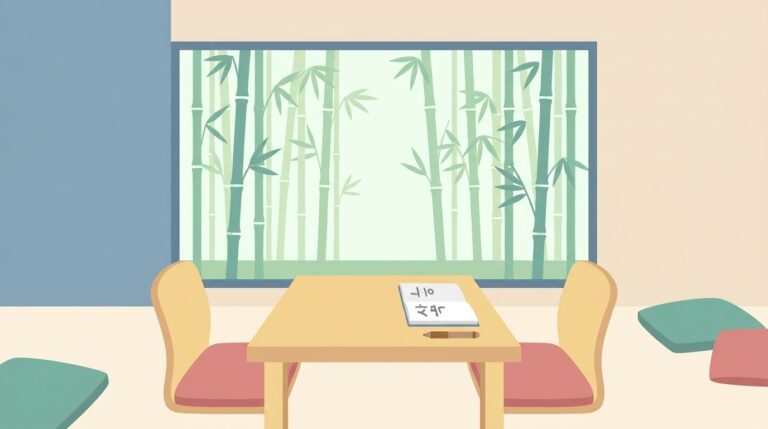
Imagine walking into a serene, wood-accented counseling clinic in the heart of Mapo-gu, Seoul. You hear the faint sound of bamboo water fountains and ambient lo-fi music. You are a mental health professional or an advanced clinical intern discussing evidence-based trauma modalities with a senior Korean psychiatrist or a trauma survivor. You want to recommend EMDR (안구운동 민감소실 및 재처리 요법), but clinical Korean at the C2 level demands more than just translation—it requires navigating somatic vocabulary, subtle emotional honorifics, and destigmatizing trauma in a high-context culture.
In popular K-dramas like It’s Okay to Not Be Okay (사이코지만 괜찮아) or Daily Dose of Sunshine (정신병동에도 아침이 와요), clinical discourse balances profound clinical precision with gentle emotional attunement. This guide is crafted directly from clinical supervisory feedback and advanced cognitive-behavioral Korean corpus studies. By mastering these nuanced, high-register expressions, you will communicate complex trauma interventions seamlessly, fostering clinical trust and therapeutic alliance.
Phase 2: In-Depth Breakdown of 3 Core C2 Expressions
1. 안구 운동을 통해 외상 기억의 민감도를 낮추다 (한글)
- Pronunciation: Angu undong-eul tonghae oesang gieog-ui mingamdoreul natchuda (Ahn-goo oon-dong-eul tong-hae we-sang gee-eok-ui meen-gam-doh-reul naht-choo-dah)
- Meaning: Literal: “Lower the sensitivity of traumatic memories through eye movements” | Nuance: Clinically explaining bilateral stimulation desensitization in a soothing, non-threatening manner.
- K-Culture Moment: A therapist explaining the mechanism of bilateral stimulation to an anxious protagonist in a medical drama.
- Editor’s Insight: Use “외상 기억” (traumatic memory) instead of raw colloquial terms like “끔찍한 일” to elevate the professional clinical register.
- Situation Spectrum: Casual 🚫 | Semi-formal ⚠️ | Formal/Clinical ✅
- 🤔 Think About It: How does framing trauma as a physiological “sensitivity” (민감도) rather than a permanent psychological flaw reduce stigma in Korean society?
2. 압도적인 신체화 반응을 그라운딩으로 가라앉히다 (한글)
- Pronunciation: Apdojeogin sinchehwa baneung-eul geuraunding-euro gara-anj-hida (Ahp-doh-jeok-in sheen-che-hwa bah-neung-eul geu-rah-oon-deeng-eu-roh gah-rah-ahn-chee-dah)
- Meaning: Literal: “Calm overwhelming somatic reactions with grounding” | Nuance: Acknowledging mind-body connection during flashback intrusion.
- K-Culture Moment: Guiding a client out of a panic-induced freeze state using sensory grounding cues in a counseling booth.
- Editor’s Insight: “신체화 반응” (somatization reaction) captures the deeply rooted Korean cultural expression of Hwabyung (화병) and somatic distress without invalidating the physical pain.
- Situation Spectrum: Casual 🚫 | Semi-formal ⚠️ | Formal/Clinical ✅
- 🤔 Think About It: Why does Korean psychology emphasize bodily sensations (몸의 감각) when addressing psychological wounds?
3. 억압된 정서적 트리거를 재처리하는 과정을 거치다 (한글)
- Pronunciation: Eogapdoen jeongseojeok teurigeoreul jaecheorihaneun gwajeong-eul geochida (Uhk-ahp-doen jung-suh-jeok teu-ree-guh-reul jae-chuh-ree-ha-neun gwa-jung-eul guh-chee-dah)
- Meaning: Literal: “Undergo the process of reprocessing repressed emotional triggers” | Nuance: Reassuring the client that revisiting distress is a deliberate, structured reprocessing phase.
- K-Culture Moment: A clinical case presentation where an EMDR specialist discusses a patient’s breakthrough in processing acute PTSD.
- Editor’s Insight: “재처리” (reprocessing) highlights cognitive restructuring rather than passive memory recall.
- Situation Spectrum: Casual 🚫 | Semi-formal ⚠️ | Formal/Clinical ✅
- 🤔 Think About It: How does the suffix “-과정을 거치다” (to undergo a process) instill hope and patience in long-term therapy?
Phase 3: Textbook Korean vs. Real Clinical Korean
- Situation 1: Describing the Grounding / Safe Place Phase
- 📖 교과서 한국어: 편안한 생각을 하면서 불안을 잊으세요. (Just think happy thoughts and forget your anxiety.)
- 🗣️ 진짜 한국어: 안전지대 기법을 통해 지금 이 순간의 안전감을 신체 감각으로 체화해 보겠습니다. (Let us embody a sense of present-moment safety through the safe-place technique.)
- 💡 왜 다를까?: Advanced clinical practice avoids toxic positivity (“잊으세요”) and focuses on embodied grounding (체화하다).
- Situation 2: Introducing Bilateral Stimulation
- 📖 교과서 한국어: 제 손가락을 눈으로 따라오세요. (Follow my finger with your eyes.)
- 🗣️ 진짜 한국어: 좌우로 움직이는 불빛을 시선으로 좇으며 떠오르는 감각을 판단 없이 관조해 보세요. (Track the bilateral light with your gaze, observing any emerging sensations without judgment.)
- 💡 왜 다를까?: Professional EMDR protocol emphasizes non-judgmental mindfulness (판단 없이 관조하다).
Phase 4: K-Culture Deep Dive & Non-Verbal Manners
4-1. Nunchi & Therapeutic Posture in Korea
In Korean clinical settings, maintaining intense, unbroken eye contact can be perceived as confrontational (도전적). Instead, adopt a 비껴보기 (softened, slightly angled gaze) and gentle micro-nodding (미세한 끄덕임). When trauma triggers emerge, lower vocal pitch by a half-octave and slow cadence down to mirror breathing.
4-2. Cultural Code: Reframing “Han” (한) and Somatization in Trauma
Korea has a unique historical context of shared generational grief (Han) and Hwabyung (somatized suppression). When introducing EMDR, Korean clients often respond better when the therapist validates that trauma stored in the chest (가슴 맺힘) can be unclustered through neurological reprocessing rather than pure verbal venting.
Phase 5: Clinical Roleplay Scenario
- Setting: Dr. Kang’s psychological counseling clinic in Gangnam. An intake session for an adult client experiencing PTSD symptoms following a traffic collision.
-
Characters:
- Dr. Kang (상담사): Calm, empathetic EMDR specialist.
- Min-woo (내담자): Anxious corporate manager suffering from recurrent flashback intrusions.
- 상담사: 민우 님, 지난주 일상에서 플래시백으로 인한 신체적 동요가 지속되셨다고 들었습니다.
(Min-woo nim, jinanju ilsang-eseo peullaesibaek-euro inhan sinchejeok dong-yoga jisokdoesyeotdago deureotseumnida.)
(I heard you experienced continued physical agitation due to flashbacks this past week.)
🎭 Hands resting softly on lap, warm vocal tone. - 내담자: 네, 특정 경적 소리만 들어도 가슴이 조여오고 숨이 턱 막힙니다.
(Ne, teukjeong gyeongjeok soriman deureodo gaseumi joyeo-ogo sumi teok makhimnida.)
(Yes, just hearing certain car horns makes my chest tighten and takes my breath away.)
🎭 Clutching chest, looking downward. - 상담사: 트라우마 기억이 뇌의 처리 체계에 갇혀 신경계가 과각성된 상태입니다.
(Teur-auma gieogi noe-ui cheori chegye-e gachyeo singyeonggyega gwagakseongdoen sangtae-imnida.)
(The traumatic memory is trapped in the brain’s processing system, causing nervous system hyperarousal.) - 내담자: 이 고통스러운 반응을 언제까지 견뎌야 할지 막막하기만 합니다.
(I gotongseureoun baneung-eul eonjekkaji gyeondyeoya halji mangmakhagiman hamnida.)
(I just feel helpless not knowing how long I must endure these agonizing reactions.) - 상담사: 그래서 오늘은 EMDR, 즉 안구운동을 통한 민감소실 및 재처리 기법을 도입해 보고자 합니다.
(Geuraeseo oneureun EMDR, jeuk angu-undong-eul tonghan mingamsosil mit jaecheori gibeobeul do-iphae bogoja hamnida.)
(That is why today I would like to introduce EMDR, or Eye Movement Desensitization and Reprocessing.) - 내담자: 눈을 움직이는 것만으로 억압된 기억이 정말 완화될 수 있나요?
(Nuneul umjigineun geotmaneuro eogapdoen gieogi jeongmal wanhwadoel su innayo?)
(Can simply moving my eyes truly alleviate repressed memories?) - 상담사: 양측성 자극을 가해 뇌의 정보처리 네트워크를 활성화함으로써, 기억의 정서적 하중을 덜어내는 원리입니다.
(Yangcheukseong jageugeul gahae noe-ui jeongbocheori neteuwokeureul hwal-seonghwahameurosseo, gieog-ui jeongseojeok hajungeul deoreonaeneun wonri-imnida.)
(By applying bilateral stimulation, we activate the brain’s information processing network, lifting the emotional load off the memory.) - 내담자: 믿고 시도해 보겠습니다. 어디서부터 시작하면 될까요?
(Mitgo sidohae bogesseumnida. Eodiseobuteo sijakhamyeon doelkkayo?)
(I will trust you and give it a try. Where should we begin?)
🔀 Interactive Branching Choice:
How should the therapist initiate the EMDR setup?
– Option A: “자, 바로 가장 고통스러운 교통사고 순간을 최대한 생생하게 떠올려 보세요!”
– Option B: “본격적인 자극에 앞서, 심리적 피난처가 되어 줄 안전지대부터 구축하도록 하겠습니다.”
– Option C: “그냥 눈을 깜빡이면서 아무 생각도 하지 마세요.”
- Option Feedback:
- Option A (Risk): High risk of retraumatization without establishing a stabilization anchor first.
- Option B (Best): Perfect protocol. Establishes somatic safety (안전지대) before accessing target trauma.
- Option C (Bad): Incorrect protocol; EMDR requires intentional focus on target images and dual attention.
Phase 6: 10-Second Emotional Shadowing Drill
- Drill 1 [🕊️ Calm, Reassuring Tone]:
안전지대의 감각에 머무르며 / 호흡을 천천히 가다듬으세요.
(Anjeonjidae-ui gamgage meomureumyeo / hoheubeul cheoncheonhi gadadeumeuseyo.) - Drill 2 [🔬 Professional, Explanatory Cadence]:
양측성 안구 운동은 / 외상 기억의 신경망 재구조화를 / 촉진합니다.
(Yangcheukseong angu undong-eun / oesang gieog-ui singyeongmang jaegujohwareul / chokjinhamnida.) - Drill 3 [🤝 Empathetic, Anchoring Presence]:
지금 느껴지는 신체 감각을 / 억누르지 말고 / 그저 흘러가게 두세요.
(Jigeum neukkyeojineun sinche gamgageul / eongnureuji malgo / geujeo heulleogage duseyo.)
Phase 7: K-Culture Mini Dictionary
- 양측성 자극 (Yangcheukseong jageuk): Bilateral Stimulation | Used in clinical psychiatry and cognitive science to denote alternating left-right visual, tactile, or auditory sensory inputs.
- 과각성 (Gwagakseong): Hyperarousal | Essential term in trauma psychology denoting sympathetic nervous system overdrive.
- 탈감작 / 민감소실 (Talgamjak / Mingamsosil): Desensitization | Gradual diminishing of emotional and physical reactivity to traumatic stimuli.
- 외상 후 성장 (Oesang hu seongjang): Post-Traumatic Growth (PTG) | A widely respected concept in Korean counseling emphasizing resilience and renewed meaning.
Phase 8: Clinical Expat & Practitioner Survival Kit
- Top 3 Clinical Survival Phrases:
- 불편감이 올라오면 언제든 손을 들어 신호를 주세요. (If distress surfaces, raise your hand anytime to signal me.)
- 지금 여기, 안전한 공간에 발을 딛고 계십니다. (You are grounded right here in this safe space.)
- 떠오르는 생각에 휘말리지 않고 한 걸음 물러서서 바라봅니다. (Step back and observe the emerging thoughts without getting swept away.)
- Editor’s Clinical Resource Note:
For practitioners navigating Korean medical systems or expats seeking clinical care, access accredited counseling networks via the 한국상담심리학회 공식 웹사이트 or find verified bilingual trauma clinics through 네이버 지도 앱 다운로드.
Phase 9: Stepping Deeper (한 발 더 깊이)
In Korean culture, psychological pain has historically been internalized under the virtue of Innae (인내, endurance). When introducing EMDR, acknowledging that seeking clinical reprocessing is not a weakness but a scientific somatic release transforms the therapeutic narrative. It bridges ancient bodily awareness with contemporary neuroscience.
💬 Your Turn: How does your native language describe the physical sensations of trauma, and what Korean phrase for emotional grounding resonated most with you? Share in the comments below!
Phase 10: Structured FAQ & Common Pitfalls
Q: Is EMDR referred to by its English acronym or Korean translation in clinical settings?
A: In academic and clinical settings, both “EMDR” and “안구운동 민감소실 및 재처리 요법” are widely recognized. When speaking with clients, professionals introduce it as “EMDR 기법” followed by a brief Korean explanation.
Q: How do I distinguish “트라우마” from “외상” in professional writing?
A: “트라우마” is standard in conversational counseling, while “외상” (外傷) or “외상 후 스트레스 장애 (PTSD)” is preferred in medical charts, formal diagnostic reports, and C2-level case presentations.
Q: What is the most respectful term for a counseling client in Korea?
A: Always use “내담자” (來談者, naedamja – the person who came to talk) in clinical discussions or “[Name] 님” directly to the client. Avoid “환자” (patient) unless in an inpatient psychiatric ward.
🚨 Common Mistakes Warning Board
- Mistake: Saying “잊어버리세요” (Just forget it). Correct Action: Use “기억의 정서적 반응을 탈감작하다” (Desensitize the emotional reactivity).
- Mistake: Using informal command endings like “눈 돌려봐요”. Correct Action: Use clinical honorifics like “시선으로 불빛의 궤적을 좇아 보세요”.
- Mistake: Overlooking somatic complaints. Correct Action: Validate physical symptoms using terms like “신체화 증상” and “가슴의 답답함”.
Phase 11: Action Missions
- 🥉 Bronze Mission: Read the Phase 6 Shadowing Drills aloud three times with controlled, soothing intonation.
- 🥈 Silver Mission: Write a 3-sentence summary of EMDR in Korean using the terms 외상 기억, 양측성 자극, and 안전지대.
- 🥇 Gold Mission: Roleplay an intake explanation with a Korean study partner, utilizing clinical honorific endings (-ㅂ니다/-시겠습니다).
- 🎮 K-Culture Mission: Watch an episode of Daily Dose of Sunshine and identify how counselors verbally ground patients experiencing panic.
Phase 12: Interactive Quiz Challenge
- Situational Judgment: If a client begins hyperventilating during eye tracking, what is the best immediate intervention?
- A) “빨리 눈을 더 빠르게 움직이세요.”
- B) “잠시 멈추고 안전지대로 돌아와 발바닥의 감각에 집중해 보겠습니다.”
- C) “트라우마를 극복해야 하니 참으세요.”
- Fill in the Blank: EMDR은 좌우 _______ 자극을 통해 뇌의 신경망 재처리를 촉진합니다.
-
True / False: In Korean clinical counseling, it is best practice to refer to all therapy clients as “환자” (patient).
🔍 Click here to view Answer Key & Explanations
- Answer: B. Grounding the client back to the safe place (안전지대) and somatic footing prevents retraumatization.
- Answer: 양측성 (Bilateral).
- Answer: False. In non-inpatient psychological counseling, “내담자” (naedamja) is the professional standard.






