

What to Do When Your Korean Delivery Package Goes Missing: The Ultimate B2 Guide
Phase 1: Empathy (Story-Driven Opening)
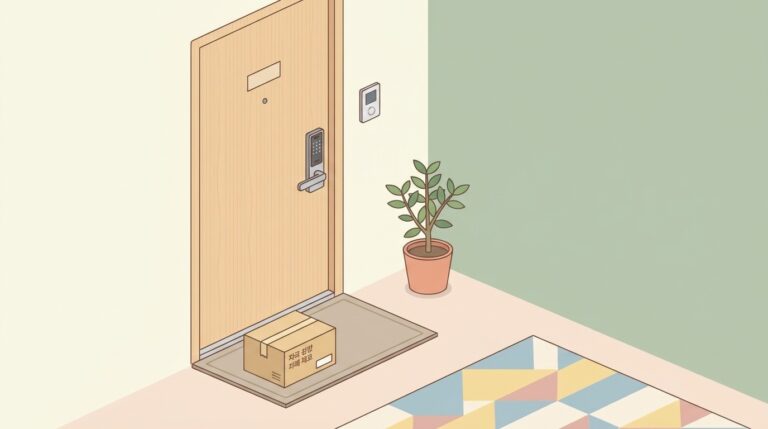
안녕하세요! 매일한글 (Daily Hangul) editor here! We’ve all been there: You ordered that limited-edition K-Pop album, fashionable Hongdae oversized hoodie, or fresh meal-kit on Coupang Rocket Delivery. The notification pops up on your phone: 배송 완료 (Delivery Complete) with a picture of a cardboard box standing proudly outside a door. Your heart flutters, you swing your apartment door open, and… nothing. Just an empty hallway floor.
Panic sets in! Did a neighbor accidentally grab it? Was it misdelivered to the building next door? Or worse, did it get lost in courier limbo? In South Korea, where the parcel culture (택배, taekbae) is celebrated worldwide for leaving packages unattended outside front doors with zero theft, experiencing a missing delivery feels doubly confusing. You might wonder: How do I contact the courier without sounding rude? What vocabulary explains that the tracking says delivered, but I never received it?
Don’t worry! Based on real experiences from intermediate Korean learners and expat community feedback, this guide will equip you with natural, polite, yet assertive B2-level expressions. By the end of this guide, you will be able to resolve delivery mishaps over the phone or via KakaoTalk customer service with the calm confidence of a local Seoulite.
Phase 2: Top 3 Core Expressions in Depth
1. 배송 완료로 뜨는데 물건을 못 받았어요. (Baesong wanryoro tteuneunde mulgeoneul mot badasseoyo.)
- Pronunciation: [Bae-song wan-ryo-ro tteu-neun-de mul-geon-eul mot ba-da-sseo-yo] (Sounds like: bay-song wahn-ryo-ro tteu-neun-day mool-gun-eul moht bah-dah-ssuh-yo)
- Meaning: Literal: “It shows delivery completed, but I didn’t receive the item.” | Real Nuance: “The tracking status indicates delivered, but the parcel isn’t here.”
- K-Culture Moment: Seen frequently in K-dramas when a character orders fresh food delivery or urgent business documents and frantically checks the entryway corridor.
- Editor’s Insight: The verb 뜨다 (tteuda) literally means “to float” or “to rise,” but in digital contexts, it means “to pop up / to show on screen.” Using
~로 뜨는데makes you sound like a native app user rather than a classroom robot.- Situation Spectrum: Casual: ⚠️ | Semi-formal: ✅ | Formal: ✅
- 🤔 Think About It: In English, we often say “The system says it’s delivered.” Why do you think Korean uses visual display verbs like 뜨다 (to pop up) when referring to digital statuses?
2. 혹시 다른 곳에 두고 가신 건 아닌지 확인 부탁드립니다. (Hoksi dareun gose dugo gasin geon aninji hwag-in butakdeurimnida.)
- Pronunciation: [Hok-si da-reun go-se du-go ga-sin geon a-nin-ji hwa-gin bu-tak-deu-rim-ni-da] (Sounds like: hoke-shee dah-reun goh-seh doo-go gah-sheen gun ah-neen-jee hwah-geen boo-tahk-deu-reem-nee-dah)
- Meaning: Literal: “By any chance, could you check whether you left it somewhere else?” | Real Nuance: “Could you double-check if it might have been placed in an alternate spot or adjacent address?”
- K-Culture Moment: The polite text message sent to a busy delivery driver (기사님, gisanim) to avoid accusing them directly while encouraging a quick re-check.
- Editor’s Insight: Using
혹시(by any chance) paired with negative questioning~건 아닌지softens the confrontation. It implies: “I’m sure you did your best, but mistakes happen!”- Situation Spectrum: Casual: 🚫 | Semi-formal: ✅ | Formal: ✅
- 🤔 Think About It: How does phrasing requests indirectly through negative conditional patterns reflect Korean interpersonal harmony (Nunchi)?
3. 기사님 연락처나 분실 처리 절차를 알려주시겠어요? (Gisanim yeollakcheona bunsil cheori jeolchareul allyeojusigesseoyo?)
- Pronunciation: [Gi-sa-nim yeol-lak-cheo-na bun-sil cheo-ri jeol-cha-reul al-lyeo-ju-si-ge-sseo-yo] (Sounds like: gee-sah-neem yul-lahk-chuh-nah boon-sheel chuh-ree juhl-chah-reul ahl-lyuh-joo-shee-geh-ssuh-yo)
- Meaning: Literal: “Could you inform me of the courier’s contact number or the lost item processing procedure?” | Real Nuance: “Can you provide the driver’s contact info or explain the official claim procedure for a lost package?”
- K-Culture Moment: Used when escalating an inquiry to the customer service center (고객센터) on apps like Naver Shopping or Coupang.
- Editor’s Insight: Notice the honorific title 기사님 (gisanim). In Korea, service drivers, technicians, and couriers are respectfully addressed as Gisanim, which instantly builds goodwill.
- Situation Spectrum: Casual: 🚫 | Semi-formal: ✅ | Formal: ✅
- 🤔 Think About It: Comparing customer support culture: In your country, do customers call the individual driver directly or only the logistics company?
Phase 3: Textbook Korean vs. Real Korean
Situation A: Explaining that the package is missing outside your door
- 📖 Textbook Korean: 제 택배 상자가 문 앞에 없습니다. 찾아주십시오. (Je taekbae sangjaga mun ape eopseumnida. Chajajusipsio. – “My delivery box is not in front of the door. Please find it.”)
- 🗣️ Real Korean: 문 앞 사진이랑 저희 집 현관이 다른 것 같아요. 오배송된 것 같은데요. (Mun ap sajin-irang jeohui jip hyeongwani dareun geot gatayo. Obaesongdoen geot gateundeyo. – “The photo at the door looks different from my entryway. It seems like it was misdelivered.”)
- 💡 Why the Difference? Delivery drivers always snap a photo upon drop-off. Native speakers compare the photo’s tiles/door color and use the specific term 오배송 (misdelivery) with a softening
~것 같아요ending.
Situation B: Asking the seller/platform for a re-delivery or refund
- 📖 Textbook Korean: 물건을 다시 보내거나 돈을 돌려주세요. (Mulgeoneul dasi bonaegeona doneul dollyeojuseyo. – “Send the item again or return the money.”)
- 🗣️ Real Korean: 기사님 확인 후에도 분실된 거면 재발송이나 환불 처리 부탁드릴게요. (Gisanim hwag-in huedo bunsildoen geomyeon jaebalsong-ina hwanbul cheori butakdeurilgeyo. – “If it turns out lost even after checking with the courier, please arrange a re-shipment or refund.”)
- 💡 Why the Difference? Demanding refunds abruptly sounds aggressive. Intermediate speakers show an understanding of the logistics step (checking with the driver first) before mentioning 재발송 (re-shipment) or 환불 (refund).
Phase 4: K-Culture Deep Dive & Non-Verbal Etiquette
4-1. Nunchi & Etiquette on the Phone
Korean couriers manage 200 to 400 deliveries a day under tight schedules. Calling a courier during peak daytime hours (11:00 AM – 4:00 PM) might result in very brief, hasty answers.
* Pro Etiquette: Always send a polite text message (문자) first with your tracking number (운송장 번호, unsongjang beonho), address, and apartment number. Keep your voice calm, respectful, and tone soft (~요 or ~니다 endings). Never start with an accusatory tone.
4-2. The “Front Door Photo” (문 앞 배송) Culture
Korea’s ultra-safe delivery culture relies on photo evidence. Couriers take a quick snap of the box next to your door number. If your parcel is missing:
1. Look closely at the door lock model and doormat in the confirmation text photo.
2. Check the building security office (경비실, gyeongbisil) or parcel locker (무인택배함, mu-in taekbaeham).
3. Check the same unit number in the neighboring building (e.g., Building 101 vs. Building 102), a frequent mix-up!
Phase 5: Real-Life Roleplay Scenario
Setting: You are on the phone with the customer service agent (상담원) of an e-commerce shopping mall after finding your doorstep empty.
- 상담원 (CS Rep): 안녕하세요, 고객님. 무엇을 도와드릴까요? (Annyeohaseyo, gogaeknim. Mueoseul dowadeurilkkayo?)
- 🎭 Polite, cheerful tone over the phone headset.
- “Hello, customer. How may I assist you?”
- You: 안녕하세요. 어제 배송 완료 알림을 받았는데 현관 앞에 물건이 없어서요. (Annyeohaseyo. Eoje baesong wanryo allimeul badanneunde hyeongwan ape mulgeoni eopseoseoyo.)
- 🎭 Checking your order details on your screen calmly.
- “Hello. I received a delivery completion notification yesterday, but the item isn’t in front of my door.”
- 상담원: 아, 그러셨군요. 운송장 번호와 주소지 확인 부탁드립니다. (A, geureosyeotgunyo. Unsongjang beonhowa jusoji hwag-in butakdeurimnida.)
- 🎭 Typing sounds in the background.
- “Ah, I see. Could you please confirm your tracking number and delivery address?”
- You: 송장 번호는 1234-5678이고, 마포구 201호입니다. (Songjang beonhoneun il-i-sam-sa-o-yuk-chil-pal-igo, Mapo-gu i-baek-il-hoimnida.)
- 🎭 Reading out the numbers clearly and precisely.
- “The tracking number is 1234-5678, and it’s unit 201 in Mapo-gu.”
- 상담원: 확인 감사합니다. 기사님 배송 완료 사진을 확인해보셨나요? (Hwag-in gamsahamnida. Gisanim baesong wanryo sajineul hwag-inhaebosyeonnayo?)
- 🎭 Reviewing the courier’s uploaded image on system.
- “Thank you for confirming. Have you checked the courier’s delivery photo?”
- You: 네, 봤는데 사진 속 문 색깔이 저희 집 현관문이랑 달라요. (Ne, bwanneunde sajin sok mun saekkkari jeohui jip hyeongwanmun-irang dallayo.)
- 🎭 Looking at the photo on your phone screen with certainty.
- “Yes, I checked, but the door color in the photo is different from my front door.”
- 상담원: 오배송 가능성이 있네요. 기사님께 바로 전달 후 재확인 요청드리겠습니다. (Obaesong ganeungseongi inne-yo. Gisanimkke baro jeondal hu jaehwag-in yocheongdeurigesseumnida.)
- 🎭 Noting the discrepancy swiftly in customer log.
- “There seems to be a possibility of misdelivery. I will forward this to the courier right away and request a re-check.”
- You: 감사합니다. 만약 못 찾으면 분실 처리 부탁드릴게요. (Gamsahamnida. Manyak mot chajeumyeon bunsil cheori butakdeurilgeyo.)
- 🎭 Ending with a polite bowing tone.
- “Thank you. If it cannot be located, please proceed with the lost item procedure.”
🔀 Interactive Choice Point
What will you say if the agent asks if you have checked the security office?
* Option A: 경비실에는 이미 확인해봤는데 없었어요. (Gyeongbisireneun imi hwag-inhaebwanneunde eopseosseoyo. – “I already checked the security office, but it wasn’t there.”)
* ➡️ Best Choice! Clear, direct, and saves time for both parties.
* Option B: 경비실이 뭐예요? 필요 없어요. (Gyeongbisiri mwoyeyo? Piryo eopseoyo. – “What is security office? Don’t need it.”)
* ➡️ Bad Choice! Comes across as dismissive and uncooperative.
* Option C: 기사님이 알아서 다 하셔야죠! (Gisannimi araseo da hasyeoyajyo! – “The driver should take care of everything himself!”)
* ➡️ Risk Choice! Unnecessarily aggressive; will create friction with customer service.
Phase 6: 10-Second Emotional Shadowing Drill
Practice reading these lines with real emotional nuance! Slashes (/) indicate natural pause points.
[😟 걱정스럽고 정중하게 - Worried & Polite]
배송 완료라고 뜨는데 / 혹시 어디에 두셨을까요? / (Baesong wanryorago tteuneunde / hoksi eodie dusyeosseulkkayo?)-
[🧐 꼼꼼하고 차분하게 - Attentive & Calm]
첨부된 사진 속 문이랑 / 저희 집 현관이 달라요. / (Cheombudoen sajin sok mun-irang / jeohui jip hyeongwani dallayo.) -
[🤝 명확하고 협조적으로 - Clear & Cooperative]
기사님 확인 후에 / 다시 연락 부탁드리겠습니다. / (Gisanim hwag-in hue / dasi yeollak butakdeurigesseumnida.)
Phase 7: K-Culture Mini Dictionary
- 운송장 번호 (Unsongjang beonho) | Tracking Number | The 10-to-13 digit number found on receipts and shipping apps; vital for tracking or claiming any missing parcel.
- 오배송 (Obaesong) | Misdelivery | When a package is delivered to the wrong room, floor, or adjacent building.
- 경비실 (Gyeongbisil) | Security / Guard Office | The central office in Korean apartment (아파트) and officetel (오피스텔) complexes where oversized or misplaced parcels are safely stored.
- 무인택배함 (Mu-in taekbaeham) | Unmanned Parcel Locker | Secure electronic lockers installed in modern studios and villa areas to prevent theft and misdelivery.
Phase 8: Traveler & Expat Survival Kit
Top 3 Survival Expressions
- 문 앞에 없어요. (Mun ape eopseoyo.) – [Moon ah-peh up-suh-yo] | “It’s not in front of the door.”
- Pro Tip: Send this as a quick SMS with a photo of your empty doorstep.
- 송장 번호 조회해주세요. (Songjang beonho joehae-juseyo.) – [Song-jang bun-ho jo-eh-heh-joo-seh-yo] | “Please check the tracking number.”
- Pro Tip: Use this when speaking directly to shopping platform chat representatives.
- 경비실에 맡겨두셨나요? (Gyeongbisire matgyeodusyeonnayo?) – [Gyung-bee-sheel-eh maht-gyuh-doo-shyun-nah-yo] | “Did you leave it at the security office?”
- Pro Tip: Couriers often drop items at the guard office if building entry PIN codes are locked.
Editor’s Travel & Living Note
If you reside in or visit Korea, make sure to use official logistics portals for instant updates. Download the official Coupang App on Google Play or CJ Logistics Delivery Tracking App to monitor live courier routes and view delivery photo uploads instantly in real-time.
Phase 9: A Step Deeper (Reflection)
South Korea’s high-trust delivery system is world-renowned. People leave laptops, cosmetics, and groceries outside front doors for hours without fear. However, because theft is so rare, 99% of “lost” parcels are simply misdeliveries (오배송) caused by high-density housing with nearly identical door designs, or parcels tucked safely into the apartment guard office (경비실). Approaching the courier with mutual trust rather than suspicion is the quickest way to resolve issues smoothly.
💬 Your Turn: Have you ever experienced a delivery mystery in Korea or your home country? How did you solve it? Share your thoughts below!
Phase 10: FAQ & Common Mistakes
Q: What should I do first before calling the courier?
A: First, check the delivery completion photo sent via KakaoTalk or SMS. Compare the door number, doormat, and wall paint. Next, check the building security office (경비실) and the unmanned parcel locker (무인택배함). Only contact the driver after these checks.
Q: Is it rude to call the delivery driver directly?
A: Calling is fine, but sending a polite text message (문자) with your address, unit number, and invoice number is considered much more considerate, as drivers are frequently driving or carrying heavy packages on stairs.
Q: What if the courier insists they delivered it, but it’s truly gone?
A: Contact the shopping platform’s customer center (고객센터). Tell them: “분실 신고 및 환불/재발송 요청합니다” (I request a lost package claim and refund/re-shipment). The platform will initiate an internal courier investigation and resolve it for you.
🚨 Common Mistakes Alert (TOP 3)
- Accusing the driver of theft: Never use words like 도둑 (thief) or 훔쳐가다 (stolen). Correct Action: Use
오배송(misdelivery) or분실(lost item). - Not keeping tracking numbers: Deleting the shipping SMS before getting the box. Correct Action: Keep your 운송장 번호 until the box is in your hands.
- Omitting the unit/building number in messages: Just texting “Where is my box?” Correct Action: Always specify
[OO동 OO호] 홍길동입니다so the driver can identify your order in seconds.
Phase 11: Action Missions
- 🥉 Bronze Mission: Read the 3 Core Expressions aloud 3 times each using natural intonation.
- 🥈 Silver Mission: Write down a mock SMS message to a delivery driver reporting a missing item and save it in your Korean notes app.
- 🥇 Gold Mission: Check your next actual parcel delivery notification in Korea and identify the words 운송장 번호, 배송 완료, and 위탁 장소 (drop-off location).
🎮 K-Culture Mission: In modern Korean slice-of-life dramas (like My Liberation Notes or Daily Dose of Sunshine), look out for scenes showing apartment hallways and boxes stacked outside doors. Spot the difference between villa hallways and high-rise apartments!
Phase 12: Interactive Quiz Challenge
Q1. (Situational Judgment) Your parcel status says 배송 완료, but your doorway is empty. What is the most polite and natural text message to send the driver?
1. 돈 돌려주세요! (Give me my money back!)
2. 기사님, 201호인데요. 배송 완료로 뜨는데 문 앞에 없어서 확인 부탁드립니다.
3. 왜 배달 안 해요? 빨리 오세요. (Why haven’t you delivered? Come fast.)
🔍 Click to Reveal Answer & Explanation
Correct Answer: 2
Explanation: Stating your unit number politely and mentioning that the status says completed while requesting a check is the gold standard for courier communication in Korea.
Q2. (Fill in the Blank) 문 앞 사진을 봤는데 저희 집 현관과 달라요. ______된 것 같아요. (I checked the photo at the door, but it differs from my entryway. It seems like it was ______.)
* Hint: Word for “misdelivered” (3 syllables).
🔍 Click to Reveal Answer & Explanation
Correct Answer: 오배송 (Obaesong)
Explanation: 오배송 (O-bae-song) refers specifically to parcels delivered to the incorrect location or recipient.
Q3. (True / False Culture Quiz) In Korea, if a package is marked “Delivered” but missing, it is always assumed to have been stolen by a passerby.
🔍 Click to Reveal Answer & Explanation
Correct Answer: False (X)
Explanation: Package theft in Korea is extremely rare due to widespread CCTV networks and cultural norms. Missing packages are almost always misdeliveries to nearby units or safe drop-offs at the security office (경비실).







