

Phase 1: Empathy (Immersive Story Opening)
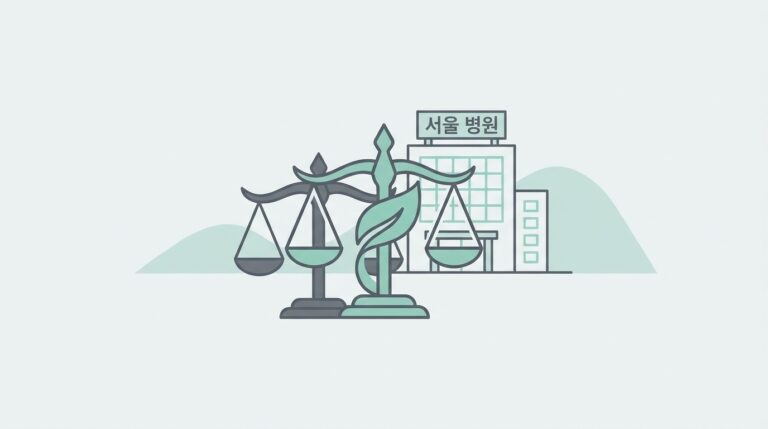
안녕하세요! 매일한글 에디터입니다. Have you ever watched a high-stakes Korean legal drama like Stranger or Juvenile Justice and noticed how socio-legal debates in Korea are rapidly evolving? For decades, South Korea took immense pride in its unofficial status as a ‘drug-free nation’ (마약 청정국). However, recent societal shifts, globalized supply chains, and digital anonymity have brought drug offences to the forefront of national discourse. The public and judicial systems are now grappling with a pivotal transition: moving from purely punitive measures to building robust rehabilitation treatment infrastructure (재활 치료 인프라). As C2 advanced learners, discussing complex judicial reform, socio-legal frameworks, and public health policy in Korean allows you to express sophisticated opinions in professional, academic, or legal settings. Based on feedback from advanced foreign legal scholars and culture enthusiasts, this guide will equip you with native-level legal nuances, technical Korean terminology, and deep cultural insight.
Phase 2: Deep Dive into 3 Essential C2 Key Expressions
1. 재발 방지 (Jaebal Bangji)
- Pronunciation: [Jaebal bangji] (Sounds like jay-bal bang-jee, rhyming with ‘ball’ and ‘gee’)
- Meaning: Relapse prevention / Recidivism prevention
- K-Culture Moment: Heard in news debates and legal procedural dramas when lawyers advocate for mandatory treatment programs over prison sentences.
- Editor’s Insight: While ‘예방’ (prevention) applies before an incident occurs, ‘재발 방지’ specifically targets stopping the recurrence of an existing condition or criminal offense.
- Situation Spectrum: Casual 🚫 | Semi-formal ⚠️ | Formal ✅
- 🤔 Think About It: Does your native language distinguish between initial prevention and recidivism prevention in formal policy discourse?
2. 치료 감호 (Chiryo Gamho)
- Pronunciation: [Chiryo gamho] (Pronounced chee-ryo gam-ho, similar to ‘cheerio’ + ‘gum-ho’)
- Meaning: Medical custody / Rehabilitative detention order
- K-Culture Moment: Used by judges in serious courtroom scenes where defendants with substance dependencies are directed to specialized medical facilities rather than penal institutions.
- Editor’s Insight: Combines ‘치료’ (medical treatment) and ‘감호’ (custody/guarding). It denotes a legal order where rehabilitation is legally mandated under medical supervision.
- Situation Spectrum: Casual 🚫 | Semi-formal ⚠️ | Formal ✅
- 🤔 Think About It: How does your legal system balance punitive incarceration versus psychiatric medical custody?
3. 마약 청정국 지위 상실 (Mayak Cheongjeongguk Jiwi Sangsil)
- Pronunciation: [Mayak cheongjeongguk jiwi sangsil] (mah-yak chuhng-juhng-gook jee-wee sang-seel)
- Meaning: Loss of drug-free nation status
- K-Culture Moment: Frequently headlined in editorial articles and parliamentary audit debates discussing public health and border enforcement.
- Editor’s Insight: ‘청정국’ refers to a clean, unpolluted nation (statistically under 20 drug offenders per 100,000 people). Admitting its ‘상실’ (loss) carries high political and emotional weight in South Korea.
- Situation Spectrum: Casual 🚫 | Semi-formal ⚠️ | Formal ✅
- 🤔 Think About It: Why is national identity in East Asia so deeply tied to strict public safety statistics?
Phase 3: Textbook Korean vs. Real Native Korean
Scenario 1: Discussing Legal Action
- 📖 Textbook Korean: 피의자가 법을 위반해서 처벌을 받습니다. (The suspect violated the law and receives punishment.)
- 🗣️ Real Native Korean: 피의자가 사법 처리를 받게 되며, 재판부의 판단이 주목됩니다. (The suspect faces judicial action, and attention is focused on the court’s verdict.)
- 💡 Why the Difference? C2-level discourse replaces generic verbs like ‘위반하다’ or ‘벌을 받다’ with formal judicial phrasing like ‘사법 처리’ (judicial processing) and ‘재판부’ (the panel of judges).
Scenario 2: Policy Debate on Rehabilitation
- 📖 Textbook Korean: 정부는 마약 문제를 해결하기 위해 병원을 늘려야 합니다. (The government should increase hospitals to solve the drug issue.)
- 🗣️ Real Native Korean: 단순히 처벌을 강화하기보다 중독 재활 인프라를 확충하는 방향으로 가야 합니다. (Rather than simply tightening punishment, we must head toward expanding addiction rehabilitation infrastructure.)
- 💡 Why the Difference? Advanced Korean uses balanced contrast markers (‘단순히 ~하기보다’) and elevated policy vocabulary (‘인프라를 확충하다’).
Phase 4: K-Culture Deep Dive & Non-verbal Manners
4-1. Nunchi & Judicial Decorum
When discussing sensitive legal topics like substance abuse and judicial reform in Korean professional circles, tone and body language matter immensely. Maintain a neutral, grave posture (진지한 태도) without flippancy. Avoid pointing fingers or using dramatic hand gestures; keep hands neatly clasped on the table to show intellectual rigor and solemn respect for the rule of law.
4-2. Socio-Legal Media Analysis
Korean legal dramas have shifted from melodramatic courtroom battles to nuanced systemic critiques. Dramas analyze how judicial backlogs, lack of specialized rehabilitation clinics, and public stigma affect recidivism. Understanding terms like ‘기소유예’ (suspension of prosecution for rehabilitation) allows you to appreciate the intricate storytelling in modern Korean crime thrillers.
Phase 5: Real-life Roleplay Scenario
Setting: A panel discussion on public policy broadcasting at a Seoul media studio.
NPC Character: Dr. Han (한 박자 교수) – A veteran legal analyst and public policy advisor.
- Turn 1 (Dr. Han): 최근 한국이 마약 청정국 지위를 상실했다는 지적이 많은데, 어떻게 보십니까?
(Choegeun hangugi mayak cheongjeongguk jiwireul sangsirhaetdanun jijeogi manureunde, eotteokke bosimnikka?)
“There are many points raised recently that Korea has lost its status as a drug-free nation. What are your thoughts?” -
Turn 2 (Learner): 🎭 Maintaining a calm, intellectual posture
단순한 수치 증가를 넘어, 형사 사법 체계의 패러다임 전환이 필요한 시점이라고 생각합니다.
(Dansunhan suchi jeonggareul neomeo, hyeongsa safeob chegyeye paerodaim jeonhwani pil-yohan sicheom-irago saenggakhamnida.)
“Beyond a simple increase in numbers, I believe this is a time when a paradigm shift in the criminal justice system is required.” -
Turn 3 (Dr. Han): 그렇다면 처벌 강화와 재활 치료 중 어느 쪽에 더 무게를 두어야 할까요?
(Geureotdamyeon cheobeol ganghwawa jaehwal chiryo jung eoneu jjoge deo muge-reul dueoya halkkayo?)
“In that case, which should we weigh more heavily: tightening penalties or rehabilitative treatment?” -
Turn 4 (Learner): 🎭 Nodding gravely with hands neatly folded
엄벌주의만으로는 재발 방지에 한계가 있으므로, 치료 감호와 재활 인프라 구축이 병행되어야 합니다.
(Eombeolju-imaneoroneun jaebal bangji-e han-gyega isseumeuro, chiryo gamhowa jaehwal inpeura guchugi byeonghaengdeo-eoya hamnida.)
“Punitive measures alone have limits in preventing relapse, so medical custody and rehabilitation infrastructure must be established concurrently.” -
Turn 5 (Dr. Han): 하지만 예산과 시설 부족에 대한 대중의 반발도 만만치 않습니다.
(Hajiman yesan-gwa siseol bujoge daehan daejung-ui banbaldo manmanchi anseumnida.)
“However, public backlash regarding budget allocation and facility shortages is also significant.” -
Turn 6 (Learner): 🎭 Leaning slightly forward with an empathetic tone
국민적 공감대를 형성하기 위해 중독 치료가 사회적 비용을 줄인다는 점을 설득해야 합니다.
(Gukminjeok gonggamdaereul hyeongseonghagi wihae jungdok chiryoga sahoejeok biyongeul jurindaneun jeomeul seoltdeokhaeya hamnida.)
“To build public consensus, we must convey that addiction treatment ultimately reduces overall social costs.” -
Turn 7 (Dr. Han): 아주 깊이 있는 분석입니다. 그렇다면 법원과 의료 기관의 협업은 어떻게 이루어져야 할까요?
(Aju gipi inneun bunseogimnida. Geureotdamyeon beobwongwa uiryo gigwanui hyeobeobeun eotteokke irueojyeoya halkkayo?)
“Very deep analysis. Then how should collaboration between courts and medical institutions be structured?” -
Turn 8 (Learner): 🎭 Concluding with a firm yet respectful expression
사법부와 보건 당국 간의 연계 시스템을 강화하여 맞춤형 재활 프로그램을 제공해야 합니다.
(Sabeobbuwa bogeon danguk gane yeon-gye siseteombeul ganghwahayeo matchumhyeong jaehwal peurogeoraemeul jegonghaeya hamnida.)
“We must strengthen the linked system between the judiciary and health authorities to provide tailored rehabilitation programs.”
🔀 Interactive Choice Point
How would you respond if asked about public opposition to building rehab centers in residential neighborhoods?
* Option A (Best): 주민들의 우려에 공감하면서도, 시설의 안전성과 지역사회 안전망 구축 효과를 데이터로 입증해야 합니다. (Acknowledge concerns empathetically while proving safety and social security benefits using data.)
* Option B (Risk): 무조건 혐오 시설로 보는 시각은 틀렸으니 법적으로 강제 집행해야 합니다. (Dismiss concerns as NIMBYism and advocate forcing implementation legally.)
* Option C (Bad): 반대가 심하면 사업을 전면 취소하는 것이 맞습니다. (If opposition is strong, completely cancel the project.)
Feedback: Option A demonstrates C2 diplomatic finesse and logical argumentation. Option B risks alienating public consensus, while Option C yields without offering solutions.
Phase 6: 10-Second Emotion Shadowing Drill
- Sentence 1: [😐 진지하고 논리적으로 / Serious & Logical]
단순한 / 처벌보다는 / 중독 치료와 / 재활 인프라 구축이 / 시급합니다.
(Dansunhan / cheobeolbodaneun / jungdok chiryowa / jaehwal inpeura guchugi / sigeubhamnida.) -
Sentence 2: [🧐 설득력 있게 / Persuasive]
재발 방지 효과를 / 높이기 위해서는 / 사법 체계와 / 의료 기관의 / 연계가 필수적입니다.
(Jaebal bangji hyogwareul / nop-igi wihaeseoneun / sabeob chegyewa / uiryo gigwanui / yeon-gyega pilsujeogimnida.)
Phase 7: K-Culture Mini Dictionary
- 골든타임 (Goldeun Taim) | Golden Time / Critical Window | Used in judicial and medical legal contexts to describe the crucial early window where addiction intervention prevents permanent recidivism.
- 사법 리스크 (Sabeob Riseukeu) | Judicial Risk / Legal Risk | Describes public or corporate exposure to legal enforcement actions or legislative uncertainties.
- 기소유예 (Gisoyuye) | Suspension of Prosecution | A prosecutorial decision not to indict an offender, often conditioned upon completing court-ordered rehabilitation or education programs.
- 중독 재활 센터 (Jungdok Jaehwal Senteo) | Addiction Rehabilitation Center | Specialized public or community facilities dedicated to medical recovery and social reintegration of individuals with substance dependency.
Phase 8: Traveler & Resident Survival Kit
Top 3 Legal System Survival Phrases
- 법률 자문이 필요합니다. (Beobryul jamuni pil-yohamnida.) – “I require legal counsel/consultation.”
- 정식 재판 절차를 확인하고 싶습니다. (Jeongsik jaepan jeolchareul hwaginhago sipseumnida.) – “I would like to verify the formal judicial procedure.”
- 치료 감호 청원서를 제출하겠습니다. (Chiryo gamho cheongwonseoreul jechulhagessumnida.) – “I will submit a petition for rehabilitative custody.”
Editor’s Travel & Legal Note
If you ever need legal assistance or formal civil consultations while residing in South Korea, you can access official guidance directly through 경찰청 민원포털 사이트 이용하기 to check administrative procedures, emergency contacts, and victim assistance support systems online.
Phase 9: One Step Deeper (Humanities & Legal Philosophy)
South Korean legal tradition historically prioritized strict retributive justice (엄벌주의) to maintain social harmony and collective public safety. However, facing modern socio-legal challenges, Korean legal scholars are increasingly championing restorative and rehabilitative justice. This shift highlights a growing recognition that true community security relies not just on isolation, but on healing, reintegration, and structural investment in human recovery.
💬 Your Turn: How does your home country balance punishment versus rehabilitation in criminal justice reform? Share your thoughts in the comments below!
Phase 10: FAQ & Common Mistakes
Q: What is the official distinction between ‘기소유예’ and ‘집행유예’?
A: ‘기소유예’ (Suspension of prosecution) is decided by a prosecutor before trial, meaning no formal charges are brought if conditions are met. ‘집행유예’ (Suspended sentence) is ordered by a judge after trial, where a conviction is recorded but prison time is suspended under probation conditions.
Q: Is drug rehabilitation covered under national health insurance in Korea?
A: Designated legal treatment hospitals (치료보호 기관) provide state-supported rehabilitation programs for eligible patients, though policy expansions are actively being debated in parliament to broaden public insurance coverage.
Q: How should I refer to illegal substances in formal Korean academic contexts?
A: Use technical terms like ‘마약류’ (narcotics and psychotropic substances) or ‘향정신의약품’ (psychotropic drugs) rather than colloquial slang.
🚨 Common Mistakes TOP 3
- Mistake: Confusing ‘치료’ (medical treatment) with ‘재활’ (rehabilitation).
- Correct Action: Use ‘치료’ for acute medical care and ‘재활’ for long-term recovery and societal reintegration.
- Mistake: Using ‘보호’ (protection) when referring to legal custody orders.
- Correct Action: Use ‘치료 감호’ or ‘보호 관찰’ for legal probation terms.
- Mistake: Saying ‘벌을 받다’ in C2 formal research papers.
- Correct Action: Replace with ‘형사 처벌을 받다’ or ‘사법 처리를 받다’.
Phase 11: Action Missions & Engagement
- Bronze Mission: Record yourself reciting the 10-second shadowing drill with proper legal pause marks.
- Silver Mission: Write a 3-sentence opinion piece in Korean on ‘재활 치료 인프라 확충’ and post it in your learning journal.
- Gold Mission: Watch a contemporary Korean legal news documentary and identify at least 3 terms learned today in live broadcast discussions.
🎮 K-Culture Mission: Watch an episode of a Korean legal procedural drama and spot when the defense attorney requests rehabilitative orders instead of prison terms!
Phase 12: Interactive Quiz Challenge
Quiz 1: Vocabulary Check
What is the formal Korean legal term for mandatory rehabilitative custody under medical supervision?
* A) 기소유예
* B) 치료 감호
* C) 사법 처리
🔍 Click to Reveal Answer & Explanation
Answer: B) 치료 감호
Explanation: ‘치료 감호’ refers specifically to medical custody mandated by court order for treatment during offender rehabilitation.
Quiz 2: True or False
In Korean policy discourse, ‘마약 청정국’ is a legal term defined strictly by international treaties.
* True
* False
🔍 Click to Reveal Answer & Explanation
Answer: False
Explanation: ‘마약 청정국’ is an unofficial statistical benchmark (fewer than 20 drug offenders per 100,000 people) commonly used by media and international organizations, rather than a treaty definition.






