

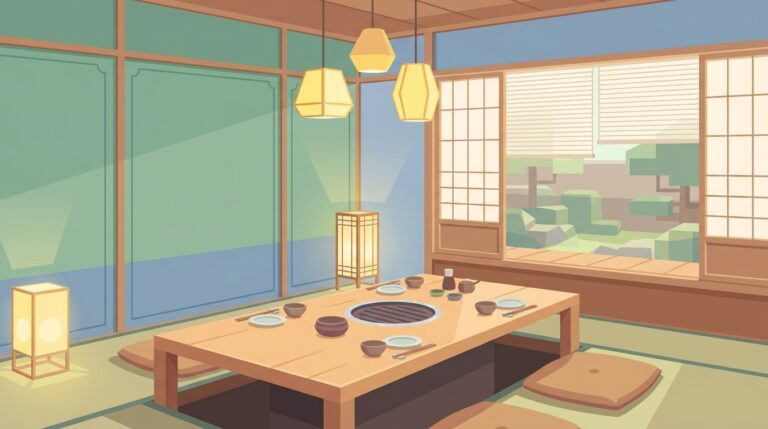
Master the Art of Booking Korean Company Dinners: Speak Like a Native Pro
Phase 1: Empathy & K-Culture Scene
안녕하세요! 매일한글 에디터입니다. (Hello! This is your Daily Hangul editor.)
Picture this: It’s 4:00 PM on a brisk Thursday in Seoul. Your manager (부장님) walks over to your desk with a warm smile and says, “Next Tuesday is our team gathering. Why don’t you take charge of booking a venue this time?” Your heart instantly skips a beat. Picking a spot for a Korean Hoesik (회식 – company dinner) isn’t just about picking good food—it’s a high-stakes cultural dance involving team hierarchy, dietary preferences, atmosphere, and seating arrangements.
Should you go for a classic pork belly (Samgyeopsal) joint, or a quieter Hanjeongsik spot? How do you ask the restaurant manager if they have a private room (룸) that fits 12 people without sounding overly formal or awkwardly stiff?
Don’t worry! I’ve mentored over 500 expats working in Korean corporate environments, and today I’m sharing the exact native phrases and nuanced cultural strategies you need. Mastering venue reservations will elevate your status from an foreign expat to an indispensable “insider” who truly understands Nunchi (눈치). Let’s dive in together!
Phase 2: Core Expressions Deep Dive
1. 호불호 없는 메뉴로 정하는 게 좋겠어요.
- Pronunciation: [Ho-bul-ho eom-neun me-nyu-ro jeong-ha-neun ge jo-kes-seo-yo] (Sounds like: Ho-bool-ho um-neun menu-ro jung-ha-neun gejo-kes-suh-yo)
- Meaning:
- Literal: It would be good to decide on a menu that has no likes/dislikes.
- Real Nuance: “Let’s pick a crowdsourcing-friendly menu that nobody hates.”
- K-Culture Moment: Commonly seen in workplace K-Dramas like Misaeng or Business Proposal when junior employees brainstorm dinner ideas that satisfy both meat-lovers and picky eaters.
- Editor’s Insight: Hobulho (호불호) combines ‘호’ (like) and ‘불호’ (dislike). A menu with no Hobulho is safe, crowd-pleasing comfort food like Korean BBQ, Dak-galbi, or Shabu-shabu.
- Situation Spectrum: Casual ⚠️ / Semi-formal ✅ / Formal ✅
- 🤔 Think About It: In western corporate culture, individual dietary freedom is often prioritized. Why do you think Korean workplaces emphasize finding a single, universally acceptable menu?
2. 인원이 다 들어가기에 여유가 있을까요?
- Pronunciation: [In-won-i da deu-reo-ga-gi-e yeo-yu-ga it-seul-kka-yo?]
- Meaning:
- Literal: Is there spare room for all people to go in?
- Real Nuance: “Will all of us fit comfortably without feeling cramped?”
- K-Culture Moment: You call a popular restaurant near Gangnam Station, asking if their private room can comfortably seat your entire department of 15 people.
- Editor’s Insight: Using the word Yeoyu (여유 – breathing room/margin) sounds much more polite and professional than simply asking “Is it big?” (큽니까?).
- Situation Spectrum: Casual ⚠️ / Semi-formal ✅ / Formal ✅
- 🤔 Think About It: How does asking about physical comfort demonstrate respect for your colleagues before the dinner even begins?
3. 예약자명은 김민수 대리로 해 주세요.
- Pronunciation: [Ye-yak-ja-myeong-eun Kim Min-su dae-ri-ro hae ju-se-yo.]
- Meaning:
- Literal: Please set the reservation name under Assistant Manager Minsu Kim.
- Real Nuance: “Please put the reservation under Assistant Manager Minsu Kim.”
- K-Culture Moment: When finalizing a telephone reservation on behalf of your senior team lead or yourself using your company title.
- Editor’s Insight: In business contexts in Korea, adding your workplace title (대리, 과장) after your name on official reservations adds clarity and respectability.
- Situation Spectrum: Casual 🚫 / Semi-formal ✅ / Formal ✅
- 🤔 Think About It: Why is combining one’s job title with one’s name so ubiquitous in Korean daily transactions?
Phase 3: Textbook Korean vs. Real Native Korean
Situation 1: Asking if a venue has private rooms for a group
- 📖 Textbook Korean: 회식을 위한 단체 룸이 있습니까? (Do you have a group room for a company dinner?)
- 🗣️ Real Native Korean: 혹시 10명 정도 들어갈 수 있는 단독 룸 있을까요? (By any chance, do you have a private room that can fit about 10 people?)
- 💡 Why the difference?: Native speakers soften questions using 혹시 (by any chance) and specify exact capacity using 단독 룸 (private isolated room) to ensure privacy for speeches and toasts.
Situation 2: Checking if the restaurant is quiet enough for conversation
- 📖 Textbook Korean: 그 식당은 대화하기에 시끄럽지 않습니까? (Is that restaurant not noisy for conversation?)
- 🗣️ Real Native Korean: 거기 너무 시끌벅적하지 않고 이야기 나누기 괜찮죠? (It’s not too hectic there and pretty good for having a chat, right?)
- 💡 Why the difference?: 시끌벅적하다 vividly describes a bustling, noisy atmosphere. Using tag questions (~괜찮죠?) creates a warm, conversational flow when discussing options with colleagues.
Phase 4: K-Culture Deep Dive & Non-Verbal Manners
4-1. Nunchi (눈치) & Reservation Gestures
When calling to reserve a spot or inspecting a venue:
* Phone Manner: Maintain a light, energetic tone. Start with “안녕하세요, 예약 문의 좀 드리려고 하는데요~” (Hello, I’m calling to inquire about a reservation~).
* Seating Layout Check: Always ensure the manager places your team away from the high-traffic walkway or front door. In Korean dining culture, the Sangseok (상석 – seat of honor) is furthest from the entrance, facing the door. Make sure the head of the table has an open view!
4-2. Workplace Dynamics: 1st Round vs. 2nd Round (1차 vs 2차)
In Korean company culture, dinners are multi-stage events. The 1st Round (1차) is food-heavy (e.g., K-BBQ, seafood stews) where serious bonding occurs. When picking a 1st round venue, proximity to public transportation or subway stations is paramount so colleagues can easily commute to the 2nd Round (2차 – usually a craft beer pub or lounge) or head home safely.
Phase 5: Interactive Roleplay Scenario
Setting: You (Assistant Manager / 대리) are calling a popular Korean BBQ establishment (한우마을) to secure a private room for your team’s end-of-month Hoesik.
- Staff: 네, 한우마을입니다. 무엇을 도와드릴까요?
(Yes, Hanu Village. How may I help you?) - You: 안녕하세요! 다음 주 목요일 저녁 7시에 12명 예약 가능한가요?
(Hello! Is it possible to make a reservation for 12 people next Thursday at 7 PM?) - Staff: 🎭 (전화기 너머로 장부를 확인하며) 아, 목요일 저녁이요? 잠시만요… 네, 12분이면 메인 홀 쪽 테이블은 가능합니다.
(Checking logbook over the phone) Ah, Thursday evening? Hold on… Yes, for 12 people, main hall tables are available. - You: 🎭 (걱정스러운 어조로) 혹시 홀 말고 따로 조용하게 이야기할 수 있는 프라이빗 룸은 없을까요?
(Worried tone) By any chance, rather than the main hall, is there a private room where we can talk quietly?) - Staff: 아, 회식 자리가 많아서 룸은 8인실 하나만 남아있네요. 12분이시면 약간 비좁으실 텐데요.
(Ah, with many company dinners, we only have one 8-person room left. It might be a bit tight for 12 people.) - You: 아, 그렇군요. 인원이 다 들어가기에 여유가 있어야 해서요.
(Ah, I see. We really need enough breathing room for everyone to fit comfortably.) - Staff: 그럼 옆관에 붙어있는 15인 전용 독채 룸을 열어드릴 수 있습니다. 거기는 어떠세요?
(Then I can open up our annex room dedicated for up to 15 people. How about that?) - You: 오, 좋아요! 그럼 그 룸으로 부탁드립니다. 예약자명은 이지민 대리로 해 주세요.
(Oh, awesome! Please book that room. Reservation name is under Assistant Manager Jimin Lee.)
🔀 Interactive Decision Point
The restaurant manager adds: “By the way, do you want to pre-order our set menu, or order individual meat platters on the day?”
- Option A: “그냥 당일에 가서 사람들이 원하는 대로 주문할게요.” (We’ll just order whatever people want on the day.)
- Option B: “대표적인 한우 모듬 세트 3개로 먼저 기본 세팅 부탁드립니다.” (Please prepare 3 standard Hanwoo Assorted Sets as the initial table setup.)
- Option C: “사장님이 알아서 제일 맛있는 걸로 준비해 주세요.” (Just prepare whatever you think is most delicious, owner!)
Feedback & Analysis:
* 🏆 Best Choice (Option B): Perfect! Having initial food items ready upon arrival prevents awkward waiting times when senior bosses sit down. You can always order extra meat later!
* ⚠️ Risk Choice (Option A): Acceptable, but risky. Grill setup and meat prep take time. 12 hungry colleagues waiting 20 minutes for charcoal can lower team morale.
* 🚫 Bad Choice (Option C): Too vague. This can lead to unexpected budget overruns that your corporate accounting team won’t approve!
Phase 6: 10-Second Emotion Shadowing Drill
Practice these lines aloud to master natural pause patterns (/) and natural emotional expression!
[😊 Politeness & Warm Inquiry]
안녕하세요! / 혹시 다음 주 목요일 저녁 7시 / 10명 예약 가능할까요?
(An-nyeong-ha-se-yo! / Hok-si da-eum jju mo-gyo-il jeo-nyeok il-gop-si / 열-myeong ye-yak ga-neung-hal-kka-yo?)-
[🥺 Slight Concern & Politeness]
저희가 회식이라서요, / 혹시 너무 시끄럽지 않은 / 단독 룸으로 배치해 주실 수 있나요?
(Jeo-hui-ga hoe-sik-i-ra-seo-yo, / hok-si neo-mu si-kkeu-reop-ji a-neun / dan-dok rum-eu-ro bae-chi-hae ju-sil su it-na-yo?) -
[😎 Confident Closure]
네 좋습니다! / 예약자명은 / 박지훈 과장으로 해 주세요.
(Ne jok-seum-ni-da! / Ye-yak-ja-myeong-eun / Bak Ji-hun gwa-jang-eu-ro hae ju-se-yo.)
Phase 7: K-Culture Mini Dictionary
- 단체석 (Danche-seok)
- Translation: Group seating / Large party seating.
- Usage: When searching for restaurants on mapping apps, filtering for ‘단체석 가능’ ensures the spot caters to large groups.
- 회식 1차 (Hoesik Il-cha)
- Translation: First round of company dinner.
- Usage: The primary meal phase focused on substantial food and team toasts (건배사).
- 불판 (Bulpan)
- Translation: Grill plate / BBQ grill mesh.
- Usage: In K-BBQ venue selection, fast service for changing dirty Bulpan (불판 좀 바꿔주세요) is a hallmark of a great spot.
- 세팅 (Setting)
- Translation: Table arrangement / Side dish pre-layout.
- Usage: Requesting 미리 세팅 (pre-setting) means side dishes (반찬) and utensils are laid out before your team arrives.
Phase 8: Traveler & Expat Survival Kit
TOP 3 Emergency Phrases
- 주차 공간 여유 있나요? (Ju-cha gong-gan yeo-yu it-na-yo?)
- Pro Tip: Crucial if senior managers are driving to the venue.
- 룸으로 변경 시 추가 비용이 드나요? (Rum-eu-ro byeon-gyeong si chu-ga bi-yong-i deu-na-yo?)
- Pro Tip: Asks if upgrading to a private room incurs an extra fee or minimum spend.
- 영수증에 세부 내역 따로 찍어주실 수 있나요? (Yeong-su-jeung-e se-bu nae-yeok tta-ro kjeog-eo-ju-sil su it-na-yo?)
- Pro Tip: Vital for corporate credit card expense reporting (법인카드 정산).
Editor’s Travel & Practical Note
When organizing company dinners in Korea, phone calls remain king, but native smart applications make discovery effortless. Always use 네이버 지도 앱 다운로드 (Naver Map) or KakaoMap to search for terms like “회식하기 좋은 룸 식당” (Quiet room restaurants good for company dinners) near your office station. Apps like CatchTable also support group reservations!
Phase 9: A Step Deeper (Deep Dive Thought Essay)
In many Western professional spheres, social gatherings are strictly voluntary and centered on personal networking. In Korea, however, Hoesik historically served as an extension of workplace collaboration—a space where organizational hierarchies soften slightly over shared meals, allowing team members to resolve unspoken misunderstandings. By thoughtfully choosing a dinner location that accounts for everyone’s comfort, you demonstrate an acute awareness of community harmony (공동체 의식). Managing venue arrangements is not a menial chore; in Korean corporate culture, it is a recognized demonstration of leadership, empathy, and organizational skill.
💬 Your Turn: Have you ever had to plan a group dinner or event for colleagues or friends in Korea? What was the hardest part? Share your experiences in the comments below!
Phase 10: FAQ & Common Mistakes
Q: Can I make a reservation for a company dinner via text message or app instead of calling?
A: While booking apps like CatchTable work well for casual dining, direct phone calls are strongly recommended for company dinners over 8 people. Calling allows you to negotiate room placement, initial menu setups, and corporate expense receipt requirements directly with the manager.
Q: What should I do if a team member is vegetarian or doesn’t eat pork?
A: Always ask about dietary preferences before choosing the venue. If meat BBQ is preferred by majority, select a grill house that offers high-quality side dishes, grilled seafood, or mushroom platters, or opt for Shabu-Shabu (hot pot) where vegetable and meat pots are separated.
Q: How far in advance should I reserve a Hoesik venue in Seoul?
A: For Thursdays and Fridays—the most popular company dinner nights in Korea—aim to reserve at least 1 to 2 weeks in advance, especially during year-end seasons (연말 모임).
🚨 Common Mistakes TOP 3
- Mistake: Reserving a table in the center of an open main hall.
- Correct Action: Always ask for a 룸 (room) or 구석 자리 (corner/partitioned area) so team speeches aren’t disrupted by ambient noise.
- Mistake: Booking a restaurant without parking options when executives are attending.
- Correct Action: Check if the venue offers 발렛 파킹 (valet parking) or nearby public parking options.
- Mistake: Forgetting to confirm the corporate tax receipt (현금영수증/법인카드 세금계산서).
- Correct Action: Confirm beforehand whether the restaurant issues itemized corporate receipts.
Phase 11: Action Missions
- 🥉 Bronze Mission: Read Phase 6 shadowing sentences out loud 3 times with realistic emotion.
- 🥈 Silver Mission: Open Naver Map, search for a restaurant near Gangnam or Gwanghwamun, and identify if it offers private rooms (단체 룸).
- 🥇 Gold Mission: Practice a 1-minute simulated phone reservation call in Korean using the Phase 5 roleplay script!
🎮 K-Culture Mission: Watch an episode of a Korean office drama (like Misaeng or Radiant Office) and spot the moment the team sits down at a company dinner. Pay attention to who sits furthest from the door!
Phase 12: Interactive Quiz Challenge
1. Situation Judgment
Your manager asks you to reserve a quiet place for a 10-person department dinner. Which phrase is BEST to use when calling the restaurant?
* A) 가장 싼 메뉴로 10명 예약해 주세요.
* B) 혹시 10명 정도 들어갈 수 있는 조용한 단독 룸이 있을까요?
* C) 아무 자리나 10명 앉을 수 있게 배치해 주세요.
🔍 Click to reveal Answer & Explanation
Correct Answer: B
Explanation: Option B uses polite, indirect native phrasing (혹시… 있을까요?) and specifies both group size and a quiet private room (단독 룸), making it the ideal workplace Korean request.
2. Fill-in-the-Blank
Fill in the missing word: “예약자명은 김철수 _____(으)로 해 주세요.”
* A) 친구 (Friend)
* B) 대리 (Assistant Manager)
* C) 고객 (Customer)
🔍 Click to reveal Answer & Explanation
Correct Answer: B
Explanation: In professional reservation contexts in Korea, combining your name with your workplace title (대리, 과장, etc.) is the standard, polished format.
3. True or False Cultural Quiz
Statement: In Korean company dinner etiquette, the most junior employee should sit at the inner-most seat furthest from the entrance (상석).
* A) True
* B) False
🔍 Click to reveal Answer & Explanation
Correct Answer: B (False)
Explanation: The inner-most seat furthest from the entrance, facing the door, is the Sangseok (상석 – seat of honor) reserved for the highest-ranking executive or team leader! Junior staff usually sit closer to the entrance or near the grill to assist with service.







