

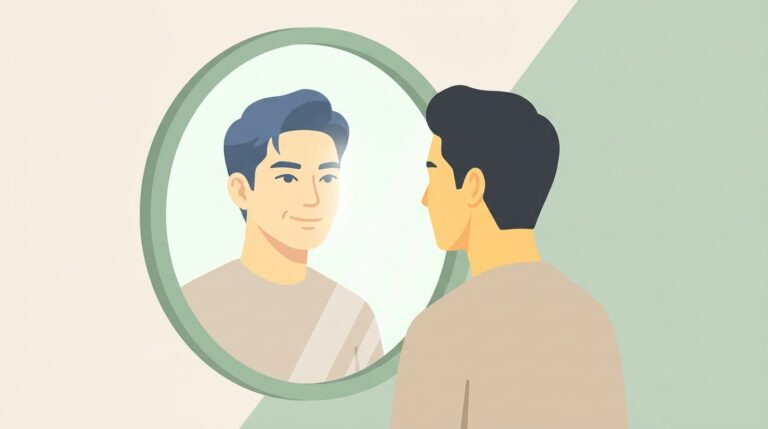
Decoding South Korea’s Evolving Male Aesthetic: “그루밍족” (Grooming-jok) & Plastic Surgery Trends
Phase 1: Empathy (스토리 몰입형 오프닝)
안녕하세요! Welcome back to another Masterclass with Daily Hangul. I’m your resident Seoul editor and culture navigator.
Imagine walking down the sleek streets of Apgujeong (압구정)—Seoul’s plastic surgery mecca. You see post-treatment recovery bands not just on young women, but on young men sipping iced americanos, casually chatting about “콧대” (the bridge of the nose) or “사각턱” (square jawlines).
If your traditional textbook taught you that plastic surgery in Korea is exclusively a female pursuit, it is time for a major update. The male aesthetic standard in Korea has shifted dramatically from the heavy, masculine “machismo” to a highly sophisticated, clean-cut, and meticulously groomed look. Today, we are diving deep into the advanced linguistic nuances surrounding male grooming and cosmetic procedures at a C2 proficiency level. This guide is built on real linguistic feedback from expats navigating Korea’s high-end medical clinics and beauty consultations. Ready to sound like an absolute Seoul insider? Let’s begin!
Phase 2: Core Expressions (핵심 표현 3선 심층 분석)
1. 그루밍족 (Grooming-jok)
- Pronunciation: Geu-ru-ming-jok (Sounds like “grooming” + “jock” but with a shorter ‘o’ sound as in “folk”)
- Meaning: The Grooming Tribe; men who invest heavily in cosmetics, fashion, and cosmetic procedures.
- K-Culture Moment: Often used in lifestyle documentaries or reality shows like I Live Alone (나 혼자 산다) to describe a male celebrity’s 10-step skincare and clinical routine.
- Editor’s Insight: The suffix “-족” (-jok / tribe) is added to lifestyle trends. While it used to refer to extreme metrosexuals, it is now standard terminology for any man who actively maintains his appearance beyond basic hygiene.
- Situation Spectrum: Casual ✅ | Semi-formal ✅ | Formal ✅
- 🤔 Think About It: How does your culture label men who invest in beauty? Is there a subtle social stigma attached to it, or is it normalized like in modern Seoul?
2. 가꾸다 (Gakkuda) / 외모를 가꾸다 (Oemoreul gakkuda)
- Pronunciation: Gae-kkoo-dah (Rhymes with “ah-coo-da”)
- Meaning: To cultivate, prune, or groom (one’s appearance).
- K-Culture Moment: You will hear K-Drama male leads say, “요즘 남성들도 자기 관리를 위해 외모를 가꾸는 건 기본이죠.” (These days, even men cultivating their appearance for self-management is a given.)
- Editor’s Insight: “가꾸다” is beautifully poetic. It originally meant to cultivate a garden (정원을 가꾸다). Using this word for self-care implies that the human body and face are gardens that require continuous, loving cultivation rather than sudden, drastic alterations.
- Situation Spectrum: Casual ✅ | Semi-formal ✅ | Formal ✅
- 🤔 Think About It: Compare “to groom” with “to cultivate a garden.” How does this linguistic metaphor change your perspective on cosmetic self-improvement?
3. 티 안 나게 (Ti an nage)
- Pronunciation: Tee ahn nah-gae (Sounds like “Tea on nah-gay”)
- Meaning: imperceptibly, subtly, without leaving a trace (literally: “without a trace showing”).
- K-Culture Moment: In consultations at plastic surgery clinics in Gangnam, male clients almost universally request: “선생님, 티 안 나게 해주세요.” (Doctor, please make it look completely natural/unnoticeable.)
- Editor’s Insight: This is the ultimate goal of modern male cosmetic surgery in Korea. Unlike the past where high, sharp, obvious nose bridges (분필 코 – “chalk-like nose”) were sought after, the current trend demands micro-adjustments that make people think you just got a good night’s sleep or lost weight.
- Situation Spectrum: Casual ✅ | Semi-formal ✅ | Formal ⚠️
- 🤔 Think About It: Why is “unnoticeable beauty” considered more prestigious than obvious cosmetic enhancements in high-context societies like Korea?
Phase 3: Textbook Korean vs. Real Korean (교과서 한국어 vs. 진짜 한국어)
Situation 1: Discussing someone who got plastic surgery
- 📖 Textbook: “그는 성형 수술을 했습니다.” (Geu-neun seong-hyeong su-sul-eul haet-seup-ni-da. / He received plastic surgery.)
- 🗣️ 진짜 한국어: “그 친구 요즘 관리 좀 받았더라. 얼굴에 손 좀 댔던데?” (Geu chin-gu yo-jeum gwan-li jom bat-at-deo-ra. Eol-gul-e son jom daet-deon-de? / That guy got some treatments lately. Looks like he touched up his face a bit.)
- 💡 Why the difference? Directly saying “성형 수술” can feel overly clinical or overly blunt in social settings. Idiomatic euphemisms like “관리 받다” (to receive management/care) or “손을 대다” (to touch up/work on) sound much more natural and socially polished.
Situation 2: Expressing a desire for a natural-looking procedure
- 📖 Textbook: “자연스러운 수술 결과를 원합니다.” (Ja-yeon-seu-ro-un su-sul gyeol-gwa-reul won-hap-ni-da. / I want a natural surgical result.)
- 🗣️ 진짜 한국어: “한 듯 안 한 듯 자연스럽게 채워주세요.” (Han deut an han deut ja-yeon-seu-reop-ge chae-wo-ju-se-yo. / Please fill it in naturally, as if I did it but didn’t do it.)
- 💡 Why the difference? “한 듯 안 한 듯” (as if done but not done) is a highly colloquial, high-level expression that captures the exact cultural paradox of desiring aesthetic enhancement while preserving natural authenticity.
Phase 4: K-Culture Deep Dive & Non-verbal Etiquette
4-1. Nunchi & Clinic Body Language
When consulting in Korea, Nunchi (눈치 – emotional quickness) is key.
* The “Indirect Mention” (돌려 말하기): It is considered slightly unrefined to point at someone’s face and ask what surgery they had. Instead, Koreans use compliments like “인상이 훨씬 훤해지셨어요” (Your impression has become much brighter/clearer). This acknowledges their subtle grooming efforts without breaching privacy.
* Eye Contact during Consultations: Unlike Western consultations where aggressive questioning is common, Korean male clients often maintain a respectful, listening posture, nodding with soft “아, 네…” (Ah, yes…) sounds, while subtly using hand gestures to point at their “T-존” (T-zone: forehead and nose bridge) to specify aesthetic goals.
4-2. The “Beast-Like Idol” to “Soft Boy” Shift
If the late 2000s Korean male aesthetic was dominated by beast-like idols (짐승돌) with hyper-masculine bodies, the modern era belongs to the “Milky Boy” (밀크남) or “Flower Boy” (꽃미남) aesthetic. This features soft jawlines, flawlessly clear skin, and a neat, straight brow. Korean men undergo “쁘띠성형” (petit cosmetic procedures like Botox, fillers, and laser skin resurfacing) or “다운펌” (down-perm to sleekly flatten side hair) as a routine form of professional etiquette (자기관리 – self-management).
Phase 5: Real-Life Roleplay Scenario
Setting: A premium plastic surgery and dermatology clinic in Sinsa-dong.
Characters:
* 민우 (Min-woo): A 30-year-old marketing manager who wants to look refreshed and neat for his career progression.
* 실장님 (Consultation Manager): An elegant, highly professional medical coordinator.
- 실장님: 🎭 (Smiles warmly, reviewing a chart) 민우 씨, 오늘 특히 고민이신 부위가 있으실까요?
- Min-woo ssi, o-neul teuk-hi go-min-i-sin bu-wi-ga is-seu-sil-kka-yo?
- “Min-woo, is there a particular area you are concerned about today?”
- 민우: 🎭 (Shyly scratches his neck, pointing at his nose and eyes) 요즘 들어 피곤해 보인다는 말을 자꾸 들어서요. 인상을 좀 훤하게 가꾸고 싶어서 왔습니다.
- Yo-jeum deul-eo pi-gon-hae bo-in-da-neun mal-eul ja-kku deul-eo-seo-yo. In-sang-eul jom hwon-ha-ge ga-kku-go sip-eo-seo wat-seup-ni-da.
- “Lately, I keep hearing that I look tired. I came in because I want to cultivate a brighter, clearer impression.”
- 실장님: 🎭 (Nodding empathetically) 아, 요즘 남성 고객님들은 자연스러운 T존 라인과 눈 밑 그늘 개선을 많이 찾으세요. 혹시 생각해 두신 성형 스타일이 있으신가요?
- Ah, yo-jeum nam-seong go-gaek-nim-deul-eun ja-yeon-seu-ro-un T-zone-rain-gwa nun-mit geu-neul gae-seon-eul man-hi chat-eu-se-yo. Hok-si saeng-gak-hae du-sin seong-hyeong seu-ta-il-i is-seu-sin-ga-yo?
- “Ah, these days our male clients look for a natural T-zone line and improvement under the eyes. Did you have a specific style in mind?”
- 민우: 음… 수술한 티 안 나게, 원래 제 코처럼 자연스러우면서도 콧대만 살짝 잡고 싶어요. 너무 과하면 부담스러워서요.
- Eum… su-sul-han ti an na-ge, won-rae je ko-cheo-rom ja-yeon-seu-ro-myeon-seo-do kot-dae-man sal-jjak jap-go sip-eo-yo. Neo-mu gwa-ha-myeon bu-dam-seu-reo-wo-seo-yo.
- “Well… without looking like I had surgery, natural like my original nose, but I just want to subtly define the bridge. If it’s too much, it feels burdensome.”
- 실장님: 🎭 (Gently tapping her tablet) 아주 정확하게 짚으셨어요. 요즘 남성 성형 트렌드가 바로 ‘한 듯 안 한 듯’ 이거든요. 콧대는 직선으로 깔끔하게 빼고, 피곤해 보이는 눈 밑은 간단한 필러로 메우면 훨씬 생기 있어 보이실 겁니다.
- A-ju jeong-hwak-ha-ge jip-eu-syeot-eo-yo. Yo-jeum nam-seong seong-hyeong teu-ren-deu-ga ba-ro ‘han deut an han deut’ i-geo-deun-yo. Kot-dae-neun jik-seon-eu-ro kkal-kkeum-ha-ge ppae-go, pi-gon-hae bo-i-neun nun-mit-eun gan-dan-han pil-ler-ro me-u-myeon hwon-sin saeng-gi is-seo bo-i-sil geom-ni-da.
- “You hit the nail on the head. These days, the male plastic surgery trend is exactly ‘as if done but not done’. We’ll pull the bridge straight and clean, and fill the tired under-eyes with simple fillers. You will look much more vibrant.”
- 민우: 🎭 (Relieved) 다행이네요. 그럼 회복 기간은 얼마나 걸릴까요? 다음 주에 중요한 미팅이 있어서요.
- Da-haeng-i-ne-yo. Geu-reom hoe-bok gi-gan-eun ol-ma-na geol-ril-kka-yo? Dae-um ju-e jung-yo-han mi-ting-i is-seo-seo-yo.
- “That’s a relief. How long will the recovery period take? I have an important meeting next week.”
- 실장님: 레이저와 필러 시술은 멍과 부기가 거의 없어 바로 일상생활이 가능하시고, 코 라인 교정은 일주일 정도면 큰 부기는 다 빠집니다.
- Re-i-jeo-wa pil-ler si-sul-eun meong-gwa bu-gi-ga geo-ui eop-seo ba-ro il-sang-saeng-hwal-i ga-neung-ha-si-go, ko-rain gyo-jeong-eun il-ju-il jeong-do-myeon keun bu-gi-neun da ppa-jim-ni-da.
- “Laser and filler treatments have almost no bruising and swelling, so you can return to daily life immediately, and for nose line correction, the major swelling will subside in about a week.”
- 민우: 좋습니다. 그럼 오늘 상담한 내용대로 예약을 진행하고 싶습니다.
- Jot-seup-ni-da. Geu-reom o-neul sang-dam-han nae-yong-dae-ro ye-yak-eul jin-haeng-ha-go sip-seup-ni-da.
- “Great. I’d like to book the appointment based on today’s consultation.”
🔀 Choose Your Path (인터랙티브 분기점)
How should Min-woo respond if his friends notice his subtle facial change next week?
- A: “성형외과에서 콧대랑 필러 시술 제대로 받고 왔어!” (I went to the clinic and got proper nose and filler work done!)
- Feedback (Risk): Honest, but too blunt. It might disrupt the high-context, subtle flow of Korean conversations unless you are extremely close with them.
- B: “아무것도 안 했는데? 왜 그래?” (I didn’t do anything? Why are you being like that?)
- Feedback (Bad): Overly defensive. If there is a visible, pleasant change, denying it flatly can make the interaction awkward.
- C: “요즘 피부가 좀 푸석해서 관리 좀 받았지.” (My skin was dry lately, so I just got some clinical management.)
- Feedback (Best!): Socially flawless! It acknowledges self-care (“관리”) without oversharing clinical details, keeping with the cool “그루밍족” persona.
Phase 6: 10-Second Emotional Shadowing Drill
Practice speaking with authentic Korean tone and emotional cadence. Pay attention to the pauses (/) and emotional cues.
Drill 1
- Sentence: 요즘은 / 남성들도 / 외모를 가꾸는 시대잖아요. 깎아놓은 듯한 느낌 말고 / 자연스럽게 해주세요.
- Pronunciation: Yo-jeum-eun / nam-seong-deul-do / oe-mo-reul ga-kku-neun si-dae-ja-na-yo. Kkak-a-no-un deu-tan neuk-kim mal-go / ja-yeon-seu-reop-ge hae-ju-se-yo.
- Emotional Guide:
[😊 Confidently but politely explaining your desired natural aesthetic] - Meaning: “These days, isn’t it an era where men also cultivate their appearance? Don’t make it look chiseled or artificial; please make it natural.”
Drill 2
- Sentence: 성형한 거 / 티 안 나게 / 정말 잘 됐다! / 인상이 훨씬 깔끔해졌어.
- Pronunciation: Seong-hyeong-han geo / ti an na-ge / jeong-mal jal dwaet-da! / In-sang-i hwon-shin kkal-kkeum-hae-jyeot-eo.
- Emotional Guide:
[😲 Expressing gentle, supportive admiration of a friend's subtle change] - Meaning: “Your surgery is so subtle without showing any traces! Your impression became much cleaner.”
Phase 7: K-Culture Mini-Dictionary (K-Culture 미니 사전)
- 자기관리 (Jagi-gwanri) | Self-Management
- Beyond time management, this refers to maintaining one’s fitness, skin, hair, and style. In Korea, failing to groom oneself is often perceived as a lack of professional discipline.
- 훈남 (Hun-nam) | A Warm, Handsome Guy
- A portmanteau of “훈훈하다” (warm/heartwarming) and “남자” (man). Unlike a classically perfect handsome man (미남), a hun-nam has a charming, approachable, and extremely neat look.
- 다운펌 (Down-Perm) | Side-hair Flattening Perm
- A staple service in Korean barbershops and salons. It chemical-pastes down the side hair so the male head shape looks smaller and sleeker.
- 쁘띠성형 (Petit-Seonghyeong) | Petit Cosmetic Procedures
- Non-invasive procedures (Botox, fillers, lasers) that require zero downtime and yield subtle, “티 안 나는” natural improvements.
Phase 8: Traveler’s Survival Kit
Survival Expressions for Male Grooming
- “자연스러운 남성 코 성형 상담 예약하고 싶어요.”
- Ja-yeon-seu-ro-un nam-seong ko seong-hyeong sang-dam ye-yak-ha-go sip-eo-yo.
- “I’d like to book a consultation for natural male rhinoplasty.”
- “부기가 가라앉는 데 얼마나 걸릴까요?”
- Bu-gi-ga ga-ra-ant-neun de ol-ma-na geol-ril-kka-yo?
- “How long will it take for the swelling to subside?”
- “남성 전문 원장님으로 지정할 수 있나요?”
- Nam-seong jeon-mun won-jang-nim-eu-ro ji-jeong-hal su in-na-yo?
- “Can I request a head doctor who specializes in male procedures?”
🗺️ Editor’s Travel Note
If you plan to explore cosmetic consultations in Seoul, download the “Gangnam Unni” (강남언니) or “Babytalk” (바비톡) apps on your mobile device. These apps provide verified user reviews, before-and-after photos specifically categorized for male surgeries, and direct consultation booking services. Note: Clinic operating hours and pricing are subject to change; always verify with an English-speaking coordinator prior to booking.
Phase 9:
Frequently Asked Questions (FAQ)
Q: What does "그루밍족 (Grooming-jok)" mean in Korean and how do you pronounce it?
A: In Korean, "그루밍족 (Grooming-jok)" is pronounced [Geu-ru-ming-jok (Sounds like "grooming" + "jock" but with a shorter 'o' sound as in "folk"] and means: The Grooming Tribe; men who invest heavily in cosmetics, fashion, and cosmetic procedures.
Q: What does "가꾸다 (Gakkuda) / 외모를 가꾸다 (Oemoreul gakkuda)" mean in Korean and how do you pronounce it?
A: In Korean, "가꾸다 (Gakkuda) / 외모를 가꾸다 (Oemoreul gakkuda)" is pronounced [Gae-kkoo-dah (Rhymes with "ah-coo-da"] and means: To cultivate, prune, or groom (one's appearance).
Q: What does "티 안 나게 (Ti an nage)" mean in Korean and how do you pronounce it?
A: In Korean, "티 안 나게 (Ti an nage)" is pronounced [Tee ahn nah-gae (Sounds like "Tea on nah-gay"] and means: imperceptibly, subtly, without leaving a trace (literally: "without a trace showing").







