

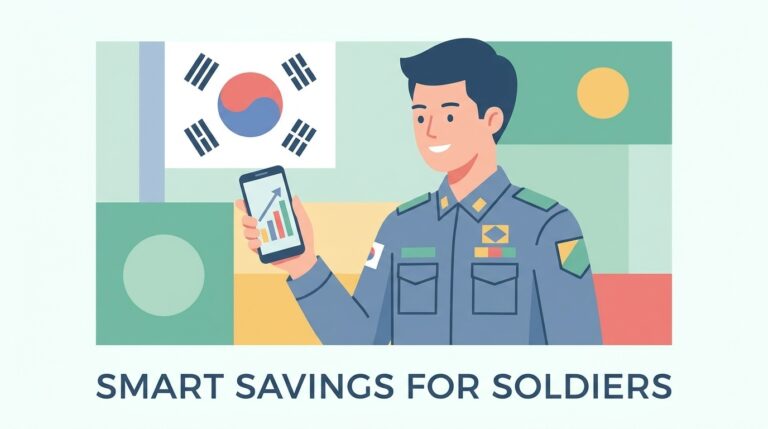
Decoding Korea’s Military Shifts: What the Service Reduction and Sergeant Pay Raise Really Mean to Koreans
안녕하세요! 매일한글(Daily Hangul)의 수석 에디터이자, 여러분의 다정한 한국인 단짝 친구입니다.
Today, we are diving deep into a topic that is absolutely central to the lives of every Korean family, yet highly nuanced and rapidly evolving: Korea’s mandatory military service (병역 의무). Specifically, we’ll analyze the massive social discourse surrounding the shortened service duration (군 복무 단축) and the unprecedented rise in sergeants’ monthly salaries (병장 월급 인상).
If you have ever watched K-Dramas like D.P. or Descendants of the Sun, or followed K-Pop groups going on hiatus for their service, you probably know how significant this topic is. For C2 learners, discussing the military in Korean isn’t just about basic vocabulary; it requires a sophisticated grasp of societal shifts, generational divides, and subtle emotional undertones.
Many advanced learners struggle with the delicate emotional landscape here. Talk about the military too lightly, and you might sound dismissive of a young man’s sacrifice. Use overly textbook terms, and you’ll miss the humorous, bittersweet, and highly colloquial way real Koreans discuss “the green zone.” Let’s master this complex cultural and linguistic terrain together!
Phase 2: Deep-Dive into 3 Core Expressions
To speak like a true cultural insider, you must master these three highly advanced expressions that populate the comment sections of Korean news articles and everyday banter regarding the military.
1. 격세지감을 느끼다 (Gyeok-se-ji-gam-eul neu-ki-da)
- Pronunciation: Gyeok-se-ji-gam-eul neu-ki-da (Sounds like “Gyux-seh-jee-gam”)
- Meaning: To marvel at how much things have changed; to experience a profound sense of a generation gap.
- K-Culture Moment: You will hear this constantly when older men (40s-60s) look at the military lives of young Gen Z soldiers today—noting their smartphones, shorter service terms (now 18 months for the Army), and vastly improved food.
- Editor’s Insight: This Hanja idiom (隔世之感) literally means “the feeling of being in a different generation.” It is the perfect, elegant way to describe the transition from the harsh, low-paying military of the 1990s to today’s modernized forces.
- Situation Spectrum: Casual ⚠️ | Semi-formal ✅ | Formal ✅
- 🤔 Think About It: How does your culture describe a massive societal shift over a relatively short period? Is there a single word that captures this bittersweet realization of progress?
2. 애국페이 (Ae-guk-pe-i)
- Pronunciation: Ae-guk-pe-i (Sounds like “Ah-gook pay”)
- Meaning: “Patriotism Pay” (A sarcastic portmanteau of “애국” [patriotism] and “페이” [pay], referring to exploiting labor under the guise of serving one’s country).
- K-Culture Moment: This term was widely used by the public to criticize the historically abysmal wages of conscripted soldiers (who earned less than $100/month in the early 2000s) while performing rigorous national defense duties.
- Editor’s Insight: The current governmental push to raise a sergeant’s monthly wage close to 2,000,000 KRW (approx. $1,500 USD) by 2025 is directly aimed at dismantling this “애국페이” system. Using this word shows you understand contemporary Korean labor and youth struggles.
- Situation Spectrum: Casual ✅ | Semi-formal ✅ | Formal 🚫
- 🤔 Think About It: In your country, is public service viewed primarily as a civic duty that transcends monetary compensation, or should it always be matched with fair market wages?
3. 군기가 빠지다 (Gun-gi-ga ppa-ji-da)
- Pronunciation: Gun-gi-ga ppa-ji-da (Sounds like “Goon-ghee-gah pah-jee-dah”)
- Meaning: To lose military discipline; to become soft or slack.
- K-Culture Moment: Often uttered by retired veterans or senior soldiers when they see junior soldiers using cell phones after work or talking casually with superior officers.
- Editor’s Insight: “군기” (military discipline) and “빠지다” (to drain/fall out). While often used in a strict military context, Koreans also use this humorously in offices or schools when someone arrives late or acts excessively relaxed.
- Situation Spectrum: Casual ✅ | Semi-formal ⚠️ | Formal 🚫
- 🤔 Think About It: Why does a society’s perception of “discipline” change when physical hardship decreases? How do we balance modern comfort with institutional readiness?
Phase 3: Textbook Korean vs. Real-Life Korean
Let’s compare the stiff sentences found in Standard King Sejong Institute grammar books with the gritty, vivid phrases actually spoken by Korean youth.
Situation 1: Discussing entering the military
- 📖 Textbook: “저는 내년에 군대에 입대할 예정입니다.” (I plan to enlist in the military next year.)
- 🗣️ Real-Life: “저 내년에 군대 끌려가요.” (I’m getting dragged off to the military next year.)
- 💡 Why the Difference? Because conscription is mandatory, young Korean men jokingly view enlistment not as a voluntary walk in the park, but as being “dragged away” (끌려가다). It’s a humorous coping mechanism that instantly bonds men who share the same fate.
Situation 2: Expressing envy over the new monthly salary raise
- 📖 Textbook: “병사들의 급여가 대폭 인상되어 다행입니다.” (It is a relief that soldiers’ salaries have increased significantly.)
- 🗣️ Real-Life: “요즘 군대 월급 완전 떡상했네. 라떼는 상상도 못 했지.” (Wow, military salaries have totally skyrocketed lately. In my day, we couldn’t even dream of that.)
- 💡 Why the Difference? “떡상” (skyrocketed/boomed) is modern financial slang used for stocks and crypto, now applied to salaries. “라떼는 말이야” (Speaking of my days/Back in my day) is a ubiquitous meme mocking older generations’ boastful nostalgia.
Phase 4: K-Culture Deep-Dive & Non-Verbal Manners
4-1. The Art of the Salute & The ‘Nunchi’ of the Private
When military topics arise, non-verbal cues carry immense weight. If you visit a friend at a military base or meet someone who has just completed their service:
* The Salute (경례 – Gyeong-rye): The hand must be perfectly flat, fingers aligned, with the tip of the index finger resting near the outer edge of your right eyebrow. A lazy salute is considered highly disrespectful and a sign that “군기가 빠졌다” (discipline has slipped).
* The Reservist Slouch: Conversely, once a Korean man enters the Reserves (예비군), his posture completely changes. The tight, upright posture of active duty melts into a deliberately sluggish, hand-in-pocket slouch. This is a quiet, collective protest of civilian life reclaiming its freedom. If you want to make a Korean man laugh, mimic this transition!
4-2. The Shifting Cultural Code: From “D.P.” to the “Smart Soldier”
Historically, military dramas like Descendants of the Sun romanticized the military. However, realistic masterpieces like Netflix’s D.P. (Deserter Pursuit) exposed the dark side of systemic abuse, low wages, and prolonged isolation.
The current policy of shortening the service to 18 months and raising the sergeant’s salary is a direct response to this shifting cultural sentiment. Modern Korean society no longer views young soldiers as free labor. With smartphones allowed in barracks from 6:00 PM to 9:00 PM, soldiers are now studying for certificates, trading stocks, and maintaining ties with the outside world. The military is evolving from a “black hole of lost time” into a “period of self-development with decent pay.”
Phase 5: Real-Life Roleplay Scenario
Setting: A trendy pojangmacha (street food tent) in Mapo, Seoul.
Characters:
* Min-jun (민준): A 28-year-old corporate worker who served in the Army back in 2016 (when a sergeant’s salary was roughly 216,000 KRW).
* Ji-hoon (지훈): Min-jun’s younger cousin, currently serving as an Army Sergeant, out on a 3-day weekend leave (휴가).
- 민준: (소주잔을 채워주며) 지훈아, 요즘 군 생활 할 만하냐? 요즘은 군대 복무 기간도 짧아져서 18개월이라며?
- (Min-jun: (Filling the soju glass) Ji-hoon, is military life tolerable these days? I heard the service duration is shortened to 18 months now?)
- 지훈: (잔을 두 손으로 받으며) 네, 형. 진짜 시간은 빨리가요. 저 다음 달에 벌써 전역이잖아요.
- (Ji-hoon: (Receiving the glass with both hands) Yes, Hyung. Time really flies. I’m already getting discharged next month.)
- 민준: 대박이다. 야, 그리고 기사 보니까 병장 월급이 이백만 원 가까이 된다는데 진짜냐?
- (Min-jun: That’s crazy. Hey, and I saw in the news that a sergeant’s salary is nearly 2 million won now, is that true?)
- 지훈: (헤헤 웃으며) 적금 부지런히 부어서 전역할 때 천만 원 넘게 들고 나가려고요. 휴대폰으로 주식 투자도 조금씩 해요.
- (Ji-hoon: (Giggling) I’m diligently saving up in an installment account to walk out with over 10 million won when I’m discharged. I even do a bit of stock trading on my phone.)
- 민준: (기가 차다는 듯이 웃으며) 허, 참. 진짜 격세지감이네. 라떼는 한 달에 이십만 원도 못 받아서 휴가 나오면 부모님한테 손 벌려야 했는데.
- (Min-jun: (Laughing in disbelief) Ha, wow. I really feel the generation gap. In my day, we didn’t even get 200,000 won a month, so when we went on leave, we had to ask our parents for money.)
- 지훈: (눈치를 살피며) 에이 형, 그래도 저희도 나름 군대의 고충이 있어요! 매일 훈련받는 건 똑같단 말이에요.
- (Ji-hoon: (Reading the room carefully) Come on Hyung, but we still have our own struggles in the military! Training every single day is exactly the same.)
- 민준: (지훈의 어깨를 툭 치며) 알지 알지. 나라 지키느라 고생하는 건 매한가지지. 월급 더 많이 줘야 돼, 당연히.
- (Min-jun: (Patting Ji-hoon’s shoulder) I know, I know. Protecting the country is tough no matter when you serve. They absolutely should pay you guys more.)
- 지훈: (감동하며 잔을 부딪친다) 역시 형밖에 없네요! 짠 합시다!
- (Ji-hoon: (Touched, clinking glasses) You’re the best, Hyung! Cheers!)
🔀 Interactive Choice Points
How would you respond to Min-jun if you were in Ji-hoon’s shoes?
- Option A: “요즘 군대가 군대인가요? 완전 개꿀이죠!” (Is the military even the military these days? It’s an absolute piece of cake!)
- Feedback (Risk): While honest, calling it “개꿀” (extremely easy/sweet) in front of an older veteran might make you look like you have “군기가 빠졌다” (no discipline) and dismisses your own hard work.
- Option B: “형 때는 정말 힘드셨겠어요. 형들 덕분에 저희 환경이 좋아진 것 같습니다. 감사합니다.” (It must have been so hard in your day, Hyung. Thanks to you guys, our environment has improved. Thank you.)
- Feedback (Best): Pure gold! It acknowledges the veteran’s past hardships with respect, instantly bridging the generational gap and earning you a free meal.
- Option C: “월급 많이 받아도 군대는 군대예요. 군대에 하루도 더 있기 싫어요.” (Even if we get paid a lot, the military is still the military. I don’t want to be here for even a single day longer.)
- Feedback (Bad): Too direct and complaining. It might bring down the warm mood of the drinking session.
Phase 6: 10-Second Emotional Shadowing Drill
Master the cadence, pauses (/), and emotional spikes of a real Korean veteran complaining playfully to his younger peers.
[🥺 Bittersweet nostalgia mixed with playful jealousy]

라떼는 말이야, / 한 달에 십만 원 받고 / 나라를 지켰어! //
Ra-tte-neun ma-ri-ya, / han dal-e sim-man-won bat-go / na-ra-reul ji-kyeot-eo! //
(In my day, / I protected the nation / while earning 100,000 won a month!)

[😎 Proud but teasing]

요즘 병장들은 / 월급이 백만 원이 넘는다니, / 진짜 세상 좋아졌지! //
Yo-jeum byeong-jang-deul-eun / wol-geub-i baeng-man-won-i neom-neun-da-ni, / jin-jja se-sang jo-a-jyeot-ji! //
(To think today's sergeants / get paid over a million won, / the world has truly improved!)
Phase 7: K-Culture Mini-Dictionary
- 군필 (Gun-pil / Military-Completed): A man who has successfully finished his mandatory military service. Highly prized in the corporate hiring process as a sign of resilience.
- 미필 (Mi-pil / Uncompleted): A male who has not yet completed his military service. This status can sometimes restrict long-term overseas travel or visa applications for young men.
- 예비군 (Ye-bi-gun / Reservists): For 8 years after discharge, Korean men must attend annual training. You will see them walking around cities once a year in slightly loose military uniforms.
- 짬밥 (Jjam-bap / Military Food): Literally “leftover rice,” used colloquially to refer to institutional military food. In Korean corporate culture, it is used metaphorically to describe years of experience (“짬밥이 차다” means to gain seniority).
Phase 8: The Traveler’s Survival Kit
If you ever meet a Korean friend who is enlisted or just got discharged, these three lines will instantly make you their favorite foreigner.
| Expression (한글) | Romanization | Pro Tip |
|---|---|---|
| 몸 건강히 잘 다녀와! | Mom geon-gang-hi jal da-nyeo-wa! | Said to someone enlisting. It means “Go and return in good health!” |
| 전역을 축하해! 고생 많았어! | Jeon-yeok-eul chuk-ha-hae! Go-saeng man-at-eo! | Said to someone discharged. It means “Congrats on your discharge! You went through so much!” |
| 충성! | Chung-seong! | The standard Army salute greeting, meaning “Loyalty!”. Say this jokingly with a crisp salute. |
Editor’s Travel Note:
If you are visiting a friend on a military base (called a “면회” – myeon-hoe), do not rely on standard Google Maps, as military installations are blurred out for national security. Instead, download the 네이버 지도 앱 다운로드 (Naver Map App) or KakaoMap to find public bus routes leading to civilian-accessible meeting areas near the bases.
Phase 9:
Frequently Asked Questions (FAQ)
Q: What does "격세지감을 느끼다 (Gyeok-se-ji-gam-eul neu-ki-da)" mean in Korean and how do you pronounce it?
A: In Korean, "격세지감을 느끼다 (Gyeok-se-ji-gam-eul neu-ki-da)" is pronounced [Gyeok-se-ji-gam-eul neu-ki-da (Sounds like "Gyux-seh-jee-gam"] and means: To marvel at how much things have changed; to experience a profound sense of a generation gap.
Q: What does "애국페이 (Ae-guk-pe-i)" mean in Korean and how do you pronounce it?
A: In Korean, "애국페이 (Ae-guk-pe-i)" is pronounced [Ae-guk-pe-i (Sounds like "Ah-gook pay"] and means: "Patriotism Pay" (A sarcastic portmanteau of "애국" [patriotism] and "페이" [pay], referring to exploiting labor under the guise of serving one's country).
Q: What does "군기가 빠지다 (Gun-gi-ga ppa-ji-da)" mean in Korean and how do you pronounce it?
A: In Korean, "군기가 빠지다 (Gun-gi-ga ppa-ji-da)" is pronounced [Gun-gi-ga ppa-ji-da (Sounds like "Goon-ghee-gah pah-jee-dah"] and means: To lose military discipline; to become soft or slack.







