

Hello there! This is the Lead Editor of Daily Hangul.
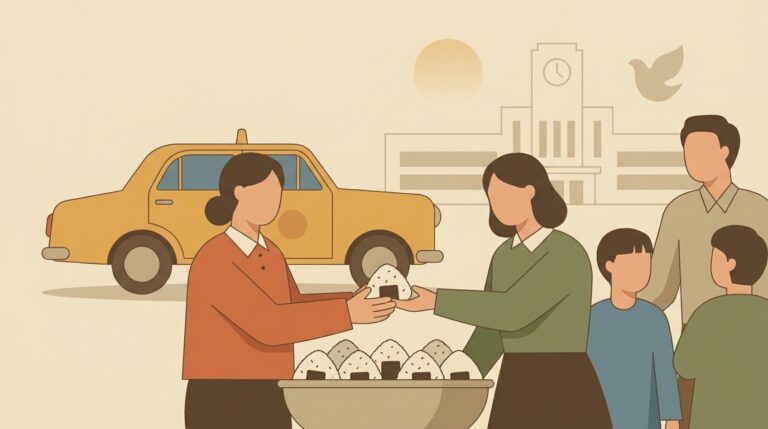
Imagine this: You are watching a hit K-Drama like Youth of May (오월의 청춘) or the blockbuster film A Taxi Driver (택시운전사). The screen is filled with the vibrant, retro aesthetic of 1980s South Korea. Suddenly, the tone shifts. Sirens wail, ordinary citizens are running through tear gas, and the subtitle simply reads, “We must protect our city.”
If you’ve been consuming Korean media, you’ve likely stumbled upon references to May 18, 1980—the Gwangju Uprising (5.18 민주화 운동). But textbooks often just give you the dry dates and facts. To truly reach a C1 level in Korean, you need more than just vocabulary; you need to understand the cultural and historical heartbeat of the language.
When a Korean friend says a movie left them feeling “먹먹하다”, they aren’t just saying they are sad. They are expressing a profound, chest-tightening empathy tied to modern history. Let’s dive deep into the language of resilience, solidarity, and memory that shaped the very freedom modern K-Culture enjoys today. This guide is built from the deep, late-night conversations my advanced students have had after watching Korean historical films.
Phase 2: Core Expressions Deep Dive
At the C1 level, we move beyond basic emotions and start using words that carry historical and societal weight.
1. 먹먹하다
- Pronunciation: meong-meok-ha-da [sounds like: mung-muck-ha-da]
- Meaning: (Literal) Deafened/Muffled; (Real nuance) To feel a heavy, suffocating sadness in your chest; to be choked up with emotion.
- K-Culture Moment: You are sitting in a pojangmacha (pocha) after watching A Taxi Driver. No one is speaking. Someone sighs and says, “가슴이 너무 먹먹하네” (My heart feels so heavy).
- Editor’s Insight: This isn’t the “crying out loud” kind of sad (슬프다). It’s the stunned, lingering silence you feel when witnessing a profound historical tragedy or an incredibly moving sacrifice.
- Situation Spectrum:
- Close Friends (Casual): ✅
- Coworkers (Semi-formal): ✅
- Boss/Elders (Formal): ✅ (Used broadly to express deep empathy)
- 🤔 Think About It: Why do Koreans use a word that originally means “ears feeling blocked” (like changing altitudes in a plane) to describe sadness? How does physical sensation mirror emotional trauma in your native language?
2. 민주화의 밑거름이 되다
- Pronunciation: min-ju-hwa-ui mit-geo-reum-i doe-da [sounds like: min-joo-hwa-eui meet-gaw-reum-ee dwe-da]
- Meaning: (Literal) To become the fertilizer for democratization; (Real nuance) To be the foundational sacrifice/stepping stone for democracy.
- K-Culture Moment: You’ll hear this exact phrasing in TV documentaries, news anchors on May 18th, or when politicians give memorial speeches at the National Cemetery in Gwangju.
- Editor’s Insight: 밑거름 means fertilizer or foundation. It implies that the blood and tears shed during the 5.18 movement directly nurtured the democracy South Korea has today.
- Situation Spectrum:
- Close Friends (Casual): ⚠️ (A bit too academic for casual chat)
- Coworkers/Debates (Semi-formal): ✅
- Boss/Elders/Essays (Formal): ✅
- 🤔 Think About It: South Korea achieved rapid democratization in just a few decades. How does acknowledging the “foundation” (sacrifices of the past) shape the modern Korean identity?
3. 여운이 가시질 않다
- Pronunciation: yeo-un-i ga-si-jil an-ta [sounds like: yuh-oon-ee gah-she-jeel ahn-ta]
- Meaning: (Literal) The lingering imagery/sound does not go away; (Real nuance) The emotional afterglow/impact lingers long after it’s over.
- K-Culture Moment: Leaving a theater after a heavy historical film, or finishing a 16-episode drama that tackled deep historical wounds.
- Editor’s Insight: 여운 (yeo-un) is an essential C1 word. It’s the reverberation of a bell after it’s struck. It’s the perfect way to sound like a native intellectual reviewing a piece of art or history.
Phase 3: Textbook vs. Real Korean
Let’s see how advanced speakers naturally talk about history and media.
[Situation 1: Describing a historical movie’s impact]
* 📖 Textbook Korean: 이 영화는 아주 슬프고 감동적입니다. (This movie is very sad and touching.)
* 🗣️ Real Korean: 다 보고 났는데도 여운이 길게 남네요. 가슴이 먹먹해요. (Even after finishing it, the lingering impact is long. My heart feels heavy.)
* 💡 Why the difference?: C1 speakers express the duration and physicality of their emotions rather than just labeling them.
[Situation 2: Acknowledging historical sacrifices]
* 📖 Textbook Korean: 5.18은 민주주의를 만들었습니다. (5.18 made democracy.)
* 🗣️ Real Korean: 그분들의 희생이 지금 우리가 누리는 자유의 밑거름이 된 거죠. (Their sacrifices became the foundation for the freedom we enjoy now.)
* 💡 Why the difference?: Using metaphorical nouns like 밑거름 (foundation/fertilizer) elevates your Korean from “factual reporting” to “eloquent reflection.”
Phase 4: Cultural Context — K-Culture Deep Dive
4-1. Non-Verbal Nuance: The Gravity of Silence
When discussing topics like the 5.18 Democratization Movement, Koreans often employ nunchi (눈치). It is a sensitive, emotionally charged topic. The appropriate non-verbal cue isn’t intense eye contact or loud debate; it’s a slightly lowered gaze, nodding slowly, and allowing silence between sentences. It shows you are digesting the weight of the history.
4-2. K-Drama & K-Food Connection: The Symbolism of Jumeokbap (주먹밥)
If you watch dramas set during the Gwangju Uprising, you will inevitably see scenes of market women hastily making 주먹밥 (Rice balls) in large washbasins to hand out to the citizen militia and students.
- Food as Solidarity: In Korea, eating together is a profound act of community. During the 1980 military blockade of Gwangju, food supplies were cut off. Citizens voluntarily brought out their own rice to make jumeokbap for strangers.
- Critical View: Today, jumeokbap is a cheap, trendy side dish you order with spicy chicken feet (닭발) in Hongdae. But in Gwangju, especially around May, it transforms into a sacred symbol of 대동 정신 (the spirit of absolute solidarity and community).
Phase 5: Real-Life Roleplay Scenario
Setting: Friday night, 10 PM. A quiet, retro-style pub (포장마차) near Jongno. You and two Korean coworkers just finished watching a re-release of a 1980s historical K-Movie. The rain is lightly tapping against the plastic tent.
Characters:
– YOU: An expat working in Seoul, a big fan of Korean cinema, currently at C1 level.
– Min-su (32): Your Korean coworker. Usually upbeat, but currently staring thoughtfully into his soju glass.
Dialogue:
Min-su: 하아… 진짜, 이 영화는 볼 때마다 가슴이 아프네요. 😔
(Ha-a… jinjja, i yeonghwaneun bol ttaemada gaseumi apeuneyo.)
Sigh… seriously, every time I watch this movie, my heart hurts.
(🎭 Stage Direction: Min-su pours a shot of soju for you, then for himself.)
YOU: 맞아요. 영화 후반부에는 너무 숨이 막혀서 말이 안 나오더라고요.
(Majayo. Yeonghwa hubanbu-eneun neomu sumi makyeoseo mari an naodeoragoyo.)
You’re right. In the second half of the movie, I was so suffocated I couldn’t even speak.
Min-su: 그 시민들이 주먹밥 나눠 먹는 장면 있잖아요. 거기서 눈물 꾹 참았어요.
(Geu simindeuri jumeokbap nanwo meongneun jangmyeon itjanayo. Geogiseo nunmul kkuk chamatseoyo.)
You know the scene where the citizens share the rice balls? I really had to hold back my tears there.
🔀 Your Turn! How do you respond like a C1 native speaker?
– A) “영화가 참 슬픕니다. 민주주의는 중요하니까요.” (Too textbook/robotic)
– B) “그러니까요. 다 보고 났는데도 참 먹먹해서 여운이 가시질 않네요.”
– C) “대박 슬펐어요! 완전 헐이에요!” (Inappropriate tone for a historical tragedy)✅ Best Choice: B — Reason: It perfectly mirrors the somber mood using high-level emotional vocabulary (먹먹하다, 여운). It shows profound empathy without sounding like you’re reading a Wikipedia page.
Min-su: (Nodding slowly) 맞아요, 먹먹하다는 표현이 딱이네요. 지금 우리가 이렇게 자유롭게 소주 한잔 할 수 있는 것도, 다 그분들의 희생이 밑거름이 된 덕분이겠죠.
(Majayo, meongmeokadaneun pyohyeoni ttagineyo. Jigeum uriga ireoke jayuropge soju hanjan hal su inneun geotdo, da geubundeurui huisaeng-i mitgeoreumi doen deokbunigetjyo.)
Right, ‘heavy heart’ is the exact right expression. The fact that we can freely drink soju like this right now is all thanks to their sacrifices becoming the foundation.
Phase 6: 10-Second Shadowing Drill
Let’s practice the rhythm of a thoughtful, emotional reflection. Read it slowly, pausing at the slashes.
😔 다 보고 났는데도 / 가슴이 너무 먹먹해서 / 여운이 / 길게 남네요.
(da bogo nanneundedo / gaseumi neomu meongmeokaeseo / yeouni / gilge namneyo.)
“Even after finishing it, my heart is so heavy, and the lingering impact lasts a long time.”
Pro-tip for English speakers: Don’t rush it. Speak softly. The pauses (/) are just as important as the words.
Phase 7: K-Culture Mini Dictionary
| Korean | Romanization | English | Cultural Context |
|---|---|---|---|
| 먹먹하다 | meongmeokada | Heavy-hearted / Choked up | Used when an emotion (often sad or deeply touching) physically tightens your chest. |
| 여운 | yeoun | Lingering imagery/emotion | The afterglow of a great movie, book, or historical site. |
| 밑거름 | mitgeoreum | Foundation / Stepping stone | Often used politically or socially to describe sacrifices that built the present. |
| 주먹밥 | jumeokbap | Rice ball | In the context of Gwangju (5.18), it is the ultimate symbol of citizen solidarity and resistance. |
| 민주화 | minjuhwa | Democratization | A heavily used term in Korean modern history and political discourse. |
Phase 8: Traveler Survival Kit (Gwangju Heritage Edition)
If you truly want to understand this history, visiting Gwangju is a must. The city has transformed historical sites into profound memorial spaces like the Asian Culture Center (ACC) (formerly the Jeollanam-do Provincial Office) and the May 18th National Cemetery.
🆘 Survival Expressions for Gwangju Historical Sites
– 🇰🇷 “국립 5.18 민주묘지 가는 버스 맞나요?” (gungnip o-il-pal minjumyoji ganeun beoseu mannayo?)
– 🗣️ English Guide: Is this the right bus going to the May 18th National Cemetery?
– 📍 Where to use: At bus stops or taking a taxi from Gwangju-Songjeong KTX Station.
- 🇰🇷 “여기 오디오 가이드 영어로 들을 수 있나요?” (yeogi odio gaideu yeong-eoro deureul su innayo?)
- 🗣️ English Guide: Can I listen to the audio guide in English here?
- 📍 Where to use: At the May 18 Archives or ACC.
📌 Editor’s Travel Note
– Transportation: KTX from Seoul to Gwangju-Songjeong takes less than 2 hours.
– Attitude: Gwangju citizens are incredibly proud of their democratic heritage. Showing genuine interest and respect for 5.18 will immediately earn you immense warmth and hospitality from locals.
Phase 9: Critical Thinking — “One Step Deeper”
Media vs Reality: How K-Dramas Reconstruct Trauma
When we watch global hits like Youth of May, it’s easy to view the events purely as entertainment—a tragic backdrop for a Romeo and Juliet romance. However, for Koreans, especially those from the Jeolla province, this is lived, recent memory. The challenge for Korean media is delicate: How do you commercialize trauma without trivializing it? Dramas often achieve this by focusing on ordinary people—a nurse, a medical student, a taxi driver—highlighting that history wasn’t made by untouchable heroes, but by everyday citizens stepping up.
💬 Your Turn: Does your country have a recent historical event that is frequently portrayed in movies or TV shows? How do you feel about the way media handles your native history? Let me know in the comments!
Phase 10: FAQ & Avoiding Misunderstandings
Q: Can I casually bring up politics or the 5.18 movement with Koreans I just met?
Editor’s Advice: NO. While 5.18 is widely recognized as a noble democratization movement, modern Korean politics is still highly polarized along regional and generational lines. It is safer to discuss it in the context of media (e.g., “I watched this movie and learned about Korean history”) rather than launching into a raw political debate.
Q: Is “먹먹하다” only used for sad historical events?
Editor’s Advice: NO. You can use it for a beautifully sad romance novel, a touching documentary about rescue dogs, or even an intensely emotional K-Pop ballad.
❌ Common Mistake #1: Saying “대박!” (Jackpot/Awesome!) or “헐” (OMG) when someone explains a historical tragedy.
✅ Do this instead: Nod slowly and use our C1 phrase: “정말 가슴이 먹먹하네요.” (It truly makes my heart heavy.)
Phase 11: Summary & Action Items
One-Liner Summary: To speak like a C1 native, move beyond simple sadness and use profound words like 먹먹하다 (heavy-hearted) and 여운 (lingering impact) to discuss the weight of Korean modern history and media.
Action Mission 3 Steps:
– 🥉 Bronze (Solo): Stand in front of a mirror and practice saying, “영화 여운이 참 길게 남네요” with a thoughtful, serious expression.
– 🥈 Silver (Online): Find a trailer for A Taxi Driver on YouTube and leave a comment in Korean using 먹먹하다.
– 🥇 Gold (Real-world): Next time you watch a heavy Korean drama/movie with a Korean friend, use the Phase 5 roleplay dialogue to share your thoughts.
🎬 K-Culture Mission: Watch Youth of May (오월의 청춘) or A Taxi Driver (택시운전사). Look out for the scenes where ordinary people share jumeokbap (rice balls). Feel that yeo-un (여운)!
Phase 12: Quiz — Interactive Challenge
1. Fill in the Blank:
You just finished a highly emotional historical K-Drama. You want to express that the feeling isn’t going away.
“다 끝났는데도 ( _______ )이/가 가시질 않네요.”
Hint: It starts with 여…
2. True or False — K-Culture Edition:
“In the context of the Gwangju 5.18 movement, 주먹밥 (jumeokbap) is considered a symbol of extreme poverty and shame.”
3. Situational Judgment:
A Korean elder is telling you about their difficult experiences during the 1980s democratization protests. What is the BEST reaction?
– A) “아, 진짜요? 대박!”
– B) “그분들의 희생이 민주화의 밑거름이 되었네요.”
– C) “저는 정치는 관심 없어요.”
👀 Click here for answers!
1. 여운 (yeo-un). The lingering emotional impact.
2. False. It is a proud symbol of solidarity, community sharing, and resistance (대동 정신).
3. B. This is the most respectful, highly advanced (C1) way to acknowledge their historical sacrifice.
Did you feel the “yeo-un” of today’s lesson? Let me know in the comments what K-Drama made your heart feel “meong-meok”!
Frequently Asked Questions (FAQ)
Q: What does "먹먹하다" mean in Korean and how do you pronounce it?
A: In Korean, "먹먹하다" is pronounced [meong-meok-ha-da [sounds like: mung-muck-ha-da] and means: (Literal) Deafened/Muffled; (Real nuance) To feel a heavy, suffocating sadness in your chest; to be choked up with emotion.
Q: What does "민주화의 밑거름이 되다" mean in Korean and how do you pronounce it?
A: In Korean, "민주화의 밑거름이 되다" is pronounced [min-ju-hwa-ui mit-geo-reum-i doe-da [sounds like: min-joo-hwa-eui meet-gaw-reum-ee dwe-da] and means: (Literal) To become the fertilizer for democratization; (Real nuance) To be the foundational sacrifice/stepping stone for democracy.
Q: What does "여운이 가시질 않다" mean in Korean and how do you pronounce it?
A: In Korean, "여운이 가시질 않다" is pronounced [yeo-un-i ga-si-jil an-ta [sounds like: yuh-oon-ee gah-she-jeel ahn-ta] and means: (Literal) The lingering imagery/sound does not go away; (Real nuance) The emotional afterglow/impact lingers long after it's over.







