

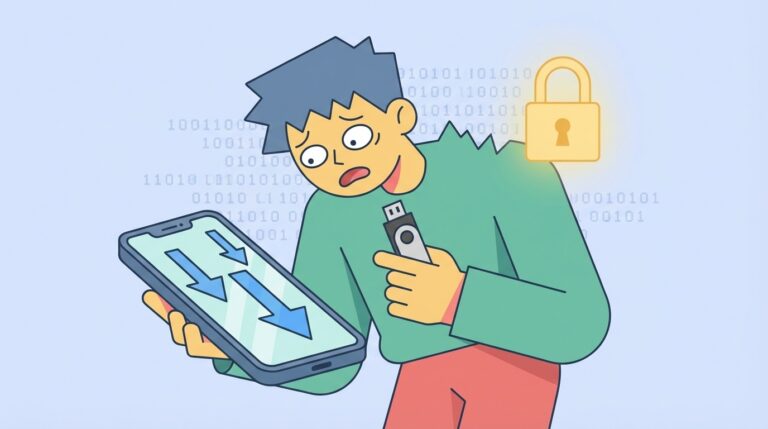
Hello! I’m your Daily Hangul Editor.\n\nPicture this: You are sitting in a trendy cafe in Gangnam. Suddenly, the guy at the next table drops his iced Americano. He stares blankly at his phone, his face completely pale. He mutters, \”아… 거래소 털렸어… (Ah… the exchange got robbed…)\” \n\nIf you’ve been following the global cryptocurrency scene, you know that exchange hacks are a nightmare. But in South Korea, where crypto investment (often called ‘Coin’ in Korean) is practically a national sport among the MZ generation, the cultural and linguistic impact of these events runs deep. You won’t just see textbook phrases like \”My assets have been compromised.\” You will hear visceral, physical expressions of loss, and the desperate scramble to move funds into a 콜드 월렛 (Cold Wallet).\n\nAs an advanced (C1) Korean learner, knowing how to discuss finance, technology, and the raw emotions tied to them will elevate you from a simple language learner to a true \”Insider\” in Korean society. Let’s dive into the highly dynamic, sometimes heartbreaking, world of Korean crypto slang.\n\n—\n\n### Phase 2: Core Expressions – Deep Dive\n\nHere are the top expressions you need when discussing exchange hacks and securing your assets.\n\n> ### 1. 거래소가 털렸대요.\n> – Pronunciation: georaesoga teollyeotdaeyo. (teollyeot-dae-yo sounds like a heavy sigh followed by defeat)\n> – Meaning: The exchange was hacked. (Literal: They say the exchange was dusted/robbed.)\n> – K-Culture Moment: You’ll hear this in K-Dramas when a protagonist’s business fails or they get scammed. In real life, it’s the exact phrase that spreads like wildfire on Korean Telegram and KakaoTalk groups when a crypto platform halts withdrawals.\n> – Editor’s Insight: The verb 털리다 is the passive form of 털다 (to dust off / to rob). Koreans use this physical, visceral verb for digital theft. It conveys a feeling of being completely emptied out, like someone literally shook your pockets empty.\n> – Situation Spectrum:\n> – Friends (Casual): ✅ (거래소 털렸대!)\n> – Coworkers (Semi-formal): ⚠️ (Use cautiously, as money is a sensitive topic)\n> – Boss/Elders (Formal): 🚫 (Use \”해킹 피해를 입었다고 합니다\”)\n> – 🤔 Think About It: Why does Korean use physical verbs like \”shaking the dust off\” for digital hacking? It shows how deeply personal and physical the loss of digital assets feels in a highly digitized society.\n\n> ### 2. 안전하게 콜드 월렛에 빼놔야겠어요.\n> – Pronunciation: anjeonhage koldeu wollese ppaenwayagesseoyo.\n> – Meaning: I should safely move it to a cold wallet. (Literal: I should take it out and set it aside in a cold wallet.)\n> – K-Culture Moment: This is what the smart, tech-savvy friend says at a dinner gathering while everyone else is panicking over market news.\n> – Editor’s Insight: The compound verb 빼놓다 (빼다 + 놓다) is crucial here. ‘빼다’ means to take out, and ‘놓다’ means to put/leave it. Together, it gives the strong C1-level nuance of \”extracting it and securing it for future peace of mind.\” It’s much more natural than just saying \”보관하다\” (to store).\n> – Situation Spectrum:\n> – Friends (Casual): ✅ (콜드 월렛으로 빼놔.)\n> – Coworkers (Semi-formal): ✅\n> – Boss/Elders (Formal): ✅\n> – 🤔 Think About It: The auxiliary verb ‘-아/어 놓다’ emphasizes the continuation of a completed action. How does grammar reflect the Korean desire to \”prepare for the worst\” in advance?\n\n> ### 3. 내 코인 공중분해됐어…\n> – Pronunciation: nae koin gongjungbunhaedwaesseo…\n> – Meaning: My coins vanished into thin air… (Literal: My coins were disassembled in mid-air.)\n> – K-Culture Moment: Imagine a scene where a character checks their portfolio after a major hack, and their balance shows ‘0’. This dramatic phrase is a staple in Korean everyday exaggeration.\n> – Editor’s Insight: While textbook Korean would say \”사라졌어요\” (disappeared), C1 speakers use vivid idioms. \”공중분해\” (mid-air disintegration) perfectly captures the sheer absurdity and helplessness of watching digital wealth vanish due to a blockchain exploit.\n> – Situation Spectrum:\n> – Friends (Casual): ✅\n> – Coworkers (Semi-formal): ⚠️\n> – Boss/Elders (Formal): 🚫\n\n—\n\n### Phase 3: Textbook vs. Real Korean\n\nLet’s compare what you studied with what you will actually hear in a Seoul PC bang or startup office.\n\n| Situation | 📖 Textbook Korean | 🗣️ Real Korean | 💡 Why is it different? |\n|—|—|—|—|\n| An exchange is hacked | 거래소가 해킹 당했습니다. | 거래소 털렸대! | Slang favors visceral, physical imagery (털다) over technical loan words (해킹). |\n| Advising to use a Cold Wallet | 오프라인 지갑에 보관하세요. | 닥치고 콜드 월렛으로 빼 놔. | In urgent situations, direct slang (‘닥치고’ – shut up and) paired with compound verbs (‘빼 놔’) shows intimacy and urgency. |\n| Checking if someone lost money | 금전적 손실이 있습니까? | 너 혹시 거기에 물렸어? | ‘물리다’ (to be bitten/stuck) is the ultimate Korean investment slang for being trapped in a bad asset. |\n\nBottom Note: At the C1 level, using words like ‘물리다’ or ‘털리다’ in casual conversations will make native speakers instantly recognize your high proficiency and cultural understanding.\n\n—\n\n### Phase 4: Cultural Context — K-Culture Deep Dive\n\n#### 4-1. Non-verbal Cues & \”Nunchi (눈치)\”\nWhen someone talks about their exchange getting hacked, this is the ultimate test of your 눈치 (Nunchi). Do not immediately offer unsolicited advice like \”I told you to use a hardware wallet.\” In Korean culture, collective empathy comes first. You must sigh deeply, shake your head, and say \”아이고… 어떡해… (Oh my… what are you going to do…)\” before discussing cold wallet solutions.\n\n#### 4-2. The Colors of Crypto: Red and Blue\nIf you look over a Korean friend’s shoulder at their crypto exchange app, you might be confused. In Western markets, GREEN means the price is going up, and RED means it’s dropping. \n\nIn Korea, it is the exact opposite! \n- 빨간불 (Red Light): The price is surging! Everyone is happy. \n- 파란불 (Blue Light): The price is crashing. People are crying.\n\nThis stems from traditional Asian financial markets. So, if an exchange is hacked and the market crashes, Koreans will say, \”계좌가 파랗게 질렸어\” (My account turned pale blue—a brilliant pun on both the chart color and the human face losing color from shock!).\n\n—\n\n### Phase 5: Real-life Roleplay Scenario\n\nSetting: It’s Friday night, 9 PM. You are at a bustling Samgyeopsal (pork belly) restaurant in Yeouido, Seoul’s financial district. The smell of roasted meat fills the air. You are with Min-su (32, your Korean coworker who loves trading crypto).\n\nMin-su: (Looking at his phone, his eyes widen) 헐… 야, 방금 속보 봤어?\n(Heol… ya, banggeum sokbo bwasseo?)\n[Gasp… hey, did you just see the breaking news?]\n\nYOU: 아니요, 무슨 일 있어요?\n(Aniyo, museun il isseoyo?)\n[No, what’s going on?]\n\nMin-su: A 거래소 털렸대! 지금 출금 정지됐어.\n(A georaeso teollyeotdae! Jigeum chulgeum jeongjidwaesseo.)\n[They say Exchange A got hacked! Withdrawals are suspended right now.]\n\nYOU: 네?! 진짜요? 민수 씨 거기도 계좌 있잖아요.\n(Ne?! Jinjjayo? Min-su ssi geogido gyejwa itjanayo.)\n[What?! Really? You have an account there too, Min-su.]\n\nMin-su: 어, 나 거기에 알트코인 꽤 있었는데… 아, 미치겠네 진짜.\n(Eo, na geogie alteukoin kkwae isseonneunde… a, michigenne jinjja.)\n[Yeah, I had quite a few altcoins there… Ah, this is driving me crazy.]\n\nYOU: 자산은 괜찮은 거예요? 빼놨어요?\n(Jasaneun gwaenchaneun geoyeyo? Ppaenwasseoyo?)\n[Are your assets okay? Did you move them out?]\n\nMin-su: 아니… 귀찮아서 그냥 거래소에 뒀지. 넌 어때?\n(Ani… gwichanaseo geunyang georaesoe dwotji. Neon eottae?)\n[No… I was too lazy so I just left them on the exchange. How about you?]\n\n> 🔀 Your Turn! How should you respond?\n> – A) \”거봐요. 제가 콜드 월렛에 빼놓으라고 했잖아요.\” (See? I told you to move it to a cold wallet.)\n> – B) \”아이고 어떡해요… 전 다행히 어제 콜드 월렛으로 옮겨 놨어요. 빨리 공지 확인해 봐요.\” (Oh no, what are you going to do… Fortunately, I moved mine to a cold wallet yesterday. Check the official announcements quickly.)\n> – C) \”내 코인은 안전해요! ㅋㅋㅋ\” (My coins are safe! Hahaha!)\n>\n> ✅ Best Choice: B — Reason: It perfectly balances Korean empathy (아이고 어떡해요) with sharing your own situation using advanced grammar (옮겨 놨어요), while gently offering a practical next step.\n> ⚠️ Choice A Analysis: This lacks Nunchi. Saying \”I told you so\” immediately after someone loses money is considered extremely rude.\n\nMin-su: 하… 네 말이 맞았어. 역시 내 자산은 내가 지켜야 돼. 일단 밥부터 먹자. 고기 탄다.\n(Ha… ne mari majasseo. Yeoksi nae jasaneun naega jikyeoya dwae. Ildan bapbuteo meokja. Gogi tanda.)\n[Hah… you were right. I really have to protect my own assets. Let’s just eat for now. The meat is burning.]\n\n—\n\n### Phase 6: 10-Second Shadowing Drill\n\nPractice this sentence to sound completely natural when reacting to bad crypto news. Pay attention to the pauses and the emotional tone!\n\n😱 아휴, / 거래소가 털렸다니 / 진짜 큰일이네요.\n(ahyu, / georaesoga teollyeotdani / jinjja keunirineyo.)\n(Tone: Deep sigh, empathetic, slightly hushed voice)\n\n😤 역시 / 큰 돈은 / 콜드 월렛에 / 빼놔야 돼요.\n(yeoksi / keun doneun / koldeu wollese / ppaenwaya dwaeyo.)\n(Tone: Firm, nodding in conviction)\n\n—\n\n### Phase 7: K-Culture Mini Dictionary (Crypto Edition)\n\n| Korean | Romanization | English | Cultural Context |\n|—|—|—|—|\n| 존버 | jonbeo | HODL | Originally an aggressive slang (존나 버티다 – holding on tight), now mainstream for holding investments despite crashes. |\n| 영끌 | yeongkkeul | Scraping every penny | Refers to taking out massive loans to invest. A reflection of the MZ generation’s desperation to build wealth. |\n| 물리다 | mullida | To be stuck/trapped | Literal: ‘to be bitten’. Used when you bought at a high price and the market crashed, trapping your funds. |\n| 떡락 | tteongnak | Plummeting | A massive drop in price. The opposite of ‘떡상’ (To the moon!). |\n\n—\n\n### Phase 8: Traveler Survival Kit\n\nWhile you might not deal with cold wallets at the airport, the grammar and verbs used for \”digital hacking\” are identical to physical theft. If your physical wallet gets stolen while traveling in Korea, you need these phrases!\n\n> 🆘 Survival Phrases #1\n> – 🇰🇷 \”경찰서가 어디예요? 저 지갑 털렸어요.\” (gyeongchalseoga eodiyeyo? jeo jigap teollyeosseoyo.)\n> – 🗣️ Meaning: Where is the police station? My wallet got robbed/stolen.\n> – 📍 Where to use: Tourist areas, subways.\n> – 💡 Pro Tip: Korea is extremely safe, and leaving laptops in cafes is normal. But if you DO lose something, Koreans use the exact same word (털리다) for both crypto hacks and pickpocketing!\n\n> 📌 Editor’s Travel Note\n> – Lost & Found: If you leave something on the subway, go to the ‘Lost and Found Center’ (유실물센터). Because of Korea’s high CCTV density, you have a 90% chance of getting it back.\n> – Payments: Korea is a cashless society. Even if you lose physical cash, having Apple Pay or a travel card like NAMANE or WOWPASS loaded on your phone is your best backup.\n\n—\n\n### Phase 9: Critical Thinking Corner — \”One Step Deeper\”\n\n🧠 Think Deeper: Language & Power — Why is Korea obsessed with ‘Coin’?\nIn recent years, the Korean language has seen an explosion of financial slang: 벼락거지 (sudden beggar – feeling poor because everyone else’s assets went up), 영끌 (scraping up loans), and 가즈아 (Let’s go!). This isn’t just about money; it’s a reflection of society. With housing prices in Seoul becoming astronomically high, many young Koreans view cryptocurrency as their only remaining ladder for class mobility. The aggressive, desperate tone of crypto slang (like 털리다 and 떡락) mirrors the intense economic pressure the MZ generation faces.\n\n💬 Your Turn: Does your generation in your home country feel a similar pressure to invest in high-risk assets like crypto? How does your native language reflect this financial culture? Share in the comments!\n\n—\n\n### Phase 10: FAQ & Error Prevention\n\n- Q: Can I tell my boss \”과장님 계좌 털렸어요? (Did your account get robbed, sir?)\”\n – A: NO! 🚫 ‘털리다’ is casual and a bit crude. With superiors, use \”손해를 보셨나요?\” (Did you experience a loss?) or \”해킹 문제가 없으신가요?\” (Are there any hacking issues?)\n\n- Q: Is it rude to ask a Korean friend how much crypto they have?\n – A: Maybe. Just like anywhere else, asking for specific numbers is impolite. However, Koreans are generally very open about discussing which coins they bought and whether they are up or down (빨간불 vs 파란불).\n\n> ❌ Common Mistake: Confusing 해킹하다 (Active) and 해킹당하다 (Passive).\n> – Wrong: 제 지갑이 해킹했어요. (My wallet hacked someone.)\n> – Right: 제 지갑이 해킹당했어요. (My wallet was hacked.)\n\n—\n\n### Phase 11: Summary & Action Items\n\nOne-Liner Summary: Today, we learned how to survive a crypto crash in Korean by expressing digital loss with visceral verbs like ‘털리다’ and the importance of securing assets in a ‘콜드 월렛’.\n\nYour Action Missions:\n- 🥉 Bronze (Solo): Look at a crypto or stock chart and say \”빨간불!\” or \”파란불!\” depending on the trend.\n- 🥈 Silver (Online): Tweet or post in a Korean crypto forum: \”내 자산은 내가 지켜야죠. 다들 콜드 월렛 쓰세요!\”\n- 🥇 Gold (Real Life): Next time you talk with a Korean friend about investments, casually drop the word \”물렸어요\” or \”존버\” and watch their eyes light up in respect!\n\n🇰🇷 K-Culture Mission: Open a Korean news app (like Naver) and search the keyword \”거래소 해킹\” or \”콜드 월렛\”. Find one article and try to spot the vocabulary we learned today!\n\n—\n\n### Phase 12: Interactive Quiz\n\n1. You are reading a Korean financial article. The headline says \”비트코인, 파란불 연속.\” What does this mean?\n a) Bitcoin price is going up continuously.\n b) Bitcoin price is dropping continuously.\n c) Bitcoin is safe from hackers.\n\n2. Fill in the blank: \”친구가 추천한 코인 샀다가 완전 ( ______ )어. 내 돈…\”\n (I bought the coin my friend recommended and got completely stuck. My money…)\n a) 털렸\n b) 물렸\n c) 해킹당했\n\n3. True or False: If your Korean boss loses money in a crypto hack, it is appropriate to show sympathy by saying \”부장님, 지갑이 완전 털렸네요!\”\n\n
🗝️ Click for Answers
\n1. (b) In Korea, Blue (파란불) means the price is dropping, unlike the West where it’s red.\n2. (b) 물렸(어). 물리다 means to be stuck with an asset at a loss.\n3. False. ‘털리다’ is slang. You should never use it with a boss! Use more formal language.\n
\n\nStay safe out there, both in the streets of Seoul and on the blockchain! See you in the next lesson.
Frequently Asked Questions (FAQ)
Q: What does "콜드 월렛" mean in Korean and how do you pronounce it?
A: In Korean, "콜드 월렛" is pronounced [Cold Wallet] and means: .\n\nAs an advanced (C1) Korean learner, knowing how to discuss finance, technology, and the raw emotions tied to them will elevate you from a simple language learner to a true \"Insider\" in Korean society. Let's dive into the highly dynamic, sometimes heartbreaking, world of Korean crypto slang.\n\n---\n\n### Phase 2: Core Expressions - Deep Dive\n\nHere are the top expressions you need when discussing exchange hacks and securing your assets.\n\n> ### 1. 거래소가 털렸대요.\n> -
Q: What does "빼놓다" mean in Korean and how do you pronounce it?
A: In Korean, "빼놓다" is pronounced [빼다 + 놓다] and means: is crucial here. '빼다' means to take out, and '놓다' means to put/leave it. Together, it gives the strong C1-level nuance of \"extracting it and securing it for future peace of mind.\" It's much more natural than just saying \"보관하다\" (to store).\n> -
Q: What does "눈치" mean in Korean and how do you pronounce it?
A: In Korean, "눈치" is pronounced [Nunchi] and means: . Do not immediately offer unsolicited advice like \"I told you to use a hardware wallet.\" In Korean culture, collective empathy comes first. You must sigh deeply, shake your head, and say \"아이고... 어떡해... (Oh my... what are you going to do...)\" before discussing cold wallet solutions.\n\n#### 4-2. The Colors of Crypto: Red and Blue\nIf you look over a Korean friend's shoulder at their crypto exchange app, you might be confused. In Western markets, GREEN means the price is going up, and RED means it's dropping. \n\n
Q: What does "빨간불" mean in Korean and how do you pronounce it?
A: In Korean, "빨간불" is pronounced [Red Light] and means: The price is surging! Everyone is happy. \n-







