

Phase 1: Empathy (The Festival Illusion)
Hello! This is your Lead Editor from Daily Hangul.
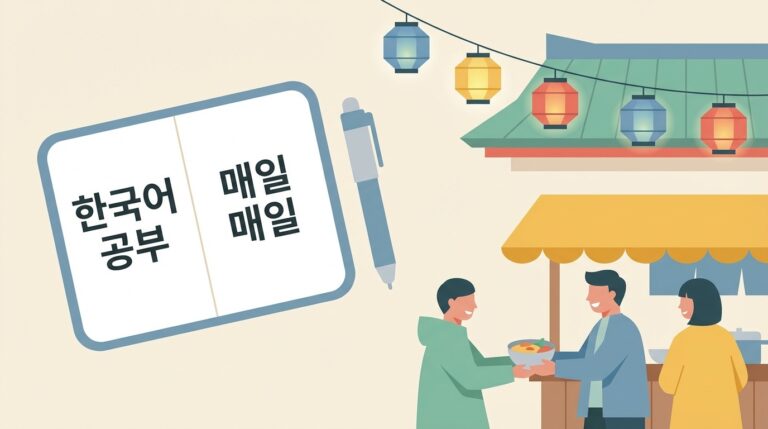
Picture this: You are watching a K-Drama like Hometown Cha-Cha-Cha or Welcome to Samdal-ri. The seaside village is hosting a vibrant local festival. There are glowing lanterns, grandmas selling sweet rice cakes, and everyone is laughing.
But fast forward to reality. You are an expat working in Korea’s tourism industry, or maybe a passionate C1 learner visiting a real regional festival (like the Boryeong Mud Festival or Jinhae Cherry Blossom Festival). You overhear the organizers sighing deeply while looking at a spreadsheet. They aren’t talking about romance; they are talking about survival.
If you only rely on textbook Korean, you might say, “축제가 재미있습니다” (The festival is fun). But to truly connect with local organizers, merchants, and Korean friends at a C1 level, you need to understand the raw, unfiltered vocabulary of Local Festival Revitalization (지역 축제 활성화). If you’ve ever paid $20 for a tiny potato pancake at a cherry blossom festival and wondered what the locals call that experience, you are in the right place.
Let’s dive into the real language of K-Tourism!
Phase 2: Deep Dive into Core Expressions
1. 지역 상권을 살리다
- Pronunciation: [ji-yeok sang-gwon-eul sal-li-da]
(Tip: The ‘gwon’ sounds like the ‘gwan’ in Taekwondo, but with a rounder ‘o’. The ‘sal’ is sharp and fast.)- Meaning:
- Literal: To save the local commercial sphere.
- Real Nuance: To revitalize local businesses/the local economy.
- K-Culture Moment: You will hear this constantly on Korean news during the festival season. Politicians and festival organizers use this as their ultimate mission statement. When a K-Pop group like BTS performs in a smaller city like Busan, the news will excitedly report how they “saved the local businesses.”
- Editor’s Insight: The verb 살리다 (to save/revive) is incredibly common in Korean. We use it not just for lives, but for economies, atmospheres (분위기를 살리다), and even fashion. It shows a highly organic view of society—the economy is treated as a living, breathing entity.
- Situation Spectrum:
[🚫 절대 금지] ———— [⚠️ 주의] ———— [✅ 자유롭게]
- Casual with friends: ⚠️ (A bit too formal, friends might say “동네 장사 잘되게 하다”)
- Semi-formal (Colleagues): ✅
- Formal (Boss/Elders/News): ✅
- 🤔 Think About It: Why does the Korean language treat the economy and atmosphere as something that needs to be “saved” or “revived” (살리다) rather than just “improved”? Does your language personify abstract concepts this way?
2. 바가지요금을 씌우다 (바가지 씌우다)
- Pronunciation: [ba-ga-ji-yo-geum-eul ssi-u-da]
(Tip: ‘바가지’ sounds bouncy, like ba-ga-ji. For ‘씌우다’, start with a tight ‘ss’ and quickly glide from ‘ee’ to ‘oo’.)- Meaning:
- Literal: To put a gourd bowl over someone’s head.
- Real Nuance: To overcharge or rip someone off.
- K-Culture Moment: This is the hottest controversy in Korean domestic travel right now. YouTube vloggers often go to local night markets and expose vendors selling cheap street food at exorbitant prices. If you want to sound like a culturally aware local, mention the “바가지 (bagaji)” issue.
- Editor’s Insight: In the old days, a ‘바가지’ was a hollowed-out gourd used as a water dipper. Imagine someone suddenly putting a bowl over your eyes—you’re blinded and taken advantage of. Today, we often just shorten it to “바가지 썼다” (I got ripped off).
- Situation Spectrum:
[🚫 절대 금지] ———— [⚠️ 주의] ———— [✅ 자유롭게]
- Casual with friends: ✅
- Semi-formal (Colleagues): ✅
- Formal (Official meetings): ⚠️ (Use the more formal 부당 요금 – unfair pricing – in official reports).
- 🤔 Think About It: “Insim” (인심 – generous local hospitality) used to be the pride of Korean rural areas. How does the rise of “bagaji” conflict with the traditional Korean concept of Jeong (정)?
3. 입소문을 타다
- Pronunciation: [ip-so-mun-eul ta-da]
(Tip: ‘ip’ means mouth. Close your lips firmly at the end of ‘ip’.)- Meaning:
- Literal: To ride the mouth-rumor.
- Real Nuance: To go viral through word of mouth.
- K-Culture Moment: Think of that one tiny, hidden bakery in Daejeon that suddenly has a 2-hour line because a food influencer posted about it, and then regular people started telling their friends. It didn’t use paid ads; it “rode the word of mouth.”
- Editor’s Insight: While marketing terms like 바이럴 (viral) are popular, 입소문을 타다 feels much more organic and trustworthy. The verb 타다 (to ride) implies that the rumor is like a wave—you can’t force it, but once it starts, it carries you forward.
- Situation Spectrum:
[🚫 절대 금지] ———— [⚠️ 주의] ———— [✅ 자유롭게]
- Casual with friends: ✅
- Semi-formal (Colleagues): ✅
- Formal (Boss/Elders): ✅
Phase 3: Textbook vs. Real Korean
Let’s see how C1-level professionals actually speak during a tourism committee meeting.
| Situation | 📖 Textbook Korean | 🗣️ Real Korean | 💡 Why is it different? |
|---|---|---|---|
| Discussing a successful festival | 축제가 매우 활성화되었습니다. (The festival has been greatly activated.) | 이번 축제 완전 대박 나서 상권이 다 살았어요. | The textbook is too academic. ‘대박 나다’ (to hit the jackpot) and ‘살다’ (to live/survive) convey visceral relief and excitement. |
| Addressing rip-off prices | 상인들이 부당 요금을 청구합니다. (Merchants charge unfair fees.) | 요새 바가지 논란 때문에 관광객들이 다 떨어져 나가요. | ‘논란’ (controversy) is the go-to media keyword. ‘떨어져 나가다’ physically illustrates customers leaving in disappointment. |
| Crowded places | 사람들이 많습니다. (There are many people.) | 주말에 완전 문전성시를 이뤘어요 / 완전 핫플 됐어요. | ‘문전성시’ is a high-level 4-character idiom (great for C1!). ‘핫플’ (Hot place) is modern slang. Mixing both shows immense fluency. |
Phase 4: Cultural Context — K-Culture Deep Dive
4-1. The Non-Verbal Nunchi of Local Festivals
When discussing local revitalization, 눈치 (Nunchi) is crucial. There is a delicate balance between welcoming tourists for economic gain and protecting the peace of the local elderly residents (an issue known as overtourism). If you are proposing a loud EDM night market in a quiet Hanok village, you must “read the room” (눈치를 보다). When speaking to local merchants, a slight bow and a warm, empathetic tone go a long way. Do not speak like a cold corporate executive.
4-2. The Rise of “Choncance” (촌캉스)
K-Travel is evolving. While Seoul and Busan are great, Gen Z and Millennials are flocking to rural areas for 촌캉스 (Chon – rural village + Hocance – hotel vacation). They wear ugly floral pants (몸빼바지), roast pork belly on a cauldron lid, and enjoy the absolute silence. If you are planning a festival, understanding this shift from “flashy mega-events” to “authentic, slightly clumsy rural healing” is your golden ticket. It’s the exact vibe you see in the K-Drama Once Upon a Small Town.
Phase 5: Real-Life Roleplay Scenario
Setting: It’s 4 PM on a Friday inside the Jeonju Hanok Village Tourism Committee office. The air is tense. You, an expat tourism consultant, are drinking iced Americanos with your Korean colleague, Min-su. You are reviewing the feedback from last month’s trial night market.
Characters:
– YOU (The Reader): A sharp, culturally-fluent expat consultant aiming to fix the festival’s flaws.
– Min-su (35, Local Official): Passionate about his hometown, but stressed by recent negative reviews from Seoul tourists.
Dialogue:
Min-su: 아휴… 컨설턴트님, 이번 야시장 리뷰 보셨어요? 별점 테러 당했어요. ㅠㅠ
(Ahyu… keonseolteonteu-nim, ibeon yasijang ribyu bosyeosseoyo? Byeoljeom tereo danghaesseoyo.)
(Sigh… Consultant, did you see the reviews for this night market? We got review-bombed.)
(🎭 Stage Direction: Min-su aggressively scrolls through his tablet, looking defeated.)
YOU: 네, 봤어요. 아무래도 바가지요금 논란이 제일 큰 문제인 것 같네요. 파전 한 장에 3만 원은 좀 심했어요.
(Ne, bwasseoyo. Amuraedo bagajiyogeum nonrani jeil keun munje-in geot gamneyo. Pajeon han jang-e sam-man won-eun jom simhaesseoyo.)
(Yes, I saw. It seems the rip-off pricing controversy is the biggest issue. 30,000 won for one green onion pancake was a bit harsh.)
Min-su: 맞아요. 상인회 어르신들은 한철 장사라 어쩔 수 없다고 하시는데… 이러다 동네 상권 다 죽게 생겼어요.
(Majayo. Sanginhoe eoreusin-deureun hancheol jangsara eojjeol su eopdago hasineunde… ireoda dongne sanggwon da jukge saenggyeosseoyo.)
(Right. The elders in the merchants’ association say they have no choice since it’s seasonal business… but at this rate, the whole local economy is going to die.)
🔀 Your Turn! How should you reply as a C1 professional?
– A) “그 상인들은 경찰에 신고해야 합니다. 불법이잖아요!” (We must report those merchants to the police. It’s illegal!)
– B) “상인분들 입장도 이해는 가지만, 장기적으로 입소문을 타려면 정찰제 도입이 시급해요.”
– C) “대박! 진짜 비싸네요. 헐~”✅ Best Choice: B — “I understand the merchants’ perspective, but to go viral positively in the long run, introducing a fixed-price system is urgent.”
Reasoning: It shows C1 empathy. You acknowledge their feelings first (understanding ‘hancheol jangsa’ – seasonal business), but firmly use advanced business logic (‘ipsomun’, ‘jeongchalje’ – fixed prices).
⚠️ Choice A & C Analysis: ‘A’ ignores Korean community dynamics and sounds too hostile. ‘C’ is far too casual and unprofessional for a consulting meeting.
Phase 6: 10-Second Shadowing Drill
Let’s practice delivering that C1-level professional advice. Follow the intonation (/) marks!
😤 장기적으로 / 긍정적인 / 입소문을 타려면, / 바가지요금을 / 반드시 / 없애야 합니다.
(Jang-gijeogeuro / geungjeongjeog-in / ipsomun-eul taryeomyeon, / bagajiyogeum-eul / bandeusi / eopsaeya hamnida.)
Emotion Tag: 😤 Firm but professional. Stress the word ‘반드시’ (bandeusi – absolutely/must) to show your conviction.
Phase 7: K-Culture Mini Dictionary
Expand your K-Tourism vocabulary with these culturally loaded terms.
| Korean | Romanization | English | Context/Meaning |
|---|---|---|---|
| 눈치 | nunchi | Social awareness | The crucial skill of reading the room. Vital when negotiating with stubborn local festival merchants. |
| 촌캉스 | choncance | Rural vacation | Rural (Chon) + Vacance. The Gen Z trend of vacationing in remote farm villages instead of luxury hotels. |
| 핫플 | hatpeul | Hot place | A trendy, highly-visited spot. If a festival succeeds, it becomes a ‘hotple’. |
| 노잼도시 | no-jaem dosi | No-fun city | A self-deprecating term for cities with “nothing to do” (like Daejeon used to be, before their bakery festival exploded in popularity). |
| 인심 | insim | Generosity | Traditional Korean hospitality, often expressed by giving extra food. The exact opposite of ‘bagaji’. |
Phase 8: Traveler Survival Kit (Festival Edition)
Even as an advanced learner, navigating a chaotic night market requires specific survival phrasing.
🆘 Survival Phrase #1: Dodging the Bagaji
– 🇰🇷 “사장님, 이거 정찰제인가요?” (Sajang-nim, igeo jeongchalje-ingayo?)
– 🗣️ Pronunciation: [jeong-chal-je]
– 📍 Where to use: Food stalls without clear price tags.
– 💡 Meaning: “Boss, is this a fixed price?” Asking this politely but firmly shows you know the system and won’t be easily scammed.🆘 Survival Phrase #2: Finding the Real ‘Hotple’
– 🇰🇷 “관광객들 가는 곳 말고, 현지인들 가는 맛집 추천해 주실 수 있나요?”
– 🗣️ Pronunciation: [hyeon-ji-in-deul ga-neun mat-jip]
– 📍 Where to use: Talking to a taxi driver or hotel concierge.
– 💡 Meaning: “Instead of places tourists go, could you recommend a restaurant where the locals go?”📌 Editor’s Travel Note
– Cash vs. Card: Korea is a cashless society, but rural festival food stalls sometimes still prefer cash or direct bank transfers (계좌이체). Have a little cash ready!
– Trash Cans: Festivals in Korea severely lack trash cans. Be prepared to carry your empty skewer sticks for a while, or return them to the vendor you bought them from.
Phase 9: Critical Thinking — “One Step Deeper”
🧠 Think Deeper: Media vs. Reality (The K-Drama Rural Fantasy)
In K-Dramas like Hometown Cha-Cha-Cha, regional towns are portrayed as romantic utopias filled with quirky, deeply loving neighbors who spontaneously organize perfect festivals. However, the reality of Korean regional revitalization (지방 소멸 위기 – the crisis of disappearing provinces) is a harsh battle against aging populations and youth migration to Seoul.
When local governments invest millions into a festival, they aren’t just trying to throw a party; it is a desperate attempt to 지역 상권을 살리다 (save the local economy). Understanding this underlying socio-economic anxiety changes how you experience a K-Festival. The loud trot music and aggressive vendors aren’t just “noisy”; they are the sounds of a community fighting to stay relevant in a Seoul-centric country.
💬 Your Turn: Have you ever visited a place that looked completely different from how the media portrayed it? How does your country handle the decline of rural towns? Share in the comments!
Phase 10: FAQ & Avoiding Common Mistakes
Here are the top questions I get from C1 learners working in Korea:
Q: “Can I use ‘바가지요금’ in a formal presentation?”
A: Maybe, but be careful. While it’s perfectly fine in a team brainstorming session to emphasize the problem, if you are presenting to the Mayor or high-level executives, use 부당 요금 청구 (Unfair fee charging).
Q: “How do I address the elderly merchants at rural festivals?”
A: Do NOT use “아줌마 (Ajumma)” or “아저씨 (Ajeossi)” if you want good service.
Even though it technically means middle-aged woman/man, it can sound dismissive. Instead, call them 사장님 (Sajang-nim / Boss) or 어머님 (Eomeo-nim / Mother – used respectfully for older ladies). Watch how quickly their ‘Insim’ (generosity) increases!
❌ Common Mistake #1: Translating “I want to revitalize the festival” directly as “저는 축제를 살리고 싶습니다.”
✅ Do this instead: Say “지역 상권을 살리고 싶습니다” (I want to revitalize the local economy). You don’t “save” the festival itself; the festival is the tool to save the local commerce!
Phase 11: Summary & Action Items
One-Liner Summary: A successful K-Festival isn’t just about fun; it’s about dodging bagaji (rip-offs), riding the ipsomun (word-of-mouth), and ultimately sal-li-da (saving) the local economy!
Action Mission 3 Steps:
– 🥉 Bronze (Solo): Read the 4 core vocabulary words out loud, practicing the sharp ‘s’ in 씌우다.
– 🥈 Silver (Online): Find a YouTube video about a Korean regional festival (search: 지역 축제 브이로그) and listen for the words 바가지 or 상권.
– 🥇 Gold (Real World): Visit a local market or festival and politely ask a vendor, “사장님, 여기 현지인들이 제일 좋아하는 메뉴가 뭐예요?” (Boss, what is the menu locals love the most here?)
🎪 K-Culture Mission:
Go to Google Maps or KakaoMap, find a regional festival location (like Gangneung Coffee Festival), and read the Korean reviews. Can you spot any complaints about prices or praise about the atmosphere?
Phase 12: Interactive Challenge — Quiz Time!
Test your C1 K-Tourism instincts!
1. Situational Judgment: You are advising a rural town on their upcoming peach festival. They want to charge $50 for a small box of peaches to make a quick profit. What is the most culturally and professionally appropriate warning?
– A) “이러면 경찰이 옵니다.” (The police will come.)
– B) “당장 바가지를 멈추세요!” (Stop the rip-off right now!)
– C) “단기 수익보다는, 긍정적인 입소문을 타는 것이 중요합니다.”
2. Fill in the Blank:
“이번 야시장이 대박 나서, 거리가 완전 ( )를 이루었어요!”
(Hint: A 4-character idiom meaning ‘crowded with customers’)
3. True or False — K-Culture Edition:
“If you experience excellent service at a local Korean festival, you should leave a 15% tip to the merchant to show your appreciation.” (T/F)
(Scroll down for answers!)
.
.
.
Answers:
1. C (A is too aggressive, B is too blunt for a consulting role. C uses advanced vocabulary beautifully.)
2. 문전성시 (Munjeonseongsi)
3. False! Korea has absolutely NO tipping culture. Giving a tip might confuse or even offend the merchant. Instead, just say, “사장님 최고예요! 리뷰 예쁘게 쓸게요!” (Boss, you are the best! I’ll write a pretty review!)
Did you get them all right? Let me know in the comments below!
Frequently Asked Questions (FAQ)
Q: What does "지역 상권을 살리다" mean in Korean and how do you pronounce it?
A: In Korean, "지역 상권을 살리다" is pronounced [ji-yeok sang-gwon-eul sal-li-da] and means: Literal: To save the local commercial sphere.
Q: What does "바가지요금을 씌우다 (바가지 씌우다)" mean in Korean and how do you pronounce it?
A: In Korean, "바가지요금을 씌우다 (바가지 씌우다)" is pronounced [ba-ga-ji-yo-geum-eul ssi-u-da] and means: Literal: To put a gourd bowl over someone's head.
Q: What does "입소문을 타다" mean in Korean and how do you pronounce it?
A: In Korean, "입소문을 타다" is pronounced [ip-so-mun-eul ta-da] and means: Literal: To ride the mouth-rumor.







