

Phase 1: The Art of “Healing” (공감 — 몰입형 오프닝)
Hello, language voyagers! This is your Senior Editor at Daily Hangul.
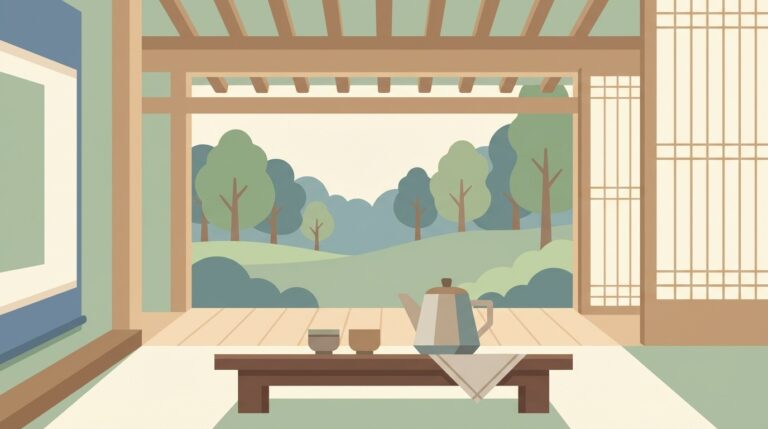
Imagine this scene: You’re watching a K-Variety show like In the Soop (BTS) or Hyori’s Bed & Breakfast. The camera pans over a serene forest or a quiet Jeju oreum. The caption doesn’t just say “Resting.” It says “힐링 (Healing).”
In the intense, fast-paced society of Korea—famous for its ‘pali-pali’ (hurry, hurry) culture—the concept of Wellness and Healing isn’t just a luxury; it’s a survival mechanism. As a C2 learner, you aren’t just ordering a room key anymore. You are likely in a position to explain, design, or critique these high-end experiences.
Today, we are stepping into the shoes of a Wellness Program Developer. We aren’t just talking about “sleeping well.” We are talking about curating experiences that soothe the soul of the overworked modern Seoulite. Let’s dive into the sophisticated language of the Korean Healing Industry.
Phase 2: Deep Dive (핵심 표현 심층 분석)
Since you are at the C2 level, we are moving beyond survival Korean into Professional & Conceptual Korean.
1. 맞춤형 (Matchumhyeong)
- Pronunciation: [matchumhyeong] + Think of the ‘mat’ in ‘matter’ and ‘chum’ like a dance.
- Meaning: Customized / Bespoke / Tailored
- Context: In the luxury hospitality industry, one size never fits all. This is the magic word that turns a standard package into a premium service.
- K-Culture Moment: Think of that scene in King the Land where the hotelier prepares a suite exactly to the VIP guest’s obscure preferences. That is a ‘고객 맞춤형 서비스’ (customer-tailored service).
- Editor’s Insight: This word implies care and detailed analysis. It’s not just “different”; it’s “fitted” (맞추다) to a specific shape.
- Situation Spectrum:
[🚫 Casual Friends] ———— [✅ Business/Formal]- 🤔 Think About It: Why does Korean society value ‘customization’ so highly in service? Is it a reflection of the intense competition to be recognized as an individual in a collective society?
2. 재충전 (Jaechungjeon)
- Pronunciation: [jaechungjeon] + Sounds sharp and energetic.
- Meaning: Recharging (batteries/energy)
- Context: In wellness proposals, you don’t say “people want to sleep.” You say “modern people need recharging.” It elevates the act of rest into a productive necessity.
- Editor’s Insight: Using ‘쉬다’ (to rest) sounds passive. ‘재충전’ implies you are resting in order to work better later. It appeals to the Korean work ethic even during leisure.
- Situation Spectrum:
[✅ Casual] ———— [✅ Business/Formal]- 🤔 Think About It: Notice the mechanical metaphor? Humans are equated to batteries. How does this reflect the industrialization of Korean history?
3. 오감 만족 (Ogam Manjok)
- Pronunciation: [ogam manjok]
- Meaning: Satisfying the Five Senses
- Context: A buzzword in tourism marketing. If you are pitching a program involving tea ceremonies, aroma therapy, and classical music, you sum it up as ‘오감 만족 힐링 프로그램’.
- Editor’s Insight: This is a “Cheat Code” word. If you use this in a presentation, you sound like a marketing expert immediately.
Phase 3: Textbook vs. Real Life (교과서 vs 진짜 한국어)
| Situation | 📖 Textbook Korean | 🗣️ Real Professional Korean | 💡 Why the difference? |
|---|---|---|---|
| Pitching a plan | 이 프로그램은 좋습니다. (This program is good.) | 차별화된 가치를 제공합니다. (Provides differentiated value.) | C2 level requires emphasizing unique selling points (USP) in a competitive market. |
| Describing a trend | 요즘 사람들이 좋아합니다. (People like it these days.) | MZ세대의 니즈를 반영했습니다. (Reflects the needs of the MZ generation.) | Using specific demographic terms shows market awareness. |
| Talking about relaxation | 편안하게 쉴 수 있습니다. (You can rest comfortably.) | 심신 치유에 중점을 두었습니다. (Focuses on mind-body healing.) | Elevates the concept from physical rest to holistic therapy. |
Phase 4: Cultural Context — K-Culture Deep Dive
4-1. The “Meung” (멍) Culture
In K-Variety shows, you might see celebrities staring blankly at a fire (불멍 – fire spacing out) or water (물멍 – water spacing out). In Western tourism, “doing nothing” might seem boring. In Korea, “멍 때리기” (spacing out) is a highly sought-after activity because the daily brain load is so high.
Editor’s Note: When developing a program, don’t fill every minute with activities. Leave space for ‘Meung’. It’s not emptiness; it’s the premium product you are selling.
4-2. The “Hocance” (Ho-cance) Phenomenon
Combined from “Hotel” and “Vacance” (French for vacation). Koreans often travel to the hotel, not the city. The hotel IS the destination. Your program must be self-contained.
Phase 5: Immersive Roleplay (실전 롤플레이)
Scenario: You are a Senior Manager at a boutique hotel in Gangnam. You are pitching a new “Wellness Package” to the General Manager (GM).
Characters:
* YOU: C2 Level learner, Creative Director.
* GM Lee: 50s, conservative but looking for profit, sharp business mind.
Dialogue:
GM Lee: 이번 여름 패키지, 경쟁 호텔이랑 뭐가 다르죠? 너무 평범한 거 아닙니까?
(Ibeon yeoreum package, gyeongjaeng hotelirang mwoga dareujyo? Neomu pyeongbeomhan geo animnikka?)
Translation: “What’s different about this summer package compared to our competitors? Isn’t it too plain?”YOU: (Confidently opening a portfolio)
아닙니다, 지배인님. 이번 기획의 핵심은 단순한 휴식이 아닌 ‘진정한 재충전’입니다.
(Animnida, Jibaeinnim. Ibeon gihoekui haeksim-eun danseunhan hyusigi anin ‘jinjeonghan jaechungjeon’-imnida.)
Translation: “Not at all, General Manager. The core of this plan isn’t simple rest, but ‘true recharging’.”GM Lee: 재충전이라… 구체적으로 어떤 프로그램을 말하는 거죠?
(Jaechungjeonira… guchejeogeuro eotteon programeul malhaneun geojyo?)
Translation: “Recharging, hmm… What specific programs are you talking about?”
🔀 Decision Point! How do you elaborate?
- A) “Just sleeping and eating good food.” (Too basic, you’re fired!)
- B) “We prepared a customized meditation program combining tea ceremony and yoga.”
✅ Best Choice (B) – In C2 Korean:
YOU: 고객의 스트레스 수준에 맞춘 ‘1:1 맞춤형 명상 프로그램’을 도입하고자 합니다. 특히 오감 만족을 위해 전통 차(Tea) 체험도 결합했습니다.
(Gogaek-ui stress sujun-e matchun ‘1:1 matchumhyeong myeongsang program’-eul doiphagoja hamnida. Teukhi ogam manjok-eul wihae jeontong cha cheheom-do gyeolhaphaetseumnida.)GM Lee: (Nodding slowly) 오감 만족이라… 마케팅 포인트로 좋겠군요. 진행해 보세요.
(Ogam manjokira… marketing point-ro joketgunyo. Jinhaenghae boseyo.)
(Stage Direction: GM Lee finally smiles and signs the approval document.)
Phase 6: 10-Second Shadowing Drill
Practice this sentence to sound like a K-Drama CEO. Lower your pitch slightly for authority.
- Sentiment: 😤 Professional & Confident
저희는 / 단순한 숙박을 넘어 / 고객에게 / 치유의 경험을 / 제공합니다.
(Jeohui-neun / danseunhan sukbag-eul neomeo / gogaek-ege / chiyu-ui gyeongheom-eul / jegonghamnida.)
Translation: We provide a healing experience to customers, going beyond simple accommodation.
Phase 7: K-Culture Mini Glossary
| Korean | Romanization | Meaning | Context |
|---|---|---|---|
| 호캉스 | Hocance | Hotel Vacation | Spending a vacation strictly inside a hotel. |
| 웰니스 | Wellness | Wellness | Used broadly for spa, yoga, meditation, and health food. |
| 가성비 | Gaseongbi | Cost-effectiveness | Value for money. Even in luxury, Koreans calculate this. |
| 가심비 | Gasimbi | Psychological satisfaction | “Price doesn’t matter if it makes me happy.” Crucial for luxury marketing. |
| 멍때리기 | Meong-ttaerigi | Spacing out | The act of doing nothing to clear the mind. |
Phase 8: Professional Survival Kit (Traveler’s Edition)
Even if you are developing programs, you need to know how the customers act.
🆘 Survival Expression #1: Asking for specific preferences
– 🇰🇷 “혹시 알레르기가 있거나 피해야 할 음식이 있으신가요?”
– (Hoksi allergy-ga itgeona pihaeya hal eumsigi iseusingayo?)
– Meaning: “Do you happen to have allergies or foods to avoid?”
– 💡 Pro Tip: In high-end wellness, proactively asking this implies “We care about your health.”📌 Editor’s Note: The Rise of ‘Non-Alcohol’
Wellness tourism in Korea is shifting from “drinking culture” to “detox.” Knowing terms like ‘무알코올’ (Non-alcohol) and ‘비건 옵션’ (Vegan option) is becoming essential, even if they weren’t common 5 years ago.
Phase 9: Think Deeper — “Why do we pay to rest?”
🧠 The Paradox of ‘Healing’
In Korea, ‘Healing’ is often something you consume rather than something you just do. Why? Because in a society where productivity is the highest virtue, doing nothing at home feels like “laziness.” But going to a wellness resort and paying for a “Spacing Out Program” makes rest legitimate. It becomes an activity.💬 Your Turn: Does your culture view “doing nothing” as laziness or necessary rest? Do you need to “schedule” your relaxation like Koreans do?
Phase 10: FAQ & Troubleshooting
- Q: Can I use the word ‘힐링’ (Healing) in a formal business report?
- Editor: Yes, but it’s slightly colloquial. In a very formal written proposal, ‘치유’ (Cure/Healing) or ‘심신 회복’ (Mind-body recovery) looks more professional. However, in verbal presentations or marketing slogans, ‘힐링’ is perfect.
- Q: Is it rude to suggest a guest needs ‘diet’ or ‘health’ care?
- Editor: Yes. Never imply they look unhealthy. Instead of “This is for weight loss,” say “이 프로그램은 몸의 순환을 돕습니다” (This program helps with body circulation).
❌ Common Mistake: Confusing ‘쉬다’ (Rest) with ‘놀다’ (Play).
Correction: If a client wants a wellness program, don’t say “오셔서 노세요” (Come and play). Say “오셔서 편안한 시간을 보내세요” (Come and spend a comfortable time). ‘Play’ sounds too energetic/childish for wellness.
Phase 11: Wrap-up & Mission
- One-Liner: To sell relaxation in Korea, you must package it as “Productive Recharging” (재충전).
-
Action Mission:
- 🥉 Bronze: Say “이것은 고객 맞춤형 서비스입니다” in front of a mirror 3 times.
- 🥈 Silver: Go to a Korean hotel booking site (like Agoda/Hotels.com set to Korean) and find the word “힐링” or “패키지” in descriptions.
- 🥇 Gold: Next time you visit a spa or hotel, ask the staff: “혹시 추천해주실 만한 힐링 프로그램이 있나요?” (Do you have any healing programs to recommend?)
- K-Culture Mission: Watch an episode of Youn’s Stay (윤스테이). Observe how the actors use honorifics (Jeondaemal) to guests and how they describe the food and nature as part of the “experience.”
Phase 12: Quiz — Interactive Challenge
Scenario: A VIP guest complains that the hotel is “too boring.”
Which response is the most professional ‘Wellness Expert’ answer?
- “죄송합니다. 노래방을 알려드릴까요?” (Sorry. Should I tell you where the Karaoke is?)
- Editor: Too loud. Breaks the wellness vibe.
- “원래 힐링은 심심한 거예요.” (Healing is supposed to be boring.)
- Editor: Too blunt! Rude! 🚫
- “고객님, 온전히 자신에게 집중할 수 있는 ‘멍때리기’ 시간을 가져보시는 건 어떨까요?” (Customer, how about taking some ‘spacing out’ time to fully focus on yourself?)
- Editor: Perfect! You reframed “boring” as “focus time.” This is C2 mastery! ✅
Frequently Asked Questions (FAQ)
Q: What does "맞춤형 (Matchumhyeong)" mean in Korean and how do you pronounce it?
A: In Korean, "맞춤형 (Matchumhyeong)" is pronounced [matchumhyeong] and means: Customized / Bespoke / Tailored
Q: What does "재충전 (Jaechungjeon)" mean in Korean and how do you pronounce it?
A: In Korean, "재충전 (Jaechungjeon)" is pronounced [jaechungjeon] and means: Recharging (batteries/energy)
Q: What does "오감 만족 (Ogam Manjok)" mean in Korean and how do you pronounce it?
A: In Korean, "오감 만족 (Ogam Manjok)" is pronounced [ogam manjok] and means: Satisfying the Five Senses







