

Mastering the Chaos: How to Survive Korean Variety Show Games like a Pro 🎮
Phase 1: The Immersive Hook
안녕하세요! This is your Daily Hangul Editor.
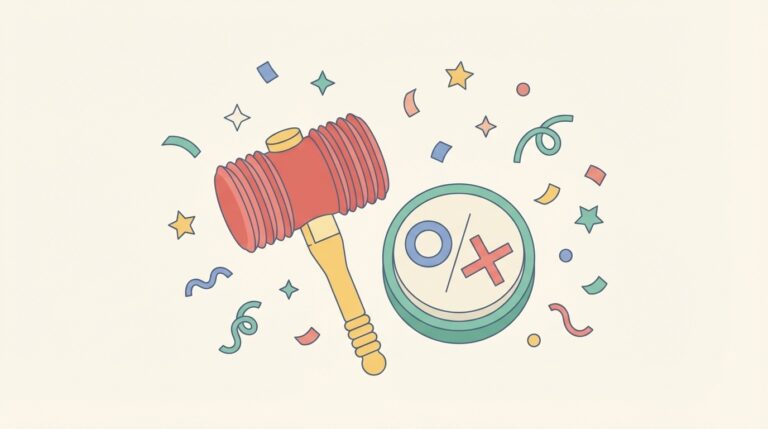
Imagine this: You are watching Running Man or New Journey to the West (신서유기). The cast is sitting around a table, tension is high, and suddenly everyone starts shouting. Someone gets hit with a toy hammer, and the caption reads “땡! (Ddaeng!)”
Or maybe you’ve been invited to a Korean housewarming party (Zip-deuri), and after dinner, someone suggests, “Let’s play a game for the dishes!” Suddenly, your sweet Korean friends turn into fierce competitors. They are shouting rules you don’t understand, and before you know it, you are wearing a funny wig as a penalty.
In Korean culture, games aren’t just about winning; they are about chemistry, wit, and “entertainment spirit.” If you don’t know how to negotiate rules or react to a penalty, you miss half the fun. Today, we are going to learn the “Variety Show Survival Kit”—the language of rules, cheating, and penalties.
Phase 2: Core Expressions Deep Dive
Here are the three expressions that will save you from being the “깍두기 (Kkakdugi – the extra person/odd one out)” at the party.
1. 봐주다 [bwa-ju-da]
- Pronunciation: bwa-ju-da [Sounds like ‘Bwa’ as in ‘Voila’ + ‘ju’ as in ‘Jewel’ + ‘da’]
- Meaning: To go easy on someone / To let something slide.
- K-Culture Moment: In almost every variety show, when a guest fails a mission, they beg the producer (PD), “한 번만 봐주세요!” (Please let it slide just this once!). It’s the art of negotiation.
- Editor’s Insight: This isn’t just about games. You use this when you are late, made a mistake at work, or need a favor. It implies, “I know I was wrong, but show me some mercy.”
- Situation Spectrum:
[🚫 Formal Biz] ———— [⚠️ Semi-Formal] ———— [✅ Casual Games]
(Use carefully in business; perfect for games and friends.) - 🤔 Think About It: Why is “begging for a second chance” such a common trope in Korean TV? It reflects the culture of Jeong (affection) where human connection often overrides strict rules—at least, until the PD says “No.”
2. 반칙 [ban-chik]
- Pronunciation: ban-chik [Sounds like ‘Ban’ + ‘Cheek’]
- Meaning: Foul / Cheating.
- K-Culture Moment: Think of Lee Kwang-soo in Running Man. He is the icon of “반칙.” In Korean games, accusing someone of cheating (“아, 형! 이거 반칙이죠!”) is often funnier than playing fair.
- Editor’s Insight: While cheating sounds negative in English, in the context of Korean variety games, banchik is often a comedic device to create chaos and laughter.
- Situation Spectrum:
[🚫 Serious Exams] ———— [⚠️ Sports] ———— [✅ Variety Games] - 🤔 Think About It: In Western games, cheating usually ruins the mood. In K-Variety, it makes the mood. Why do you think Korean audiences love the “lovable cheater” character?
3. 벌칙 [beol-chik]
- Pronunciation: beol-chik [Sounds like ‘Bol’ + ‘Chick’]
- Meaning: Penalty / Punishment.
- K-Culture Moment: The “Water Slap,” the “Finger flick (Ttakbam),” or wearing ridiculous makeup. The game exists for the beol-chik.
- Editor’s Insight: If you lose, don’t be sulky. Accepting the beol-chik coolly (or reacting dramatically to the pain) makes you a “variety star.”
- Situation Spectrum:
[🚫 Law Court] ———— [⚠️ School] ———— [✅ Games]
(Note: In a legal context, use ‘처벌’ (punishment), not ‘벌칙’.)
Phase 3: Textbook vs. Real Life
| Situation | 📖 Textbook Korean | 🗣️ Real Variety Korean | 💡 Why different? |
|---|---|---|---|
| Starting a game | 게임을 시작합시다. (Let’s start the game.) | 자, 선수 입장! / 가즈아! (Enter players! / Let’s go!) | TV shows need to hype up the energy (Ten-shun). |
| Setting a rule | 영어 쓰지 마세요. (Please do not use English.) | 영어 쓰기 없기! (No using English!) | Ending with “~기 없기” is the standard formula for setting playful prohibitions. |
| Declaring a winner | 당신이 이겼습니다. (You won.) | 통과! / 성공! (Pass! / Success!) | Short, punchy words fit the fast editing style of Korean TV. |
💡 Bottom Note: The grammar pattern “~기 없기” (Meaning: Rule is, no doing X) is B2 level gold. Example: “화내기 없기!” (Rule: No getting angry!)
Phase 4: Cultural Deep Dive
4-1. Non-verbal: The Sounds of Judgment
In Korean games, you don’t just say “Wrong.” You make the sound.
* 땡! (Ddaeng!): The sound of a metal xylophone being hit. It means “Wrong!” or “Fail!” You often make an ‘X’ with your arms while saying this.
* 딩동댕! (Ding-dong-daeng!): The sound of success. It means “Correct!”
4-2. K-Culture Connection: The “Betrayal” (배신) Narrative
In shows like The Genius or Running Man, betrayal is a huge theme. But notice the nuance: they betray within the game to be funny, but they are incredibly close in real life. This creates a safe space to break social hierarchies. A “Maknae” (youngest member) tricking a “Sunbae” (senior) is peak comedy because it temporarily inverts the strict Korean social ladder.
Phase 5: Immersive Roleplay Scenario
Scenario A: The Drinking Game Negotiation
Setting: It’s Friday night at a Pocha (Tent Bar). You are with your Korean friends, Min-ji and Jun-ho. You just lost a round of the “Zero Game.”
Characters:
* YOU: The enthusiastic foreign friend who doesn’t want to drink alone.
* Min-ji (28): The “Game Master.” Strict with rules.
Dialogue:
Min-ji: 자, 너 졌으니까 마셔야지! 원샷!
(Ja, neo jyeosseunikka masyeoyaji! One-shot!)
(Okay, you lost, so you have to drink! Bottoms up!)
YOU: 잠깐만요! 나 한국 게임 처음이야. 이번만 봐주면 안 돼요?
(Jamkkanmanyo! Na Hanguk geim cheoeumiya. Ibeonman bwajumyeon an dwaeyo?)
(Wait! It’s my first time playing Korean games. Can’t you let me off just this once?)
Min-ji: 에이, 게임에 봐주는 게 어디 있어? 승부는 냉정하지!
(Ei, geime bwajuneun ge eodi isseo? Seungbuneun naengjeonghaji!)
(Ey, there’s no going easy in games! Victory is cold-hearted!)
🔀 Decision Point: How do you respond?
* A) “알았어요. 마실게요.” (Okay, I’ll drink.)
* B) “그럼 흑기사 소원 들어줄게요!” (Then I’ll grant a wish for a Black Knight!)
* C) “야! 너 아까 반칙 했잖아!” (Hey! You cheated earlier!)
✅ Best Choice: B — “Black Knight” (흑기사) is a classic culture move. Someone drinks for you, and you grant them a wish. It builds interaction.
⚠️ Choice C Analysis: Good for comedy, but only if you actually saw something suspicious. If used randomly, it looks like 억지 (stubbornness).
Phase 6: 10-Second Shadowing Drill
Let’s practice the “Game Rule Formula.” Listen to the rhythm and emotion.
😤 (Sternly/Playfully):
치사하게 / 반칙하기 / 없기다!
(Chi-sa-ha-ge / ban-chik-ha-gi / eop-gi-da!)
Rule: No cheating in a cheap/dirty way!
Phase 7: K-Culture Glossary
| Korean | Romanization | Meaning | Context |
|---|---|---|---|
| 복불복 | Bok-bul-bok | Game of Chance | Literally “Luck or No Luck.” Think drinking sand-coffee vs. real coffee. |
| 야자타임 | Yaja Time | Banmal Time | A game period where hierarchy flips; juniors use casual language to seniors. |
| 몸으로 말해요 | Momeuro Malhaeyo | Body Language Game | Charades. A staple in every variety show. |
| 엔딩 요정 | Ending Yojeong | Ending Fairy | Originally K-Pop term, now used in games for whoever does a funny pose at the end. |
Phase 8: Traveler’s Survival Kit
Even if you aren’t on TV, you will play games at guesthouses or bars.
🆘 Survival Phrases for Social Games
1. 🇰🇷 “콜!” (Call!)
* Meaning: “Deal!” or “I’m in!” Used when someone suggests a bet or penalty.
2. 🇰🇷 “판 키우자!” (Pan ki-u-ja!)
* Meaning: “Let’s raise the stakes!” (Make the game bigger/harder).
3. 🇰🇷 “랜덤 게임~” (Random Game~)
* Meaning: The chant to start a drinking game cycle. If you hear this melody, get ready.💡 Pro Tip: If you really don’t want to drink alcohol, say you are taking “흑장미” (Black Rose – usually the female version of Black Knight, but often used jokingly for anyone) and offer to dance or sing instead.
Phase 9: Think Deeper — “Hierarchy & Chaos”
Media vs. Reality:
In K-Variety shows, you see people hitting each other with toy hammers and shouting informal speech (Banmal) during “Yaja Time.” It looks chaotic and equal.
However, notice what happens the second the producer yells “Cut!” or the game ends. The junior members immediately bow and apologize to the seniors. The game is a temporary “Magic Circle” where social rules are suspended. Understanding this On/Off switch is crucial. If you carry the “game attitude” into real life with a superior, it might be a disaster. The thrill of the game comes precisely because the strict hierarchy exists outside of it.
💬 Your Turn: In your culture, do games allow you to break social rules with your boss or elders? Share in the comments!
Phase 10: FAQ & Troubleshooting
- Q: Can I use “야 (Ya!)” to an older Korean friend during a game?
- Answer: ONLY if the game rules explicitly allow it (like Yaja Time). Otherwise, stick to “형/누나/언니/오빠” even when arguing. Saying “오빠, 이건 아니죠!” (Oppa, this isn’t right!) is better than “야!” which might actually offend them.
- Q: What if I don’t know the rules?
- Answer: Shout “타임! (Time!)” (meaning Time-out) and ask “룰이 뭐예요?” (What are the rules?). Koreans are usually eager to teach the rules because they want more players.
❌ Common Mistake: taking the game too seriously or getting genuinely angry at a “Betrayal.”
✅ Fix: Laugh it off. The goal is the reaction, not the victory.
Phase 11: Wrap-up & Action Mission
One-Liner Summary: Korean games are 50% rules, 50% arguing about rules, and 100% about the vibe.
🚀 Action Mission:
* 🥉 Bronze: Stand in front of a mirror, cross your arms like an X, and practice saying “땡!” with a disappointed face.
* 🥈 Silver: Go to a Korean variety show clip on YouTube (try Game Caterers), listen for the word “땡!” or “성공!” and comment the timestamp below.
* 🥇 Gold: Teach a simple Korean game (like Rock, Paper, Scissors – 가위 바위 보) to a friend using the phrase “진 사람 벌칙!” (Loser gets a penalty!).
K-Culture Mission: Watch an episode of Running Man and count how many times someone yells “반칙!” (Foul!).
Phase 12: Interactive Quiz
Scenario: You are playing a game. Your friend makes a mistake, but it’s their first time. They look at you with puppy eyes. What do you say?
- “나가!” (Get out!)
- “이번만 봐준다.” (I’ll let it slide just this once.)
- “벌칙 받아야지.” (You must take the penalty.)
- “경찰 불러.” (Call the police.)
Click to see the Answer
Answer: 2
Explanation: “이번만 봐준다” is the perfect phrase to show mercy while keeping the game moving. No. 3 is too strict for a first-timer, and No. 4 is… well, only for K-Dramas!
Frequently Asked Questions (FAQ)
Q: What does "봐주다 [bwa-ju-da]" mean in Korean and how do you pronounce it?
A: In Korean, "봐주다 [bwa-ju-da]" is pronounced [bwa-ju-da [Sounds like 'Bwa' as in 'Voila' + 'ju' as in 'Jewel' + 'da'] and means: To go easy on someone / To let something slide.
Q: What does "반칙 [ban-chik]" mean in Korean and how do you pronounce it?
A: In Korean, "반칙 [ban-chik]" is pronounced [ban-chik [Sounds like 'Ban' + 'Cheek'] and means: Foul / Cheating.
Q: What does "벌칙 [beol-chik]" mean in Korean and how do you pronounce it?
A: In Korean, "벌칙 [beol-chik]" is pronounced [beol-chik [Sounds like 'Bol' + 'Chick'] and means: Penalty / Punishment.







