

Introduction
Hello! It’s Daily Hangul here to upgrade your Korean skills! 👋✨
Have you ever watched deep psychological K-Dramas like It’s Okay to Not Be Okay (사이코지만 괜찮아) or Daily Dose of Sunshine (정신병동에도 아침이 와요)? 📺 These dramas deal with the human mind and healing.
Today, we are going to dive into a slightly advanced but very interesting topic: Psychology! specifically, Transference and Counter-transference. While these are professional terms, knowing them will help you understand deep emotional scenes in dramas or express your feelings during counseling. Don’t worry, I’ll make it super easy! Let’s heal our hearts together! 💆♀️💆♂️
Core Expressions
Here are 4 key expressions to talk about psychological feelings in Korean.
1. 전이 (Jeon-i)
- Pronunciation: [Jeon-i]
- English Meaning: Transference
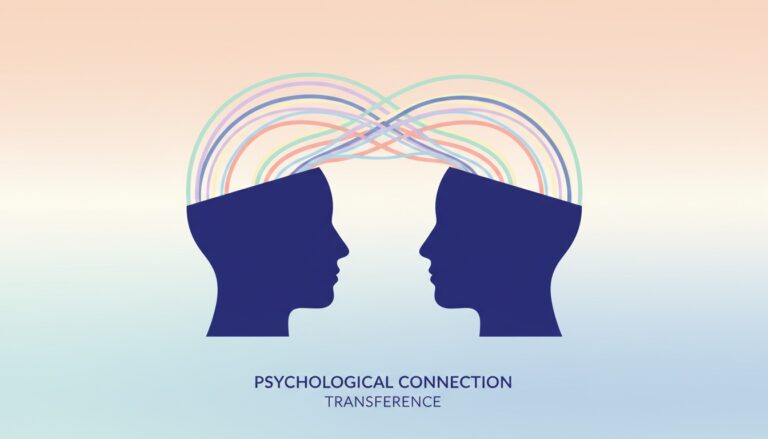
- Detail: In psychoanalysis, this is when a patient redirects feelings for a significant person in their past (like a parent) onto the therapist. In K-Dramas, you often hear characters realizing, “Oh, I am treating you like my father!”
- 💡 Pronunciation Tip: When pronouncing 전이, the ‘ㄴ’ (n) sound at the bottom of the first syllable flows into the next empty vowel sound. So it sounds more like [저니 (Jeo-ni)]. Smoothly connect them!
2. 역전이 (Yeok-jeon-i)
- Pronunciation: [Yeok-jeon-i]
- English Meaning: Counter-transference
- Detail: The prefix 역 (Yeok) means “reverse” or “counter.” This happens when the therapist gets emotionally entangled with the patient. It’s a very dramatic plot point in medical dramas!
3. 상담 (Sangdam)
- Pronunciation: [Sangdam]
- English Meaning: Counseling / Consultation
- Detail: This is a very common word. You can use it for psychological counseling (심리 상담) but also for asking advice from a friend!
4. 마음 (Maeum)
- Pronunciation: [Maeum]
- English Meaning: Mind / Heart / Feeling
- Detail: In English, we separate “mind” (brain) and “heart” (emotion). In Korean, 마음 covers both. When you are hurt psychologically, you say “My ‘Maeum’ hurts.”
Real-life Conversation
Let’s see how these words are used in a counseling session scene. 🏥
Patient (Minji): 선생님, 자꾸 화가 나요. 선생님이 우리 아빠 같아요.
(Seonsaengnim, jakku hwaga nayo. Seonsaengnim-i uri appa gatayo.)
Teacher (Doctor), I keep getting angry. You seem like my dad.
Therapist (Dr. Kim): 제가 아빠처럼 느껴지나요? 그건 전이 현상이에요.
(Jega appacheoreom neukkyeojinayo? Geugeon jeon-i hyeonsang-ieyo.)
Do you feel like I am your dad? That is the transference phenomenon.
Patient (Minji): 제 마음이 왜 이럴까요?
(Je maeum-i wae ireolkkayo?)
Why is my mind/heart like this?
Therapist (Dr. Kim): 괜찮아요. 상담을 하면서 같이 찾아봐요.
(Gwaenchannayo. Sangdam-eul hamyeonseo gachi chajabwayo.)
It’s okay. Let’s find out together while doing counseling.
Culture Tip 🇰🇷
“Mind Reading in Korea”
In the past, visiting a psychiatrist was a bit taboo in Korea, but thanks to recent K-Dramas and celebrities opening up, the perception has changed a lot! 🌟
Also, Koreans often use the word 심리 (Simli – Psychology) in casual tests. Have you heard of the MBTI craze in Korea? Almost everyone knows their MBTI type! If you meet a Korean friend, asking “What is your MBTI?” is a great icebreaker. It’s a fun way to talk about psychology without being too serious! 🧠💖
Conclusion & Practice
Today we learned some deep words to describe the movements of our hearts! Even if you aren’t a doctor, understanding Jeon-i (Transference) helps you understand human relationships better.
📝 Mini Quiz
1. What is the Korean word for “Counseling”? [ ______ ]
2. If a therapist feels emotional towards a patient, it is called Jeon-i. ( O / X )
3. Which Korean word means both “Mind” and “Heart”? [ ______ ]
Good luck studying! See you next time! 안녕! 👋
Answer Key:
1. 상담 (Sangdam)
2. X (It is 역전이 / Yeok-jeon-i)
3. 마음 (Maeum)
Frequently Asked Questions (FAQ)
Q: What does "전이 (Jeon-i)" mean in Korean and how do you pronounce it?
A: In Korean, "전이 (Jeon-i)" is pronounced [Jeon-i] and means: Transference
Q: What does "역전이 (Yeok-jeon-i)" mean in Korean and how do you pronounce it?
A: In Korean, "역전이 (Yeok-jeon-i)" is pronounced [Yeok-jeon-i] and means: Counter-transference
Q: What does "상담 (Sangdam)" mean in Korean and how do you pronounce it?
A: In Korean, "상담 (Sangdam)" is pronounced [Sangdam] and means: Counseling / Consultation
Q: What does "마음 (Maeum)" mean in Korean and how do you pronounce it?
A: In Korean, "마음 (Maeum)" is pronounced [Maeum] and means: Mind / Heart / Feeling






