
Hello! This is Maeil Hangeul (Daily Korean), here to upgrade your Korean skills!
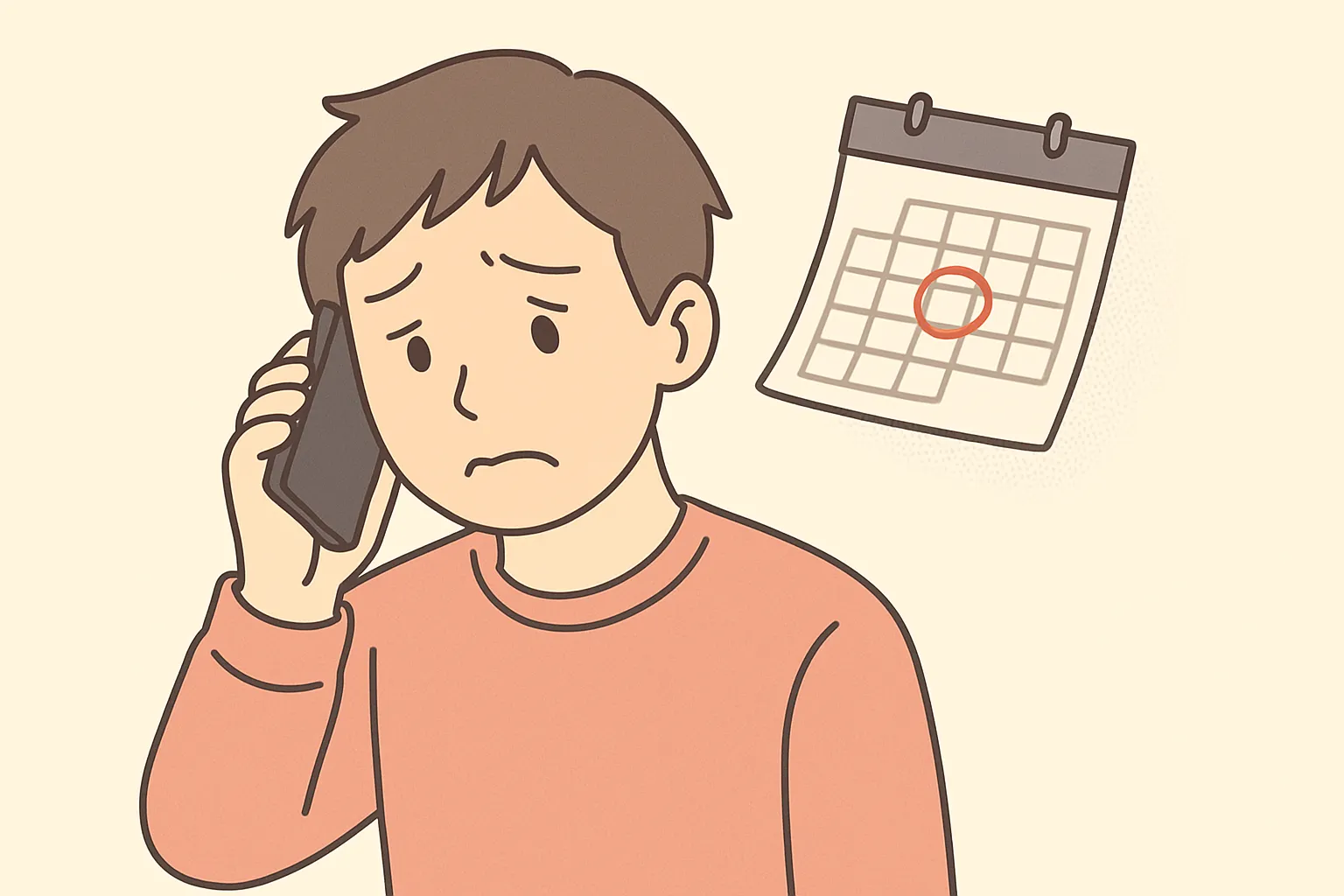
Have you ever accidentally said something that made your friend quiet and sulky? It happens to everyone! Knowing how to apologize sincerely is a super important skill for keeping your friendships strong.
Lately in Korea, a scene from the hit K-drama “Seoul Love Signal” went viral where the main character had to give a very heartfelt apology. Everyone is talking about the best way to say “I’m sorry,” so today, we’re going to learn how to apologize like a true K-drama star and mend any hurt feelings!
Core Expressions: More Than Just “Sorry”
Here are three key phrases to make your apologies sound sincere and natural.
1. 미안해 (Mianhae)
- Pronunciation [Romanization]: Mianhae
- English Meaning: I’m sorry. (Casual)
- Detailed Explanation: This is the most common and casual way to say sorry. You use it with close friends, siblings, or someone younger than you. It’s the “banmal” (반말), or informal language, version of an apology. Think of it as the equivalent of saying a quick “my bad” or “sorry” to a good friend.
- 💡 Pronunciation Tip: The two syllables ‘미(mi)’ and ‘안(an)’ flow together smoothly. The ‘ㅎ(h)’ sound in ‘해(hae)’ is very soft and airy, almost like a sigh. Just relax and say it gently: Mi-an-hae.
2. 죄송합니다 (Joesonghamnida)
- Pronunciation [Romanization]: Joesonghamnida
- English Meaning: I am very sorry. (Formal)
- Detailed Explanation: This is your go-to formal apology. Use it with people older than you, your boss, teachers, or strangers. It carries more weight and shows a higher level of respect and sincerity than “미안해(Mianhae)”. If you bump into someone on the subway, this is the perfect phrase to use.
- 💡 Pronunciation Tip: This is a tricky one! Although it is written as ‘hap-ni-da’ (합니다), it is pronounced [ham-ni-da]. Why? In Korean, when the consonant ‘ㅂ(b/p)’ is followed by ‘ㄴ(n)’, the ‘ㅂ(b/p)’ sound changes to an ‘ㅁ(m)’ sound to make it easier to say. This is called ‘nasalization’. So instead of a choppy “jwe-song-hap-ni-da,” it flows smoothly as “jwe-song-ham-ni-da.”
3. 기분 나빴다면 미안해 (Gibun nappatdamyeon mianhae)
- Pronunciation [Romanization]: Gibun nappatdamyeon mianhae
- English Meaning: I’m sorry if you felt bad. / I’m sorry if I offended you.
- Detailed Explanation: This phrase takes your apology to the next level. It shows that you are thinking about the other person’s feelings.
- 기분 (gibun): feeling, mood
- 나빴다면 (nappatdamyeon): if it was bad
This phrase directly acknowledges that you might have hurt their feelings, which makes your apology sound much more thoughtful and sincere. Use this with a friend when you realize your joke might have gone too far.
- 💡 Pronunciation Tip: Notice the double consonant ‘ㅆ(ss)’ in ‘나빴다면(nappatdamyeon)’. This creates a tense, sharp sound. It’s not like the ‘s’ in “snake,” but a shorter, stronger sound made with more tension in your tongue. Practice saying [nappat-da-myeon] with a quick, strong ‘pp’ sound.
Example Conversation
Let’s see how these phrases work in a real-life situation, inspired by the drama “Seoul Love Signal”!
(A and B are friends. A was supposed to meet B an hour ago.)
A: 소희야, 너무 늦었지! 미안해!
So-hui-ya, neomu neujeotji! Mianhae!
(Sohui, I’m so late! I’m sorry!)
B: 한 시간이나 기다렸어. 솔직히 좀 화났어.
Han sigan-ina gidaryeosseo. Soljikhi jom hwanasseo.
(I waited for an hour. Honestly, I was a little angry.)
A: 정말? 기분 나빴다면 정말 미안해. 푹 빠져서 “서울 러브 시그널” 마지막 회를 보느라 시간 가는 줄 몰랐어.
Jeongmal? Gibun nappatdamyeon jeongmal mianhae. Puk ppajyeoseo “Seoul Love Signal” majimak hoereul boneura sigan ganeun jul mollasseo.
(Really? I’m so sorry if you felt bad. I was so absorbed in watching the “Seoul Love Signal” finale, I lost track of time.)
B: 아… 마지막 회 봤구나. 알았어. 용서해줄게. 그래서 둘이 어떻게 됐어?
A… majimak hoe bwassguna. Arasseo. Yongseohaejulge. Geuraeseo duri eotteoke dwaesseo?
(Ah… you watched the finale. Okay. I forgive you. So what happened with the main couple?)
Culture Tip & Trend Deep Dive
In Korea, a sincere apology is all about acknowledging the other person’s feelings. This is related to the important cultural concept of “눈치” (nunchi), which is the subtle art of sensing another person’s mood or feelings.
When the main character in “Seoul Love Signal” apologized, he didn’t just say “sorry.” He said, “I know I made you feel bad, and that was my mistake.” This is why the phrase “기분 나빴다면 미안해” is so powerful. It shows you have good “nunchi” because you’ve recognized their change in mood.
Pro-Tip: When you use a formal apology like “죄송합니다 (Joesonghamnida)”, slightly bowing your head is a common gesture that adds to your sincerity. You’ll see this all the time in dramas and in real life!
Let’s Practice!
Great job today! You’ve learned how to apologize sincerely and thoughtfully in Korean. Now, let’s check what you’ve learned.
1. Fill in the blank: You are late for a meeting with your Korean boss. What is the most appropriate thing to say?
“늦어서 ______________.” (neujeoseo ______________.) (I’m sorry for being late.)
2. Quick Quiz (O/X): You can use “미안해 (mianhae)” with your 60-year-old professor. (O for True, X for False)
Leave your answers in the comments below using the phrases we learned today! We’d love to see you try them out. Until next time