

Hello! Welcome to Daily Hangul, here to upgrade your Korean skills!
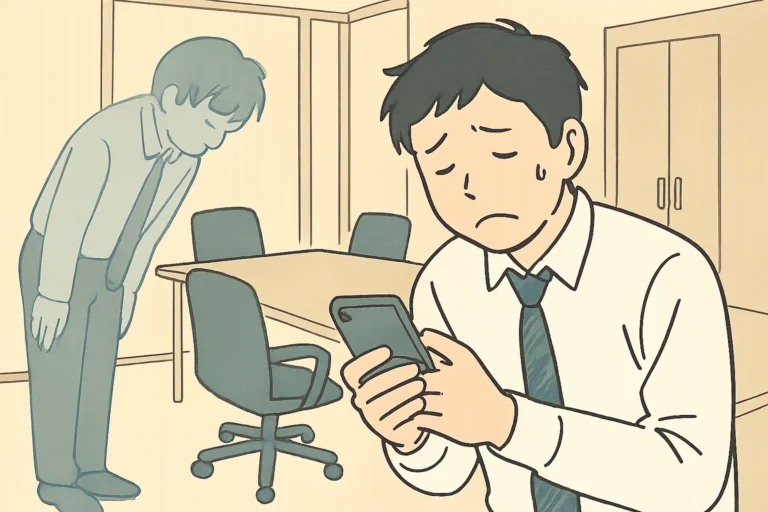
Ever had a sudden change of plans and needed to cancel a meeting in Korean? It can be tricky, right? You want to be polite and professional, but you’re not sure which words to use. Don’t worry! Today, we’re going to learn how to gracefully notify someone that you can’t make it.
Especially in Korea’s fast-paced “ppalli-ppalli” (빨리빨리, hurry-hurry) culture, schedules can change in an instant. Knowing these expressions will make you sound fluent and respectful, whether you’re dealing with work or personal appointments. Let’s dive in!
Core Expressions You Need to Know
Here are three essential expressions for politely canceling a meeting.
1. 참석하기 어렵습니다 (Chamseokagi eoryeopseumnida)
- Pronunciation [Romanization]: Chamseokagi eoryeopseumnida
- English Meaning: It is difficult to attend.
- Detailed Explanation: This is the standard, formal, and polite way to say you can’t go to a meeting, event, or class. Instead of a direct “I can’t go” (못 가요), which can sound a bit blunt, this expression is softer and more professional. It literally means “attending is difficult.” It’s perfect for emails or messages to your boss or colleagues.
- 💡 Pronunciation Tip:
The final part,어렵습니다, is pronounced [eoryeopseumnida]. Notice how theㅂ(b/p) sound in어렵is followed byㅅ(s). In this case, theㅂsound changes to a softㅁ(m) sound to make the pronunciation smoother. This is a common rule called nasalization. So, instead of a hard “eoryeop-seumnida,” it flows into “eoryeom-seumnida.”
2. 부득이한 사정으로 (Budŭgihan sajŏngŭro)
- Pronunciation [Romanization]: Budŭgihan sajŏngŭro
- English Meaning: Due to unavoidable circumstances.
- Detailed Explanation: This is a fantastic phrase that adds a layer of formality and seriousness. When you use
부득이한 사정으로, you are politely signaling that you have a legitimate reason for canceling, but you don’t need to share the private details. It’s a very common and professional way to explain an absence in business contexts. - 💡 Pronunciation Tip:
The word부득이한is pronounced [budŭgihan]. Theㄱ(g/k) at the end of득meets theㅇ(a silent consonant here) at the start of이. Theㄱsound moves over, making it sound like[부드기한 | budŭgihan]. This is called liaison or linking, and it makes Korean flow beautifully!
3. 다음에 꼭 뵙겠습니다 (Daŭme kkok boepgesseumnida)
- Pronunciation [Romanization]: Daŭme kkok boepgesseumnida
- English Meaning: I will be sure to see you next time.
- Detailed Explanation: After canceling, it’s polite to show you still want to meet in the future. This phrase does that perfectly.
뵙다is the humble form of보다(to see/meet), used when speaking to someone of a higher status or in a formal setting.꼭means “surely” or “definitely,” which emphasizes your sincerity. - 💡 Pronunciation Tip:
In뵙겠습니다, theㅂ받침 (final consonant) is followed byㄱ. While theㅂsound is written, you don’t fully release it. It’s a very soft, almost silent stop. The most important part for a natural sound is the strong, tenseㄲin꼭 [kkok]and theㅆin겠습니다 [gesseumnida]. Give them a little extra punch!
Example Dialogue
Let’s see how these expressions work in a real conversation. Imagine Minsu needs to cancel a meeting with his team leader, Sujin.
Minsu (민수):
팀장님, 죄송하지만 내일 회의에 참석하기 어렵습니다.
[Timjangnim, joesonghajiman naeil hoeŭie chamseokagi eoryeopseumnida.]
(Team Leader, I’m sorry, but it will be difficult for me to attend the meeting tomorrow.)
Sujin (수진):
아, 그래요? 무슨 일 있어요?
[A, geuraeyo? Museun il isseoyo?]
(Oh, really? Is everything okay?)
Minsu (민수):
네, 부득이한 사정으로 참석하지 못하게 되었습니다. 정말 죄송합니다. 다음에 꼭 뵙겠습니다.
[Ne, budŭgihan sajŏngŭro chamseokaji motage doeosseumnida. Jeongmal joesonghamnida. Daŭme kkok boepgesseumnida.]
(Yes, I am unable to attend due to unavoidable circumstances. I am truly sorry. I will be sure to see you next time.)
Sujin (수진):
괜찮아요, 민수 씨. 알겠습니다. 회의록은 나중에 공유해 드릴게요.
[Gwaenchanayo, Minsu-ssi. Algesseumnida. Hoeŭirogeun najunge gongyuhae deurilgeyo.]
(It’s alright, Minsu. I understand. I’ll share the meeting minutes with you later.)
Culture Tip & Trend Deep Dive
In Korean work culture, showing respect for others’ time is crucial. This is where “nunchi” (눈치) comes in – the subtle art of understanding social situations and others’ feelings.
- Canceling with Nunchi: When you use phrases like
부득이한 사정으로, you are showing good nunchi. You acknowledge the inconvenience your absence may cause without oversharing personal details, which maintains professionalism. - Timing is Everything: Unlike in some cultures where it might be okay to cancel an hour before, in Korea, it’s best to give as much notice as possible. A last-minute cancellation without a very serious reason can be seen as disrespectful.
- KakaoTalk vs. Phone Call: For routine meetings, a polite message on a messenger app like KakaoTalk is perfectly acceptable. However, for a very important meeting or a one-on-one with a senior executive, a quick follow-up phone call is often appreciated as it shows more sincerity.
Let’s Practice!
Great job making it this far! Let’s review what you’ve learned with a quick quiz.
Fill in the blank with the most appropriate expression we learned today:
A: 팀장님, 정말 죄송합니다. 개인적인 일 때문에 내일 회의에 ____________________.
(Team Leader, I am so sorry. Due to a personal matter, it will be ____________________ to attend tomorrow’s meeting.)
B: 괜찮아요. 알려줘서 고마워요.
(Answer: 참석하기 어렵습니다)
Now it’s your turn! Try creating your own sentence to cancel a fictional appointment. For example, “I’m sorry, but I can’t make it to the Korean class today due to unavoidable circumstances.”
Leave your sentences in the comments below! We’d love to see you try them out. Happy learning
Frequently Asked Questions (FAQ)
Q: What does "참석하기 어렵습니다 (Chamseokagi eoryeopseumnida)" mean in Korean and how do you pronounce it?
A: In Korean, "참석하기 어렵습니다 (Chamseokagi eoryeopseumnida)" is pronounced [Romanization] and means: It is difficult to attend.
Q: What does "부득이한 사정으로 (Budŭgihan sajŏngŭro)" mean in Korean and how do you pronounce it?
A: In Korean, "부득이한 사정으로 (Budŭgihan sajŏngŭro)" is pronounced [Romanization] and means: Due to unavoidable circumstances.
Q: What does "다음에 꼭 뵙겠습니다 (Daŭme kkok boepgesseumnida)" mean in Korean and how do you pronounce it?
A: In Korean, "다음에 꼭 뵙겠습니다 (Daŭme kkok boepgesseumnida)" is pronounced [Romanization] and means: I will be sure to see you next time.







