

The Ultimate Korean Fashion Haul Slang: Bag Edition for True Bobusangs
Phase 1: Empathy (Story Immersion Opening)
안녕하세요! 매일한글 에디터입니다.
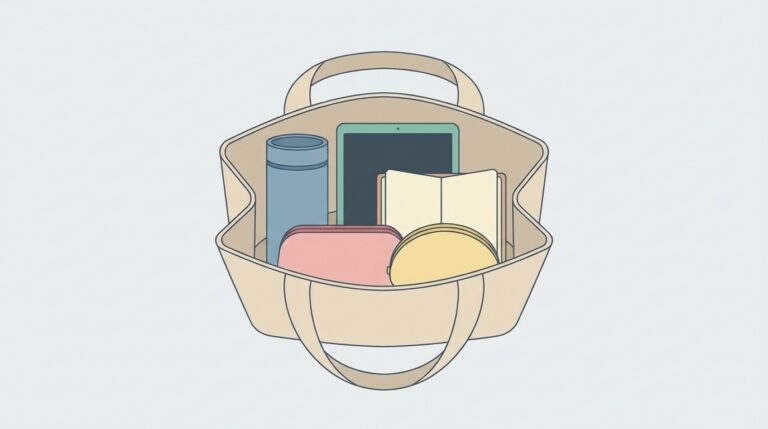
Have you ever been curled up in bed watching a trendy YouTube vlog—maybe an idol showing off their latest fashion haul in Seongsu-dong or an unboxing video titled “What’s In My Bag”—when suddenly the host pulls out an iPad, a 1-liter tumbler, an umbrella, three pouches, two lip tints, and a portable fan from a single shoulder bag and laughs: “제가 완전 보부상이라서, 이 가방 수납력이 진짜 대박이에요!” (Jega wanjeon bobusang-iraseo, i gabang sunamnyeogi jinjja daebagieyo!)?
You pause the video and open your textbook. You look up “보부상” (Bobusang)… and the dictionary literally translates it as “a peddler; an itinerant merchant from the Joseon Dynasty.”
Wait, what?! Why on earth is a 20-something K-pop star or fashion influencer in 2024 calling themselves an ancient traveling merchant while showing off a chic designer tote?
If you felt confused, take a deep breath: you are not alone! Many of our elementary (A2) Korean learners tell us, “I know basic words like 가방 (bag) and 커요 (it is big), but whenever I watch Korean fashion videos, I feel like I’m listening to secret code!” That is because native Korean speakers love using colorful cultural metaphors. Once you decode this single shopping buzzword, you won’t just understand haul videos—you will be able to joke with retail clerks in Seoul, bond with Korean friends over your giant totes, and shop like an authentic insider. Let’s dive into the fun world of Korean fashion buzzwords!
Phase 2: Top 3 Core Expressions In-Depth
1. 보부상 (Bobusang)
- Pronunciation: Bobusang (Sounds like boh-boo-sahng)
- Meaning: Literal: An itinerant merchant carrying goods on their back in the Joseon era | Real Nuance: A person who carries their entire life around in a giant bag “just in case.”
- K-Culture Moment: Seen in almost every celebrity “What’s In My Bag” (왓츠인마이백) video on YouTube when stars apologize for how heavy their everyday carry is.
- Editor’s Insight: It is never an insult! In Korea, being called a Bobusang is a funny, endearing badge of honor showing you are prepared for literally every emergency (rain, low battery, dry lips, headaches).
- Situation Spectrum: Casual ✅ | Semi-formal ⚠️ | Formal 🚫
- 🤔 Think About It: In your home country, do people make fun of people with heavy bags, or do they see them as reliable life-savers? How does naming this personality after historical merchants create a shared cultural inside joke?
2. 수납력 (Sunapryeok)
- Pronunciation: Sunamnyeok (Sounds like soo-nam-nyeok — Notice how the ㅂ sound softens into an ‘m’ sound before the ‘n’!)
- Meaning: Literal: Storage/compartment power | Real Nuance: The smart capacity and pocket organization of a bag or organizer.
- K-Culture Moment: Every Korean fashion shopping app (like Musinsa, 29CM, or ZigZag) review section contains the phrase: “수납력 짱!” (Sunamnyeok jjang! / Storage power is the best!).
- Editor’s Insight: Don’t just say “가방이 커요” (The bag is big). A bag can be huge but have terrible compartments. 수납력 praises how efficiently designed the pockets, dividers, and inner spaces are.
- Situation Spectrum: Casual ✅ | Semi-formal ✅ | Formal ✅
- 🤔 Think About It: Korean product descriptions frequently attach “-력” (power/force) to everyday verbs—like 세척력 (cleaning power) or 소화력 (digestion power). What does this reveal about Korea’s love for efficient, high-performance daily items?
3. 딱 맞아요 (Ttak majayo)
- Pronunciation: Ttak majayo (Sounds like tahk mah-jah-yo with a crisp, snap-your-fingers double ‘tt’)
- Meaning: Literal: Exactly fits | Real Nuance: It is a match made in heaven; spot-on; tailor-made for this exact need.
- K-Culture Moment: A host slips their 16-inch laptop smoothly into a tote sleeve and smiles: “보부상들한테 딱 맞아요!” (Bobusangdeulhante ttak majayo! / It is a spot-on fit for heavy packers!).
- Editor’s Insight: The tiny prefix sound “딱” (ttak) mimics the crisp sound of two Lego bricks snapping together perfectly. Adding it before “맞아요” turns a bland statement into pure satisfaction!
- Situation Spectrum: Casual ✅ | Semi-formal ✅ | Formal ⚠️
- 🤔 Think About It: Think about a word in your native language that expresses the visceral feeling of a puzzle piece locking into place. How does Korean capture physical sensation through short sound-words?
Phase 3: Textbook Korean vs Real Korean
Situation 1: Describing a bag with generous storage
- 📖 교과서 한국어 (Textbook): 이 가방은 공간이 아주 넓어요. (I gabangeun gong-gani aju neolbeoyo.) — “This bag has very spacious room.”
- 🗣️ 진짜 한국어 (Real-life Slang): 이 가방 수납력 진짜 미쳤어요! (I gabang sunamnyeok jinjja michyeosseoyo!) — “The storage power on this bag is totally insane!”
- 💡 왜 다를까? Textbook Korean focuses on physical dimensions (공간이 넓다), whereas modern shoppers care about practical functionality (수납력) and use playful hyperbole (미쳤어요, literally “it’s crazy”) to express delight.
Situation 2: Explaining why you chose a bulky backpack or tote
- 📖 교과서 한국어 (Textbook): 저는 물건을 많이 가지고 다니는 사람이에요. (Jeoneun mulgeoneul mani gajigo danyeoneun saram-ieyo.) — “I am a person who carries around a lot of things.”
- 🗣️ 진짜 한국어 (Real-life Slang): 제가 완전 보부상 스타일이거든요. (Jega wanjeon bobusang seutair-igeodeunyo.) — “I’m totally a Bobusang type, you know!”
- 💡 왜 다를까? Why use nine words when you can use one fun label? Calling yourself a “보부상 스타일” instantly communicates your lifestyle with self-deprecating warmth.
Phase 4: K-Culture Deep Dive & Non-Verbal Manners
4-1. Nunchi (눈치) & Gestures in Korean Stores
When you visit a chic designer boutique in Hongdae or Seongsu-dong, you don’t just inspect the outside of a bag. Shoppers use a specific body language checklist:
1. The Depth Pat: Unzip the main zipper, insert one forearm completely inside to feel the bottom baseboard, and give two gentle pats to check structure.
2. The Compartment Count: Open the inner zipper with your index finger, widen your eyes, and nod affirmatively to the clerk.
3. The Shoulder Check: Put the strap over your shoulder, mimic walking through a bustling subway station, and slightly bounce your shoulder to test weight distribution.
Pro-tip: If a clerk walks up to you while you are doing this, don’t freeze! Just smile, point inside the bag, and say pleasantly: “수납력이 좋네요!” (Sunamnyeogi jonneyo! / The storage capability is so nice!).
4-2. Cultural Code: Why is Everyone in Seoul a “Bobusang”?
If you walk through Gangnam Station at 8:00 AM, you will see stylish people dressed in immaculate minimalist coats holding giant padded nylon shoulder bags or bulky rucksacks. Why?
Because everyday life in Korea moves at lightning speed! A typical young Seoulite leaves their apartment early in the morning for work or school, attends an evening gym or pilates class, studies at a cafe, and then heads for late-night food and drinks with friends. Going home to change bags is impossible. Add a travel toothbrush kit (essential after Korean garlic-rich lunches!), portable phone chargers, cosmetics pouch, folding umbrella, and an iPad—and boom: you are an official Bobusang!
Phase 5: Real-Life Roleplay Scenario
Setting: A hip designer leather brand showroom in Seongsu-dong, Seoul.
Characters:
* Minji (민지): Trendy, helpful boutique staff member.
* You (학습자): A shopper searching for the perfect everyday work and study bag.
- Turn 1 (Minji): 손님, 찾으시는 스타일 있으세요? (Sonnim, chajeusineun seutail isseuseyo?)
🎭 Smiling brightly while tidying a display shelf.
(Are you looking for a specific style, customer?) -
Turn 2 (You): 매일 들고 다닐 데일리 가방 보고 있어요. (Maeil deulgo danil deilli gabang bogo isseoyo.)
🎭 Pointing at a medium black leather shoulder tote.
(I am looking for an everyday daily bag to carry around.) -
Turn 3 (Minji): 이건 어떠세요? 요즘 저희 매장에서 제일 인기 많아요! (Igeon eotteoseyo? Yojeum jeohui maejang-eseo jeil ingi manayo!)
🎭 Handing the bag to you with both hands gently.
(How about this one? It’s currently the most popular item in our shop!) -
Turn 4 (You): 예쁜데… 제가 완전 보부상이라서요. 노트북도 들어가요? (Yeppeunde… jega wanjeon bobusang-iraseoyo. Notebukdo deureogayo?)
🎭 Opening the bag flap to inspect the inner lining.
(It’s pretty… but I’m a total Bobusang. Does a laptop fit inside too?) -
Turn 5 (Minji): 그럼요! 안에 파우치랑 텀블러 포켓도 따로 있어요. (Geureomyo! Ane pauchirang teombeulleo poketdo ttaro isseoyo.)
🎭 Pulling open the dividers to show off the secret pockets.
(Of course! Inside there are separate pockets for a pouch and a tumbler.) -
Turn 6 (You): 와, 주머니가 많아서 수납력 진짜 좋네요! (Wa, jumeoniga manaseo sunamnyeok jinjja jonneyo!)
🎭 Nodding happily while feeling the sturdy baseboard.
(Wow, there are so many pockets, the storage capacity is genuinely amazing!) -
Turn 7 (Minji): 맞아요. 짐 많으신 분들한테 완전 딱 맞아요. (Majayo. Jim maneusin bundeulhante wanjeon ttak majayo.)
🎭 Patting the strap reassuringly.
(Exactly. It is an absolute perfect match for people with lots of belongings.) -
Turn 8 (You): 마음에 들어요. 이걸로 할게요! (Maeume deureoyo. Igeollo halkeyo!)
🎭 Handing over your card with a satisfied smile.
(I love it. I’ll take this one!)
🔀 Interactive Decision Point
Minji asks if you’d like a smaller trendy micro-mini bag as an add-on gift. How do you respond?
* Option A: “아니요, 저는 보부상이라서 미니백은 수납력이 부족해요!” (Aniyo, jeoneun bobusang-iraseo minibaegeun sunamnyeogi bujokaeyo! / No thanks, I’m a Bobusang so mini bags lack storage for me!)
👉 [Best Choice]: Perfect balance of natural humor, correct grammar, and charming self-awareness. Minji will burst out laughing!
* Option B: “안 사요. 가방이 너무 작고 쓸모없어요.” (An sayo. Gabangi neomu jakgo sseulmo-eopseoyo. / I won’t buy it. The bag is too small and useless.)
👉 [Bad Choice]: Way too blunt! While grammatically understood, calling a boutique’s display “useless” breaks Korean politeness harmony.
* Option C: “보부상 가방 주세요.” (Bobusang gabang juseyo. / Please give me peddler bag.)
👉 [Risk Choice]: People will understand you want a large bag, but phrasing it like a dictionary product category sounds unnatural.
Phase 6: 10-Second Emotion Shadowing Drill
Say these aloud! Follow the emotion tags and pause at the slashes (/).
[🎒 Proudly & Playfully]
저 완전 / 보부상이라서 / 큰 가방만 / 들어요!
(Jeo wanjeon / bobusang-iraseo / keun gabangman / deureoyo!)
“I’m a total Bobusang, / so I only carry / big bags!”-
[🤩 Wide-eyed Admiration]
와, / 주머니가 많아서 / 수납력 / 진짜 최고예요!
(Wa, / jumeoniga manaseo / sunamnyeok / jinjja choegoyeyo!)
“Wow, / because it has lots of pockets, / the storage capacity / is truly the best!” -
[✨ Confident Recommendation]
짐 많은 사람한테 / 이 가방이 / 딱 맞아요!
(Jim maneun saramhante / i gabangi / ttak majayo!)
“For someone with lots of stuff, / this bag / is the perfect match!”
Phase 7: K-Culture Mini Dictionary (4 Key Terms)
- 왓츠인마이백 (Wat-tsu-in-mai-baek) | Noun: What’s In My Bag
- The iconic video format where creators and K-pop stars unload their personal bags item by item. Essential for picking up real Korean beauty and lifestyle vocabulary.
- 꿀템 (Gkultem) | Noun: Honey Item (Holy Grail / Must-Have Product)
- A compound of “꿀” (honey) + “아이템” (item). It describes an extraordinarily practical item that solves your everyday struggles.
- 휘뚜루마뚜루 (Hwitturu-matturu) | Adverb: Versatile / Go-with-everything / Anywhere
- The ultimate K-fashion buzzword describing clothes or bags you can grab casually without matching and look effortless anywhere.
- 데일리백 (De-il-li-baek) | Noun: Daily Bag
- The Konglish staple used in fashion hauls for your go-to weekday bag that endures heavy use.
Phase 8: Survival Kit for Travelers
Top 3 Survival Expressions
- A4 서류 들어가요? (Ei-po seoryu deureogayo?)
- Does it fit A4 documents / laptop size?
- Pro Tip: Great question when shopping for school or office totes in Korean underground shopping arcades.
- 가방 자체 무게가 가벼워요? (Gabang jache mugega gabyeowoyo?)
- Is the bag itself lightweight?
- Pro Tip: As every Bobusang knows, if the empty bag is already heavy, your shoulders will weep by 3:00 PM!
- 크로스 끈도 있어요? (Keuroseu kkeundo isseoyo?)
- Does it come with a crossbody strap?
- Pro Tip: Perfect for converting hand totes into hands-free transit bags.
Editor’s Travel Note
- Shopping in Seoul? Don’t rely solely on Google Maps! Ensure you complete your 네이버 지도 앱 다운로드 (Naver Map app download) to easily navigate hidden boutique alleys in Seongsu-dong (성수) and Hannam-dong (한남).
- Want to check what local Koreans are actually buying before spending your won? Do your research via the 무신사 앱 다운로드 (Musinsa fashion app download) to read thousands of real-time reviews mentioning 수납력 and 보부상 꿀템.
- When shopping at designer outlets, carry your physical passport for an instant 7-9% tax refund at checkout!
Phase 9: “One Step Deeper” (Reflective Essay)
In many Western cultures, carrying an oversized, overfilled bag is sometimes viewed with mild amusement or criticized as unorganized clutter. Yet in Korea, identifying as a 보부상 is celebrated with hearty camaraderie. Why is that?
South Korean daily life is deeply grounded in communal rhythm and collective preparedness. Long work and commute hours create a shared understanding that modern city life requires resilience. When a coworker scratches their finger, a friend gets an unexpected stain on their shirt, or a sudden afternoon downpour hits, the Bobusang reaches into their bottomless bag and produces a band-aid, a wet wipe, or a pocket umbrella for everyone. Carrying a bag with high 수납력 is not just about hoarding personal items—it is an unspoken way of taking care of yourself and the people around you in a high-speed world.
💬 Your Turn: Are you a minimalist who only carries a phone and a credit card, or are you a proud 보부상 like us? What is the one non-negotiable item that is always inside your bag? Let us know in the comments below!
Phase 10: FAQ & Avoiding Misunderstandings (FAQ Schema)
Q: Can I use “보부상” (Bobusang) to describe a male friend, or is it only for women?
A: Absolutely! 보부상 is completely gender-neutral. Anyone of any age or gender who carries a giant backpack packed with tech gadgets, notebooks, tumblers, and emergency snacks can proudly be called a 보부상.
Q: Is “수납력” (Sunapryeok) only used for bags?
A: No! You can use 수납력 for anything designed to hold belongings: a wallet (지갑), a pencil case (필통), a makeup pouch (파우치), an organizer desk shelf (수납장), or even a car trunk (트렁크).
Q: Does calling someone a “보부상” sound rude or like I’m calling them messy?
A: Not at all, provided your tone is friendly! It describes the quantity and preparedness of items, not dirtiness or mess. In fact, if the bag has great 수납력, a Bobusang can be extraordinarily neat!
🚨 Common Mistakes Alert (흔한 실수 TOP 3)
- Mistake: Saying “이 가방 많이 넣어요” (Incorrect grammar for bag capacity).
- Correct Action: Say “이 가방 많이 들어가요” (Things go inside a lot) or simply “이 가방 수납력 좋아요”.
- Mistake: Pronouncing 수납력 as “Soo-nap-ryeok”.
- Correct Action: Apply nasal assimilation (비음화)! Pronounce it naturally as [수남녁 – Soo-nam-nyeok].
- Mistake: Using 보부상 in a formal job interview when asked about your organizational habits.
- Correct Action: In formal settings, stick to polite standard expressions like: “저는 항상 준비성이 철저한 편입니다” (I tend to be thoroughly prepared).
Phase 11: Action Missions & Community
- 🥉 Bronze Level (Solo Practice): Unpack your current everyday bag right now. Point to your 3 favorite items and say aloud: “저 완전 보부상이에요!” (I’m a total Bobusang!).
- 🥈 Silver Level (Social Media): Take a flat-lay photo of your everyday carry items. Post it on Instagram Stories or Threads with the hashtag #왓츠인마이백 and the caption: “보부상들에게 딱 맞는 가방!” (A bag perfectly suited for Bobusangs!).
- 🥇 Gold Level (Real-World Mission): Next time you walk into a store or browse a Korean fashion site, find a bag with many pockets and whisper or comment: “와, 수납력 미쳤다!” (Wow, the storage power is crazy!).
- 🎮 K-Culture Mission: Search YouTube for
[Your favorite K-pop idol or actor name] + 왓츠인마이백. Listen closely and count how many times they say 보부상, 수납, or 파우치!
Phase 12: Interactive Quiz Challenge
Test your new K-haul instincts below!
1. Situational Judgment:
You are shopping with a Korean friend in Myeongdong. She holds up a cute, tiny purse the size of a credit card and asks if you like it. You want to playfully refuse because your iPad and water bottle won’t fit. What do you say?
* (A) 미니백은 수납력이 너무 좋아요.
* (B) 저는 보부상이라서 그 가방은 무리예요!
* (C) 보부상 사람을 찾고 있어요.
2. Fill in the Blank:
“이 백팩은 주머니가 다섯 개나 있어서 _________(이)가 정말 최고예요!”
(This backpack has five pockets, so its storage power is really the best!)
* (A) 수납력
* (B) 보부상
* (C) 데일리
3. True or False:
The word 보부상 originates from historical Korean street merchants who traveled between towns selling daily wares.
* (True / False)
👉 Click here to reveal answers and explanations!
- Answer: (B)
- Explanation: (B) correctly states “I’m a Bobusang, so that bag is impossible (무리) for me!” Option (A) incorrectly claims the mini bag has good storage, and (C) says you are looking for an ancient merchant person!
- Answer: (A) 수납력 (Sunapryeok)
- Explanation: When discussing pockets and smart compartmentalization, 수납력 is the exact technical and buzzword term.
- Answer: True
- Explanation: Bobusang (보부상 / 褓負商) were bundle-and-back peddlers of pre-modern Korea who carried heavy packs across mountain passes to supply towns with essentials!
- Explanation: Bobusang (보부상 / 褓負商) were bundle-and-back peddlers of pre-modern Korea who carried heavy packs across mountain passes to supply towns with essentials!
🎬 Watch Our Daily Videos! (Daily Hangul Official Instagram)
Review the expressions you learned in this article with our fun daily short videos! Check out native pronunciation and real-life nuances in action.
- Instagram @dailyhangul_en







