

Surviving a Midnight Korean ER Visit Without Panic or Bill Shock
Phase 1: Empathy (Storytelling Opening)
안녕하세요! 매일한글 에디터입니다. (Hello! This is your Daily Hangul editor.)
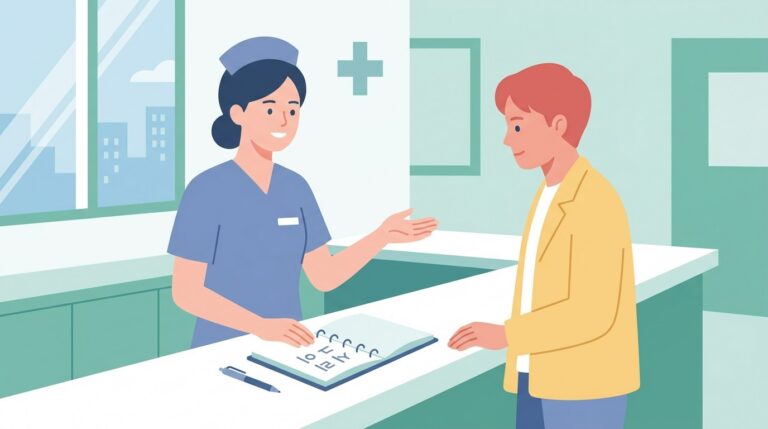
Picture this: It is 2:30 AM in the heart of Seoul. You suddenly wake up with sharp, blinding stomach cramps. Your hotel room is quiet, the local pharmacy down the street closed hours ago, and your mind races straight to an emergency scene from Hospital Playlist (슬기로운 의사생활). You gather your courage, hail a taxi, and rush to the nearest university hospital emergency room (응급실, eunggeupsil).
At the intake window, clutching your jacket, you brace yourself. The receptionist gently reviews your documents, nods with professional sympathy, and remarks: “응급실 진료비는 일반 외래 진료보다 본인 부담금이 조금 더 비싸요.” You freeze. Wait… did they just say it is more expensive? Am I about to get an astronomical bill? Can I even ask for an English interpreter without causing trouble?
Take a deep breath! Many of our international students and travel friends tell us that late-night medical visits are their single most stressful experience in South Korea. But here is the good news: the Korean healthcare system is transparent, organized, and far more affordable than in many Western countries. When staff warn you that costs are higher, they are actually being courteous and transparent about after-hours triage fees. Today, we will master three life-saving phrases so you can navigate Korean emergency rooms confidently, request emergency interpretation, and avoid bill shock like a true local.
Phase 2: Core Expressions In-Depth
1. 응급실 진료비는 조금 더 비싸요. (Eunggeupsil jinlyobineun jogeum deo bissayo.)
- Pronunciation: [Eung-geup-sil jin-ryo-bi-neun jo-geum deo bi-ssa-yo] (Sounds like: Oong-geup-sheel jeen-ryoh-bee-noon joh-geum duh bee-ssah-yoh)
- Meaning: “Emergency room treatment fees are a little more expensive.” (Nuance: Your out-of-pocket co-pay includes an after-hours management fee and nighttime triage surcharge).
- K-Culture Moment: Think of the calm triage nurse at Yulje Medical Center in Hospital Playlist setting expectations with worried family members before confirming registration.
- Editor’s Insight: In Korean everyday speech, “조금” (a little) often acts as a polite verbal buffer. Rather than saying “this will cost a lot,” Korean medical staff use “조금 더 비싸요” to notify you of standard government-mandated surcharges (roughly 30,000 to 60,000 KRW for the intake fee alone) so you are not caught off guard at discharge.
- Situation Spectrum: Casual: ⚠️ | Semi-formal: ✅ | Formal: ✅
- 🤔 Think About It: In many countries, medical bills arrive weeks later as an unwelcome surprise. Why do Korean hospital workers proactively notify you about cost differences right at the intake window? It reflects Korea’s cultural value of mutual consent and operational clarity.
2. 의료 통역을 부탁할 수 있을까요? (Uilyo tong-yeog-eul butakhal su isseulkkayo?)
- Pronunciation: [Ui-ryo tong-yeo-geul bu-tak-hal su i-sseul-kka-yo?] (Sounds like: Oo-ee-ryoh tong-yuh-gool boo-tahk-hahl soo ee-ssuhl-kkah-yoh?)
- Meaning: “Could I please request medical interpretation?” (Nuance: A formal, polite request for on-call English interpretation or telephone translation services).
- K-Culture Moment: In modern hospital dramas, when international travelers arrive at emergency wards, doctors immediately connect with telephone interpretation hotlines to assess symptoms accurately.
- Editor’s Insight: The ending pattern
~ㄹ 수 있을까요?is your magic wand in Korean. It turns a command into a humble, considerate question. The verb부탁하다(to request/entrust) signals that you respect their time and need their professional assistance. - Situation Spectrum: Casual: 🚫 | Semi-formal: ✅ | Formal: ✅
- 🤔 Think About It: Notice the choice between
도와주세요(help me) and부탁할 수 있을까요?(may I request). By asking with부탁하다, you are treating the interpretation as an official medical service rather than an awkward burden.
3. 야간 할증이 붙나요? (Yagan haljeung-i bunnayo?)
- Pronunciation: [Ya-gan hal-jeung-i bun-na-yo?] (Sounds like: Yah-gahn hahl-jeung-ee boon-nah-yoh?)
- Meaning: “Does a nighttime surcharge apply?” (Nuance: “Is there an extra fee added because it is late at night?”).
- K-Culture Moment: Just like checking if late-night taxi rates apply after midnight on a Friday night in Itaewon, Koreans use the word
할증(haljeung) for after-hours surcharges across transportation and healthcare. - Editor’s Insight: The verb
붙다literally means “to stick” or “to attach.” Asking if a fee “sticks” (붙나요?) is how native speakers naturally enquire about surcharges, taxes, or extra service costs. - Situation Spectrum: Casual: ⚠️ | Semi-formal: ✅ | Formal: ✅
- 🤔 Think About It: Standardized nighttime labor surcharges are deeply rooted in Korean labor culture. How does recognizing that nighttime doctors receive regulated extra compensation shift your view of after-hours emergency fees?
Phase 3: Textbook Korean vs Real Korean
Situation 1: Asking if night medical bills are higher
- 📖 교과서 한국어 (Textbook): 야간 진료에 대해 추가 비용이 발생합니까? (Yagan jinlyoe daehae chuga biyong-i balsaenghamnikka?) — “Does additional expenditure occur regarding night treatment?”
- 🗣️ 진짜 한국어 (Real-World): 밤이라서 진료비가 더 나오나요? (Bamiraseo jinlyobiga deo naonayo?) — “Does the treatment fee come out to more because it’s nighttime?”
- 💡 왜 다를까? (Why the difference?): While textbooks rely heavily on rigid Sino-Korean vocabulary (
비용 발생), native speakers naturally use dynamic verbs like더 나오다(to come out more) when discussing prices and bills at a reception counter.
Situation 2: Asking if an English-speaking doctor is available
- 📖 교과서 한국어 (Textbook): 영어를 구사하는 의사를 배치해 주십시오. (Yeong-eoreul gusahaneun uisareul baechihae jusipsio.) — “Please assign a physician who speaks English.”
- 🗣️ 진짜 한국어 (Real-World): 혹시 영어 가능한 선생님 계실까요? (Hoksi yeong-eo ganeunghan seonsaengnim gyesilkkayo?) — “By any chance, is there a doctor who can speak English?”
- 💡 왜 다를까? (Why the difference?): In Korean hospitals, doctors are addressed honorifically as
선생님(seonsaengnim, teacher/mentor). Starting your request with혹시(hoksi, by any chance) softens your posture and demonstrates humility.
Phase 4: K-Culture Deep Dive & Non-Verbal Manners
4-1. 눈치 (Nunchi) & Hospital Etiquette
When arriving at an emergency room reception window (접수처, jeopsucheo), stress levels are naturally high. Practicing mindful Korean etiquette helps triage staff assist you swiftly:
* Two-Handed Delivery (두 손으로 건네기): Always hand your passport, Alien Registration Card (외국인등록증), or payment card with both hands. A small 15-degree head bow communicates respect and patience.
* Measured Tone & Calm Posture: In Korean emergency wards, triage is conducted strictly by medical acuity, not by whoever sounds the loudest. Panicked shouting can disrupt the intake workflow. Speaking in a steady, respectful tone helps staff focus on your symptoms immediately.
4-2. Cultural Code: The KTAS System & Co-Pay Logic
If you have watched medical K-Dramas like Dr. Romantic (낭만닥터 김사부), you know emergency rooms operate on high adrenaline. Korea utilizes the KTAS (Korean Triage and Acuity Scale), categorizing patients from Level 1 (resuscitation) to Level 5 (non-urgent).
To keep university emergency departments accessible for critical emergencies, the Korean National Health Insurance Service (NHIS) mandates an 응급의료관리료 (Emergency Medical Care Management Fee). If your condition is classified as mild or non-emergency, you pay a higher out-of-pocket co-pay (본인 부담금). Understanding that this fee is a public policy designed to save lives—rather than a penalty—allows you to appreciate Korea’s communal approach to public health.
Phase 5: Real-World Roleplay Scenario
- Setting: The midnight intake desk of a university hospital emergency room in Seoul.
- Characters: Alex (an international traveler suffering from severe food poisoning) and Nurse Park (a calm, efficient ER triage registrar).
- Alex: 저기요, 배가 너무 아파서 왔어요. (Jeogiyo, baega neomu apaseo wasseoyo. / Excuse me, I came because my stomach hurts so badly.)
🎭 clutching stomach with one hand, leaning forward slightly - Nurse Park: 네, 여권이나 외국인등록증 먼저 보여주시겠어요? (Ne, yeogwon-ina oegugindeungrokjeung meonjeo boyeojusigesseoyo? / Yes, could you first show me your passport or Alien Registration Card?)
🎭 typing on the registration computer - Alex: 여기요. 그런데 혹시 의료 통역을 부탁할 수 있을까요? (Yeogiyo. Geureonde hoksi uilyo tong-yeog-eul butakhal su isseulkkayo? / Here it is. But by any chance, could I request medical interpretation?)
🎭 handing passport with both hands - Nurse Park: 네, 1339 의료 통역 서비스 바로 연결해 드릴게요. 잠시만요. (Ne, il-sam-sam-gu uilyo tong-yeok seobiseu baro yeongyeolhae deurilgeyo. Jamsimanyo. / Yes, I will connect you right away with the 1339 medical interpretation service. Just a moment.)
🎭 picking up the desk phone to dial the interpretation hotline - Alex: 감사합니다. 혹시 응급실 진료비는 일반 외래보다 많이 비싼가요? (Gamsahamnida. Hoksi eunggeupsil jinlyobineun ilban oeraeboda mani bissan-gayo? / Thank you. By any chance, are ER fees much more expensive than regular daytime visits?)
🎭 asking with an earnest, curious expression - Nurse Park: 응급실은 야간 관리료가 있어서 본인 부담금이 조금 더 나와요. (Eunggeupsireun yagan gwalliryoga isseoseo bonin budamgeumi jogeum deo nawayo. / The ER has nighttime management fees, so your out-of-pocket co-pay will come out a bit higher.)
🎭 pointing politely to the fee information board - Alex: 아, 이해했어요. 검사 먼저 받을게요. (A, ihaehaesseoyo. Geomsa meonjeo badeulgeyo. / Ah, I understand. I will take the examinations first.)
🎭 nodding with a slight bow of relief - Nurse Park: 네, 저쪽 2번 침대에서 대기해 주세요. 의사 선생님 곧 오십니다. (Ne, jeojjok ibeon chimdae-eseo daegihae juseyo. Uisa seonsaengnim got osimnida. / Yes, please wait at bed number 2 over there. The doctor will be right with you.)
🎭 gesturing gently toward the triage room
🔀 Interactive Decision Point
When Nurse Park hands you the consent paper for standard blood work and an IV drip, what do you say?
- Option A: “얼마인지 먼저 확인할 수 있을까요?” (Eolma-inji meonjeo hwag-inhal su isseulkkayo? / Could I check how much it will be first?)
- Feedback: [Best] Outstanding choice! This is polite, reasonable, and gives staff the opportunity to explain estimated test costs before proceeding.
- Option B: “너무 비싸면 치료 안 받을래요.” (Neomu bissamyeon chiryo an badeullaeyo. / If it’s too expensive, I won’t get treatment.)
- Feedback: [Bad] This sounds abrupt and defensive. It may cause medical personnel to worry that you are refusing necessary emergency care.
- Option C: “그냥 아무 검사나 빨리 다 해주세요.” (Geunyang amu geomsana ppalli da haejuseyo. / Just quickly do whatever tests you have.)
- Feedback: [Risk] While urgent, agreeing blindly without checking can result in high non-covered (비급여) diagnostic charges if you don’t hold domestic insurance.
Phase 6: 10-Second Emotional Shadowing Drill
Read these sentences aloud, matching the pauses (/) and feeling the emotional direction:
[😰 긴장되고 조심스럽게 - Anxious and hesitant]
“저기요, / 밤이라서 / 진료비가 더 나오나요?”
(Jeogiyo, / bam-iraseo / jinlyobiga deo naonayo?)-
[🙏 간절하고 정중하게 - Earnest and deeply respectful]
“혹시 / 의료 통역을 / 부탁할 수 있을까요?”
(Hoksi / uilyo tong-yeog-eul / butakhal su isseulkkayo?) -
[😌 안도하며 감사하게 - Relieved and appreciative]
“네, / 본인 부담금 / 확인했습니다.”
(Ne, / bonin budamgeum / hwaginhaetseumnida.)
Phase 7: K-Culture Mini Dictionary
- 본인 부담금 (Bonin budamgeum) | Out-of-Pocket Co-Pay | The exact portion of the hospital bill you pay directly after insurance deductions (or 100% of the regulated base cost if you are an uninsured international visitor).
- 응급의료관리료 (Eunggeup-uilyo-gwalliryo) | Emergency Care Management Fee | A standardized fee added to ER registrations to cover 24-hour readiness and discourage non-emergency room visits.
- 야간 진료 (Yagan jinlyo) | Nighttime / After-Hours Treatment | Outpatient or clinic consultations provided outside standard daytime hours (typically after 6:00 PM on weekdays and over the weekend).
- 실비보험 (Silbi-boheom) | Actual-Expense Indemnity Insurance | The ubiquitous private supplemental insurance held by millions of Koreans that reimburses actual out-of-pocket hospital costs.
Phase 8: Traveler’s Survival Kit
Top 3 Survival Phrases
- “영수증과 진료비 세부내역서 주세요.” (Yeongsujeung-gwa jinlyobi sebu-naeyeokseo juseyo.)
- Meaning: “Please give me the receipt and the detailed itemized medical bill.”
- Pro Tip: International travel insurance providers will reject simple credit card receipts. You must have the
진료비 세부내역서to file a reimbursement claim back home.
- “해열제 처방해 주실 수 있나요?” (Haeyeolje cheobanghae jusil su innayo?)
- Meaning: “Could you prescribe a fever reducer?”
- Pro Tip: If your fever breaks after a short check, asking directly for oral fever reducers saves you from prolonged observation fees.
- “외국인 여행자 보험 청구할 거예요.” (Oegugin yeohaengja boheom cheong-guhal geoyeyo.)
- Meaning: “I plan to file a claim with foreign traveler’s insurance.”
- Pro Tip: Stating this at discharge prompts the clerk to include diagnostic codes (질병분류코드) stamped with the hospital seal.
Editor’s Travel Note
- Bookmark the 응급의료정보제공 앱 다운로드 (E-Gen Emergency Medical Information Service) to check nearby open nighttime emergency rooms and real-time bed availability in English.
- The 1339 Medical Hotline: Dial
1339from any phone in Korea without an area code. It connects you 24/7 to the Korea Disease Control and Prevention Agency for free medical advice and three-way translation. - Payment Methods: Korean hospitals accept all major international credit cards (Visa, Mastercard, Amex). Keep your passport ready at payment.
Phase 9: A Step Deeper (Reflective Essay)
In many parts of the world, visiting an emergency room is accompanied by paralyzing fear of unpayable bills. Korea’s medical system, however, relies on an intricate balance between speed, social responsibility, and regulated compensation. When a nurse mentions that your 본인 부담금 (co-pay) will be slightly higher at night, it is not an unfair penalty or tourist surcharge. It is a shared civic mechanism: it rewards healthcare workers sacrificing their sleep while preserving critical hospital beds for those on the verge of life and death.
By learning these respectful expressions, you step into this social contract not as an anxious outsider, but as an informed participant in Korea’s healthcare culture.
💬 Your Turn: Have you ever experienced medical care or unexpected surcharges while traveling abroad? How does Korea’s upfront fee notification compare to the medical culture in your home country? Share your stories below!
Phase 10: FAQ & Common Mistakes
Q: How much more expensive is an emergency room visit compared to a daytime clinic?
A: A standard daytime clinic visit with National Health Insurance costs around 5,000 to 12,000 KRW (or 25,000 to 45,000 KRW for uninsured visitors). An emergency room visit incurs an Emergency Care Management Fee (approx. 30,000 to 70,000 KRW) plus nighttime triage fees. Typical uninsured ER out-of-pocket costs range between 80,000 and 200,000+ KRW depending on blood tests and IV therapy.
Q: Will an English interpreter meet me in person at the hospital late at night?
A: During standard daytime hours, major university hospitals have on-site coordinators in their International Healthcare Centers. Late at night, however, emergency staff will connect you via telephone to the free 1339 or 1330 multilingual hotlines right at your bedside.
Q: What should I do if the hospital clerk does not speak English at all?
A: Stay calm and show this phrase on your phone: “한국어가 서툴러요. 1339 의료 통역 전화 연결해 주세요.” (My Korean is poor. Please connect me to the 1339 medical interpretation phone line.)
🚨 흔한 실수 (Common Mistakes) Warning Board
- Leaving without itemized documents: Leaving with only a small credit card slip prevents you from claiming travel insurance later. Correct Action: Always request the
진료비 영수증(Receipt) and진료비 세부내역서(Itemized Statement). - Assuming a higher bill is tourist price discrimination: Thinking the hospital is overcharging you because you are a foreigner. Correct Action: Remember that
본인 부담금surcharges apply equally to Korean citizens after hours. - Attempting to haggle hospital bills: Trying to bargain over medical test fees at the counter. Correct Action: Hospital fees are strictly regulated by government schedules; communicate with the hospital social services team (사회복지실) if you face genuine hardship.
Phase 11: Action Missions
- 🥉 Bronze Mission (Solo Practice): Read the 3 core expressions aloud 5 times using the emotional cues from Phase 6 until your pronunciation feels fluid.
- 🥈 Silver Mission (Safety Prep): Save
1339in your smartphone contacts as “Korea 24/7 Medical Hotline” and share this emergency resource with a friend traveling to Korea. - 🥇 Gold Mission (Real-World Ready): Open your mapping app, search for
응급실near your accommodation, and write down the emergency department’s name and telephone number in your travel notes. - 🎮 K-Culture Mission: Watch an episode of Hospital Playlist or Ghost Doctor. Listen for characters saying
진료비(treatment fee) or접수(registration) at the intake counter!
Phase 12: Interactive Quiz Challenge
1. Situational Judgment
You visit an ER in Seoul at 2:00 AM, and the clerk says, “응급실 진료비는 본인 부담금이 조금 더 비싸요.” What is the most accurate understanding of this statement?
* A) The hospital does not accept international credit cards.
* B) Out-of-pocket co-pays are higher due to after-hours emergency management fees.
* C) Foreigners must pay a separate visitor tax before seeing a doctor.
Click for Answer & Explanation
Correct Answer: B
The statement notifies patients that emergency room visits incur an extra management fee (응급의료관리료) and nighttime co-pay compared to daytime outpatient visits.
2. Fill-in-the-Blank
Complete the respectful request for an interpreter:
“혹시 의료 ______을 부탁할 수 있을까요?”
* A) 통역 (Interpretation)
* B) 세탁 (Laundry)
* C) 환전 (Currency exchange)
Click for Answer & Explanation
Correct Answer: A (통역 – Tong-yeok)
“의료 통역” means medical interpretation. The complete sentence translates to: “Could I please request medical interpretation?”
3. Cultural True or False
“In Korean emergency departments, shouting loudly at the counter will get you treated before other waiting patients.”
* [ ] True
* [ ] False
Click for Answer & Explanation
Correct Answer: False
Korean ERs follow the strict KTAS triage ranking based on medical severity. Shouting disrupts intake and does not speed up your evaluation. Staying calm and polite ensures the fastest, most effective care!







