

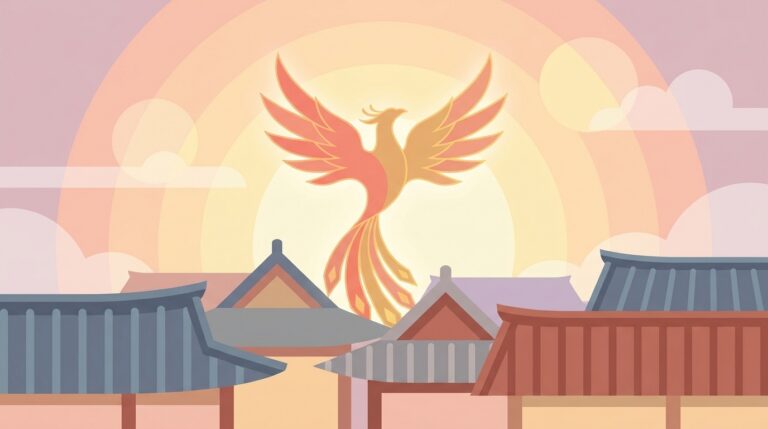
From Rock Bottom to Triumphant Return: The Art of Radical Korean Comebacks
Phase 1: Empathy & Story Immersion
안녕하세요! 매일한글 에디터입니다. (Hello! It’s your Daily Hangul editor.)
Picture this: You are watching a high-stakes K-drama. The brilliant protagonist pours their entire life savings into an ambitious tech venture, only to have the launch completely implosion due to betrayal, market collapse, or pride. They lose everything—their office, their team, their reputation. But instead of packing their bags and fading into obscurity, they retreat into an attic office, pin sticky notes across every wall, cut out every distraction, and spend six grueling months rebuilding from the ashes. When they finally walk back into the boardroom, they don’t just apologize—they present a revolutionary overhaul that stuns everyone.
If you have ever pitched a project in Korea that bombed, flubbed an important presentation, or faced a professional crossroads where polite platitudes just won’t cut it, you know this feeling. In beginner Korean, you might say, “다시 열심히 할게요” (I’ll work hard again). But at the C1 level, such basic expressions fall flat. Korean corporate, creative, and academic culture possesses a rich vocabulary of classical idioms (사자성어, Sajaseong-eo) specifically dedicated to confronting failure, undergoing agonizing self-reflection, and orchestrating a triumphant comeback.
In this masterclass, we will unpack the three most respected four-character idioms used by executive leaders, screenwriters, and visionary artists when staging a legendary return. Master these, and you will not only articulate resilience like an educated native speaker—you will earn instant respect in any high-stakes conversation.
Phase 2: Core 3 Idioms In-Depth
   [Defeat / Crisis]
          │
          ▼
   와신상담 (臥薪嘗膽)  ──► Enduring bitter pain & silent discipline
          │
          ▼
   환골탈태 (換骨奪胎)  ──► Painful, radical structural transformation
          │
          ▼
   권토중래 (捲土重來)  ──► Staging a roaring, dust-raising comeback
1. 권토중래 (捲土重來)
- Pronunciation: Gwon-to-jung-rae (Sounds like “gwon” as in taekwondo + “toe” + “joong” + “ray”)
- Meaning: Literally “rolling up the soil and coming back again.” Nuance: Staging a formidable, earth-shaking comeback after suffering a crushing defeat.
- K-Culture Moment: Think of the classic finale speech in an esports championship or a drama where an ousted CEO reclaims their company after years of silent preparation.
- Editor’s Insight: Originating from the poet Du Mu referring to Xiang Yu’s tragic defeat, this idiom implies you aren’t just tiptoeing back—you are kicking up a cloud of dust so thick it covers the ground. It carries an aura of overwhelming determination.
- Situation Spectrum: Casual ⚠️ | Semi-formal ✅ | Formal ✅
- 🤔 Think About It: In Western sports commentary, comebacks are often framed as “miracles” or “luck.” Why do you think the Korean idiom emphasizes the sheer physical grit of kicking up earth?
2. 환골탈태 (換骨奪胎)
- Pronunciation: Hwan-gol-tal-tae (“hwan” as in Juan + “goal” + “tall” + “teh”)
- Meaning: Literally “swapping the bones and stripping away the old womb.” Nuance: A transformation so deep and painful that you become an entirely new entity.
- K-Culture Moment: K-Pop survival shows use this constantly when a trainee who previously received harsh criticism returns with flawless vocals, razor-sharp choreography, and an aura of total mastery.
- Editor’s Insight: Never use this for a simple haircut or cosmetic wardrobe update. 환골탈태 signifies tearing down the old system to its fundamental scaffolding and rebuilding from scratch.
- Situation Spectrum: Casual ✅ | Semi-formal ✅ | Formal ✅
- 🤔 Think About It: How does “changing one’s bones” contrast with the modern philosophy of “unconditional self-acceptance”? What does this say about Korean values regarding personal reinvention?
3. 와신상담 (臥薪嘗膽)
- Pronunciation: Wa-sin-sang-dam (“wah” + “seen” + “sahng” + “dahm”)
- Meaning: Literally “sleeping on firewood brush and tasting bitter animal gall.” Nuance: Willingly submitting oneself to bitter hardship and humiliation while keeping a laser focus on eventual vindication.
- K-Culture Moment: A veteran chef who lost their restaurant to a scheming rival, spending years working as an entry-level line cook in a rural market just to perfect a singular broth recipe.
- Editor’s Insight: This is the solemn pledge of silent endurance. If you invoke 와신상담, you are telling your listeners that no amount of discomfort will deter you from correcting your past missteps.
- Situation Spectrum: Casual 🚫 | Semi-formal ⚠️ | Formal ✅
- 🤔 Think About It: Why does Korean culture revere the willingness to endure 고생 (hardship) in silence rather than venting frustration publicly?
Phase 3: Textbook Korean vs. Real Korean
Situation 1: Reporting an organizational overhaul after a failed product rollout
- 📖 교과서 한국어 (Textbook Korean):
우리 팀은 문제를 분석하고 다시 열심히 준비했습니다. (Uri timeun munjereul bunseokhago dasi yeolsimhi junbihaesseumnida.)
“Our team analyzed the problems and prepared hard again.” - 🗣️ 진짜 한국어 (Real Korean):
지난 실패를 반면교사 삼아, 조직 전체를 환골탈태하는 수준으로 쇄신했습니다. (Jinan silpaereul banmyeongyosa sama, jojik jeonchereul hwangoltalthaehaneun sujuneuro swaesinhaesseumnida.)
“Taking our past failure as an instructive mirror, we reformed the entire organization to the point of complete rebirth.” - 💡 왜 다를까? (Why the difference?): High-level Korean professional discourse does not rely on generic verbs like 준비하다 (prepare). Combining 반면교사 (instructive negative example) with 환골탈태 conveys deep accountability and executive poise.
Situation 2: Promising an investor or mentor a major turnaround
- 📖 교과서 한국어 (Textbook Korean):
다음 분기에는 반드시 더 좋은 성과를 내겠습니다. (Daeum bunggieneun bandeusi deo joeun seonggwareul naegesseumnida.)
“In the next quarter, we will definitely produce better results.” - 🗣️ 진짜 한국어 (Real Korean):
와신상담하는 각오로 절치부심하여 반드시 권토중래하겠습니다. (Wasinsangdamhaneun gagoro jeolchibusimhayeo bandeusi gwentojungraehagesseumnida.)
“With the mindset of enduring bitter trials and grinding our teeth in determination, we will stage an undeniable comeback.” - 💡 왜 다를까? (Why the difference?): The idioms signal an emotional pledge. They assure the stakeholder that you understand the severity of the crisis and have internalized the pain of the setback.
Phase 4: K-Culture Deep Dive & Non-Verbal Manners
4-1. Nunchi & Physical Deportment
When delivering these expressions in Korean professional or academic settings, your body language must match the cultural gravity of the idioms:
* The Eye Contact & Posture: Avoid aggressive, smiling cheerfulness when declaring a comeback. Lower your chin slightly, maintain steady yet respectful eye contact, and avoid frantic hand gestures. Let your stillness convey grit.
* Vocal Pitch & Pacing: Drop your vocal register half an octave lower than your usual conversational pitch. Native Korean listeners associate deep, deliberate pacing with genuine remorse (성찰) and resolute resolve (결의).
* The Two-Handed Handover: If handing over a redesigned deck or revised report, always use two hands with your elbows gently tucked near your ribs, signifying that this work was forged with humility.
4-2. The Cultural Code: Survival Auditions & The IMF Legacy
Why does Korean society resonate so deeply with radical renewal? Two cultural pillars explain this:
1. The IMF Economic Crisis Legacy: The collective national trauma of 1997 forged a cultural consensus: complacency is fatal, but crisis (위기) can always be transformed into opportunity (전화위복). Every major Korean conglomerate and startup venerates stories of shedding unprofitable divisions to emerge stronger.
2. The K-Pop Re-debut Archetype: Watch survival shows like Peak Time or Produce. Contestants who previously debuted and failed are not pitied; they are celebrated if they demonstrate 환골탈태—shedding every mannerism of their past self to earn redemption.
Phase 5: Real-World Roleplay Scenario
Setting: The sleek 18th-floor boardroom of a Seoul venture firm. Creative Director Min-woo (민우) is presenting his overhauled marketing engine after last quarter’s disastrous launch to Executive VP Kang (강 부사장).
[Boardroom Table: Tension is palpable]

강 부사장: 지난 분기 손실이 뼈아픕니다. 오늘 발표가 단순한 변명이 아니길 바랍니다.
(Jinan bungi sonsiri ppyeoapeumnida. Oneul balpyoga dansunhan byeonmyeongi anigil baramnida.)
"Last quarter's losses cut deep. I hope today's presentation isn't a mere excuse."

민우: 🎭 [단호하면서도 겸허한 태도로 고개를 숙이며] 아닙니다, 부사장님. 지난 실패는 저희의 안일함이 부른 결과였습니다.
(Animnida, busajangnim. Jinan silpaeneun jeohuiui anilhami bureun gyeolgwayeosseumnida.)
"Not at all, Vice President. Our past failure was the direct result of our own complacency."

강 부사장: 🎭 [안경을 벗으며 서류를 훑어본다] 그래서, 이번 전략의 핵심은 뭡니까?
(Geuraeseo, ibeon jeollyagui haeksimeun mwomnikka?)
"So, what is the core of this new strategy?"

민우: 기존의 방식을 답습하지 않고, 제품 기획부터 브랜딩까지 전면적인 환골탈태를 단행했습니다.
(Gijonui bangsigeul dapseuphaji anko, jepum gihoekbuteo beuraendingkkaji jeonmyeonjeogin hwangoltalthaereul danhaenghaesseumnida.)
"Rather than following existing methods, we enacted a total transformation—from product planning to branding."

강 부사장: 환골탈태라... 말은 쉽지. 시장의 반응을 뒤집을 자신이 있습니까?
(Hwangoltalthaera... mareun swipji. Sijangui baneungeul dwijibeul jasini isseumnikka?)
"Radical transformation... Easy to say. Are you confident you can overturn the market's response?"

민우: 🎭 [부사장의 눈을 흔들림 없이 응시하며] 네. 전 직원이 와신상담하는 각오로 3개월간 밤낮없이 시스템을 재구축했습니다.
(Ne. Jeon jigwoni wasinsangdamhaneun gagoro samgaewolgan bamnat-eopsi siseutemeul jaeguchukhaesseumnida.)
"Yes. With a mindset of enduring hardship, our entire team worked around the clock for three months to rebuild the system."

강 부사장: 🎭 [고개를 끄덕이며 미소를 띤다] 좋습니다. 이번엔 제대로 권토중래할 수 있는지 지켜보겠습니다.
(Joeumnida. Ibeonen jedaero gwentojungraehal su inneunji jikyeobogesseumnida.)
"Very well. I will watch to see if you can truly stage a triumphant comeback this time."

민우: 반드시 결과로 입증해 보이겠습니다. 믿고 지켜봐 주십시오.
(Bandeusi gyeolgwaro ipjeonghae boigesseumnida. Mitgo jikyeobwa jusipsio.)
"We will prove it through results. Please trust and observe our progress."
🔀 Interactive Branching Decision Point
If VP Kang asks: “What makes you believe this attempt will be different from the last one?”, how should you respond?
- Option A: “이번엔 진짜 열심히 밤샜으니까 무조건 대박 날 겁니다!” (We pulled all-nighters this time, so it’s guaranteed to be a huge hit!)
- Option B: “지난 실패를 뼈아픈 반면교사로 삼아 취약점을 완전히 보완했기에, 시장에서의 권토중래를 확신합니다.” (Taking our past failure as a sharp lesson, we thoroughly fortified our vulnerabilities, so we are confident in our market comeback.)
- Option C: “지난번엔 시장 상황이 안 좋았지만, 이번엔 운이 따를 것 같습니다.” (Market conditions were bad last time, but luck seems on our side now.)
Decision Feedback:
* Option A (Risk): Sounds like an overconfident novice relying on manual effort rather than structural improvement.
* Option B (Best): Flawless executive articulation. You acknowledge failure, explain the remedial action, and use 권토중래 with measured conviction.
* Option C (Bad): Deflecting blame to the market destroys executive accountability (결자해지).
Phase 6: 10-Second Emotion Shadowing Drill
Practice these lines with appropriate breath pauses (/) and internal emotional resonance:
[🔥 비장하고 단호하게 - Resolute and solemn]
지난 실패에 머무르지 않고, / 뼈를 깎는 쇄신으로 / 반드시 권토중래하겠습니다.
(Jinan silpaee meomureuji anko, / ppyeoreul kkakneun swaesineuro / bandeusi gwentojungraehagesseumnida.)
“Refusing to dwell on past failure, / through bone-carving renewal / we will stage an undeniable comeback.”-
[🤝 겸허하지만 확신에 찬 목소리로 - Humble yet confident]
기존의 틀을 완전히 깨고, / 환골탈태한 모습으로 / 고객의 신뢰를 되찾겠습니다.
(Gijonui teureul wanjeonhi kkaego, / hwangoltalthaehan moseubeuro / gogaegui sinroereul doechatgesseumnida.)
“Shattering our old framework entirely, / through radical rebirth / we will reclaim our customers’ trust.” -
[🛡️ 고난을 이겨낸 깊은 울림으로 - Seasoned perseverance]
지난 시간은 / 와신상담하며 내실을 다지는 / 소중한 담금질의 시간이었습니다.
(Jinan siganeun / wasinsangdamhamyeo naesireul dajineun / sojunghan damgeumjirui siganiyeosseumnida.)
“The past season / was a precious crucible / in which we endured bitter trials and solidified our inner strength.”
Phase 7: K-Culture Mini Dictionary
- 쇄신 (Swaesin): Radical house-cleaning / sweeping reform. Used when an institution, government, or corporation purges stale habits to begin afresh.
- 반면교사 (Ban-myeon-gyo-sa): A negative example that serves as a profound teacher. Highly favored in performance reviews and retrospectives.
- 백의종군 (Baek-ui-jong-gun): Literally “joining the army in commoner’s plain white robes.” Taking a complete demotion or stepping down from leadership to do grunt work and rebuild integrity after a grave mistake.
- 결자해지 (Gyeol-ja-hae-ji): “The one who tied the knot must untie it.” Taking personal responsibility to resolve a disaster you caused, rather than passing the buck.
Phase 8: Traveler’s Survival Kit
Professional & Travel Comeback Survival Phrases
- 초심으로 돌아가겠습니다. (Chosimeuro doragagesseumnida.)
Meaning: “I will return to my beginner’s mindset.”
Pro Tip: The ultimate humble phrase when you’ve blundered with a Korean client, host family, or supervisor. - 전화위복의 계기로 삼겠습니다. (Jeonhwawibogui gyegiro samgesseumnida.)
Meaning: “I will make this an occasion to turn misfortune into fortune.”
Pro Tip: Perfect when a travel reservation is canceled or a project scope fails unexpectedly. - 제가 결자해지하겠습니다. (Jega gyeoljahaejihagesseumnida.)
Meaning: “I will take full ownership and resolve this issue myself.”
Pro Tip: Instant respect-builder in team dilemmas.
Editor’s Travel Note
When navigating unexpected crises in Korea—such as missing your last KTX train or misplacing your travel documents—remaining calm and utilizing the proper infrastructure is essential. Before heading out, make sure you download the official Korean navigation tools via the Naver Map app setup guide for international travelers. If you encounter transit delays or ticketing errors at Seoul Station, head to the customer service counter and politely explain: “상황을 수습하고 바로잡겠습니다” (I will rectify the situation).
Phase 9: One Step Deeper
In Western classical tragedy, failure often marks an unalterable, catastrophic end—a fate sealed by hubris. In Korean philosophical thought, however, failure is viewed through an organic, cyclical lens influenced by Taoist transformation and Buddhist karma. A fall is not a verdict; it is an invitation to 담금질 (tempering iron in fire and water). What society truly judges is never the stumble itself, but whether the fallen individual possesses the humility to practice 성찰 (introspection) and the grit to achieve 환골탈태. The person who rebuilds from nothing is awarded far greater social prestige than someone who simply succeeded without ever tasting dirt.
💬 Your Turn: Have you ever experienced a setback in your personal, academic, or professional life that forced you into a total rebirth? Share your story in the comments below using one of today’s idioms!
Phase 10: FAQ & Avoiding Misconceptions
Q: Can I use “환골탈태” when praising a friend’s new haircut or fitness weight loss?
A: While you can use it jokingly in very casual speech among close peers, it can sound overly dramatic or sarcastic because 환골탈태 implies restructuring your very bones. For physical appearance changes, phrases like “분위기 완전 달라졌다!” (Your vibe completely changed!) or “스타일 변신 대박이다!” (Amazing style transformation!) are much more natural.
Q: What is the exact nuance difference between “권토중래” and simply saying “재기하다” (to make a comeback)?
A: 재기하다 is a neutral, factual verb meaning “to recover or rise again.” 권토중래, by contrast, carries powerful literary imagery of an unstoppable army raising billowing dust across the plain. It denotes immense vigor, strategic preparation, and a dynamic public return that silences critics.
Q: Is “와신상담” appropriate when talking about studying for regular exams like TOPIK?
A: Only if you previously failed miserably, experienced public shame, and spent months in Spartan isolation studying through tears. If it was just regular test prep, 열심히 준비했다 is sufficient. Use 와신상담 when the process involved genuine, painful self-denial for a long-term redemption arc.
🚨 흔한 실수 (Common Mistakes) Warning Board
- Mistake: Using 권토중래 to describe a tiny comeback in a casual board game.
- Correct Action: Reserve it for genuine career, artistic, or organizational comebacks.
- Mistake: Saying 환골탈태 when only superficial cosmetic changes occurred.
- Correct Action: Use it only when the fundamental structure, attitude, or architecture has been rebuilt.
- Mistake: Announcing 와신상담 with a cheerful, laughing tone.
- Correct Action: Maintain a serious, resolute expression that honors the idiom’s solemn historical weight.
Phase 11: Action Missions
- 🥉 Bronze Mission (Solo Shadowing): Record yourself reciting the 3 shadowing sentences from Phase 6, paying close attention to lowering your vocal pitch and hitting the pause markers (
/). - 🥈 Silver Mission (Community Engagement): Write a 2-sentence reflection on social media or in our comments describing a personal goal using either 환골탈태 or 권토중래.
- 🥇 Gold Mission (Real-World Application): The next time you conduct a project post-mortem or retrospective, incorporate 반면교사 and 쇄신 into your written summary or team debrief.
- 🎮 K-Culture Mission: Watch an episode of a Korean business drama (such as Itaewon Class or Agency) and identify the moment a character vows revenge or turnaround. Listen closely for classical idiom structures!
Phase 12: Interactive Quiz Challenge
1. Scenario Judgment
A startup founder had their first app flop due to sloppy user interface design. Over the next year, they laid off non-essential contractors, rewrote the entire codebase from line one, reimagined the brand philosophy, and released a smash-hit service that won the national tech grand prize. Which idiom best encapsulates this entire transformation?
* A) 결자해지 (Gyeol-ja-hae-ji)
* B) 환골탈태 (Hwan-gol-tal-tae)
* C) 백의종군 (Baek-ui-jong-gun)
2. Fill-in-the-Blank
“비록 이번 결승전에서 패배했지만, 낙담하지 않고 실력을 갈고닦아 내년 시즌에 반드시 ( )하겠습니다!”
* (Hint: Expresses staging a roaring comeback kicking up clouds of dust)
3. True / False Cultural Reality Check
True or False? In Korean business culture, immediately blaming external market fluctuations after a failed initiative is viewed as a sign of keen analytical objectivity.
👉 Click to Reveal Quiz Answers & Explanations
-
Answer: B) 환골탈태 (Hwan-gol-tal-tae)
Explanation: Completely rebuilding an organization’s core architecture and codebase from scratch is the textbook definition of “changing one’s bones and shedding the old skin.” -
Answer: 권토중래 (Gwon-to-jung-rae)
Explanation: The phrase conveys rising again after a painful championship defeat to shake the arena with a victorious return. -
Answer: False
Explanation: Deflecting responsibility to external factors is seen as avoiding accountability (무책임). The most respected response is deep self-reflection (성찰), identifying one’s own shortcomings (반면교사), and vowing systemic renewal (쇄신).






