

Phase 1: Empathy & Storytelling Opening
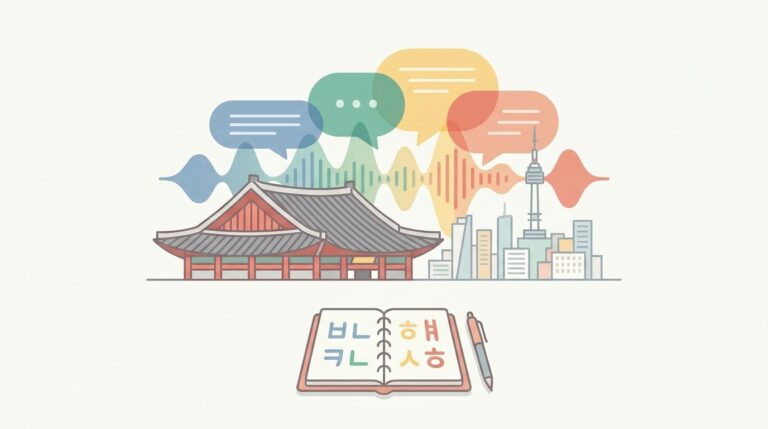
안녕하세요! 매일한글 에디터입니다. (Annyeonghaseyo! It’s your Daily Hangul editor here.) Have you ever watched a K-drama where the lead character falls in love, and instead of just saying “심장이 빨리 뛰어요 (Simjang-i ppalli ttwieoyo – My heart beats fast),” the screen flashes with “두근두근”? Or maybe you watched a late-night street food mukbang where the host did not just say “맛있어요 (Masisseoyo – It is delicious),” but described the broth as “호로록 (hororok)” and the texture as “쫀득쫀득 (jjondeuk-jjondeuk)”? Many intermediate learners share this exact frustration: “I know B2 grammar and complex endings, but why does my Korean still sound flat and robotic?” The secret sauce of expressive, emotionally resonant Korean lies in 의성어 (uiseong-eo, onomatopoeia) and 의태어 (uitae-eo, mimetic words). Based on years of mentoring learners who want to move past the textbook barrier, mastering these sound and motion words is the quickest bridge to sounding like a warm, expressive native friend.
Phase 2: Top 3 Core Expressions In-Depth
1. 두근두근 (Dugeun-dugeun)
- Pronunciation: [Doo-geun-doo-geun] (Think of the rhythmic, soft thud of a bass drum muffled behind a velvet curtain: thump-thump).
- Meaning: Literal: Heartbeat sound. Nuance: Nervous anticipation, butterflies in your stomach, or exciting suspense before a date or exam.
- K-Culture Moment: Classic romantic K-Dramas where two leads share an umbrella in the rain and their eyes lock for the first time.
- Editor’s Insight: While English speakers say “I have butterflies in my stomach,” Koreans locate that fluttery nervousness directly in the chest as an auditory rhythm.
- Situation Spectrum: Casual: ✅ | Semi-formal: ✅ | Formal: ⚠️ (Use “긴장되다 (ginjangdoeda)” in formal presentations).
- 🤔 Think About It: Why do you think Korean uses paired repetitive syllables (reduplication) to express continuous emotional sensations?
2. 반짝반짝 (Banjjak-banjjak)
- Pronunciation: [Bahn-jjak-bahn-jjak] (Like the crisp snap of fingers followed by an echo: bah-njjak).
- Meaning: Literal: Twinkling / sparkling. Nuance: Brilliant radiance, glistening eyes full of wonder, or a brilliant, sudden flash of inspiration.
- K-Culture Moment: K-pop idol fancams highlighting glittering stage makeup, or anime-style reactions when a character spots their favorite snack.
- Editor’s Insight: Unlike the English adjective “shiny,” “반짝반짝” behaves as an adverb that paints motion. It suggests light that is actively pulsing and alive.
- Situation Spectrum: Casual: ✅ | Semi-formal: ✅ | Formal: 🚫
- 🤔 Think About It: How does personifying inanimate visual sparkles change the emotional warmth of a description?
3. 슬금슬금 (Seulgeum-seulgeum)
- Pronunciation: [Seul-geum-seul-geum] (Whispered with a soft ‘s’, like socks quietly sliding across hardwood).
- Meaning: Literal: Creeping / sneaking. Nuance: Inching away stealthily, moving hesitantly to avoid notice, or gradually avoiding responsibility.
- K-Culture Moment: Variety shows like Running Man where a player slowly backs away behind a pillar right before an ambush.
- Editor’s Insight: You can use this for physical movement or even psychological shifts, such as when sleepiness slowly creeps in during a boring meeting.
- Situation Spectrum: Casual: ✅ | Semi-formal: ⚠️ | Formal: 🚫
- 🤔 Think About It: What does having specific words for stealthy physical gestures say about the value of social situational awareness (눈치 – nunchi)?
Phase 3: Textbook Korean vs. Real Korean
Situation 1: Describing a super spicy stew while sweating
- 📖 Textbook Korean: “음식이 너무 매워서 땀이 많이 납니다.” (Eumsigi neomu maewoseo ttami mani namnida. – The food is very spicy, so I am sweating a lot.)
- 🗣️ Real Korean: “국물이 얼큰해서 땀이 뻘뻘 나요!” (Gungmuri eolkeunhaeseo ttami bpeol-bpeol nayo! – The broth is deliciously spicy and sweat is dripping down!)
- 💡 Why It Differs: Textbooks state clinical cause and effect, while native speakers use “뻘뻘 (bpeol-bpeol)” to instantly sketch sweat droplets visibly beading on the forehead.
Situation 2: Explaining a relaxing weekend walk
- 📖 Textbook Korean: “주말에 공원에서 천천히 걸었습니다.” (Jumare gongwoneseo cheoncheonhi georeotseumnida. – I walked slowly in the park on the weekend.)
- 🗣️ Real Korean: “주말에 한강공원 슬렁슬렁 산책했어요.” (Jumare Hangang-gongwon seulleong-seulleong sanchaekaesseoyo. – I took a breezy, carefree stroll around Hangang Park.)
- 💡 Why It Differs: “천천히 (cheoncheonhi)” merely indicates low velocity, whereas “슬렁슬렁 (seulleong-seulleong)” projects an unhurried, carefree mental state.
Phase 4: K-Culture Deep Dive & Non-Verbal Manners
4-1. 눈치 (Nunchi) & Gestures
When using Korean mimetic words, your physical body becomes an instrument. When you say “두근두근 (dugeun-dugeun),” place one flat hand over your left chest and tap lightly twice. When using “반짝반짝 (banjjak-banjjak),” raise both hands near cheek height and flutter your fingers outwards. If you state these words with a stoic, emotionless poker face, Koreans will sense a humorous dissonance! Non-verbal mimicry reinforces the acoustic texture of the vocabulary.
4-2. Cultural Code: The Visual World of Webtoons (웹툰) & Mukbang (먹방)
Korean Webtoons rely heavily on sound effect typography (의성어/의태어 타이포그래피) to compensate for silent screens. When a hero punches, it’s not just “퍽 (peok)”; it stretches into “콰광 (kwagwang)” or “우르르 (ureureu)”. Similarly, K-Food culture celebrates sound as taste: “바삭 (basak)” is crispiness you can feel in your molars, while “후루룩 (hururok)” marks respect for the chef by audibly inhaling noodle noodles with hearty appreciation.
Phase 5: Real-Life Roleplay Scenario
Setting: A cozy late-night pojangmacha (포장마차) in Euljiro. Steaming hot tteokbokki and sizzling fish cakes fill the tent with savory steam. You are sitting on plastic orange chairs across from your Korean friend, Minho (민호).
- 민호: 떡볶이랑 순대 나왔어! 배 많이 고팠지? (Tteokbokkirang sundae nawasseo! Bae mani gopatji? – The tteokbokki and sundae are here! You were super hungry, right?)
- You:
🎭 [배를 움켜쥐며 과장되게 웃는다]응, 아까부터 배에서 꼬르륵 소리가 났어. (Eung, akkabuteo bae-eseo kkoreureuk soriga nasseo. – Yeah, my stomach has been rumbling kkoreureuk for a while.) - 민호: 하하, 그럼 이 튀김 먼저 먹어봐. 방금 튀겨서 진짜 바삭해. (Haha, geureom i twigim meonjeo meogeobwa. Banggeum twigyeoseo jinjja basakhae. – Haha, then try this tempura first. It was just fried, so it’s super crispy.)
- You:
🎭 [튀김을 한 입 크게 베어 문다]와, 씹을 때 바삭바삭 소리가 나네! (Wa, ssibeul ttae basak-basak soriga nane! – Wow, it literally sounds basak-basak when I bite into it!) - 민호: 그치? 순대는 이 떡볶이 국물에 푹 찍어 먹어야 제맛이야. (Geuchi? Sundaeneun i tteokbokki gungmure puk jjigeo meogeoya jemas-iya. – Right? Sundae tastes best dipped deeply into this tteokbokki sauce.)
- You:
🎭 [고개를 끄덕이며 떡을 씹는다]떡도 엄청 쫀득쫀득하고 매콤해. (Tteokdo eomcheong jjondeuk-jjondeukhago maekomhae. – The rice cakes are so chewy jjondeuk-jjondeuk and spicy.) - 민호: 내일 중요한 발표 있다고 하지 않았어? 떨리지 않아? (Naeil jungyohan balpyo itdago haji anhasseo? Tteolriji ana? – Didn’t you say you have an important presentation tomorrow? Aren’t you nervous?)
- You:
🎭 [가슴에 손을 얹고 한숨을 쉰다]솔직히 생각만 해도 심장이 두근두근거려. (Soljiki saenggangman haedo simjang-i dugeun-dugeungeoryeo. – Honestly, just thinking about it makes my heart pound dugeun-dugeun.)
🔀 Interactive Choice Point: Minho looks at you encouragingly and raises his cup. How will you respond to close the conversation?
- Option A: “너랑 이렇게 맛있는 거 먹고 이야기하니까 마음이 훨씬 든든해!” (Neorang ireoke masinneun geo meokgo iyagihanikka maeumi hwolssin deundeunhae!)
- Option B: “내일 발표니까 저는 먼저 집으로 슬금슬금 가볼게요.” (Naeil balpyonikka jeoneun meonjeo jibeuro seulgeum-seulgeum gabolgeyo.)
- Option C: “긴장되니까 소주 원샷으로 들이부을래.” (Ginjangdoenikka soju wonsyaseuro deuribueullae.)
-
Choice Feedback:
- Option A (Best): Empathetic, naturally connects food satisfaction with emotional reassurance (“든든해”). Strengthens friendship.
- Option B (Risk): Humorous use of “슬금슬금 (sneaking away)”, but might sound slightly awkward when leaving an open street food meal with a friend.
- Option C (Bad): Too abrasive and implies reckless drinking right before an important presentation.
Phase 6: 10-Second Emotional Shadowing Drill
Read aloud, respecting emotional signposts and breath pauses (/):
[🤤 군침을 삼키며 배고픔을 호소하듯]
“아까부터 / 배에서 꼬르륵 소리가 나서 / 집중을 못 하겠어요!”
(Akkabuteo / bae-eseo kkoreureuk soriga naseo / jipjungeul mot hagesseoyo! – My stomach has been rumbling kkoreureuk since earlier / so I can’t concentrate!)-
[✨ 눈을 반짝이며 감탄하듯]
“야경이 / 별처럼 반짝반짝 빛나서 / 정말 낭만적이에요.”
(Yagyeongi / byeolcheoreom banjjak-banjjak binnaseo / jeongmal nangmanjeog-ieyo. – The night view / twinkles banjjak-banjjak like stars / so it’s truly romantic.) -
[🥺 긴장되지만 솔직하게 털어놓듯]
“무대에 올라가기 직전이라 / 가슴이 두근두근 / 터질 것 같아요.”
(Mudae-e ollagagi jikjeon-ira / gaseumi dugeun-dugeun / teojil geot gatayo. – Just before stepping onto the stage / my heart is beating dugeun-dugeun / like it might explode.)
Phase 7: K-Culture Mini Dictionary
- 쫀득쫀득 (Jjondeuk-jjondeuk) | Chewy and elastic | Used to describe fresh rice cakes (떡), artisanal noodles, or trendy desserts like mochi cookies.
- 바삭바삭 (Basak-basak) | Crispy and crunchy | The gold standard for Korean fried chicken (치킨) crusts and Korean savory pancakes (전).
- 꼬르륵 (Kkoreureuk) | Stomach rumbling sound | An endearing way to announce hunger among close peers without feeling embarrassed.
- 토닥토닥 (Todak-todak) | Gentle patting / comforting tap | Used verbally or in text messaging to offer warm emotional comfort and condolence to a tired friend.
Phase 8: Traveler’s Survival Kit
Survival Expressions Top 3
- “튀김 바삭하게 튀겨주세요!” (Twigim basakhage twigyeojuseyo! – Please fry the tempura extra crispy!)
- Pro Tip: Use this at pojangmacha stalls for that freshly fried crunch.
- “국물이 얼큰하고 시원해요!” (Gungmuri eolkeunhago siwonhaeyo! – The broth is deeply spicy and refreshing!)
- Pro Tip: The word “시원하다 (siwonhada)” here means revitalizingly hot, not cold.
- “조마조마해서 못 보겠어요.” (Jomajomahaeseo mot bogesseoyo. – I’m so anxious and on edge I can’t look.)
- Pro Tip: Perfect when watching thrilling street performances or intense K-baseball games.
Editor’s Travel Note
When navigating Korean dining hotspots, relying solely on global review apps will lead to tourist traps. Instead, use the Naver Map app navigation guide to search terms like “바삭한 돈까스 맛집” (crispy pork cutlet restaurant) or check real-time diner reviews. To reserve trendy cafes known for chewy pastries, try using the Catch Table official reservation service which allows you to book tables without local Korean phone verification in many areas.
Phase 9: One Step Deeper (Thinking Prompt)
In Korean linguistic culture, words are rarely detached from sensory empathy (공감 – gonggam). When you state that your heart is “두근두근” or food is “쫀득쫀득,” you are not merely reporting data; you are extending an invitation for the listener to simulate that exact bodily sensation with you. This rootedness in shared physical experience reflects Korea’s relational culture (정 – jeong), where emotional intimacy is built through sensory synchrony.
💬 Your Turn: Which sensory word in your native language carries the deepest emotional punch, and what Korean sound word feels most similar to it? Drop your thoughts in the comments below!
Phase 10: FAQ & Common Mistakes
Q: Can I use onomatopoeia and mimetic words in formal business settings?
A: In formal business presentations or legal contracts, heavy sound words are generally avoided in favor of objective Sino-Korean terms (e.g., replace “두근거리다” with “긴장되다” or “불안감이 고조되다”). However, in business dinners (회식) or casual team coffee chats, using them proves high cultural fluency and builds instant rapport.
Q: What is the difference between “반짝반짝” and “번쩍번쩍”?
A: Vowel harmony is key! Light vowels (ㅏ, ㅗ) like “반짝반짝” denote smaller, brighter, cuter sparkles. Dark vowels (ㅓ, ㅜ) like “번쩍번쩍” convey larger, heavier, or more intense flashes of light, such as lightning bolts or massive gold bars.
Q: Do all Korean sound and mimetic words end with “하다” or “거리다”?
A: Most can be turned into verbs or adjectives by attaching “-하다” (e.g., 쫀득하다, 반짝하다) or “-거리다” / “-대다” to emphasize repetitive action (e.g., 두근거리다, 꼬르륵대다).
🚨 Common Mistakes Warning Board
- Mistake 1: Using “두근두근” for physical anger or tachycardia from running.
- Correct Action: Reserve “두근두근” for emotional excitement or suspense; for intense physical strain, use “심장이 쿵쾅쿵쾅 뛰다” (pounding intensely).
- Mistake 2: Using “바삭바삭” to describe dried-out, stale bread.
- Correct Action: “바삭바삭” is exclusively positive for appetizing crunch. For unpleasantly dry or crumbly texture, use “푸석푸석하다 (puseok-puseokhada)”.
- Mistake 3: Pronouncing paired mimetic words with flat, robotic intonation.
- Correct Action: Give slight stress to the first syllable of each pair: 두근두근, 반짝반짝.
Phase 11: Action Missions
- 🥉 Bronze Mission (Solo Shadowing): Stand in front of a mirror and recite the three sentences from Phase 6, matching facial expressions and hand gestures.
- 🥈 Silver Mission (SNS & Comment): Leave a comment under your favorite K-pop or K-drama clip using at least one mimetic word (e.g., “무대 위에서 완전 반짝반짝 빛나요!”).
- 🥇 Gold Mission (Real Life Action): The next time you order street food or dine with Korean speakers, describe the texture or broth using “바삭해요” or “쫀득해요”!
- 🎮 K-Culture Mission: Watch one 10-minute Korean vlog or mukbang on YouTube and spot at least two onomatopoeic or mimetic captions on the screen.
Phase 12: Interactive Quiz Challenge
1. Situational Judgment:
You are walking through Myeongdong street market and try freshly made warm honey hotteok (꿀호떡). How should you naturally compliment its chewy texture?
* A) 떡이 너무 푸석푸석해요! (Tteogi neomu puseok-puseokhaeyo!)
* B) 반죽이 정말 쫀득쫀득하고 맛있어요! (Banjugi jeongmal jjondeuk-jjondeukhago masisseoyo!)
* C) 식감이 아주 슬렁슬렁하네요! (Sikgami aju seulleong-seulleonghaneyo!)
2. Fill in the Blank:
“오늘 밤에 첫 데이트가 있어서 아침부터 가슴이 ( ) 설레요.”
3. True or False Cultural Quiz:
Korean sound words with darker vowels (like ㅓ, ㅜ) generally describe smaller, lighter, and cuter actions than words with bright vowels (like ㅏ, ㅗ).
* [ True / False ]
Click here to reveal answers and explanations
- Answer: B
- Explanation: “쫀득쫀득하다” is the quintessential description for delightfully chewy, stretchy textures like hotteok dough. “푸석푸석” means crumbly/dry, and “슬렁슬렁” describes an unhurried walking pace.
- Answer: 두근두근 (Dugeun-dugeun)
- Explanation: Anticipating a first date with excited nervousness is the textbook context for “두근두근”.
- Answer: False
- Explanation: The reverse is true! In Korean vowel harmony, bright vowels (ㅏ, ㅗ) create light, swift, small nuances (반짝반짝, 살랑살랑), while dark vowels (ㅓ, ㅜ) create heavier, deeper, larger nuances (번쩍번쩍, 설렁설렁).
- Explanation: The reverse is true! In Korean vowel harmony, bright vowels (ㅏ, ㅗ) create light, swift, small nuances (반짝반짝, 살랑살랑), while dark vowels (ㅓ, ㅜ) create heavier, deeper, larger nuances (번쩍번쩍, 설렁설렁).







